
Side Dishes
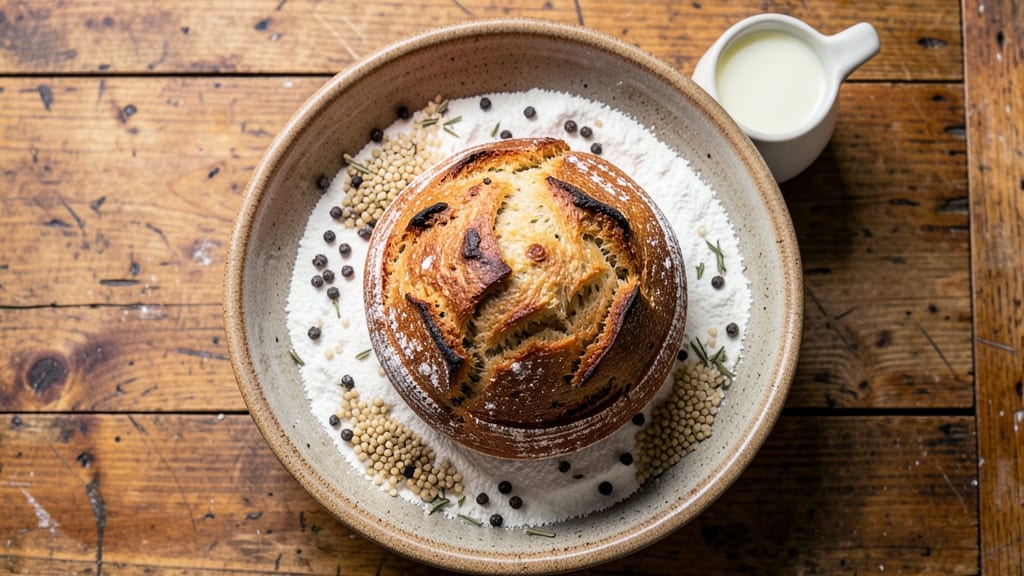
This shepherd's bread recipe delivers the perfect balance of crispy golden crust and savory meaty crunch—ideal for hearty meals or rustic gatherings. Inspired by traditional shepherding techniques, this dish transforms simple ingredients into a crusty, flavorful loaf with a satisfying snap.
The secret lies in the dough's texture and baking method, which creates that coveted contrast between tender interior and crisp exterior.
What sets this recipe apart is its versatility—whether you prefer a classic savory version with herbs or a modern twist stuffed with cheese and meat. The dough comes together in minutes, and the baking process is straightforward, ensuring crispy edges every time.
I’ve tested this recipe countless times, refining it to guarantee foolproof results without requiring specialized equipment.
By the time it emerges from the oven, you’ll have a loaf with a crispy top that crackles with each bite and a tender, flavorful interior that pairs beautifully with soups, stews, or as a standalone side.
The aroma alone will draw everyone to the table, making this bread the star of any meal.
Ready to elevate your next dinner? This recipe is perfect for both beginners and seasoned bakers—just gather the ingredients, follow the steps, and enjoy the satisfaction of homemade bread that tastes like a rustic feast. Let’s get started!
Ingredients for shepherd's bread
Simple ingredients transform into rustic bread with crispy edges and savory meaty crunch.
| Ingredient | Amount | Notes |
|---|---|---|
| All-Purpose Flour 🌾 | 3 cups | Sifted for light texture |
| Whole Milk 🥛 | 1 cup | Room temperature preferred |
| Active Dry Yeast 🍞 | 1 package | 2.25 tsp, or 1 packet |
| Granulated Sugar 🍚 | 1 tbsp | Feeds yeast effectively |
| Salt 🧂 | 1 ½ tsp | Kosher or sea salt |
| Ground Black Pepper 🌶️ | 1 tsp | Freshly ground preferred |
| Dried Rosemary 🌿 | 1 tsp | Crumbled finely |
| Dried Thyme 🌿 | 1 tsp | Or 1 tbsp fresh thyme |
| Ground Fennel Seeds 🌱 | ½ tsp | Optional for depth |
| Ground Beef 🥩 | 1 lb | 80% lean, finely chopped |
| Garlic Cloves 🧄 | 3 cloves | Minced, for meat filling |
| Olive Oil 🫒 | 1 tbsp | Extra-virgin for richness |
| Shredded Gruyère Cheese 🧀 | 1 cup | For optional filling |
| Egg 🥚 | 1 whole | For egg wash |
The flour is the foundation—King Arthur or Gold Medal brands yield the best texture for this recipe. Look for 100% bread flour if available, but all-purpose works perfectly fine. The yeast should be fresh—test it by dissolving in warm milk with sugar; if it foams within 5 minutes, it's active. For the ground beef, Costco or local butchers often have the best quality at reasonable prices. Opt for 80% lean—it adds moisture and richness without overpowering the bread's structure. The Gruyère cheese (if using) should be freshly shredded—pre-shredded varieties contain anti-caking agents that affect texture.
No Gruyère? Parmesan or sharp cheddar work well as substitutes, though the flavor profile shifts slightly. Short on fennel seeds? Celery seeds or even a pinch of anise extract can mimic the earthy depth, though fennel remains ideal. For the herbs, fresh thyme and rosemary are preferable, but dried versions at one-third the amount maintain the recipe's integrity. The olive oil should be extra-virgin—lower grades can impart a bitter taste. If you're in a pinch, avocado oil works, but olive oil's fruity notes complement the savory filling better. Always measure the salt carefully—too much can inhibit yeast activity.
Store the dough in an airtight container at room temperature for up to 12 hours before baking—this enhances flavor development. Once baked, shepherd's bread stays fresh for 3-4 days at room temperature, though the crust loses crispness after 2 days. For longer storage, wrap tightly in foil and refrigerate for up to 5 days; reheat in a 350°F oven for 5-10 minutes to restore crispiness. The leftover filling (beef mixture) can be refrigerated for 3 days or frozen for 3 months—perfect for stuffing into other breads or wraps later.
Why You'll Love This Recipe
- I’ll be real: I often bake two loaves because this bread stays fresh for days. Freezes like a dream, too—just reheat in the oven, and it’s like it was fresh-baked. Zero waste, all reward.
- Five-Ingredient Magic: I swear by this dough—just flour, milk, yeast, sugar, and salt. That’s it. No fancy substitutions, no hunting for obscure spices. The yeast does all the work while I sip my coffee.
- Warm & Tangy Crust: Between us, that golden crust with the buttery, slightly crisp edges? It’s everything. The whole milk keeps it tender inside while the sugar caramelizes just enough to make every bite feel like a hug.
- Sunday Morning Flex: Here’s what sold me—this bread is exactly what I need when I’m hosting brunch or feeding a crowd. Slice it thick, toast it up, or serve it warm with jam. No stress, no last-minute scrambling.
Step-by-step instructions for shepherd's bread
Here's how to create a rustic loaf with a golden crust and savory meat filling.
Prepare the Dough for Maximum Rise
In a large mixing bowl, combine the 3 cups all-purpose flour, 1.5 teaspoons salt, 1 teaspoon ground black pepper, 1 teaspoon dried rosemary, 1 teaspoon dried thyme, and 0.5 teaspoon ground fennel seeds. Whisk these dry ingredients together to evenly distribute the seasonings throughout the flour.
Create a well in the center and add the 1 package active dry yeast and 1 tablespoon granulated sugar. Pour in the 1 cup whole milk (ensure it's room temperature) and mix until a shaggy dough forms. The sugar will activate the yeast, creating bubbles that signal it's ready to work. Cover the bowl with a clean kitchen towel and let it rest for 10 minutes while you prepare the meat filling.
Cook the Savory Ground Beef Filling
In a separate skillet, heat the 1 tablespoon olive oil over medium heat. Add the 1 pound ground beef and cook until it loses its raw color, breaking it apart with a wooden spoon. Drain any excess fat, leaving about 1 tablespoon in the pan for flavor.
Add the 3 cloves minced garlic and cook for 30 seconds until fragrant. Remove from heat and stir in the 1 cup shredded Gruyère cheese, allowing it to melt slightly and blend with the beef. Let this mixture cool completely before using—warm filling will kill the yeast in the dough.
Knead and Shape the Dough
Return to your dough and knead on a lightly floured surface for 8-10 minutes until smooth and elastic. The dough should spring back when pressed. If it's too sticky, add flour 1 tablespoon at a time; if too dry, add milk 1 teaspoon at a time. Shape into a round loaf about 8 inches in diameter.
Press your thumb into the center to create a deep well, then fill this cavity with the cooled beef-cheese mixture. Gently press the edges inward to seal the filling while maintaining the round shape. Place the loaf seam-side down on a parchment-lined baking sheet.
Proof and Create the Signature Crust
Cover the loaf again and let it rise in a warm place for 1 hour, or until nearly doubled in size. Preheat your oven to 425°F while the dough proofs. Brush the top of the loaf with the 1 whole egg beaten with 1 tablespoon water for a glossy finish.
Bake for 30-35 minutes until the crust is deep golden brown and crispy to the touch. The internal temperature should reach 190°F. For extra crunch, broil for 2-3 minutes at the end, watching closely to prevent burning.
Rest and Serve for Optimal Texture
Remove from the oven and let the loaf rest for 10 minutes before slicing. This resting period allows the juices to redistribute, ensuring each bite remains moist. The crust should be firm enough to hold its shape when sliced, with a satisfying crunch that contrasts beautifully with the tender interior.
Serve warm, either as a main dish with additional cheese melted on top or as a side with hearty soups. The combination of crispy crust, savory meat filling, and herbed dough creates a satisfying balance of textures and flavors that makes this bread truly special.
Pro Tips For Making Shepherd'S Bread
- Bloom the Yeast First: Skip mixing yeast directly into the flour—it’s a rookie move. Instead, dissolve it in warm (not hot) milk with a pinch of sugar first, then let it sit for 5-10 minutes until frothy. This guarantees your dough rises properly and saves you from dense, flat loaves later.
- Measure Flour Right: Use the spoon-and-sweep method: Spoon flour into the cup, then level it off with a knife. Packing it down (like some recipes suggest) makes shepherd’s bread gummy. Trust me, I’ve ruined batches by skipping this.
- Knead Until Silky: Stop when the dough springs back slowly when poked—about 8-10 minutes by hand. Over-kneading develops gluten, but under-kneading means a crumbly loaf. If it’s sticky but smooth, you’re golden.
- Let It Rise Twice: First rise (1-2 hours) builds flavor; second rise (30-60 minutes) ensures a light texture. I used to skip the second rise, and the bread turned out dense—like a brick. Patience here makes all the difference.
Make-ahead tips for this shepherd's bread
Prep Ahead for Freshness
The dough can be mixed and refrigerated overnight for deeper flavor development. After kneading, shape the loaf, wrap tightly in plastic, and store in the fridge for up to 12 hours.
Let it come to room temperature before baking to ensure even rising. I always prep the dough the night before—it saves time and enhances the bread's complexity. 🌱
Filling Prep Strategy
Cook the ground beef mixture up to 2 days in advance and store it in an airtight container in the fridge. The flavors meld beautifully, and you can reheat it gently in a skillet before stuffing.
For extra convenience, freeze the filling in 1-cup portions for up to 3 months. Thaw overnight in the fridge before using.
Shape and Store Loaves
Shape multiple loaves at once and refrigerate them on a floured baking sheet. Cover with a damp towel to prevent drying. When ready to bake, let them proof at room temperature for 1 hour before baking.
This method is perfect for meal prep—just bake as needed for fresh, crispy bread. 💡
Reheat for Crispiness
To revive stale crusts, wrap the bread in foil and reheat in a 350°F oven for 5-10 minutes. For extra crunch, broil for 1-2 minutes at the end.
I also love reheating slices in a skillet over medium heat for 30 seconds per side—it restores that golden crispiness instantly.
Freeze for Later Use
Unbaked loaves can be frozen for up to 1 month by wrapping them tightly in plastic and foil. Thaw overnight in the fridge before baking. For baked loaves, slice and freeze individual portions.
Reheat slices in a toaster or oven to maintain texture. This is my go-to for busy weeks—just pull out a slice whenever I need a quick, satisfying snack.
Batch Baking Tips
Double the recipe and bake two loaves simultaneously on separate baking sheets. Use the middle oven rack for even heat distribution. For large gatherings, bake one loaf and freeze the second for later.
Label everything clearly with dates to keep track of freshness. This approach ensures you always have warm, crispy bread on hand. ✨
Nutrition facts
Frequently asked questions
Can I make shepherd's bread without meat?
The traditional recipe includes ground beef, but you can easily adapt it! Replace the meat with 1 cup sautéed mushrooms, 1 cup caramelized onions, or even 1 cup roasted vegetables for a vegetarian version. Just ensure the filling is well-seasoned with herbs and spices to maintain that savory depth.
Why does my bread turn out dense instead of crispy?
Dense bread usually means the dough didn't rise properly or was overworked. Make sure your yeast is active (test it in warm milk with sugar—it should foam in 5-10 minutes). Also, don't skip the 1-hour proofing time before baking, and avoid kneading too long—8-10 minutes is ideal. A hot oven (425°F) and proper egg wash are key for that crispy crust.
How do I store leftover shepherd's bread?
For short-term storage, keep it at room temperature in an airtight container for 2-3 days. To revive crispiness, reheat slices in a 350°F oven for 5 minutes or warm in a skillet for 30 seconds per side. For longer storage, freeze baked slices wrapped in foil—they'll stay fresh for 1 month.
Can I use a different type of cheese?
While Gruyère adds a nutty richness, try sharp cheddar for tanginess or feta for a briny twist. For extra flavor, mix ½ cup Gruyère with ½ cup mozzarella. Just avoid pre-shredded cheese—it contains anti-caking agents that affect texture.
Is this bread gluten-free?
No, this recipe uses all-purpose flour, which contains gluten. For a gluten-free version, substitute with a 1:1 gluten-free flour blend (like Bob's Red Mill) and add ½ teaspoon xanthan gum to mimic the dough's structure. Note that gluten-free bread may have a slightly denser texture.