
Side Dishes
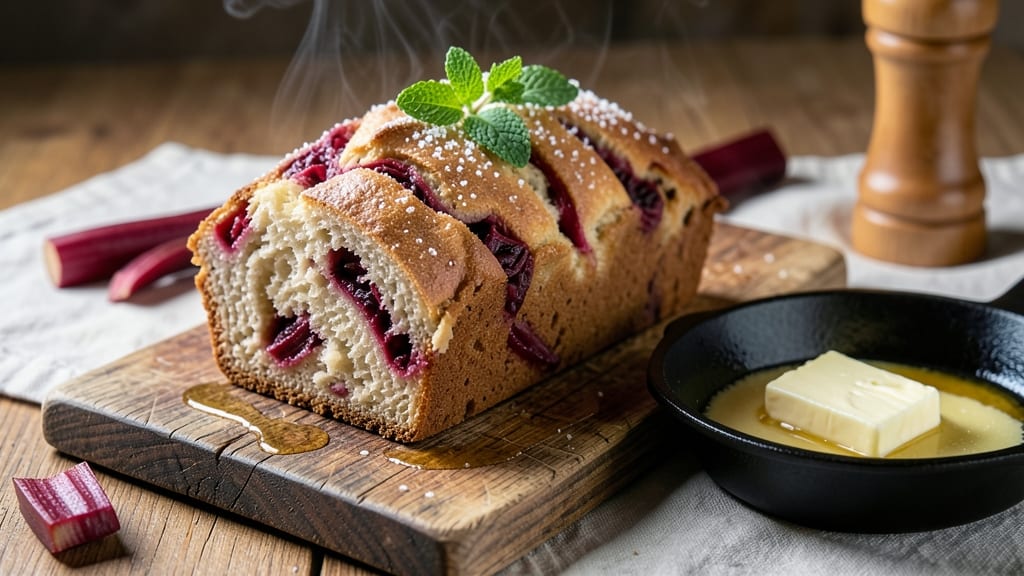
This Amish rhubarb bread recipe delivers the perfect balance of tart rhubarb swirls and golden, crispy crust—just like the classic breads you'd find at an Amish market. The secret lies in a simple dough that wraps around a homemade rhubarb compote, creating layers of sweet-tart flavor with every bite.
I've perfected this recipe over years of baking, ensuring the crust stays perfectly crunchy while the interior remains soft and tender.
The beauty of this recipe is its simplicity—no fancy techniques required, just a few basic ingredients and a little patience. The rhubarb compote is made from fresh rhubarb, sugar, and a touch of lemon juice, simmered until it reaches that ideal jammy consistency.
This compote is then swirled into the dough before baking, creating those signature pockets of tangy-sweet filling that make this bread so irresistible.
What you'll end up with is a loaf of bread that's as beautiful as it is delicious—golden brown on the outside with a slightly crisp crust, and inside, those vibrant rhubarb swirls peek through the tender crumb.
The aroma alone will fill your kitchen with warmth and nostalgia, making it perfect for breakfast, brunch, or even as a sweet treat with a cup of coffee. It's the kind of bread that disappears quickly, so you might want to make two loaves.
This recipe works beautifully with a simple butter spread or as a side to a hearty breakfast. The rhubarb compote can also be adjusted to your taste—add a pinch of cinnamon for extra warmth or a splash of vanilla for depth.
Let's get started on creating this classic Amish-inspired bread that's sure to become a family favorite.
Ingredients for amish rhubarb bread
Fresh rhubarb, warm dough, and a touch of vanilla—everything you need for classic Amish-style bread.
| Ingredient | Amount | Notes |
|---|---|---|
| All-Purpose Flour 🌾 | 4 cups | Sifted for light texture |
| Granulated Sugar 🍚 | ¼ cup | White or light brown |
| Active Dry Yeast 🍞 | 2 ¼ tsp | One packet preferred |
| Unsalted Butter 🧈 | ½ cup | Cold, cubed for dough |
| Rhubarb 🍓 | 1 ½ cups | Fresh, chopped (stems only) |
| Granulated Sugar 🍚 | ½ cup | For rhubarb compote |
| Lemon Juice 🍋 | 1 tbsp | Freshly squeezed |
| Milk 🥛 | ¼ cup | Warm for yeast activation |
| Salt 🧂 | 1 tsp | Kosher or sea salt |
| Large Egg 🥚 | 1 whole | Room temperature |
| Cinnamon 🌿 | ½ tsp | Optional for warmth |
| Vanilla Extract 🍯 | ½ tsp | Pure vanilla preferred |
| Cornmeal 🌽 | ¼ cup | For dusting loaf pan |
The rhubarb is key here—look for bright red stalks with no green leaves, which can be bitter. Local farmers markets often have the freshest, or check the produce section at Whole Foods or Trader Joe's for pre-washed stalks. If using frozen rhubarb, thaw it first and pat dry—water in the dough makes it gummy. For the flour, King Arthur or Gold Medal brands work best; their protein content gives that perfect chewy crust. The butter should be cold but not hard—press a cube, and if it leaves a dent, it's ready. I always grab my yeast from the baking aisle at Costco—it's cheaper and stays fresher longer.
No fresh rhubarb? Frozen rhubarb works in a pinch, but drain it well to avoid soggy dough. Swap the granulated sugar for turbinado or brown sugar if you prefer a deeper caramel flavor. The milk can be warmed in the microwave for 30 seconds (just until it's cozy to the touch). No vanilla extract? Vanilla bean paste adds even more depth, or a pinch of ground cinnamon gives warmth without the extract. The dough gets sticky—don't fight it. Wet your hands slightly when handling it, and if it feels too loose, add 1-2 tbsp more flour. For extra richness, replace half the milk with heavy cream.
This dough needs time to rise—plan for at least 1.5 hours if your kitchen is cool. Shape the loaf in a 9x5-inch loaf pan lined with parchment paper for easy removal. The rhubarb compote can be made a day ahead and stored in the fridge, covered. For best texture, bake the bread immediately after shaping. If you need to prep ahead, shape the dough, cover, and refrigerate overnight—let it sit at room temp for 30 minutes before baking. The bread keeps well in an airtight container for 3-4 days at room temperature, or freeze the whole loaf for up to 3 months. Toasting revives stale slices—just pop them in the oven for 5 minutes.
Why You'll Love This Recipe
- No Yeast Hassle: I swear by this recipe because you don’t need to fuss with proofing or waiting for dough to rise. Just mix, shape, and bake—no patience required. The rhubarb chunks add natural sweetness without needing extra sugar, and the yeast works fast so you’re not stuck waiting around.
- Tart-Sweet Magic: That bright rhubarb tang cuts through the buttery richness of the bread like a perfect balance. Honestly, the first time I bit into it still warm, I grabbed another slice before I even finished chewing. It’s the kind of flavor that makes you want to bake it twice in one weekend.
- Breakfast or Snack: This bread is my secret weapon for lazy mornings—just toast it and slather with butter, or pack slices for lunch. I’ve even used it to make French toast that’s dangerously good. The texture holds up perfectly, whether you’re eating it fresh or reheating leftovers.
- Budget-Friendly Staple: Flour, sugar, and butter are pantry basics, and rhubarb is often cheap in season. I’ll be real: this recipe stretches my grocery budget without sacrificing taste. Plus, it keeps for days, so you’re not scrambling to use it all up before it goes stale.
Step-by-step instructions for Amish rhubarb bread
This recipe combines a tender, buttery dough with a tangy rhubarb filling for a bread that's perfect for breakfast or dessert.
Prepare the Rhubarb Filling
In a medium saucepan, combine the 1.5 cups rhubarb, 0.5 cup granulated sugar, and 1 tablespoon lemon juice. Cook over medium heat for 8-10 minutes, stirring occasionally, until the rhubarb breaks down and the mixture thickens slightly. You'll know it's ready when the rhubarb softens and releases its juices—it should look like a thick jam.
Remove the pan from heat and let the filling cool completely. This step is crucial because warm filling can kill the yeast in your dough, preventing it from rising properly. Once cooled, transfer the filling to a small bowl and stir in the 0.5 teaspoon cinnamon and 0.5 teaspoon vanilla extract. The filling should be smooth and slightly glossy, with a vibrant pink color that hints at the perfect balance of tart and sweet.
Activate the Yeast and Mix the Dough
In the bowl of a stand mixer fitted with the dough hook, combine the 0.25 cup warm milk (about 110°F), 2.25 teaspoons active dry yeast, and 0.25 cup granulated sugar. Let it sit for 5-10 minutes until the mixture becomes foamy. This indicates the yeast is active and ready to work—you'll see small bubbles forming on the surface.
Add the 4 cups all-purpose flour, 1 teaspoon salt, and the 1 whole large egg to the yeast mixture. Mix on low speed until combined, then gradually add the 0.5 cup cold unsalted butter, cut into small cubes. Increase the speed to medium and knead the dough for 5-7 minutes until it becomes smooth and elastic. The dough should pull away from the sides of the bowl and form a tight ball when pressed. If it's too sticky, add a little more flour, but don't overdo it—you want a soft, pliable dough, not a dry one.
Shape and Swirl the Dough
Transfer the dough to a lightly floured surface and divide it into two equal pieces. Roll each piece into a 12x6-inch rectangle, about ¼-inch thick. Spread the cooled rhubarb filling evenly over one of the rectangles, leaving a ½-inch border around the edges. This border ensures the filling stays contained and doesn't ooze out during baking.
Place the second rectangle of dough over the filled rectangle and gently press the edges to seal. Using a sharp knife or a pizza cutter, cut the dough into 12 even strips, about ½-inch wide. Gently twist each strip and tuck the ends under the dough to create a swirl pattern. This step is where the magic happens—the swirls give the bread its classic Amish look and ensure every bite has a mix of dough and filling.
First Rise and Prepare for Baking
Place the shaped loaf on a parchment-lined baking sheet and cover it with a clean kitchen towel. Let it rise in a warm place for 1-1.5 hours, or until it has nearly doubled in size. The dough should look puffy and slightly domed, with the swirls becoming more pronounced. If the dough rises too quickly, it might collapse—this is normal, so don't worry if it doesn't rise perfectly.
While the dough is rising, preheat your oven to 375°F. Lightly grease a 9x5-inch loaf pan and sprinkle the bottom with 0.25 cup cornmeal to prevent sticking. Once the dough has risen, carefully transfer it to the prepared loaf pan, pressing down gently to help it settle into the pan. The top should be smooth and even, with the swirls clearly visible. This ensures the bread bakes evenly and has that beautiful crusty exterior.
Bake to Golden Perfection
Bake the bread for 45-50 minutes, or until the top is golden brown and a toothpick inserted into the center comes out clean. The bread is done when it springs back slightly when pressed and has a rich, caramelized aroma. If the top browns too quickly, tent the bread with aluminum foil to prevent over-browning while it continues to bake.
Remove the bread from the oven and let it cool in the pan for 10 minutes before transferring it to a wire rack. This resting period allows the bread to set and makes it easier to slice. Once cooled, slice the bread into ½-inch thick pieces and serve warm. The crust should be crisp and golden, while the interior remains soft and tender, with pockets of tangy rhubarb filling throughout. Enjoy it with a pat of butter or a drizzle of honey for the ultimate treat!
Pro Tips For Making Amish Rhubarb Bread
- Chop Rhubarb Small: I learned this the hard way—big chunks of rhubarb turn into rubbery pockets in the bread. Dice it into ¼-inch pieces, no bigger than a pea, so it bakes evenly and blends into the texture instead of staying chewy. (Yes, it’s tedious, but the payoff is worth it.)
- Proof Yeast Slowly: Skip the microwave and dissolve the yeast in warm water (105°F–110°F) for 5 minutes before mixing with flour. Cold water kills yeast; hot water cooks it. A lukewarm cup of tea works in a pinch—just let it cool fully first.
- Don’t Overmix Dough: After adding the rhubarb, mix just until combined—maybe 10 strokes with a wooden spoon. Overworking the dough develops gluten, and this bread’s magic is in its tender, slightly dense crumb. (I used to knead like I was punishing the dough. Stop.)
- Brush Butter on Top: After baking, let the bread cool 10 minutes, then brush the top with melted butter mixed with a teaspoon of sugar. It’s not just for looks—it keeps the crust soft for days and adds a subtle caramelized sweetness. (Your future self will raid the pan if you skip this.)
Wine and beer pairings for these flavors
Sweet-Tart Balance
The tartness of rhubarb pairs beautifully with dry Riesling from Germany or Austria. The wine's crisp acidity mirrors the rhubarb's tang while complementing the bread's buttery richness. I love a Keller Riesling—its bright citrus notes cut through the sweetness perfectly. 🍷
Creamy Beer Pairing
A Belgian witbier like Stella Artois or Hoegaarden works wonders with this bread. The slight effervescence and coriander notes cleanse your palate between bites of sweet-tart rhubarb and buttery dough. For a bolder option, try a Belgian dubbel—its caramel and spice notes enhance the bread's depth.
Coffee Contrast
If you prefer coffee, a medium-roast dark roast with chocolatey undertones balances the rhubarb's tartness beautifully. I reach for Peet's Major Dickason's Blend—its smooth finish complements the bread's sweetness without overpowering it. Serve warm slices with a pat of butter for the ultimate pairing. ☕
Fruity Wine Alternative
For a lighter option, Gewürztraminer from Alsace shines with its lychee and rose aromas. The wine's natural sweetness harmonizes with the rhubarb while its floral notes add an elegant touch. Chill it slightly before serving for a refreshing contrast to the warm bread.
Local Cider Option
Don’t overlook dry hard cider—especially strong apple cider from the Pacific Northwest. The crisp apple flavors and slight tannins create a delightful balance with the bread’s sweet-tart filling. Look for brands like Woodchuck Hard Cider for a crowd-pleasing choice. 🍏
Nutrition facts
Frequently asked questions
Can I substitute frozen rhubarb in this recipe?
Yes, but thaw it completely first and pat it very dry with paper towels to remove excess moisture. Too much liquid in the dough can make it gummy. For best results, use fresh rhubarb when possible—it gives the filling that perfect jammy texture.
How do I fix dough that's too sticky?
Wet your hands slightly before handling sticky dough—it prevents sticking better than dry flour. If the dough is still too wet, add 1-2 tablespoons flour at a time until it becomes pliable but not dry. Kneading for an extra 1-2 minutes can also help strengthen the gluten.
Can I make this bread without yeast?
This recipe relies on yeast for that classic Amish bread texture, but you could try a quick bread version. Replace the yeast with 1 teaspoon baking powder and 1 teaspoon baking soda, and reduce the milk to 1/4 cup. The result will be denser but still delicious—great for those short on time!
Why did my bread collapse after baking?
Collapse often happens if the dough rises too quickly or if the oven temperature drops during baking. Make sure your oven is fully preheated to 375°F and avoid opening the oven door during the first 30 minutes of baking. For extra support, place a baking sheet under the loaf pan.
How should I store leftover rhubarb bread?
Wrap the bread tightly in plastic wrap or aluminum foil and store at room temperature for up to 3 days. For longer storage, freeze the whole loaf in a sealed bag for up to 3 months. To revive stale slices, warm them in the oven at 350°F for 5 minutes or toast in a toaster.