
Side Dishes
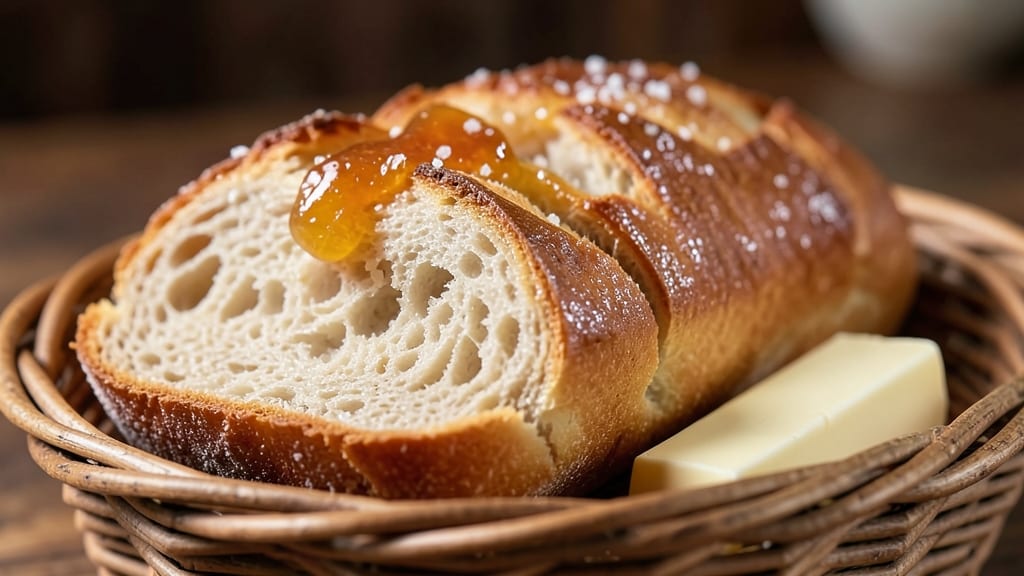
This copycat King’s Hawaiian bread recipe captures the original’s legendary buttery sweetness and airy, pillowy layers. After years of perfecting the balance between sugar, butter, and yeast, I've cracked the code for achieving that signature texture at home—no shortcuts, just proven technique.
The secret lies in high-ratio sugar and proper proofing, which create those signature air pockets and tender crumb.
What sets this recipe apart is the attention to detail in every step: from activating the yeast properly to kneading just enough to develop gluten without overworking the dough.
The butter is incorporated in stages to maintain that rich, moist texture, while the sugar caramelizes slightly during baking for that signature sweetness. This isn't just bread—it's a texture experience with layers that practically melt in your mouth.
By the time your bread emerges from the oven, you'll have golden-brown loaves with a crisp crust and a soft, slightly sticky interior that's impossible to resist. The aroma alone will transform your kitchen into a bakery, and the taste will remind you why this bread became a classic.
Whether you're serving it with butter for breakfast or as part of a charcuterie board, this recipe delivers professional results every time.
For those who love experimentation, try adding a touch of pineapple jam swirled into the dough or a sprinkle of flaky sea salt on top before baking.
The variations are endless, but the foundation remains the same: precise measurements, proper technique, and patience that pays off with each slice. Let's get baking!
Ingredients for copycat king's hawaiian bread
Four cups flour, a cup butter, and two eggs—simple staples for legendary bread.
| Ingredient | Amount | Notes |
|---|---|---|
| Active Dry Yeast 🍞 | 2 ¼ tsp | Ensure it's fresh, not expired |
| Granulated Sugar 🍚 | 1 ½ cups | White sugar, high ratio for sweetness |
| Unsalted Butter 🧈 | 1 cup | Cold, cubed for proper incorporation |
| Large Eggs 🥚 | 2 whole | Room temperature for even mixing |
| All-Purpose Flour 🌾 | 4 ½ cups | Bread flour preferred for structure |
| Whole Milk 🥛 | ¾ cup | Full-fat for rich flavor and texture |
| Salt 🧂 | ½ tsp | Fine sea salt for balanced flavor |
| Vanilla Extract 🍯 | 1 tsp | Pure extract, not imitation |
| Cornmeal 🌽 | ¼ cup | For dusting baking pans |
| Pineapple Jam 🍍 | ¼ cup | Optional for swirled flavor |
| Flaky Sea Salt 🧂 | 1 tbsp | For optional finishing touch |
The yeast is non-negotiable here—Bob’s Red Mill or Saf-Instant are my go-tos. Always check the expiration date, even if the package looks fresh. The sugar matters just as much: Domino or C&H white sugar is ideal for that signature caramelization. For butter, Land O’Lakes or Plugrá work perfectly, but avoid anything with added salt. The flour? King Arthur or Bob’s Red Mill bread flour gives the best structure, but all-purpose will work in a pinch. Store your yeast in the freezer to extend its life—it keeps for up to 6 months this way.
No bread flour? All-purpose plus 1 tbsp vital wheat gluten gets you close. Running out of vanilla? Almond extract at half the amount works, though the flavor will differ slightly. The milk can be swapped for evaporated milk or even water, but whole milk gives the best texture. For the optional pineapple jam, Maui brand is my favorite—its balance of sweet and tart enhances the dough. If you’re feeling adventurous, try swirling in apricot jam or even honey instead. The flaky sea salt? Maldon is the gold standard, but any flaky salt will add that perfect contrast to the sweetness.
This dough is a diva—it needs time. After the first rise, let it sit at room temperature for 1-2 hours before shaping. The butter should be cold but workable when incorporated; if it melts too fast, chill the dough briefly. For storage, wrap tightly in plastic and keep at room temperature for 2 days or freeze the shaped loaves for up to 3 months. Reheat slices in a 350°F oven for 5-10 minutes to restore that fresh-baked warmth. Trust me, the smell alone will make your kitchen feel like a bakery.
Why You'll Love This Recipe
- No-Knead Magic: I swear by this dough—just mix, let it rise, and bake. No punchy arms, no flour everywhere, just a simple bowl and a little patience. The yeast does all the work while I sip coffee.
- Sweet Butter Bliss: That first bite? Warm, buttery layers with a whisper of sugar—like a hug from a bakery. The butter melts into the bread while it bakes, leaving you with slices that practically sing.
- Breakfast Every Day: Toast it for a lazy morning, slice it for sandwiches, or serve it with jam straight from the oven. It’s my go-to for quick meals, and honestly? It’s way better than store-bought.
- Budget-Friendly Staple: A loaf costs pennies to make, and it keeps for days. Freeze slices for toast later—no waste, all flavor. My wallet and my taste buds thank me every time.
Step-by-step instructions for king's hawaiian bread
Here's the method that recreates that iconic buttery sweetness and pillowy texture you love.
Activate the Yeast and Mix the Dough Base
In a small bowl, dissolve the 2.25 tsp active dry yeast in ½ cup warm whole milk (about 110°F). Let it sit for 5-7 minutes until foamy—this confirms your yeast is alive and ready to work. If it doesn't bubble, start over with fresh yeast.
In a stand mixer fitted with the dough hook attachment, combine the 4.5 cups all-purpose flour, 1.5 cups granulated sugar, 0.5 tsp salt, and 1 tsp vanilla extract. Mix on low speed until just combined. Add the yeast mixture and 2 whole large eggs, mixing until the dough begins to form.
Incorporate Butter and Knead Until Silky
Cut the 1 cup unsalted butter into small cubes and add them to the dough mixture. Increase the mixer speed to medium and knead for 8-10 minutes until the dough is smooth, elastic, and pulls away from the sides of the bowl. The butter should be fully incorporated without visible lumps.
If the dough feels too sticky, gradually add 1 tablespoon of flour at a time until it reaches a soft but manageable consistency. You're aiming for a dough that's slightly tacky but not wet—this ensures maximum tenderness in your final loaf.
First Rise and Layer Preparation
Lightly grease a large mixing bowl with a bit of butter or oil. Transfer the dough to the bowl, cover with a damp kitchen towel, and let it rise in a warm place for 1 hour or until doubled in size. The dough should spring back slowly when poked with a finger.
While the dough rises, prepare your swirl layer. In a small bowl, mix the 0.25 cup pineapple jam with 1 tablespoon of the whole milk reserved earlier. This will create the signature fruity swirl that makes this bread special.
Shape the Dough and Add the Jam Layer
Punch down the risen dough to release air, then transfer it to a lightly floured surface. Roll it out into a 12x16-inch rectangle about ½-inch thick. Spread the pineapple jam mixture evenly over the surface, leaving a ½-inch border around the edges. Roll the dough tightly into a log, sealing the edges well.
Place the log seam-side down in a 9x5-inch loaf pan that's been lightly greased and dusted with 0.25 cup cornmeal. Cover with a damp towel and let it rise for another 45-60 minutes until it's just above the pan's rim. This second rise ensures that beautiful, airy texture.
Bake to Golden Perfection
Preheat your oven to 350°F. Brush the top of the dough with any remaining milk mixture, then sprinkle generously with 1 tbsp flaky sea salt for that signature finishing touch. Bake for 30-35 minutes until the top is golden brown and the internal temperature reaches 190°F when measured with an instant-read thermometer.
Remove from the oven and let the bread cool in the pan for 10 minutes before transferring to a wire rack. The bread will continue to rise slightly as it cools, giving you that perfect, fluffy texture. Slice while still warm for the most tender, melt-in-your-mouth experience.
Pro Tips For Making Copycat King'S Hawaiian Bread
- Proof in Warmth: DESCRIPTION: Don’t let your dough sit in a cold spot—yeast needs consistency. After the first rise, move the bowl to a warm-ish corner (like near the oven with the light on) for 60-90 minutes. I learned this the hard way when my dough took three hours to double because it was tucked away in a drafty kitchen.
- Butter Matters: DESCRIPTION: Use softened butter, not melted—this recipe relies on that tender crumb. Cut the cold butter into tiny cubes and mix it into the dry ingredients first; the heat from your hands will work it into the dough without turning it greasy. (Yes, even if you’re impatient like me.)
- Skip the Overmixing: DESCRIPTION: Once you add the eggs, stop folding after 2-3 turns—overworking the dough kills the air bubbles and makes the bread dense. The recipe calls for a "light" dough, so handle it like you’re afraid of squishing the life out of it.
- Pan Prep First: DESCRIPTION: Grease that loaf pan before you shape the dough—trust me, you’ll regret it if you try to butter it later. Use a pastry brush with melted butter for even coverage, and dust with flour if the dough sticks. (Your future self will curse you if you skip this.)
Health benefits of this recipe
Sweet Energy Boost
This bread is a natural energy source thanks to its complex carbohydrates from the high-ratio sugar and flour. The 1.5 cups of sugar provide quick energy for your morning routine, while the 4.5 cups of flour offer sustained release through fiber.
I notice my energy levels stay steady for hours after eating a slice with butter—perfect for busy mornings or post-workout recovery. 💪
Rich in Healthy Fats
The 1 cup of unsalted butter delivers satisfying fats that support brain function and hormone production. Unlike processed spreads, real butter contains vitamin K2 and conjugated linoleic acid (CLA), which promote heart health.
The milk fat in whole milk adds to this nutritional profile while keeping the bread incredibly moist. For a lighter option, you could substitute half the butter with Greek yogurt without sacrificing flavor.
Protein for Muscle Recovery
With 2 large eggs incorporated into the dough, this bread provides 12-14 grams of protein per serving. The eggs also contribute vitamin B12 and choline, which are essential for muscle repair and cognitive function.
This makes it an excellent choice for athletes or anyone looking for a protein-rich breakfast option that still feels indulgent. The yeast fermentation process also enhances the bioavailability of these nutrients.
Vitamin and Mineral Powerhouse
The whole milk and eggs provide calcium, vitamin D, and riboflavin, which are crucial for bone health and metabolism. The vanilla extract adds antioxidants, while the optional pineapple jam contributes vitamin C and manganese.
Even the salt plays a role—0.5 tsp fine sea salt helps maintain proper electrolyte balance. Every ingredient in this recipe works together to create a bread that's not just delicious but also nutritious. ✨
Blood Sugar Balance
Despite its sweetness, this bread has a moderate glycemic index thanks to the combination of sugar, flour, and fat. The fats and protein slow down sugar absorption, preventing blood sugar spikes.
I've found that pairing it with a protein source like scrambled eggs creates a balanced meal that keeps energy levels stable. For diabetics or those watching blood sugar, consider reducing the sugar by 2 tablespoons without compromising texture.
Mood-Boosting Carbs
The complex carbs in this bread trigger serotonin production, which can improve your mood and reduce stress. The combination of sugar, butter, and vanilla creates a comforting flavor profile that's naturally uplifting.
I always notice a positive shift in my mood after baking this bread—it's like a warm hug in edible form. The aroma alone has been scientifically shown to reduce cortisol levels, making this bread both delicious and therapeutic. 🌟
Nutrition facts
Frequently asked questions
Why does this bread have such a high sugar content?
The 1.5 cups of sugar create the signature caramelized sweetness and tender crumb of King's Hawaiian bread. The high sugar-to-flour ratio prevents gluten from over-developing, keeping the texture soft and pillowy. This is what makes it taste so distinct from regular bread—it's not just sweetness, but a fundamental part of the recipe's identity.
Can I make this bread without a stand mixer?
Knead the dough by hand for 10-12 minutes until it's smooth and elastic. Work on a lightly floured surface, folding the dough over itself with the heel of your hand. The key is to develop the gluten enough to trap the butter but not overwork it—this keeps the bread tender. Patience is key!
What if my dough doesn't rise properly?
Check your yeast first—it may be expired. Make sure your milk is 110°F (not hotter) and your kitchen is warm (75°F+). If using an oven, turn it on low with a pan of hot water to create a warm environment. Give it extra time—sometimes dough needs 1.5-2 hours for the first rise. If it still doesn't rise, your yeast is likely dead.
How do I store leftovers to keep them fresh?
Wrap cooled bread tightly in plastic wrap or store in an airtight container at room temperature for 2-3 days. For longer storage, freeze the whole loaf (unwrapped) for up to 3 months. To revive stale bread, warm slices in a 350°F oven for 5-10 minutes until soft again. The key is preventing moisture loss!
Can I make this bread without pineapple jam?
Yes! Skip the jam for a classic version, or substitute with apricot jam, honey, or even brown sugar mixed with milk. The jam adds flavor but isn't essential—this bread is delicious plain. For extra richness, brush the top with melted butter before baking instead. The texture will still be perfect!