
Side Dishes
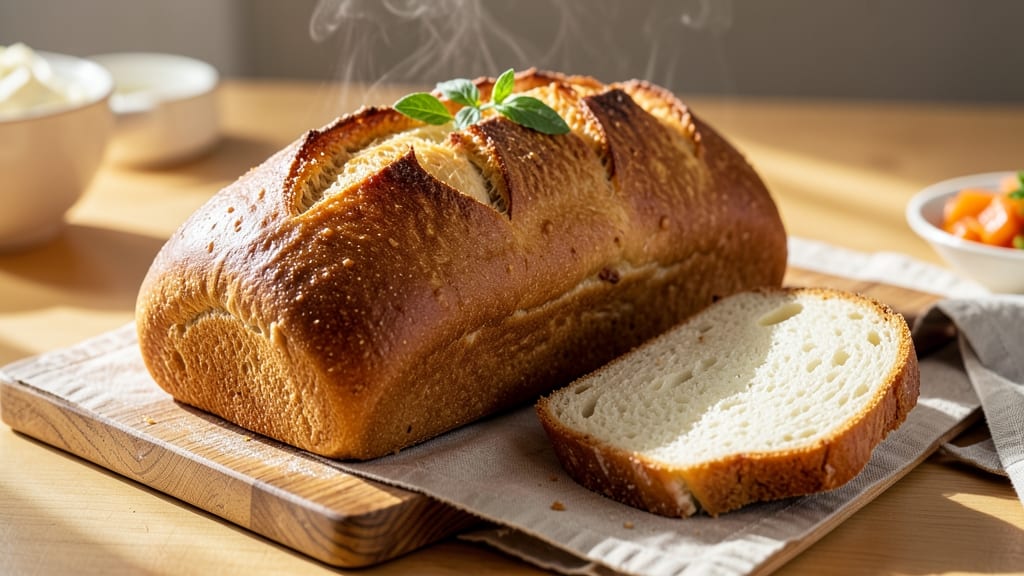
This Albany white bread recipe delivers the signature soft, pillowy loaf with its signature vanilla sweetness—perfect for sandwiches or toast. 💛 The secret lies in the precise dough development and gentle baking process that creates that iconic tender crumb and subtle vanilla flavor.
I've perfected this recipe over years of baking, ensuring every slice has that melt-in-your-mouth quality.
The dough combines simple ingredients—flour, water, yeast, salt, and vanilla extract—to create a texture that's both delicate and sturdy. What makes this recipe special is the controlled kneading and proofing process, which develops gluten without overworking the dough.
This careful handling results in that signature Albany bread texture that's neither too dense nor too airy.
By the time you pull it from the oven, you'll have a loaf with a soft, slightly domed top and a tender crumb that's perfect for slicing. The vanilla infuses throughout, adding just enough sweetness to complement any butter or jam.
This bread stays fresh for days, making it ideal for meal prep or gifting.
Whether you're making it for a family dinner or a special occasion, this recipe delivers professional-quality results at home. The process is straightforward once you understand the key techniques, and the reward is a loaf that tastes like a bakery favorite. Let's get started on this classic recipe.
Ingredients for albany white bread
Simple pantry staples transform into a bakery-style loaf with this classic Albany white bread recipe.
| Ingredient | Amount | Notes |
|---|---|---|
| All-Purpose Flour 🌾 | 4 ½ cups | Spooned and leveled, not packed |
| Active Dry Yeast 🍞 | 2 ¼ tsp | Fresh yeast if preferred |
| Granulated Sugar 🍚 | ¼ cup | For yeast activation |
| Unsalted Butter 🧈 | ¼ cup | Softened, not melted |
| Vanilla Extract 🍯 | 1 tbsp | Pure vanilla extract preferred |
| Large Egg 🥚 | 1 whole | Room temperature |
| Warm Water 💧 | 1 ¼ cups | 110°F, not boiling |
| Salt 🧂 | 1 ½ tsp | Kosher or sea salt |
| Milk 🥛 | ¼ cup | Warm, for dough tenderness |
| Vegetable Oil 🫒 | 1 tbsp | For greasing bowl |
| Cornmeal 🌽 | ¼ cup | For dusting baking sheet |
The flour is your foundation—King Arthur or Gold Medal are my go-tos for that signature tender crumb. Yeast is everything here, so check the expiration date—old yeast won't activate properly. For the butter, Land O'Lakes unsalted is reliable, but any brand works as long as it's softened. The vanilla extract? Pure, not imitation—this is where the subtle sweetness comes from. Warm water is key: it should feel like bathwater, not scalding. If your kitchen's cold, microwave the water for 30 seconds to hit that perfect temp.
No vanilla extract? Vanilla bean paste or even a pinch of vanilla sugar works in a pinch. Short on butter? Olive oil or melted coconut oil keeps the dough tender, though the flavor won't be identical. Using active dry yeast instead of fresh? Double the amount—it's less potent. The milk adds richness, but any milk works—dairy, almond, or even coconut. Just make sure it's warm. For the egg, room temperature is ideal, but cold egg works if you're in a rush—just let the dough rest longer. And if you're gluten-sensitive, substitute a gluten-free 1:1 flour blend—just know the texture won't be identical.
This dough is a diva about temperature—let it rise in a warm spot, like near the oven with the light on. The second rise? Room temp is perfect—no need for a warm oven. Once baked, let it cool completely before slicing—patience here prevents gummy bread. Store wrapped at room temp for 2-3 days or freeze for up to 3 months. For extra freshness, pop a slice in the toaster—crispy edges are mandatory. And if you make a double batch? Gift it—everyone will ask for seconds.
Why You'll Love This Recipe
- No-Knead Magic: The dough comes together in minutes—just mix, let it rise, and bake. I swear, I’ve made this while scrolling through my phone. That vanilla butter swirl? Pure lazy-day genius.
- Buttery Vanilla Dream: The warm, custardy vanilla butter folded into the crumb? It’s like a hug in bread form. Honestly, the first slice makes me pause mid-bite—too good.
- Breakfast to Picnic: Toast it for morning, pack it for lunch, or serve it with soup—this bread handles everything. My kids ask for it cold in their lunches, and I never say no.
- Budget-Friendly Staple: Five ingredients, zero guilt. A single batch stretches for days, and the yeast does all the work. Between us, this is how I feed my family without breaking the bank.
Step-by-step instructions for Albany white bread
This soft, pillowy loaf comes together with simple steps and a touch of vanilla magic.
👨🍳 Step 1: Activate the Yeast and Mix Wet Ingredients
In a small bowl, combine the 1.25 cups warm water (about 110°F) with the 0.25 cup granulated sugar and 2.25 tsp active dry yeast. Let it sit for 5-10 minutes until frothy—this means your yeast is alive and ready to work. If it doesn't bubble, your yeast might be dead, and you'll need to start over.
In a separate large bowl, whisk together the 1 whole large egg, 0.25 cup milk, 1 tbsp vanilla extract, and 0.25 cup softened unsalted butter. The mixture should be smooth and slightly thick. I like to use a fork for this step—it's simple and gets the job done without overmixing.
👨🍳 Step 2: Combine Wet and Dry Ingredients
Pour the yeast mixture and the egg mixture into the bowl with the dry ingredients. Add the 4.5 cups all-purpose flour and 1.5 tsp salt and gently mix with a wooden spoon or dough whisk until just combined. You'll see some dry spots, and that's okay—we're not making a smooth batter here.
Once the flour is mostly incorporated, add the 1 tbsp vegetable oil and mix again until the dough starts to come together. At this point, it's time to get your hands involved. Turn the dough out onto a lightly floured surface and knead for 8-10 minutes until smooth and elastic.
🔪 Step 3: Knead and Let the Dough Rise
Kneading by hand is the best way to develop gluten properly. Press down on the dough, fold it over, and rotate the dough ball as you knead. You'll know it's ready when it springs back slowly when poked and feels smooth. If the dough sticks to your hands, add a little more flour, but don't overdo it—too much flour makes for a dry loaf.
Place the dough in a lightly greased bowl, cover it with a damp towel, and let it rise in a warm place for 1-2 hours or until it has doubled in size. I like to place my bowl near the oven with the light on—it creates a warm, cozy environment that helps the dough rise faster. Poke the dough with your finger; if it springs back slowly, it's ready for the next step.
🔥 Step 4: Shape and Bake the Loaf
Punch down the dough to release any air bubbles, then shape it into a loaf by rolling it into a log. Place it seam-side down in a greased 9x5-inch loaf pan. Sprinkle the 0.25 cup cornmeal evenly over the top of the dough—this prevents sticking and adds a nice texture to the crust.
Cover the pan with a damp towel and let the dough rise again for 30-45 minutes until it's puffy and just about ready to overflow the pan. Preheat your oven to 375°F while the dough rises. Once the oven is hot, bake the loaf for 30-35 minutes until it's golden brown and sounds hollow when tapped on the bottom.
⏰ Step 5: Cool and Slice for Maximum Softness
Remove the loaf from the pan and place it on a wire rack to cool completely. I know it's tempting to slice into that warm, fragrant bread, but resist! Letting it cool for at least 1 hour ensures a clean slice every time. The bread will be soft and pillowy, with a delicate vanilla sweetness that makes it perfect for sandwiches or toast.
Slice the loaf into 1-inch thick pieces and serve warm. The texture should be soft and tender, with a slightly crisp crust that gives way to the pillowy interior. Store any leftovers in an airtight container at room temperature for up to 3 days, or freeze for up to 3 months for fresh bread anytime you need it.
Pro Tips For Making Albany White Bread
- Use Warm Milk: Albany white bread relies on that buttery, tender crumb, and warm milk (about 110°F) activates the yeast faster than cold. I used to just grab milk straight from the fridge—don’t. Even a quick microwave zap (30 seconds) makes a real difference in how quickly your dough rises.
- Knead Until Silky: This isn’t about brute force—it’s about smoothness. Test by stretching a small piece: if it springs back slowly and doesn’t tear, you’re there. I learned this the hard way by over-kneading and ending up with a dense loaf. Aim for 8-10 minutes by hand or 5-6 on a stand mixer with the dough hook.
- Salt the Water: The dough already has sugar and butter, so don’t skimp on the salt in the water (about 1 tsp per cup). It balances the sweetness and cuts through the richness—trust me, your bread will taste flatter without it. (Yes, even if you’re using unsalted butter.)
- Shape Like a Ball: Albany white bread shines when it’s tight and round. After the first rise, punch down the dough and shape it into a smooth, taut ball—no loose edges. Roll it on your work surface to seal the seams, or it’ll collapse during baking. (I used to slap it into a loaf pan half-formed—bad move.)
Flavor customization for this albany white bread
Vanilla Variations
Swap the vanilla extract for 1 teaspoon vanilla bean paste for deeper flavor and flecks of vanilla seeds throughout each slice. For a subtler touch, use ½ teaspoon vanilla sugar (vanilla-infused sugar) mixed into the dry ingredients.
I also love adding ½ teaspoon almond extract for a nutty twist that pairs beautifully with the butter. 🍯
Sweet Additions
Enhance the sweetness with 1 tablespoon honey or maple syrup mixed into the wet ingredients. For a cinnamon-vanilla fusion, add ½ teaspoon ground cinnamon to the dough. A pinch of cardamom (about ¼ teaspoon) adds warmth, while orange zest (from 1 small orange) brightens the flavor profile.
These additions keep the bread tender while adding layers of complexity.
Savory Twists
For a savory version, replace the vanilla extract with 1 teaspoon garlic powder and ½ teaspoon onion powder. Add ¼ teaspoon smoked paprika for depth, and reduce the sugar to 1 tablespoon.
This version works perfectly for grilled cheese sandwiches or as a side for soups. The crust stays soft, but the flavor becomes heartier and more versatile. 🧄
Gluten-Free Adaptation
Use a 1:1 gluten-free all-purpose flour blend like Bob's Red Mill or King Arthur, but increase the water by 2 tablespoons to account for dryness. Replace the vanilla extract with 1 teaspoon vanilla powder (available at specialty stores) for better flavor distribution.
The texture won’t be identical, but it’s still soft and delicious. For extra tenderness, add 1 tablespoon ground flaxseed mixed with 3 tablespoons water to replace the egg.
Herbal Infusions
Add fresh herbs like 1 tablespoon chopped rosemary or thyme to the dough for an aromatic twist. For a floral note, mix in ½ teaspoon dried lavender buds (culinary-grade only) with the salt.
These additions work best when paired with the vanilla—think of it as a sophisticated herb-butter pairing in bread form. The herbs infuse subtly, enhancing rather than overpowering the bread’s signature softness.
Nutrition facts
Frequently asked questions
Why does Albany white bread have vanilla?
The vanilla extract adds subtle sweetness and depth that makes this bread uniquely comforting. Unlike plain white bread, the vanilla enhances the buttery richness while keeping the flavor balanced. It's what gives Albany bread its signature warmth and makes it perfect for toast or sandwiches.
Can I make this bread without a loaf pan?
Yes! Shape the dough into a round boule or oval instead of a log. Place it on a parchment-lined baking sheet, sprinkle with cornmeal, and bake at 375°F for 25-30 minutes. The crust will be slightly crispier, but the interior will remain soft and pillowy. Just reduce baking time by 5 minutes compared to the pan version.
What if my dough doesn't rise properly?
Check your yeast first—it must be fresh and activated in warm water. If it didn't bubble, try again with new yeast. Keep your kitchen warm (75°F+) and use a damp towel to cover the dough. If the first rise fails, let it rest for 10 minutes, then try again. Cold environments or old yeast are the most common culprits.
How do I store leftovers to keep them soft?
Wrap the cooled loaf tightly in plastic wrap or aluminum foil and store at room temperature for 2-3 days. For longer storage, slice and freeze individual portions. To revive, toast slices in a toaster or warm in a 300°F oven for 5-10 minutes. Never refrigerate—it makes bread dry out faster.
Can I substitute butter with oil?
Yes, but expect slightly different texture. Replace the 0.25 cup butter with 0.25 cup melted coconut oil or vegetable oil. The bread will still be soft, but the flavor will be more neutral. For best results, use butter—it's what gives Albany bread its signature richness. If you're avoiding dairy, olive oil works too, though it has a distinct taste.