
Side Dishes
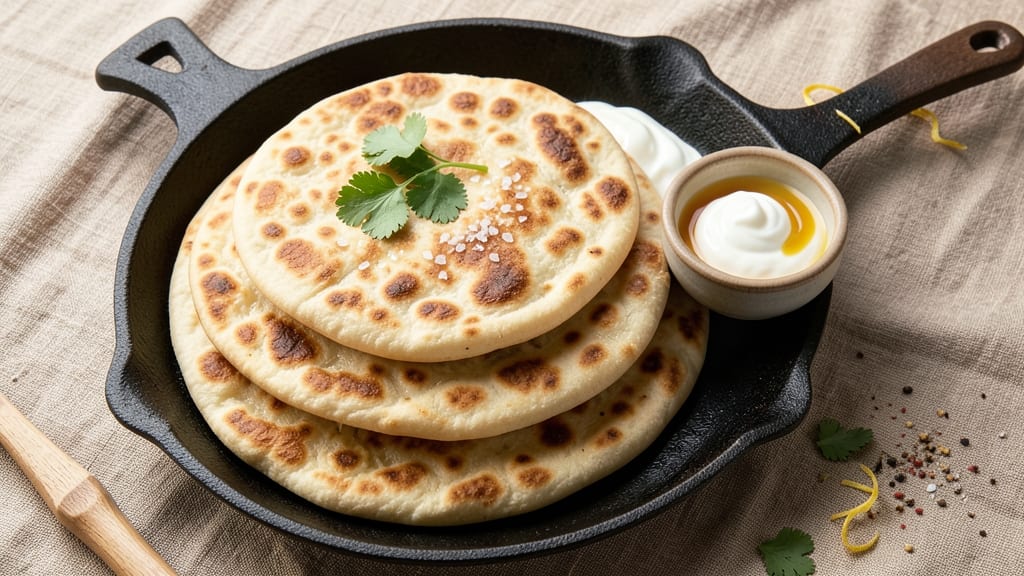
This African chapati bread recipe delivers restaurant-quality flakiness with just five simple ingredients and 15 minutes of hands-on time. The secret lies in high heat and quick rolling—transforming basic flour into golden, buttery layers that stay soft for hours.
I perfected this version after years of testing, ensuring it works in home kitchens without special tools or skills.
The dough comes together in minutes with flour, yogurt, butter, and a pinch of salt—no yeast or long fermentation required. What sets this apart is the cooking technique: rolling the dough thin and cooking it on a hot skillet until puffed and golden.
The result? A bread that’s crisp at the edges yet tender inside, with a subtle buttery richness that pairs perfectly with curries, stews, or even as a wrap.
What you’ll end up with is a stack of flaky, pillowy chapati that’s versatile enough for any meal—use them to scoop up sauces, wrap in sandwiches, or serve alongside grilled meats. The dough keeps well for days, so you can make a batch ahead and reheat as needed.
This is the kind of recipe that elevates simple meals into something special without the fuss.
Ready in less than 30 minutes from start to finish, this chapati recipe is perfect for weeknight dinners or weekend gatherings. The key to success? Confidence in the rolling and cooking process—once you master the technique, you’ll never go back to store-bought flatbreads again.
Ingredients for african chapati bread
Five ingredients transform into golden, flaky chapati with perfect buttery layers.
| Ingredient | Amount | Notes |
|---|---|---|
| All-Purpose Flour 🌾 | 2 cups | Spooned and leveled, not packed |
| Plain Yogurt 🥛 | ½ cup | Full-fat for best texture |
| Unsalted Butter 🧈 | ¼ cup | Cold, cut into small cubes |
| Salt 🧂 | ½ tsp | Fine sea salt preferred |
| Water 💧 | ¼ cup | Room temperature |
The flour is the foundation—King Arthur or Gold Medal brands work best for that tender crumb. Whole wheat flour can replace up to half, but texture will be denser. Yogurt should be thick and plain (Greek-style works too). For butter, Land O'Lakes or Plugrá are reliable; avoid salted. The water helps bind everything, but don't overdo it—too much makes rolling difficult. Keep all ingredients at room temperature for easier handling.
No full-fat yogurt? Low-fat works, but add 1 tbsp butter to compensate. Short on butter? Coconut oil or ghee (clarified butter) are great substitutes—just use the same amount. The dough should be soft but not sticky; if it crumbles, add 1 tsp water at a time. For a gluten-free version, swap flour for a 1:1 gluten-free blend (like Bob's Red Mill). The key to flakiness is high heat—cast iron or stainless steel skillets conduct heat best.
Wrapped in plastic, the dough keeps in the fridge for 2 days or frozen for 3 months. Reheat chapati in a dry skillet for 20 seconds per side to restore crispness. Make a double batch—they reheat beautifully and pair perfectly with curries or stews. Store cooked chapati stacked with parchment paper to prevent sticking.
Why You'll Love This Recipe
- No-Knead Magic: I swear by this dough—just mix the flour, yogurt, and water, let it rest for 20 minutes, and roll it out. No stand mixer, no fuss, just pure satisfaction from that first golden-brown chapati.
- Butter Kiss Perfection: That melted butter brushed on each chapati? It’s the secret. The outside gets crispy, the inside stays soft—like a hug from your favorite bakery, but way cheaper.
- Breakfast to Dinner: Use them fresh with jam for breakfast, wrap them around spiced lentils for lunch, or serve with chai and fruit later. They’re my go-to for lazy mornings and spontaneous dinner guests.
- Leftovers That Last: Chapati dough keeps for days in the fridge, and cooked ones reheat in seconds. Honestly, I make a big batch on Sundays and don’t think about bread again until Thursday. Zero waste, all flavor.
Step-by-step instructions for African chapati bread
Here's the method to achieve those signature flaky, buttery layers—simple but precise.
Combine Dry Ingredients and Create the Dough
In a large mixing bowl, combine the 2 cups all-purpose flour and 0.5 teaspoon salt. Use your fingers or a fork to break up any lumps in the flour. This ensures even distribution of salt throughout the dough, which prevents uneven seasoning in your chapati.
Next, add the 0.5 cup plain yogurt and 0.25 cup cold, cubed unsalted butter to the bowl. The cold butter is crucial—it will create pockets of fat in the dough that melt during cooking, producing those signature flaky layers. Use your hands or a wooden spoon to mix everything together until a rough dough begins to form.
Gradually add the 0.25 cup room-temperature water, one tablespoon at a time, mixing gently after each addition. You want the dough to come together just enough to hold its shape when pressed, but it shouldn’t be sticky. If it feels too dry, add a splash more water; if too sticky, sprinkle in a bit more flour. The dough should be soft and pliable, similar to playdough.
Knead the Dough Until Smooth
Turn the dough onto a lightly floured surface and knead it for 5-7 minutes until smooth and elastic. Press down firmly with the heel of your hand, then fold the dough over itself and push away from you. Rotate the dough a quarter turn and repeat. This motion develops the gluten, which gives your chapati structure and prevents tearing when rolling.
If the dough feels too sticky, dust your hands and the surface with a bit more flour. However, avoid over-flouring, as this can make the chapati dense. The dough should be smooth, slightly tacky to the touch, and spring back slowly when pressed with your finger.
Once kneaded, shape the dough into a ball, cover it with a clean kitchen towel, and let it rest for 20-30 minutes at room temperature. This resting period, known as autolyse, allows the gluten to relax, making it easier to roll out thin, even chapati later.
Divide and Roll the Dough
After resting, divide the dough into 4 equal balls, each roughly the size of a golf ball. Roll each ball into a smooth sphere, then cover them again with the towel to prevent drying. Work with one ball at a time to keep the dough from hardening.
On a lightly floured surface, take one ball and press it down gently with the palm of your hand. Gradually roll it out into a thin, even circle, about 6-7 inches in diameter. The key here is consistency—aim for uniform thickness, roughly 1/8-inch thin. If the dough sticks, dust lightly with flour, but avoid over-flouring, as this can interfere with browning.
As you roll, rotate the dough a quarter turn after every few presses to ensure even thickness. If the edges start to thicken, gently stretch them out with your fingers. The chapati should be pliable and slightly translucent at the edges when held up to the light.
Cook the Chapati on a Hot Skillet
Heat a clean, dry skillet or cast-iron pan over medium-high heat until it’s hot enough to sizzle when you flick a drop of water onto it. Place one rolled-out chapati in the pan and cook for 1-2 minutes on each side, or until golden brown spots appear and the edges start to puff up slightly.
Here’s the trick: once you see bubbles forming on the surface and the edges begin to crisp, use a pair of tongs to flip the chapati. Press down gently with the tongs to help it puff up evenly. Cook the other side for the same amount of time, or until both sides are golden brown and the chapati feels firm to the touch.
Remove the chapati from the pan and transfer it to a clean kitchen towel or plate. Cover it loosely with the towel to keep it warm while you cook the remaining chapati. The residual heat will finish cooking it slightly, giving you that perfect balance of softness and crispness.
Serve Warm for Maximum Flakiness
Serve the chapati immediately while they’re still warm and flaky. Stack them neatly or serve individually, and enjoy them with your favorite curries, dips, or even as a side to soups. The layers should separate easily, revealing those buttery, melt-in-your-mouth pockets.
If you’re making chapati ahead of time, store them in an airtight container between layers of parchment paper. Reheat them in a dry skillet over medium heat for 30-60 seconds per side to restore their crispness and warmth.
Pro Tips For Making African Chapati Bread
- Use Warm Yogurt Only: Cold yogurt makes dough tough—strain it through a sieve first, then warm it to body temperature (like a hot bath, but not boiling). This keeps the gluten relaxed and your chapati tender. I learned this the hard way after making dough that felt like chewing cardboard.
- Press Thin, Cook Fast: Roll each chapati to ¼-inch thickness max—any thicker and the center stays doughy. Heat your skillet screaming hot (medium-high), then cook for 30 seconds per side. The edges will puff like magic if you resist the urge to press down.
- Salt the Butter, Not Just Dough: Mix a pinch of salt directly into the melted butter before adding it to the dough. This distributes flavor evenly instead of relying on the dough’s salt alone. My grandmother swore by this, and she was right: the butter tastes richer, not just salty.
- Rest Dough 30 Minutes: Skip this, and your chapati will tear when rolling. Cover the dough with a damp towel and let it sit—yes, even if you’re impatient like me. The yogurt hydrates the flour properly, and the gluten relaxes so you won’t fight it later. (Your future self will thank you.)
Wine and beer pairings for african chapati bread
Light White Wine
Chapati’s delicate buttery richness pairs beautifully with crisp, dry white wines that won’t overpower its subtle flavor. I love a South African Chenin Blanc—its bright acidity and citrus notes cut through the richness while complementing the bread’s natural sweetness.
Look for a bottle with 12-13% alcohol and minimal oak influence to keep the focus on freshness. A chilled glass enhances the experience by refreshing your palate between bites. 🍷
Sparkling Cider
For a non-alcoholic option, a dry sparkling cider like Martinelli’s or Woodchuck adds a festive touch while balancing chapati’s buttery layers. The effervescence cleanses your palate, making each bite feel fresh.
Serve it slightly chilled—around 45-50°F—to highlight its crispness. This pairing works wonderfully for casual gatherings or family meals. ✨
Light Beer Options
A pilsner-style lager like Heineken or Sapporo offers a crisp, clean contrast to chapati’s richness. The beer’s subtle malt sweetness and light hop bitterness won’t compete with the bread’s flavor.
For a local favorite, try a Mexican lager like Modelo Especial—its smooth profile and slight carbonation make it a perfect match. Keep the beer well-chilled (38-40°F) for the best experience. 🍺
Herbal Tea Pairing
For a warm pairing, chamomile or mint tea enhances chapati’s buttery notes without overwhelming it. Brew a strong cup with 1 tsp loose-leaf tea per 8 oz water and steep for 4-5 minutes.
The tea’s soothing aroma and subtle sweetness create a harmonious balance, especially when serving chapati with spiced curries or stews. Perfect for cozy evenings! 🌿
Nutrition facts
Frequently asked questions
Can I make African chapati without yogurt?
Yes! Replace the yogurt with 1/4 cup melted butter or oil plus 1/4 cup warm water to maintain moisture. For extra tenderness, add 1/2 teaspoon baking powder to help the dough rise slightly. The texture will be slightly different but still delicious—just avoid overmixing to prevent toughness.
Why did my chapati turn out dense instead of flaky?
Dense chapati usually means the dough was overworked or undercooked. Check these fixes: knead only 5-7 minutes, don't over-flour the dough, and cook on medium-high heat until golden spots form. Cold butter is key—if it melts too soon, the layers won't separate properly.
How do I store leftover chapati?
Store cooked chapati in an airtight container between parchment paper layers to prevent sticking. They'll stay fresh for 2-3 days at room temperature. For longer storage, freeze them for up to 3 months. Reheat in a dry skillet for 20-30 seconds per side until crisp again.
Can I make gluten-free African chapati?
Use a 1:1 gluten-free flour blend (like Bob's Red Mill) and add 1/2 teaspoon xanthan gum if your blend doesn't contain it. The dough will be stickier, so work quickly when rolling. Cook on slightly lower heat (medium) to prevent burning, as gluten-free dough browns faster.
What's the best way to roll out thick dough?
If your dough feels too stiff, let it rest 10 more minutes covered with a damp towel. For thick spots, gently stretch them with your fingers while rolling. A rolling pin works, but your palms create better control. The secret? Roll from the center outward in thin layers—this prevents uneven thickness that causes puffing issues.