
Breakfast & Brunch
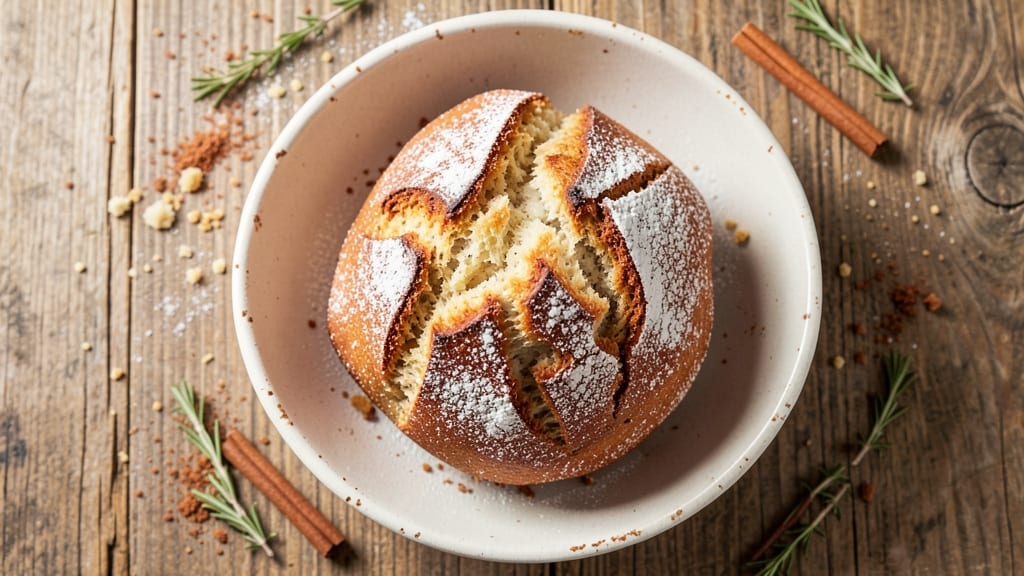
Betty Crocker’s Irish soda bread delivers that classic rustic charm with a tender crumb and buttermilk-infused crust, perfect for a hearty breakfast or cozy snack. This recipe honors tradition while simplifying the process—no yeast, no fuss, just a few staple ingredients that come together in under an hour.
The warm spices and subtle tang create a bread that’s as comforting as it is versatile.
The beauty of this recipe lies in its simplicity: flour, buttermilk, baking soda, and a touch of salt work together to create a bread with a golden crust and a soft, slightly dense interior.
Unlike traditional recipes that require kneading or long fermentation, this version relies on a quick mix-and-bake method, making it ideal for busy mornings. The result? A loaf that’s crisp on the outside and tender within, with just the right amount of spice to satisfy.
What sets this apart is the buttermilk, which adds moisture and a subtle tang that balances the bread’s natural sweetness. The baking soda activates during baking, creating a light, airy texture without yeast’s need for proofing.
Whether you serve it toasted with butter, paired with soup, or enjoyed fresh out of the oven, this bread is a game-changer for any breakfast table.
Best of all, it’s vegetarian-friendly and requires no special equipment—just a bowl, a spoon, and a baking dish. Let’s get started on a loaf that tastes like home.
Ingredients for betty crocker irish soda bread
Nine simple ingredients transform into rustic Irish soda bread with golden crust and tender crumb.
| Ingredient | Amount | Notes |
|---|---|---|
| All-Purpose Flour 🌾 | 3 ½ cups | White or whole wheat blend |
| Buttermilk 🥛 | 1 ½ cups | Full-fat for best flavor |
| Granulated Sugar 🍚 | ¼ cup | Light brown sugar works too |
| Baking Soda 🧂 | 1 tbsp | Freshly opened for potency |
| Salt 🧂 | 1 tsp | Fine sea salt preferred |
| Ground Cinnamon 🌿 | ½ tsp | Freshly ground for warmth |
| Ground Nutmeg 🌿 | ¼ tsp | Freshly grated nutmeg best |
| Unsalted Butter 🧈 | ½ cup | Cold, cubed for crust |
| Milk 🥛 | ¼ cup | Warmed for butter melting |
| Raisins 🍇 | ½ cup | Optional, chopped if large |
| Coarse Sugar 🍚 | 2 tbsp | For topping before baking |
The flour is the foundation—King Arthur or Bob's Red Mill brands yield the best texture, but any all-purpose works. For that authentic Irish touch, whole wheat flour can replace up to half the white flour, though the crumb will be denser. Buttermilk is non-negotiable; store-bought is fine, but homemade (milk + vinegar) adds extra tang. The baking soda must be fresh—old powder loses lift. If your pantry lacks nutmeg, mace works as a substitute, though the flavor profile shifts slightly. For the butter, Land O'Lakes or Plugrá brands melt beautifully without separating.
No buttermilk? Mix 1 cup milk + 1 tbsp vinegar or lemon juice, let sit 5 minutes. Substituting yogurt works too, but the bread will be slightly denser. Running short on raisins? Chopped dried cranberries or apricots add sweetness without altering the texture. The coarse sugar topping can be skipped entirely, but it creates that signature crunchy crust—worth the extra minute. For a gluten-free version, use a 1:1 GF flour blend like King Arthur Measure for Measure, though the crumb won't be identical. Prefer a sweeter loaf? Add 1 tbsp honey to the dry ingredients.
This bread stays fresh for 3-4 days at room temperature, wrapped in a clean kitchen towel (better than plastic for moisture control). For longer storage, freeze sliced portions in a sealed bag for up to 3 months. Reheat slices in a toaster or oven at 350°F for 5 minutes to restore crispness. The crust hardens as it cools—toast immediately for the best texture. Leftovers? Crumble over oatmeal or yogurt for a quick breakfast boost.
Why You'll Love This Recipe
- No-Knead Magic: I swear by the simplicity—just mix flour, buttermilk, and baking soda, then bake. No rolling, no fuss, and no waiting for dough to rise. Honestly, it’s the kind of recipe that makes me feel like a baking genius without the effort.
- Buttermilk Magic: That tangy buttermilk cuts through the richness of the flour, giving it a bright, almost buttery depth. The sugar just adds a subtle caramel note when it browns, so you don’t even need butter or eggs to make it irresistible.
- Staple for Days: Between us, this bread is my go-to for breakfast, lunch, or even a fancy charcuterie board. Toast it for crispy edges, or serve it warm with jam—it’s that kind of reliable.
- Budget-Friendly Hero: Five ingredients, zero waste. The leftovers stay fresh for days, and I’ve fed a crowd with one loaf. My college-student self would’ve cried happy tears over this.
Step-by-step instructions for Betty Crocker's Irish soda bread
This classic recipe delivers a crisp buttermilk crust and tender spiced interior every time.
Combine Dry Ingredients for Even Distribution
In a large mixing bowl, whisk together the 3.5 cups all-purpose flour, 1 tbsp baking soda, 1 tsp salt, 0.5 tsp ground cinnamon, and 0.25 tsp ground nutmeg. Use a wire whisk to break up any lumps in the flour and ensure all dry ingredients are evenly distributed. This step prevents dense pockets in your bread and ensures consistent spice flavor throughout.
I like to sift the dry ingredients through a fine-mesh sieve into the bowl first—this guarantees no flour clumps remain. The baking soda will react with the buttermilk later, so don't add it prematurely. Set this mixture aside temporarily while you prepare the wet ingredients.
Mix Wet Ingredients and Create the Dough
In a separate medium bowl, combine the 1.5 cups buttermilk, 0.25 cup granulated sugar, 0.5 cup unsalted butter (cold, cubed), and 0.25 cup warmed milk. Use a wooden spoon to stir until the butter melts completely and the mixture reaches a smooth, slightly thickened consistency. The butter should incorporate fully without leaving oily streaks.
Once the wet ingredients are fully blended, pour them into the bowl with the dry ingredients. Add the 0.5 cup raisins (if using) and gently fold them in with a rubber spatula. The dough will be sticky but manageable—don't be tempted to add extra flour at this stage. Overworking the dough develops gluten, which can make the bread dense rather than tender.
Shape and Prepare the Loaf for Baking
Lightly flour a clean work surface and turn out the dough. Gently shape it into a round loaf about 8 inches in diameter, using about 3.5 cups of flour as needed to prevent sticking. Press the dough into a thick disk, then use a sharp knife to cut a deep 1-inch cross into the top. This traditional design creates steam channels during baking and gives the bread its signature appearance.
Place the shaped loaf on a parchment-lined baking sheet. Sprinkle the 2 tbsp coarse sugar evenly over the top and around the edges. This creates a beautiful caramelized crust while adding subtle sweetness. Let the loaf rest for 10 minutes at room temperature before baking—this allows the dough to relax slightly and develop better structure.
Bake Until Golden and Hollow-Sounding
Preheat your oven to 375°F. Bake the loaf for 45-50 minutes until the crust is deep golden brown and the internal temperature reaches 190°F when measured with an instant-read thermometer. The bread should sound hollow when tapped on the bottom—this indicates proper doneness.
Here's the thing—don't open the oven door during the first 30 minutes of baking. The sudden temperature change can cause the bread to collapse. If the top browns too quickly, loosely tent the loaf with aluminum foil after 25 minutes to prevent over-browning while allowing the interior to finish cooking.
Cool and Serve for Maximum Flavor
Remove the bread from the oven and transfer it to a wire rack. Let it cool completely for at least 1 hour before slicing. I know it's tempting to cut into warm bread, but allowing it to cool prevents the crumb from falling apart. The interior should be tender with a slightly moist texture, while the crust remains crisp and buttery.
For best results, store any leftovers wrapped in plastic at room temperature for up to 3 days. This bread actually tastes better the next day as the flavors deepen. When ready to serve, slice with a serrated knife for clean cuts that showcase the tender crumb and buttermilk-infused crust.
Pro Tips For Making Betty Crocker Irish Soda Bread
- STOP MEASURING BY VOLUME: The Betty Crocker recipe uses cups for flour, but soda bread hates that. Spoon the flour into the measuring cup and level it off—don’t scoop directly from the bag. Packed flour changes the ratio, and your bread will either turn out dense or collapse. I learned this the hard way when my first batch came out like a brick.
- CHILL THE DOUGH: Mix the batter, then let it sit covered at room temp for at least 30 minutes before baking. This gives the baking soda time to fully activate and the buttermilk to mingle with the flour. Skip this, and your bread might rise too fast in the oven, cracking weirdly or staying gummy inside. (Yes, even if you’re impatient like me.)
- BAKE UNTIL COOL: The recipe says to bake 35–40 minutes, but that’s just a starting point. Tap the bottom—it should sound hollow, not muffled. If you pull it out too soon, the center stays doughy; leave it in too long, and the crust turns tough. A toothpick test works too, but don’t rely on it alone—this bread’s dense.
- SWAP THE SUGAR: Granulated sugar works, but light brown sugar adds depth and a subtle caramel note. Use the same amount, but toss in a pinch of cinnamon if you’re feeling fancy. The texture stays the same, but the flavor jumps from "basic" to "worth making again." (I was skeptical until I tried it.)
Regional styles of this dish
Classic Irish Rustic
This is the traditional approach you’ll find in Irish pubs and family kitchens across the Emerald Isle. The key here is using stone-ground whole wheat flour (replace 1 cup of all-purpose flour) for a nuttier flavor and denser crumb.
I like to add 1 tbsp honey to the wet ingredients for extra moisture and a subtle floral note. The bread develops a deep, caramelized crust when baked in a cast-iron skillet—preheat it for 10 minutes at 375°F before adding the dough. 🌾
American Homestyle
Betty Crocker’s original recipe leans into the cozy, buttery American take on Irish soda bread. Here, you’ll focus on white all-purpose flour for a lighter texture and a buttery crust that’s almost like a cross between bread and shortbread.
For an extra touch, I brush the baked loaf with melted butter while still warm—this creates a golden, crackly exterior. Serve with clotted cream or peanut butter for a distinctly American twist.
Spiced Rum Variation
For a festive holiday version, swap 1 tbsp of the milk for 1 tbsp dark rum (like Kahlúa or Captain Morgan). The alcohol burns off during baking, leaving behind warm, boozy notes that pair perfectly with mulled wine or eggnog.
I also add ½ tsp ground cardamom to the dry ingredients for a Scandinavian-Irish fusion. This version is especially popular during St. Patrick’s Day celebrations. 🥃
Savory Herb Twist
Skip the sugar entirely and infuse the dough with 2 tbsp finely chopped fresh rosemary and 1 tbsp chopped thyme instead. Replace the raisins with ½ cup crumbled feta cheese for a Mediterranean-inspired soda bread.
This savory version is fantastic with olive oil and balsamic vinegar for dipping or paired with grilled lamb chops. The herb notes brighten the buttermilk’s tang beautifully.
Gluten-Free Adaptation
For a gluten-free version, use a 1:1 gluten-free flour blend (like King Arthur Measure for Measure) and reduce the buttermilk by ¼ cup—GF flours absorb more liquid. Add ½ tsp xanthan gum to the dry ingredients to improve structure.
The texture won’t be identical, but it’s still tender and flavorful. I find baking at 350°F for 50-55 minutes works best to prevent over-browning. 🌱
No-Bake Quick Version
For a last-minute option, mix the dry ingredients with 1 cup buttermilk, ½ cup melted butter, and 1 egg (instead of shaping). Pour into a greased 8x8-inch baking dish, sprinkle with coarse sugar, and bake at 350°F for 30-35 minutes.
This creates a cake-like loaf that’s perfect for breakfast bars or picnic sandwiches. It’s less rustic but just as delicious when you’re short on time.
Nutrition facts
Frequently asked questions
Why does Irish soda bread have a cross on top?
The traditional cross serves both practical and symbolic purposes. The cuts create steam channels that help the bread bake evenly and develop that signature crust. Historically, it also represents protection—Irish bakers would leave a loaf outside their door to bless their home and ward off evil spirits.
Can I make this bread without buttermilk?
Mix 1 cup milk + 1 tablespoon vinegar or lemon juice, let sit for 5 minutes until slightly thickened. For a richer flavor, use Greek yogurt (thinned with milk if too thick) or sour cream. The tang is essential for that classic soda bread flavor, though the texture will be slightly denser.
What's the best way to store leftover soda bread?
Wrap cooled slices in a clean kitchen towel (better than plastic) and store at room temperature for up to 3 days. For longer storage, freeze slices in a sealed bag for 3 months. To revive stale bread, warm slices in a toaster or oven at 350°F for 5 minutes. The crust hardens as it cools—always toast fresh slices for maximum crispness.
Why did my soda bread turn out dense instead of tender?
Overmixing develops gluten, making the bread tough. Stir just until combined—stop when flour disappears. Also check your baking soda (must be fresh) and buttermilk (should be tangy but not soured). If your oven runs hot, reduce temperature to 350°F or tent with foil after 25 minutes to prevent over-browning before the center cooks.
Can I add other mix-ins besides raisins?
Try chopped dried cranberries, apricots, or candied citrus peel for sweetness. For savory versions, fold in crumbled feta, sun-dried tomatoes, or fresh herbs (like rosemary or thyme). Keep mix-ins to ½ cup total—too much can make the bread gummy. Distribute evenly for balanced flavor in every bite.