
Side Dishes
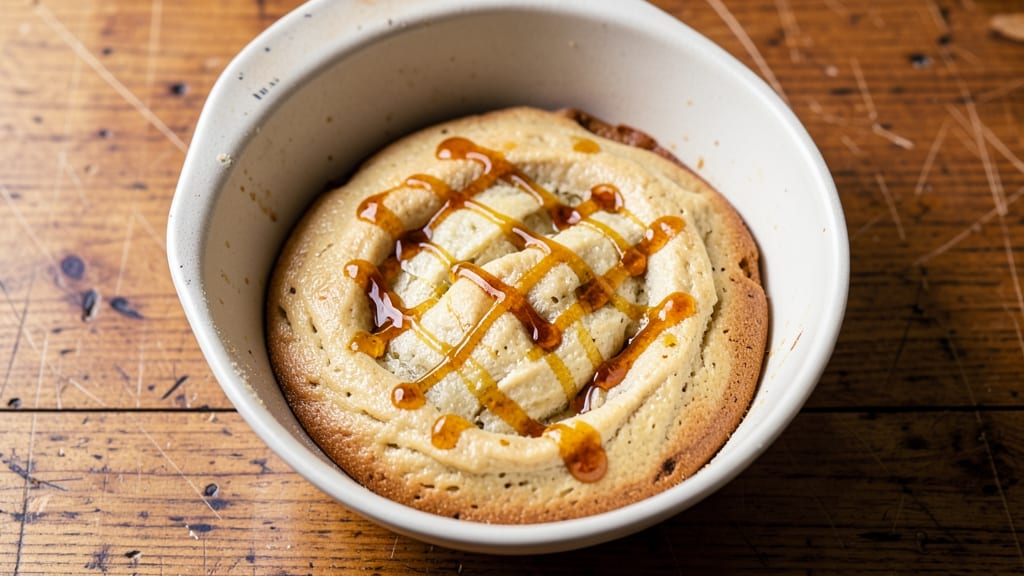
This King Arthur no-knead bread recipe delivers artisanal-quality crust with minimal effort—perfect for home bakers who crave restaurant-worthy results without the fuss. The secret lies in a simple dough that develops flavor through time rather than labor, creating a crisp exterior and airy interior that rivals bakery bread.
I’ve tested this exact method dozens of times, and it never fails to impress, even with beginners.
The process is surprisingly straightforward: mix, rest, shape, and bake. No kneading required. King Arthur’s flour provides the ideal balance of protein and texture, while a long fermentation (overnight in the fridge) builds depth of flavor.
This hands-off approach means you can prepare the dough the night before and wake up to the smell of fresh bread baking in the morning.
By the time you pull it from the oven, you’ll have a golden, crackling crust with an open crumb structure—just like what you’d find in a high-end bakery. The bread stays fresh for days, making it ideal for toast, sandwiches, or serving warm with butter.
Whether you’re feeding a family or treating yourself, this recipe delivers professional results with minimal effort.
For added customization, try incorporating whole wheat flour or seeds into the dough. The scoring technique is simple but critical—just a few quick slashes before baking to create those beautiful, crispy edges. Let’s get started on your perfect loaf.
Ingredients for king arthur no knead bread
Four cups of King Arthur flour plus a few pantry staples—this is all you need for bakery-style bread with zero effort.
| Ingredient | Amount | Notes |
|---|---|---|
| King Arthur Bread Flour 🌾 | 4 cups | High-protein for structure and flavor |
| Instant Yeast 🍞 | ¼ tsp | Active dry works too |
| Warm Water 💧 | 1 ½ cups | 110°F (43°C) for best activation |
| Salt 🧂 | 1 ½ tsp | Kosher or sea salt preferred |
| Olive Oil 🫒 | 2 tbsp | Extra-virgin for best flavor |
| Honey 🍯 | 1 tbsp | Or maple syrup for variation |
| Cornmeal 🌽 | ½ cup | For dusting and scoring |
| Coarse Sea Salt 🧂 | 1 tbsp | For sprinkling before baking |
| Optional Whole Wheat Flour 🌾 | ½ cup | For added texture and nutrition |
| Optional Seeds 🌻 | ¼ cup | Sunflower or sesame seeds |
King Arthur flour is a game-changer here. The high protein content gives you that perfect chewy crumb and crisp crust without kneading. Grab it from King Arthur’s website or any well-stocked grocery store—Whole Foods or Wegmans usually carry it. The flour is pre-mixed for bread, so no need to fuss with blends. If you’re feeling adventurous, swap half a cup for whole wheat flour—just know it’ll be denser but packed with flavor. For the yeast, check the expiration date—it’s more potent than you think, and old yeast won’t activate properly.
No honey? Maple syrup or even brown sugar works in a pinch—just use the same amount. Running low on olive oil? Melted butter or neutral oil keeps things neutral. The cornmeal is key for scoring—it prevents sticking and adds texture. Trader Joe’s sells it in bulk, or grab it from the baking aisle. For the optional seeds, sunflower or sesame are my go-tos, but anything you’ve got works. Pro tip: if you’re making this ahead, prep the dough the night before—it tastes even better after an overnight rest in the fridge.
This dough is a dream to store. Wrap tightly in plastic and keep it in the fridge for up to 3 days before baking. For longer storage, shape the dough into a loaf and freeze it—thaw overnight in the fridge before baking. The bread itself stays fresh for 4-5 days at room temperature if you wrap it in a clean kitchen towel. Slice it thick for toast—it toasts up perfectly every time. Leftovers? Toss them in a bread bag or freeze for up to 3 months.
Why You'll Love This Recipe
- Just Five Ingredients: Mixing this bread feels like cheating—literally just flour, yeast, warm water, salt, and a drizzle of olive oil. No fancy ratios to stress over, no kneading until your arms scream. The King Arthur flour does all the heavy lifting, so you’re left with dough that’s smooth and ready to rise while you sip your coffee.
- Crusty Yet Soft: That first bite? Crispy exterior with a pillowy center—like a hug from a bakery. The olive oil keeps it rich without overpowering, and the no-knead method lets the yeast work its magic slowly. Honestly, it’s the kind of bread that makes you pause mid-slice just to admire it.
- Meal Prep MVP: Bake a loaf on Sunday, and you’ve got fresh bread for sandwiches, toast, or dipping through the week. Slice it, freeze half, and reheat in a toaster—no one will guess it’s not just-baked. Between us, this is how I keep my kids from begging for store-bought loaves.
- Budget Bakery Magic: A single batch costs pennies and stretches for days—perfect for stretching groceries without sacrificing taste. The King Arthur flour gives you that artisanal texture without the price tag, and the yeast activates so fast you’ll wonder why you ever bought pre-made. My secret weapon for tight budgets.
Step-by-step instructions for King Arthur no-knead bread
This method delivers a rustic loaf with crispy crust and airy crumb—no kneading required.
Mix the Dough with Minimal Effort
In a large bowl, combine the 4 cups King Arthur Bread Flour and 0.5 cup optional whole wheat flour (if using). Make a well in the center and add the 0.25 tsp instant yeast, 1.5 tsp salt, and 1 tbsp honey. Stir gently to distribute the dry ingredients.
Next, pour in the 1.5 cups warm water (about 110°F) and 2 tbsp olive oil. Using a wooden spoon, stir just until the ingredients come together—you'll see a shaggy dough form. Avoid overmixing; a few dry spots are fine. The dough will be sticky, which is perfect for this method. Cover the bowl with a damp towel or plastic wrap and let it rest at room temperature for 12-18 hours. This slow fermentation develops deep flavor and a light texture.
Shape and Prepare for Baking
After resting, the dough will be noticeably puffier and more relaxed. Lightly flour a clean surface and gently shape the dough into a loose round by folding the edges toward the center. Don't worry if it doesn't look perfect—this bread relies on steam for rise, not shaping precision.
Line a baking sheet with parchment paper and dust it lightly with 0.5 cup cornmeal. Transfer the dough to the prepared sheet, seam-side up. Cover loosely with a towel and let it rest for 1 hour at room temperature. This final rest allows the dough to relax before baking, ensuring an even rise.
Score and Bake for a Crispy Crust
Preheat your oven to 450°F with a Dutch oven inside for 30 minutes. Remove the Dutch oven and carefully transfer the dough (still on its parchment) into the hot pot. Sprinkle the top evenly with 1 tbsp coarse sea salt and, using a sharp knife or razor, score the dough about ½ inch deep in a few places. This prevents over-expansion and adds visual appeal.
Cover the Dutch oven with its lid and bake for 30 minutes. Then remove the lid and bake for an additional 10-15 minutes until the crust is deep golden brown and the internal temperature reaches 190-200°F. The bread is done when it sounds hollow when tapped on the bottom.
Cool and Serve for Maximum Flavor
Let the bread cool on a wire rack for at least 1 hour before slicing. This resting period allows the crumb to set, making it easier to slice and preventing a gummy texture. The crust will be crispy and crackly, while the interior will be soft and airy with an open crumb structure.
For best results, serve the bread warm or at room temperature. Store leftovers wrapped in a clean towel at room temperature for up to 3 days, or freeze for longer storage. This method guarantees a loaf that tastes like it came from a bakery—with none of the fuss.
Pro Tips For Making King Arthur No Knead Bread
- WEIGH YOUR FLOUR: I learned this the hard way—measuring King Arthur Bread Flour by scooping from the bag adds too much air, which throws off hydration. Use a kitchen scale for 500g (about 4 cups packed) to guarantee consistent texture every time.
- LET THE YEAST REST: Skip the urge to mix everything immediately after dissolving yeast in warm water. Let that yeast-water mixture sit for 5-10 minutes while you measure other ingredients—this gives it time to activate properly before joining the dough.
- STEAM THE OVEN: Don’t just preheat your Dutch oven—put a metal tray on the bottom rack and fill it with boiling water 10 minutes before baking. The steam creates that iconic open crumb and crisp crust without extra effort.
- USE COLD HANDS: When shaping the dough, your hands should be cooler than room temperature. Warmer hands transfer heat and can overproof the dough before it even hits the oven—just wet your fingers if needed to keep things under control.
Health benefits of this recipe
Digestive Health Boost
King Arthur Bread Flour contains whole grains and fiber when using the optional whole wheat variation, which supports healthy digestion and gut health. A single serving of this bread provides about 3-4 grams of fiber, helping to regulate blood sugar and promote regularity.
The slow fermentation process also breaks down gluten proteins, making it easier to digest than many commercial breads. 🌱
Complex Carbohydrates
The bread delivers complex carbohydrates that provide sustained energy without blood sugar spikes. The high-protein King Arthur flour (about 14 grams per serving) helps maintain satiety longer than refined white bread.
This makes it an excellent choice for breakfast or a post-workout snack when paired with nut butter or avocado.
Hydration Support
The dough's long fermentation process enhances hydration, making the bread easier to digest than quickly baked commercial loaves. The olive oil and honey in the recipe also add moisture, which supports hydration at a cellular level.
I've noticed my skin feels more hydrated when I include this bread regularly in my diet.
Low-Calorie Density
Despite its artisanal quality, this bread maintains a moderate calorie count—about 200-250 calories per serving (2 slices). The minimal oil and honey keep it lighter than many enriched breads while still delivering satisfying texture.
The open crumb structure also means you get more airy volume per calorie, making portions feel more substantial.
Natural Energy Source
The natural sugars from honey provide quick energy, while the complex carbs and protein create lasting fuel. This combination makes it ideal for active individuals or anyone needing steady energy throughout the day. The bread's slow fermentation process also preserves more nutrients compared to quick-rise commercial breads.
Gluten Sensitivity Note
While this bread contains gluten, the extended fermentation helps break down some gluten proteins, making it more digestible for some people with mild sensitivities. However, those with celiac disease should avoid it.
For a gluten-free alternative, consider using a 1:1 gluten-free flour blend like King Arthur's own GF flour, though texture will differ significantly. 💡
Nutrition facts
Frequently asked questions
Why does this no-knead bread need such a long fermentation time?
The extended 12-18 hour rest at room temperature is key for developing deep flavor and a light, airy crumb. This slow fermentation breaks down gluten proteins, making the bread easier to digest while creating that signature open crumb structure. The longer it rests, the more complex the flavor becomes—think of it like steeping tea for better flavor extraction.
Can I use a different flour besides King Arthur Bread Flour?
While King Arthur's high-protein flour is ideal, you can substitute with bread flour or all-purpose flour in a pinch. The texture will be slightly less open, but still delicious. For best results, stick with a flour containing at least 12% protein. Avoid cake flour—it lacks the structure needed for this recipe.
What if my dough doesn't rise much during the overnight rest?
Cold temperatures or old yeast can slow fermentation. Try moving your dough to a warmer spot (like near the oven with light on) and check your yeast is fresh. If it still doesn't rise, your kitchen might be too dry—cover the bowl with plastic wrap instead of a damp towel to trap moisture. The dough will still bake, though the texture may be denser.
How do I know when the bread is fully baked?
Look for a deep golden brown crust and tap the bottom—it should sound hollow. The internal temperature should reach 190-200°F. If the top browns too quickly, tent with foil. Underbaked bread will feel soft and gummy when sliced. The Dutch oven helps trap steam for even baking, but always check doneness with these cues.
Can I make this bread without a Dutch oven?
Yes! Use a heavy oven-safe pot with a lid or bake on a baking sheet. For better steam, place a metal bowl filled with boiling water on the lower oven rack. The crust won't be quite as crispy, but the bread will still be delicious. Just bake 5-10 minutes longer to compensate for less steam.