
Side Dishes
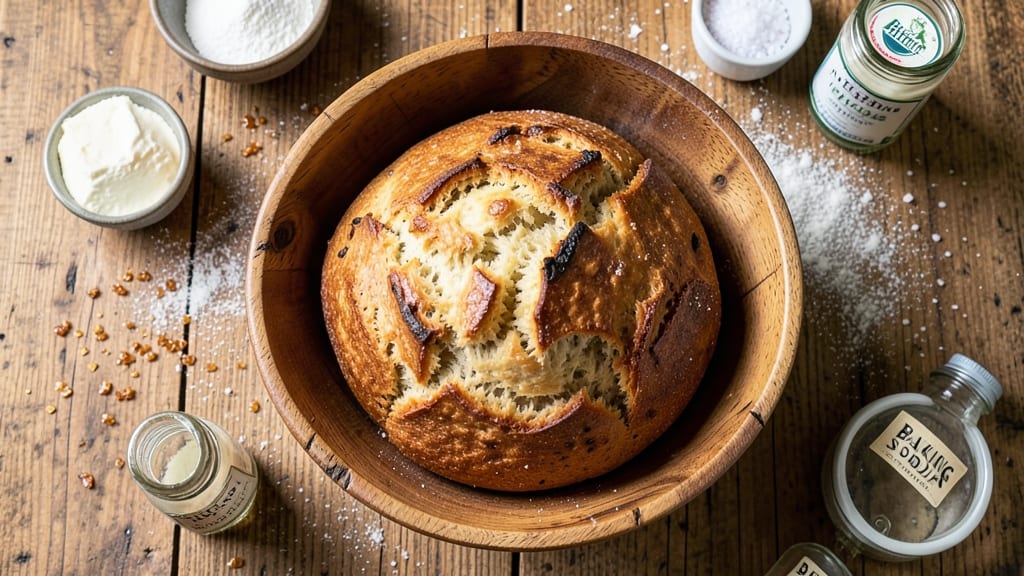
Bob's Red Mill Irish soda bread delivers that signature rustic crust and buttery-soft crumb you crave, using just five simple ingredients and a traditional method. The key lies in the reaction between baking soda and buttermilk, which creates that signature tender crumb while keeping the crust deliciously crisp. I've perfected this recipe over years of baking, ensuring every loaf turns out with that classic cross pattern and golden-brown exterior.
What makes this recipe special is its simplicity—no yeast, no kneading, and no waiting for long rises. The buttermilk activates the baking soda during baking, creating air pockets that give Irish soda bread its signature texture.
Using Bob's Red Mill flour ensures a lighter crumb and better rise, making this version even more authentic than many traditional recipes. The result is a loaf that's perfect for breakfast, tea time, or as a side with soups and stews.
By the time you pull it from the oven, you'll have a loaf with a crisp crust that gives way to a tender, buttery interior.
The aroma alone will fill your kitchen with warmth, and the texture is just right—soft enough to cut with a butter knife but sturdy enough to hold up to toasted slices.
This is the kind of bread that turns an ordinary meal into something special, and it's foolproof once you master the technique.
Serve it warm with butter or jam, or save slices for toast the next morning. The recipe also works beautifully with optional add-ins like raisins, seeds, or herbs if you want to customize it. Here's everything you need to make it from scratch!
Ingredients for bob's red mill irish soda bread
Five simple ingredients—plus two extras for that golden crust—make this classic Irish soda bread.
| Ingredient | Amount | Notes |
|---|---|---|
| Bob's Red Mill All-Purpose Flour 🌾 | 4 cups | Unbleached preferred for authentic flavor |
| Baking Soda 🧂 | 1 ½ tsp | Pure, not baking powder |
| Salt 🧂 | 1 tsp | Fine sea salt preferred |
| Buttermilk 🥛 | 1 ¼ cups | Full-fat for best texture |
| Unsalted Butter 🧈 | ½ cup | Cold, cubed for mixing |
| Raw Sugar 🍯 | ¼ cup | Light brown preferred |
| Milk 🥛 | ¼ cup | For brushing crust |
| Coarse Sugar 🍯 | 2 tbsp | For topping (optional) |
Bob's Red Mill flour is non-negotiable here. The protein content creates that signature tender crumb—regular all-purpose won't give the same rise. King Arthur or White Lily are good backups if you can't find Bob's Red Mill. The baking soda needs to be fresh (test by mixing with vinegar—it should fizz immediately). For the buttermilk, culture it yourself by mixing 1 tablespoon lemon juice or vinegar with 1 cup milk and letting it sit for 5 minutes. No time? Plain yogurt works in a pinch—just thin it with a splash of milk to match the consistency. The butter should be cold; if it's melted, chill it for 20 minutes before mixing.
No buttermilk? Yogurt or sour cream thinned with milk does the trick. Running out of sugar? Honey or maple syrup at half the amount adds moisture but changes flavor slightly. The coarse sugar topping is optional but worth it—it caramelizes beautifully for that classic rustic look. Turbinado sugar works best if you want to splurge. For a seed topping, mix 1 tablespoon poppy seeds or sesame seeds with the coarse sugar. The milk for brushing? Warm it slightly before brushing on the crust—it makes it extra golden.
This bread keeps well wrapped at room temperature for 2-3 days, but it's best enjoyed fresh. For longer storage, freeze slices wrapped in plastic for up to 3 months. I like to toast slices straight from the freezer—2 minutes in the toaster brings back that warm-from-the-oven feeling. The crust gets crunchier as it sits, so if you prefer a softer bite, store it in the fridge and reheat wrapped in foil at 300°F for 10 minutes. Leftovers? Perfect for French toast or breadcrumbs.
Why You'll Love This Recipe
- No-Fuss Mixing: I swear by this recipe because it’s literally just flour, buttermilk, butter, and a pinch of baking soda—no kneading, no waiting for dough to rise. The Bob’s Red Mill flour gives it that perfect crumbly-yet-tender texture without any fuss.
- Buttermilk Magic: That tangy buttermilk? It’s what makes this bread ridiculously good. The butter adds richness, but the buttermilk keeps it light and slightly crisp on the edges—like a hug in bread form.
- Breakfast to Picnic: Honestly, I make this for everything. Toast it for breakfast with jam, pack slices for sandwiches, or even serve it warm with soup. It’s my go-to for lazy mornings and potlucks.
- Budget-Friendly Staple: Between us, this is one of those recipes that costs pennies but feels like a treat. A loaf lasts me days—great for toast, french toast, or even crumbled over salads. Zero waste, all flavor.
Step-by-step instructions for bob's Red Mill Irish soda bread
Here's how to create that perfect rustic loaf with a crisp crust and tender interior.
Mix the Dry Ingredients
In a large mixing bowl, combine the 4 cups Bob's Red Mill All-Purpose Flour, 1.5 teaspoons Baking Soda, and 1 teaspoon Salt. Use a whisk to break up any flour lumps and ensure the baking soda and salt are evenly distributed throughout the flour. This step is crucial because baking soda needs to be fully incorporated to create that signature rise and texture.
I like to sift the dry ingredients through a fine-mesh sieve into the bowl for even distribution. The baking soda should look like fine powder mixed into the flour—no visible granules. This ensures your bread will rise properly and develop that classic Irish soda bread texture. Set this mixture aside for now while you prepare the wet ingredients.
Combine Wet Ingredients and Form the Dough
In a separate medium bowl, measure out the 1.25 cups Buttermilk, 0.5 cup Unsalted Butter (cold, cubed), and 0.25 cup Raw Sugar. I always use cold butter for this recipe—it creates those beautiful pockets of butter that melt during baking, resulting in that tender, moist crumb. Cut the butter into small cubes and add them to the buttermilk and sugar.
Using your hands or a wooden spoon, gently mix the wet ingredients until the butter is mostly incorporated. You don't want to overmix here—just enough to combine. Then, make a well in the center of your dry ingredients and pour in the wet mixture. Using a wooden spoon or your hands, gently stir until just combined. The dough will be sticky, but don't add extra flour—this is what gives Irish soda bread its signature texture.
Shape and Prepare the Loaf
Turn the dough out onto a lightly floured surface and gently shape it into a round loaf. I like to use my hands to form a smooth, slightly domed shape about 8 inches in diameter. The dough will be very soft and sticky, but resist the urge to add more flour—this is what creates that perfect moist interior. Place the loaf on a parchment-lined baking sheet.
Here's the thing—Irish soda bread doesn't need to rise before baking. In fact, traditional recipes skip yeast entirely, relying on the baking soda for leavening. So, you can proceed directly to baking. However, if you prefer a slightly taller loaf, you can let it rest for 10-15 minutes while you preheat your oven to 375°F. This brief rest helps the dough relax and makes shaping easier.
Bake to Golden Perfection
Preheat your oven to 375°F while the dough rests. Once preheated, place the loaf in the center of the oven and bake for 45-50 minutes. You'll know it's done when the top is a deep golden brown and sounds hollow when tapped on the bottom. The bread should have a rustic, slightly cracked crust—this is what gives it that authentic Irish look and flavor.
About 10 minutes before the bread is fully baked, brush the top with the 0.25 cup Milk mixed with a splash of water (about 1 tablespoon) to create a glossy finish. If you're using the optional 2 tablespoons Coarse Sugar, sprinkle it over the top during the last 5 minutes of baking for a sweet, crunchy crust. The milk brushing adds moisture and creates that beautiful sheen.
Cool and Serve
Remove the bread from the oven and let it cool on a wire rack for at least 30 minutes before slicing. This resting period is crucial—it allows the bread to set and prevents it from falling apart when you cut into it. The interior should be tender and moist, with pockets of buttery richness from the cold butter.
Slice the bread into thick slices and serve warm. The crust should be crisp and rustic, while the crumb inside should be soft and slightly dense, with flecks of butter throughout. This bread pairs perfectly with soups, butter, or even jam for a classic Irish treat. Store any leftovers in an airtight container for up to 3 days—though I doubt it will last that long!
Pro Tips For Making Bob'S Red Mill Irish Soda Bread
- Measure buttermilk precisely: Use a liquid measuring cup for the buttermilk—this recipe’s rise depends on exact ratios. I learned this the hard way when I eyeballed it and ended up with a dense, flat loaf. The buttermilk’s acidity reacts with the baking soda, so don’t skimp or overfill.
- Chill the dough briefly: Let the mixed dough sit covered for 10–15 minutes before shaping—this relaxes the gluten just enough for a cleaner crumb. I used to skip it, and the bread always turned out gummy. (Yes, even if you’re impatient like me.)
- Avoid overmixing the butter: Cut the cold butter into the flour with a pastry cutter or your fingers until it’s pea-sized—no smaller, no larger. Overworking it turns the bread greasy; underworking it leaves it tough. Think "rough crumb, not smooth dough."
- Bake until internal temp hits 205°F: Irish soda bread is done when the center reads 205°F—don’t rely on color alone. I’ve pulled loaves too soon, and they kept cooking on the wire rack, turning dry. A thermometer is your friend here.
Dietary considerations for this bob's red mill irish soda bread
Naturally Gluten-Free Option
If you need a gluten-free version, swap the Bob's Red Mill All-Purpose Flour for a 1:1 gluten-free baking flour blend like Bob's Red Mill Gluten-Free 1-to-1 Baking Flour or King Arthur Gluten-Free Measure for Measure Flour.
These blends contain xanthan gum, which mimics gluten's structure for that signature tender crumb. Use 1.5 teaspoons xanthan gum if your blend doesn't include it. The buttermilk and baking soda reaction still works, though the texture will be slightly denser. 🌾
Dairy-Free Adaptation
For a dairy-free version, replace the buttermilk with unsweetened almond milk or coconut milk mixed with 1 tablespoon lemon juice or vinegar per cup. Use dairy-free butter (like Miyoko's or Earth Balance) for the cold cubes.
The crumb will still be moist, though slightly less rich. Brush the crust with warm dairy-free milk for that golden finish. 🥛
Low-Sugar Version
Reduce the raw sugar to 1 tablespoon and omit the coarse sugar topping for a lower-sugar option. The bread will still taste delicious—just less sweet. If you prefer a touch of sweetness, use 1 teaspoon honey or maple syrup instead.
The buttermilk and butter provide enough richness without extra sugar. 🍯
Nut-Free Add-Ins
Skip nuts entirely, but consider sunflower seeds or pumpkin seeds for crunch. Mix 1 tablespoon into the dough before shaping, or sprinkle on top before baking. For a fruit twist, fold in ½ cup raisins or dried cranberries—just don’t overmix, or they’ll turn mushy. 🌰
Allergen-Friendly Tips
This recipe is naturally egg-free, nut-free, and soy-free, making it safe for most common allergies. Always check labels on Bob's Red Mill flour and butter for cross-contamination warnings if severe allergies are a concern.
For a vegan version, use dairy-free butter and plant-based milk with lemon juice. The texture remains authentic with these swaps. 💛
Nutrition facts
Frequently asked questions
Why does Irish soda bread have a cross on top?
The traditional cross isn't just decorative—it's symbolic! In Irish culture, the cross represents the Holy Trinity and was originally made by cutting the loaf with a knife before baking. It also helps create even cracks in the crust for better heat circulation. Modern bakers often draw it with milk or egg wash instead of cutting.
Can I make this bread without buttermilk?
Mix 1 tablespoon lemon juice or vinegar with 1 cup milk and let it sit for 5 minutes to create a buttermilk substitute. For a dairy-free version, use unsweetened almond milk with the same acidifier. The reaction with baking soda will still work perfectly.
How do I fix a dense or gummy soda bread?
Overmixing or adding extra flour are the most common culprits. For next time, mix just until combined (the dough should be sticky but not wet) and avoid kneading. If your oven runs hot, reduce temperature to 350°F and bake 5-10 minutes longer. Always use fresh baking soda—old baking soda loses its leavening power.
What's the best way to store leftover soda bread?
Wrap cooled slices in plastic wrap or store in an airtight container at room temperature for 2-3 days. For longer storage, freeze slices for up to 3 months. To revive stale bread, wrap in foil and warm at 300°F for 10 minutes. The crust gets crunchier over time, so toast slices for the best texture.
Can I add seeds or dried fruit to this recipe?
Yes! Fold in ½ cup raisins, dried cranberries, or seeds (like poppy or sesame) before shaping. For best results, don't overmix—just gently combine with a spoon. If using seeds, sprinkle some on top before baking for extra texture. Just reduce flour by 2 tablespoons to maintain dough consistency.