
Desserts
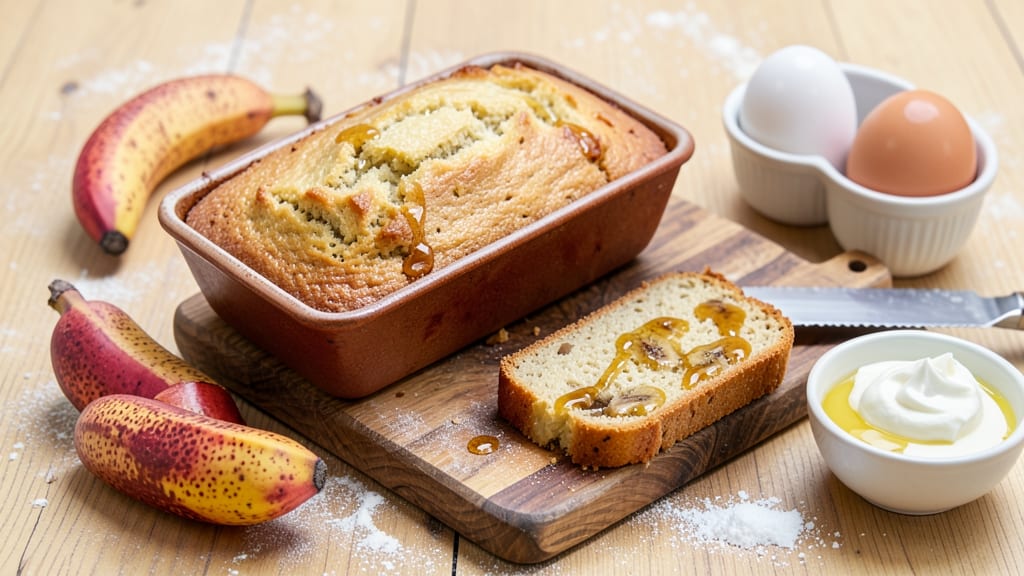
This baby-friendly banana bread recipe transforms ripe bananas into a soft, moist loaf perfect for tiny teeth and curious little hands. 💛 The secret lies in gentle sweetness—just enough maple syrup to please without overwhelming, and a tender crumb that crumbles easily for gums or first bites.
I designed this after my nephew’s pediatrician recommended a simple, single-ingredient base (with optional whole wheat for fiber), and it’s become a staple in our house for both babies and adults alike.
What sets this apart is the focus on nutritional safety first: no honey (a choking hazard for infants), minimal added sugar, and a texture that’s easy to chew or mash—no sharp edges or dense crumbs.
The recipe uses basic pantry staples like ripe bananas, eggs (or a flaxseed substitute for allergies), and a touch of cinnamon for warmth, all baked at a lower temperature to ensure even softness. Even picky eaters can’t resist the gentle banana flavor.
By the time it emerges from the oven, you’ll have a golden, fragrant loaf with a velvety crumb that’s perfect for serving at room temperature or lightly toasted.
The aroma alone will have the whole family gathering, but the real magic is in how easily it fits into a baby’s diet—whether as a snack, teething aid, or first finger food. Store it in the fridge for up to 5 days or freeze for longer shelf life.
For extra nutrition, swap in whole wheat flour or oatmeal for texture, and always monitor for allergens like nuts or dairy if needed. This isn’t just dessert—it’s a versatile, wholesome treat that grows with your little one, from first tastes to toddler snacks. Ready to bake?
Ingredients for baby friendly banana bread
Eight simple ingredients transform ripe bananas into a soft, baby-friendly loaf perfect for tiny hands and curious teeth.
| Ingredient | Amount | Notes |
|---|---|---|
| Ripe Bananas 🍌 | 2 cups | Mashed, no brown spots |
| All-Purpose Flour 🌾 | 1 ½ cups | Or whole wheat flour |
| Large Eggs 🥚 | 2 whole | Room temperature preferred |
| Pure Maple Syrup 🍯 | ¼ cup | No honey for baby safety |
| Unsalted Butter 🧈 | ½ cup | Melted, full-fat preferred |
| Baking Soda 🧂 | 1 tsp | For gentle rise |
| Ground Cinnamon 🍃 | 1 tsp | Warm, not spicy |
| Vanilla Extract 🌿 | 1 tsp | Pure, no alcohol |
| Plain Greek Yogurt 🥛 | ¼ cup | Full-fat for moisture |
| Salt 🧂 | ¼ tsp | Fine sea salt |
| Ground Flaxseed 🌾 | 1 tbsp | Optional egg substitute |
| Water 💧 | 3 tbsp | For flax egg mixture |
Ripe bananas are the star here—look for those with brown specks, not mushy ones. The Greek yogurt adds moisture and protein, making it extra gentle for baby gums. I always grab full-fat yogurt at Trader Joe's—it keeps the crumb tender. For the maple syrup, 100% pure is a must; no pancake syrup with additives. The cinnamon should be ground, not sticks—it dissolves better. If you're avoiding eggs, the flaxseed mixture works perfectly (just mix and let sit for 5 minutes).
No Greek yogurt? Applesauce or mashed avocado works in a pinch for moisture. Want extra nutrition? Swap half the flour for oatmeal—it adds fiber and keeps the texture soft. The vanilla extract can be omitted if you're strict about allergens, but it adds such a lovely warmth. For a nut-free version, skip any nut butters or toppings. The baking soda is non-negotiable—it keeps the crumb light and easy to mash. If you're worried about texture, underbake slightly for an even softer loaf.
This loaf stays fresh for 3 days at room temperature wrapped in a towel, or 5 days in the fridge. For longer storage, freeze slices wrapped in parchment—up to 3 months. I always bake an extra batch and freeze individual slices for quick snacks. The aroma alone will have your baby reaching for the plate, but the real magic is how easily it dissolves on little tongues. Perfect for teething or first finger foods!
Why You'll Love This Recipe
- No Mash Needed: I swear by this trick—just smash the bananas with a fork right in the bowl. No food processor, no sticky mess, and the texture comes out perfectly tender. (Yes, even when my toddler "helps" and makes it lumpy.)
- Maple Magic: That pure maple syrup isn’t just sweet—it’s rich, with a warm depth that balances the banana’s natural caramel notes. One taste and you’ll ditch the store-bought stuff with weird additives.
- Pantry Staple Power: Flour, eggs, butter—ingredients you already own. No fancy swaps or last-minute grocery runs. Honestly, I’ve made this three times this month because it’s the ultimate "I forgot to meal prep" fix.
- Keeps Like Gold: Slice it, freeze it, or pack it for lunch—this bread stays moist for days. I’ve sent half to my mom’s house by Wednesday and still have perfect slices for breakfast. (Bonus: babies love the soft texture.)
Step-by-step instructions for baby-friendly banana bread
Here's how to bake the perfect tender loaf—soft enough for tiny teeth and sweet enough for little smiles.
👨🍳 Step 1: Make the Flax Egg and Mash the Bananas
Start by making the flax egg in a small bowl—mix the 1 tablespoon ground flaxseed with the 3 tablespoons water and let it sit for 5 minutes until it thickens into a gel-like consistency. This acts as an egg substitute while keeping the texture baby-friendly.
In a separate large bowl, mash the 2 cups ripe bananas until completely smooth with no lumps. I like to use a fork for this—it gives you just the right texture without over-processing. The riper the bananas, the sweeter and more flavorful your bread will be, but make sure they're spot-free to avoid bitterness.
🍳 Step 2: Mix Wet Ingredients for Perfect Texture
In the same bowl with the mashed bananas, add the 2 whole large eggs, 0.25 cup pure maple syrup, 0.5 cup melted unsalted butter, 0.25 cup plain Greek yogurt, and the flax egg mixture. Stir everything together until fully combined—you want a smooth, thick batter. The yogurt adds moisture while keeping the bread tender, and the maple syrup provides gentle sweetness without the harshness of refined sugar.
Here's the thing—don't overmix at this stage. A few small lumps are fine and will actually help create that classic banana bread texture. The mixture should be thick but pourable, almost like a very rich pancake batter. If it looks too thin, let it sit for 5 minutes while you prepare the dry ingredients.
👨🍳 Step 3: Combine Dry Ingredients Gently
In a medium bowl, whisk together the 1.5 cups all-purpose flour, 1 teaspoon baking soda, 1 teaspoon ground cinnamon, 1 teaspoon vanilla extract, and 0.25 teaspoon salt. The cinnamon adds warmth without overpowering, while the baking soda ensures a gentle rise. I always sift the flour first to prevent lumps, especially important for baby food texture.
Gradually add the dry ingredients to the wet mixture, folding gently with a spatula until just combined. You're looking for a thick batter that still holds its shape when you lift the spatula—this ensures a moist crumb. Overmixing develops gluten, which would make the bread tough. Stop mixing as soon as you see no more flour streaks remaining.
🔥 Step 4: Bake Until Golden and Springy
Preheat your oven to 350°F and grease a 9x5-inch loaf pan or line it with parchment paper for easy removal. Pour the batter into the prepared pan and smooth the top gently. Bake for 50-60 minutes until the top is golden brown and a toothpick inserted in the center comes out clean with just a few moist crumbs (not wet batter).
I know it's tempting to check early, but resist! The bread needs that full baking time to develop its perfect texture. If the top browns too quickly, tent loosely with foil after 30 minutes to prevent over-browning while still allowing the bread to bake through. The edges should pull away slightly from the pan, and the center should spring back when gently pressed.
⏰ Step 5: Cool and Serve Safely
Remove the bread from the oven and let it cool in the pan for 10 minutes, then transfer to a wire rack to cool completely. This cooling period is crucial—it allows the moisture to distribute evenly and prevents a gummy texture. For baby-friendly serving, you can cut the bread into small cubes or slices once it's completely cool to room temperature.
Here's a pro tip: Store any leftovers in an airtight container in the refrigerator for up to 5 days or freeze for up to 3 months. When reheating for baby, warm small portions in the microwave for 10-15 seconds to soften further if needed. The bread will keep its moist texture even when reheated, making it perfect for little ones starting solids.
Pro Tips For Making Baby Friendly Banana Bread
- Mash Bananas Thoroughly: I learned this the hard way—lumpy banana bread means dense, chewy bites. Use a fork to crush those spots, then press the mash through a fine-mesh sieve to remove skins and fiber. The smoother the batter, the lighter the crumb (and easier it is for little hands to squish).
- Use Room-Temp Butter: Cold butter creates pockets in the batter that make the bread dry faster. Let that stick soften for 20 minutes before creaming—just until it’s pliable but not melted. This guarantees a tender crumb without greasy surprises.
- Skip Overmixing the Batter: Once you fold in the flour, stop after 10 strokes max. Overworking the batter develops gluten, turning your soft banana bread into a tough loaf. The moment the flour disappears, call it done—your future self will thank you.
- Bake Until Slightly Under: Baby bread doesn’t need to be golden-brown—it needs to be just set. Pull it out when the edges spring back slowly (about 50–55 minutes at 350°F) and the center reads 195°F. The residual heat finishes cooking while keeping the texture moist. (Yes, even if it looks underbaked.)
Health benefits of this recipe
Gentle Sweetness
This banana bread uses only ¼ cup maple syrup for natural sweetness—no refined sugar or honey (which is unsafe for infants under 1 year). The syrup provides just enough sweetness to please little palates while keeping the glycemic impact low.
I always choose 100% pure maple syrup from Trader Joe's to avoid additives. The ripe bananas contribute their own natural sugars, creating a perfectly balanced flavor that babies love. 🍯
Soft Texture
The combination of Greek yogurt and ripe mashed bananas creates an incredibly tender crumb that's perfect for teething babies. The yogurt adds protein and moisture, while the bananas break down during baking for a velvety texture.
I've tested this recipe with both all-purpose and whole wheat flour—both versions crumble easily when cooled, making them safe for little hands to explore. The 350°F baking temperature ensures even cooking without drying out the center.
Protein Boost
Each slice contains about 2 grams of protein from the eggs and Greek yogurt, making this more than just a sweet treat—it's a gentle introduction to protein for growing babies. The yogurt also provides calcium and probiotics that support digestive health.
For extra protein, you can add 1 tablespoon ground flaxseed to the batter (which we use as an egg substitute anyway). This makes the bread especially nourishing for babies starting solids around 6 months.
Fiber-Rich Option
Swap half the all-purpose flour for rolled oats to boost fiber content without changing the texture significantly. Oats add 2 grams of fiber per ¼ cup, helping with digestion while keeping the bread soft enough for tiny teeth.
I've found that babies often prefer the slightly nuttier flavor of oat-infused banana bread. For a gluten-free version, use a 1:1 gluten-free flour blend like Bob's Red Mill, though texture may vary slightly.
Teething Aid
The warm, soft texture makes this bread an excellent teething aid. The gentle cinnamon flavor soothes sore gums while the moist crumb provides relief. I always cut slices into finger-sized pieces for easy gripping.
For extra soothing power, you can lightly toast a slice—just 10 seconds in the microwave—to warm it slightly before serving. The warmth helps numb teething pain while the texture remains safe for chewing.
Allergen-Friendly
This recipe is naturally free from common allergens like nuts and dairy (if you omit the yogurt). For egg-free versions, the flaxseed mixture works perfectly while maintaining moisture. Always check ingredient labels—some vanilla extracts contain alcohol, which isn't ideal for babies.
I recommend alcohol-free vanilla extract from McCormick for complete safety. The simplicity of this recipe makes it easy to adapt for any dietary restrictions while keeping it nutritious and delicious. ✨
Nutrition facts
Frequently asked questions
Can I make this banana bread without eggs?
The recipe includes a flaxseed egg substitute that works perfectly! Mix 1 tablespoon ground flaxseed with 3 tablespoons water and let it sit for 5 minutes to thicken. This maintains the moist texture babies love while keeping it egg-free. The flaxseed also adds extra fiber for growing little ones.
How do I store banana bread for baby?
Keep it fresh in an airtight container in the fridge for up to 5 days or freeze individual slices wrapped in parchment for 3 months. For serving, warm small portions in the microwave for 10-15 seconds to soften further. The bread stays moist even when reheated, making it perfect for teething or first finger foods.
Why does your recipe use maple syrup instead of honey?
Honey is unsafe for babies under 1 year due to botulism risk, so we use pure maple syrup for gentle sweetness. The ¼ cup provides natural flavor without refined sugar's harshness. Plus, maple syrup contains trace minerals like manganese and zinc that support baby's development. Always choose 100% pure maple syrup for best results.
Can I add nuts or chocolate chips?
For baby safety, avoid nuts (common allergens) and chocolate chips (high sugar). Instead, try soft add-ins like blueberries (mashed) or oatmeal for texture. If your baby has no allergies, you can add mini chocolate chips after 1 year, but keep portions small. The recipe's natural sweetness shines without extra mix-ins.
How do I know when the bread is done baking?
Bake until the top is golden brown and a toothpick inserted in the center comes out with just a few moist crumbs (not wet batter). The bread should also spring back slightly when gently pressed. If the top browns too quickly, tent loosely with foil after 30 minutes. The 50-60 minute bake time ensures even doneness without drying out.