
Side Dishes
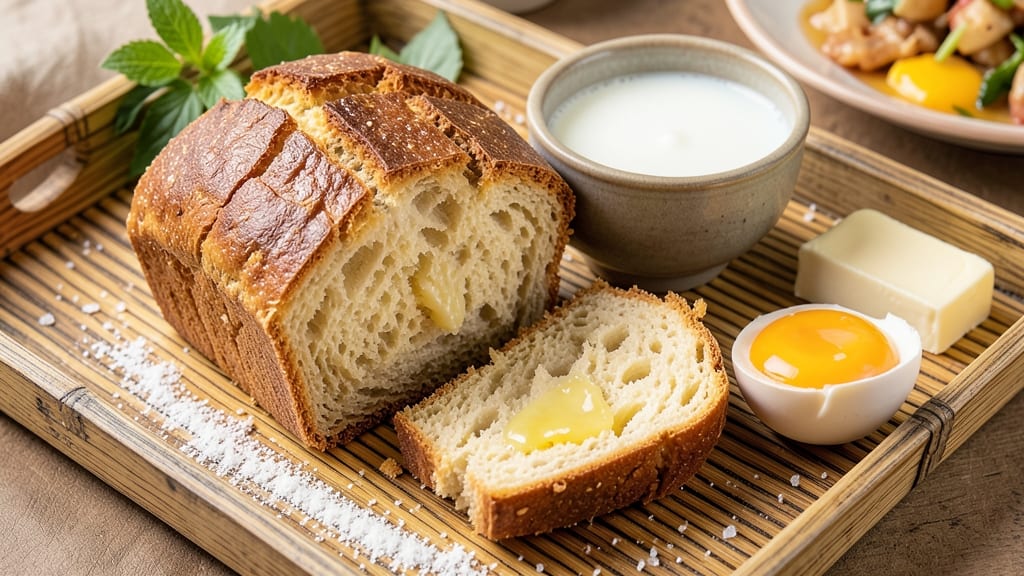
This Asian coconut bread recipe transforms your kitchen into a tropical paradise with every slice—moist crumb magic that tastes like sunshine and tradition. 🌴 The secret lies in blending coconut milk with warm spices like cinnamon and cardamom, creating a tender loaf with just the right balance of sweetness and subtle depth.
Whether you're baking for a family gathering or treating yourself to a tropical escape, this recipe delivers restaurant-quality results with minimal effort.
The beauty of this bread is its versatility—it works as a standalone dessert, a breakfast companion, or even a gift-worthy treat. I developed this recipe after years of experimenting with Asian-inspired baked goods, and the key is in the texture: a soft, slightly dense crumb that stays fresh for days.
The coconut milk not only adds richness but also keeps the bread incredibly moist, even after cooling.
What makes this recipe stand out is the harmony of flavors—creamy coconut, warm spices, and a hint of vanilla create a symphony that’s both comforting and exciting.
The bread bakes up golden brown with a tender crumb that melts in your mouth, and the aroma alone will have everyone asking for seconds. Perfect for pairing with tea, coffee, or even a dollop of whipped cream, this loaf is a crowd-pleaser that feels special without being complicated.
Ready in just 60 minutes from start to finish, this recipe is designed for success—no fancy equipment, no tricky techniques, just pure, delicious results. Whether you're a seasoned baker or a beginner, this Asian coconut bread will become a staple in your kitchen. Let’s get baking!
Ingredients for asian coconut bread
Pantry staples meet tropical flavors—just 13 ingredients for golden, moist coconut bread magic.
| Ingredient | Amount | Notes |
|---|---|---|
| All-Purpose Flour 🌾 | 3 cups | Sifted for light texture |
| Granulated Sugar 🍚 | 1 ½ cups | White or light brown |
| Coconut Milk 🥥 | 13 ½ oz | Full-fat canned variety |
| Unsalted Butter 🧈 | ½ cup | Softened, not melted |
| Large Eggs 🥚 | 2 whole | Room temperature preferred |
| Pure Vanilla Extract 🍯 | 1 tbsp | High-quality preferred |
| Ground Cinnamon 🌿 | 1 ½ tsp | Freshly ground if possible |
| Ground Cardamom 🌿 | 1 tsp | Freshly toasted for aroma |
| Baking Powder 🧂 | 1 ½ tsp | Aluminum-free preferred |
| Salt 🧂 | ½ tsp | Fine sea salt preferred |
| Shredded Coconut 🥥 | 1 cup | Sweetened, toasted lightly |
| Toasted Coconut Flakes 🥥 | ¼ cup | For garnish |
| Toasted Sesame Seeds 🌾 | 1 tbsp | Optional for crunch |
The coconut milk is non-negotiable here—full-fat canned gives that rich, creamy texture. Thai Kitchen or Aroy-D brands are my go-to, but any good-quality canned coconut milk works. Toasting the coconut flakes and sesame seeds (just 2 minutes in a dry pan) adds depth—don't skip this step if you want that restaurant-quality crunch. The cardamom might be tricky to find, but Penzeys or World Market carry it. If you can't find it, extra cinnamon (1/4 tsp more) works in a pinch—just know it won't be exactly the same.
No vanilla extract? Vanilla bean paste or even a scraped vanilla bean gives that same luxurious flavor. The baking powder needs to be fresh—if it's older than 6 months, test it first (mix with water, should bubble). For the shredded coconut, unsweetened works too, but you'll want to add 1 tbsp extra sugar to balance. The butter should be soft but not melted—microwave 20 seconds if needed. And if you're feeling fancy, swap the granulated sugar for coconut sugar—it adds a subtle caramel note that's perfect for this tropical twist.
This bread stays fresh for 3 days at room temperature, wrapped tightly in plastic. For longer storage, freeze the whole loaf (up to 3 months)—just thaw at room temp before slicing. The best part? It reheats beautifully—10 seconds in the microwave brings back that warm, gooey texture. I always bake two loaves—one for the family, one to wrap as gifts. The aroma alone makes it worth every minute.
Why You'll Love This Recipe
- No Mixer Needed: I swear by this—just fold the coconut milk into the flour and eggs until it’s just combined. No stand mixer, no overworking, no stress. The butter stays in chunks, and that’s exactly how you want it for that tender crumb.
- Tropical Comfort in Every Bite: That first pull-apart moment? Warm, buttery layers with a whisper of coconut sweetness—like a hug from a bakery in Bali. The sugar caramelizes just enough to make it taste indulgent, but the flour keeps it light. Honestly, it’s the kind of bread that disappears faster than my willpower on a lazy Sunday.
- Weeknight Hero: Slice it fresh for breakfast with jam, or toast it the next day with butter and a sprinkle of sugar—same great taste. Between us, I’ve also used it to soak up curry sauces or crumbled it over oatmeal. It’s the one loaf that does it all without needing a Pinterest-worthy occasion.
- Leftovers That Don’t Let You Down: This bread stays moist for days, wrapped in a towel (trust me, it’s non-negotiable). I’ve reheated slices in the oven until crispy, tossed them into smoothies for thickness, or even frozen slices to toast later. Not the prettiest, but the taste makes up for it every single time.
Step-by-step instructions for Asian coconut bread
Here's how to create that perfect tropical bread with a moist crumb and aromatic coconut flavor.
👨🍳 Step 1: Mix the Wet Ingredients for Perfect Texture
In a large mixing bowl, combine the 13.5 oz coconut milk, 0.5 cup softened unsalted butter, 1.5 cups granulated sugar, and 2 whole large eggs. I like to use a hand mixer here for about 2 minutes on medium speed until the mixture is smooth and slightly thickened. You'll see it transform from a loose liquid to a creamy, pale yellow batter.
This step is crucial for creating that signature moist crumb. The coconut milk adds richness while the butter creates a tender texture. If your butter is too cold, it might not incorporate properly—press your finger into it first to check for that slight indentation. Here's the thing—room temperature ingredients mix better and give you that professional finish.
👨🍳 Step 2: Combine Dry Ingredients and Fold Gently
In a separate bowl, whisk together the 3 cups sifted all-purpose flour, 1.5 tsp baking powder, 1.5 tsp ground cinnamon, 1 tsp ground cardamom, and 0.5 tsp salt. The cardamom gives that authentic Asian spice note, so don't skip this—it makes all the difference. Sift the flour first to prevent lumps in your final bread.
Now, gradually add the dry mixture to your wet ingredients while mixing on low speed. Be gentle here—you're looking to just combine without developing gluten. Overmixing creates tough bread. Once incorporated, fold in the 1 cup shredded coconut and 1 tbsp pure vanilla extract. The batter should be thick but still pourable. If it looks too stiff, add 1-2 tablespoons of coconut milk to loosen it.
🥘 Step 3: Prepare the Loaf Pan and Bake
Preheat your oven to 350°F and grease a 9x5-inch loaf pan generously with butter or baking spray. I like to use a pastry brush for even coverage. Pour your batter into the prepared pan and smooth the top with a spatula. Sprinkle the 0.25 cup toasted coconut flakes evenly over the top, pressing them lightly into the batter. This creates that beautiful crunchy crust we all love.
Bake for 50-55 minutes until a toothpick inserted in the center comes out clean and the top is golden brown. Here's where patience pays off—don't open the oven door during baking or your bread might sink. The coconut milk makes this bread extra moist, so it's easy to overbake. If the top browns too quickly, tent loosely with foil after 30 minutes to prevent over-browning while the center cooks through.
⏰ Step 4: Cool and Add the Finishing Touch
Remove the bread from the oven and let it cool in the pan for 10 minutes. Then transfer it to a wire rack to cool completely. This resting period is important—it allows the bread to set properly and prevents a gummy texture. While it cools, toast the 1 tbsp sesame seeds in a dry skillet over medium heat for 1-2 minutes until golden and fragrant.
Once your bread is completely cool, sprinkle the toasted sesame seeds evenly over the top. These seeds add a beautiful contrast in color and texture, plus they bring that nutty depth that complements the coconut perfectly. The bread should have a moist, tender crumb with just the right amount of chewiness. Slice it while still slightly warm for the best texture—each slice should be soft with those pockets of coconut flavor throughout.
Pro Tips For Making Asian Coconut Bread
- STOP MIXING DRY FIRST: Mix the wet ingredients—coconut milk, melted butter, eggs, and sugar—until fully combined before adding the flour. I learned this the hard way: lumps in the batter lead to dense, uneven bread, and no amount of stirring later fixes it. Let the coconut milk sit at room temp first if it’s cold; cold milk makes the butter seize up and turns your batter into a greasy mess.
- WEIGH YOUR FLOUR: Use a kitchen scale for the all-purpose flour—1 cup packed isn’t the same as 1 cup scooped and leveled. I used to eyeball it, and my bread would either turn out gummy or dry as a bone. For this recipe, aim for 250 grams (about 2 cups loosely packed) to guarantee the right texture. Yes, it’s a pain to measure, but your bread will thank you with a tender crumb.
- BAKE LOW AND SLOW: Preheat your oven to 325°F (165°C) and bake the bread for 45–55 minutes—don’t rush it. I was skeptical until I tried it: high heat causes the coconut milk to evaporate too fast, leaving a dry crust and a cakey center. A gentle bake lets the flavors meld and keeps the bread moist. Use an oven thermometer to double-check; many home ovens run hot.
- SWAP COLD COCONUT MILK: Use chilled coconut milk straight from the fridge for the batter, but save a splash of the canned liquid for brushing the top before baking. The cold milk keeps the butter from melting too quickly, and the reserved liquid adds a glossy finish and subtle coconut aroma. (Yes, even if you’re impatient like me—just let the batter sit 10 minutes before pouring into the pan.)
Dietary considerations for asian coconut bread
Gluten-Free Adaptation
For a gluten-free version, replace the 3 cups all-purpose flour with a 1:1 gluten-free baking blend like King Arthur Measure for Measure or Bob's Red Mill 1-to-1. Add 1 tbsp xanthan gum to help bind the crumb.
The coconut milk and butter will still provide moisture, but you may need to increase the baking time by 5-10 minutes since gluten-free bread often bakes slower. 🌾
Dairy-Free Options
Swap the unsalted butter for vegan butter (like Miyoko's or Earth Balance) or coconut oil to keep it dairy-free. Use coconut milk yogurt (such as So Delicious) instead of eggs for binding—just 2 tbsp works perfectly. The flavor stays rich and tropical without dairy. 🥥
Vegan Variations
For a fully vegan version, replace the 2 eggs with 2 tbsp ground flaxseed mixed with 6 tbsp water (let it sit for 5 minutes to thicken).
Use vegan vanilla extract and ensure your baking powder is aluminum-free. The coconut milk and coconut oil will keep the texture moist and tender. 🌱
Nut-Free Considerations
If you're avoiding nuts, simply omit the sesame seeds and toasted coconut flakes on top. The bread will still be delicious! For extra crunch, try toasted pumpkin seeds (pepitas) instead. The coconut flavor remains the star of the show. 🌟
Lower-Sugar Options
Reduce the 1.5 cups sugar to 1 cup and add 1 tsp monk fruit sweetener or 1 mashed banana for natural sweetness. The coconut milk's richness helps balance the flavor, but the texture might be slightly denser. Adjust baking time if needed—5-8 minutes longer may be required. 💛
Nutrition facts
Frequently asked questions
Can I use fresh coconut milk instead of canned?
Fresh coconut milk works but requires extra straining for a smooth texture. Use 1 cup fresh coconut milk (from 1 young coconut) plus 12.5 oz water to match the recipe's moisture balance. The flavor will be richer, but canned milk is more convenient and consistently reliable for baking.
Why did my bread turn out dense instead of moist?
Overmixing the batter or underbaking are the most common culprits. Mix just until combined—no need to develop gluten—and bake until a toothpick comes out clean (50-55 minutes). For extra moisture, brush the warm loaf with 2 tbsp coconut milk after baking and let it rest 15 minutes before slicing.
Can I make this bread without cardamom?
Yes! If you can't find cardamom, add 1/4 tsp extra cinnamon and 1/8 tsp nutmeg for warmth. The tropical flavor will still shine through—cardamom adds depth but isn't essential. For a Thai-inspired twist, swap it for 1/2 tsp lemongrass paste (found in Asian markets).
How do I store leftovers for maximum freshness?
Wrap tightly in plastic wrap and store at room temperature for 3 days, or freeze for up to 3 months. To reheat, wrap a slice in a damp paper towel and microwave for 10-15 seconds. The coconut milk keeps it moist, but reheating restores that bakery-fresh warmth.
What's the best way to serve this bread?
Pair with hot Thai iced tea or jasmine tea for a tropical breakfast. For dessert, spread with coconut whipped cream or dust with toasted cinnamon sugar. The soft crumb also makes it perfect for French toast—soak slices in coconut milk + egg and pan-fry until golden.