
Desserts
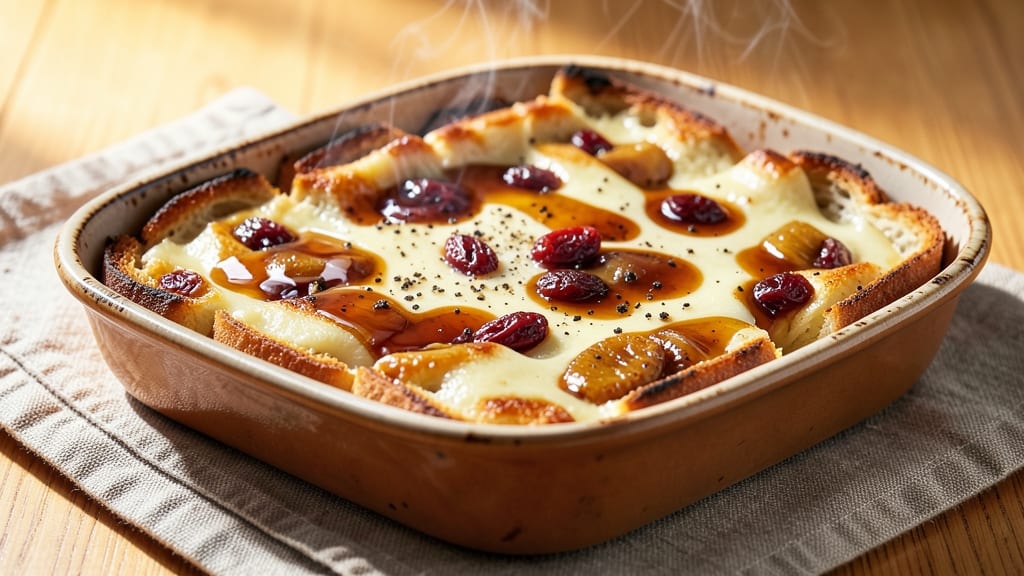
This Antiguan bread pudding recipe brings warm Caribbean flavors to your table with its signature rum-infused richness and caramelized edges. 🌟 The secret lies in soaking stale bread with a blend of dark rum, cinnamon, and nutmeg—creating layers of spiced warmth that transform a simple dessert into something extraordinary.
What makes this version special is the slow baking process, which develops deep caramelized flavors while keeping the center moist and comforting.
The recipe combines traditional Antiguan elements like raisins and spices with a modern touch of golden caramel drizzle, making it both nostalgic and elevated. You'll work with simple ingredients—day-old bread, eggs, milk, and a touch of vanilla—but the result is anything but basic.
The rum infuses the bread with aromatic depth, while the spices add warmth that lingers long after the last bite.
By the time it emerges from the oven, you'll have a dessert that's rich, spiced, and perfectly balanced—where every spoonful delivers tender bread, plump raisins, and a hint of rum that feels like a warm embrace.
The caramelized top adds a touch of elegance, making it ideal for family gatherings or special occasions where you want to impress without fuss.
Serve it warm with a scoop of vanilla ice cream or a dusting of powdered sugar for the ultimate comfort experience. This recipe delivers on the promise of true comfort food—simple to prepare yet deeply satisfying in every bite.
Ingredients for antiguan bread pudding
Simple ingredients with bold Caribbean flavors—rum, spices, and caramelized edges transform basic bread into a showstopper dessert.
| Ingredient | Amount | Notes |
|---|---|---|
| Day-Old Bread 🍞 | 12 cups | Crusts removed, cubed (1-inch pieces) |
| Large Eggs 🥚 | 6 whole | Room temperature for even baking |
| Whole Milk 🥛 | 3 cups | Full-fat for creaminess (warmed) |
| Dark Rum 🍹 | ½ cup | 100-proof, aged minimum 3 years |
| Granulated Sugar 🍚 | 1 cup | Light brown preferred for depth |
| Pure Vanilla Extract 🌿 | 1 tbsp | Bottled, not imitation |
| Ground Cinnamon 🌶️ | 2 tsp | Freshly ground for aroma |
| Ground Nutmeg 🌶️ | 1 tsp | Freshly grated preferred |
| Salted Butter 🧈 | ½ cup | Cold, cubed for caramelization |
| Raisins 🍇 | 1 cup | Plump, seedless preferred |
| Powdered Sugar 🍚 | ½ cup | For caramelized topping |
| Heavy Cream 🥛 | ¼ cup | For caramel drizzle |
| Vanilla Ice Cream 🍦 | 1 ½ cups | Optional serving suggestion |
The bread is the foundation—day-old works best (toast stale bread first if needed). French or brioche loaves add richness, but any crustless bread will do. For the rum, Appleton Estate or Gosling's Black Seal are ideal, but any aged dark rum works. The raisins should be plump—soak them in warm water for 10 minutes if they look dried out. Spices are key: Penzeys or bulk bins for the freshest cinnamon and nutmeg. Pre-grated spices lose flavor fast, so invest in whole spices if you bake often.
No dark rum? Spiced rum or even bourbon can substitute, though the flavor will differ slightly. Out of raisins? Dried cranberries or chopped dates add a similar sweetness. For a dairy-free version, swap milk for coconut milk and butter for vegan butter**. The caramel topping can be made ahead—just reheat the cream and powdered sugar until smooth. If you're short on time, skip the topping and dust with powdered sugar instead. The vanilla extract matters: Madagascar bourbon vanilla has the deepest flavor, but any pure extract will work.
This dessert tastes even better the next day, so make it ahead. Store leftovers in an airtight container for up to 4 days in the fridge. Reheat in a 350°F oven for 15 minutes to restore its warmth. For serving, a quick torch on the caramel topping adds drama—just use a kitchen torch or broil for 2 minutes. The ice cream pairs perfectly, but a scoop of coconut whipped cream works for dairy-free guests. Freeze any extra caramel drizzle in an ice cube tray for future desserts.
Why You'll Love This Recipe
- No Waste Magic: I swear by this trick—day-old bread gets a second life instead of ending up in the trash. That stale loaf? Absolute gold for soaking up the rum and milk until it’s tender and rich.
- Rum-Infused Bliss: Honestly, the dark rum isn’t just an ingredient—it’s the star. A splash (or two) transforms this into something warm, boozy, and irresistibly comforting, like a hug in dessert form.
- Weeknight Crowd-Pleaser: Between us, this is my go-to for dinner parties or lazy Sundays. It’s hearty enough to feel like a meal, yet simple enough that I can bake it while chatting with guests—no fuss, just flavor.
- Budget-Friendly Luxury: Eggs, bread, milk, rum—these are pantry staples that won’t break the bank. Plus, leftovers reheat beautifully, meaning I’m feeding my family deliciousness without extra shopping trips.
Step-by-step instructions for rum-infused caramelized bread pudding
This method delivers rich, spiced layers with a perfect rum-soaked caramel topping.
👨🍳 Step 1: Prepare the Bread and Soak the Mixture
In a large mixing bowl, combine the 12 cups day-old bread (cubed 1-inch pieces) with the 1 cup granulated sugar, 2 teaspoons ground cinnamon, 1 teaspoon ground nutmeg, and 1 cup raisins. Toss gently to distribute the spices and raisins evenly throughout the bread cubes.
In a separate bowl, whisk together the 6 whole large eggs, 3 cups whole milk, 0.5 cup dark rum, and 1 tablespoon pure vanilla extract until completely smooth. The mixture should be pale yellow and fully combined—no streaks of egg white should remain. Pour this liquid mixture evenly over the bread in the first bowl, pressing down gently to ensure every cube absorbs the custard. Let this sit for 15 minutes while you prepare the butter for caramelization. This soaking step guarantees a moist, custardy texture in your finished pudding.
🔥 Step 2: Caramelize the Butter for Rich Flavor
While the bread soaks, place the 0.5 cup salted butter (cubed) in a 9x13-inch baking dish and set it over medium-low heat on your stovetop. Let the butter melt completely, then increase the heat to medium and cook for 3-4 minutes, stirring constantly with a wooden spoon. You're looking for a golden brown color and nutty aroma—this caramelized butter will become the foundation of your pudding's rich flavor.
Once the butter reaches this deep golden stage (it should smell irresistibly buttery and slightly toasty), remove the pan from heat and immediately pour the bread mixture into the baking dish. Use a spatula to distribute it evenly, pressing down gently to help the bread absorb any remaining butter. The heat from the butter will begin melting the custard mixture slightly, creating an even better texture.
🍳 Step 3: Bake Until Golden and Set
Preheat your oven to 350°F. Place the baking dish on the middle rack and bake for 45-50 minutes. You'll know it's done when the top is deep golden brown and the edges are set but still slightly jiggly in the center. A toothpick inserted should come out with a few moist crumbs but no liquid custard.
During the last 10 minutes of baking, keep an eye on the color—this is when the caramelization really develops. If the top starts browning too quickly, tent the dish loosely with aluminum foil. The pudding should have a beautiful golden crust with slightly crisp edges that contrast perfectly with the soft, custardy interior. Real talk: don't open the oven door during baking or the pudding will sink in the middle.
🥘 Step 4: Create the Rum-Caramel Drizzle
While the pudding bakes, prepare the caramel topping by combining the 0.5 cup powdered sugar and 0.25 cup heavy cream in a small saucepan. Cook over medium-low heat, stirring constantly with a wooden spoon, until the mixture reaches 235°F on a candy thermometer and becomes a thick, glossy caramel (about 5-7 minutes). Remove from heat and carefully stir in the remaining 2 tablespoons dark rum (if you've been using it sparingly).
The caramel should be thick enough to drizzle but still pourable. If it cools too much, warm it gently over low heat for 30 seconds to restore its fluidity. This caramel will add that signature Antiguan touch—rich, slightly boozy, and perfectly balanced with the warm spices.
🍽️ Step 5: Assemble and Serve Warm
Once the pudding is fully baked, remove it from the oven and immediately drizzle the warm caramel evenly over the top. The heat from the pudding will make the caramel melt beautifully into the crust. Let it sit for 5 minutes to allow the caramel to set slightly before serving.
For the ultimate presentation, serve warm with a scoop of 1.5 cups vanilla ice cream on the side. The contrast between the warm, spiced pudding and the cold ice cream creates a perfect balance of textures and temperatures. Each bite should deliver that comforting combination of rum-soaked custard, caramelized butter, and plump raisins—this is true comfort food at its finest.
Pro Tips For Making Antiguan Bread Pudding
- CUT BREAD INTO UNIFORM SLICES: I learned this the hard way—uneven bread soaks up liquid differently, leaving some parts soggy and others dry. Use a sharp knife or bread slicer for ½-inch thick pieces, and toss them in the rum-milk mix immediately so they don’t dry out while you prep the rest.
- USE ROOM-TEMPERATURE EGGS: Cold eggs won’t blend smoothly and can curdle the milk. Take them out of the fridge 30 minutes before mixing—yes, even if you’re impatient like me. The batter will be silkier, and the pudding sets more evenly.
- BAKE UNTIL THE CENTER JIGGLES: The classic toothpick test fails here—Antiguan bread pudding should be just set in the middle, with a slight wobble when shaken. Overbaking turns it gummy; underbaking leaves it raw. Pull it when the edges are golden and the center holds its shape but isn’t firm.
- TOAST THE BREAD FIRST: Sounds weird, but it works: Lightly toast the day-old bread (5 minutes at 350°F) before cubing. It absorbs the custard faster and adds a subtle crunch that balances the creamy texture. (Your future self will thank you.)
Troubleshooting this recipe
Dense or Soggy Pudding
If your bread pudding turns out dense or soggy, it's usually from over-soaking the bread. I've learned that 15 minutes is the magic window—any longer and the bread absorbs too much liquid, creating a watery center.
For extra insurance, use day-old bread (not fresh) and press down gently when adding the custard mixture. If you're short on time, toast stale bread first to remove excess moisture before cubing.
Another common mistake is using too much milk. Stick to the 3 cups whole milk measurement—don't substitute with more liquid or water. The eggs provide structure, so if you're worried about density, add an extra 1-2 egg yolks for richer binding.
Also, ensure your baking dish is the correct size—9x13-inch is ideal for this recipe. 🥖
Pale or Uneven Baking
Uneven baking often happens when the oven temperature fluctuates. I recommend using an oven thermometer to verify your 350°F setting—many home ovens run 25°F hotter or cooler than marked. If the top isn't browning enough, broil for 1-2 minutes at the end (watch closely to avoid burning).
For extra color, sprinkle 1/4 cup powdered sugar on top before the final 10 minutes of baking—it'll caramelize beautifully.
Another trick is to bake on the middle rack where heat circulates most evenly. If your pudding is pale in spots, it might need 5-10 extra minutes—just check for doneness with a toothpick.
The center should be slightly jiggly but set when done. For next time, try baking in a glass baking dish instead of metal—it browns more evenly.
Raisins Stay Dry
Dry raisins are a classic pudding problem, but there's an easy fix. Before adding them to the bread mixture, soak the 1 cup raisins in warm water for 10 minutes to plump them up.
Drain well before mixing. I also recommend using plump seedless raisins—they absorb flavors better than dried-out varieties. For extra moisture, toss the raisins with 1 teaspoon rum before adding to the bread mixture.
If you're using dried cranberries or dates instead, soak them for 15 minutes in warm water first. These alternatives need more time to soften.
Another pro tip: place a small bowl of water on the oven rack during baking—this adds moisture to the air and keeps your pudding from drying out. The raisins should be tender but not mushy when done. 🍇
Butter Not Caramelizing
If your butter isn't developing that rich golden color, you're likely cooking it too slowly. Start with medium-low heat until melted, then increase to medium and stir constantly for 3-4 minutes.
The key is patience—don't rush this step. You're looking for a deep golden brown color with nutty aromas. If it's browning too quickly, reduce the heat slightly.
Another common issue is using salted butter with too much salt. I recommend Land O'Lakes or Plugrah brands—they have consistent salt levels. For extra insurance, use unsalted butter and add your own 1/4 teaspoon salt** to the custard mixture instead.
The caramelized butter should coat the back of a spoon when done—this is your perfect signal to pour in the bread mixture.
Nutrition facts
Frequently asked questions about Antiguan bread pudding
Can I make this bread pudding without rum?
The rum adds depth to the flavor, but you can substitute with 1 teaspoon vanilla extract plus 1 teaspoon cinnamon for a similar warmth. For a boozy alternative, try bourbon or spiced rum at the same ratio. The raisins and spices will still deliver that comforting Caribbean essence without alcohol.
How do I fix bread pudding that's too dry?
If your pudding turns out dry, it likely baked too long. For future attempts, check doneness at 40 minutes—the center should be slightly jiggly. To revive a dry pudding, slice it and reheat with 2 tablespoons warm milk or heavy cream for 5-10 minutes in a 350°F oven until warmed through. The texture will soften slightly.
What type of bread works best for this recipe?
Day-old brioche, French bread, or challah are ideal—their richness enhances the rum and butter flavors. Avoid dense breads like whole wheat, as they won't absorb the custard well. If using fresh bread, toast it first to remove excess moisture. For a lighter texture, try baguette slices instead of cubes.
Can I prepare this ahead of time?
This pudding tastes even better the next day! Assemble it up to 24 hours ahead and refrigerate uncovered. When ready to bake, add 5-10 extra minutes to the baking time. For make-ahead caramel, prepare it separately and reheat with the cream before drizzling. The flavors deepen overnight, making it perfect for holiday gatherings.
What's the secret to the perfect caramel drizzle?
The key is patience and temperature control. Cook the sugar and cream to exactly 235°F—any lower and it won't set properly. For extra shine, whisk in 1 teaspoon lemon juice before adding the rum. If the caramel crystallizes, reheat gently while stirring constantly. The drizzle should be thick enough to coat the back of a spoon but still pourable.