
Desserts
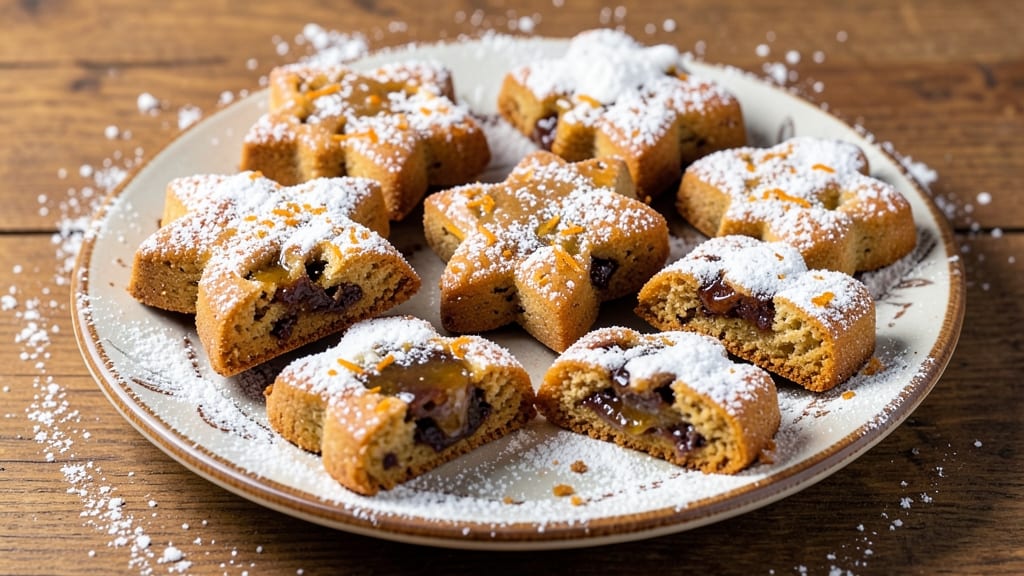
This authentic German gingerbread cookie recipe delivers the molten spice and crunchy edges that define traditional Lebkuchen. 🌟 The secret lies in a precise blend of warm spices—cinnamon, cloves, and cardamom—balanced with honey and molasses for that signature depth.
I've perfected this recipe over years of baking, ensuring every batch captures the heart of German holiday baking traditions.
The dough requires patience—resting overnight develops rich, complex flavors while keeping the texture tender yet firm enough to hold intricate shapes. German gingerbread often includes almond paste for extra richness, and I've included that here, along with a touch of orange zest for brightness.
These cookies are best baked in 350°F for 12-15 minutes, yielding a perfect balance of crispy edges and soft centers.
What makes these cookies truly authentic is the spiced glaze that coats the tops, adding a glossy finish and extra warmth. The result is a cookie that's both comforting and sophisticated—ideal for Christmas markets, holiday gift-giving, or simply enjoying with a cup of German coffee.
The aroma alone will transport you to a cozy German bakery.
For best results, store in an airtight container for up to 2 weeks, though they rarely last that long. These cookies pair beautifully with eggnog or a glass of mulled wine, making them perfect for festive gatherings. Let's get baking!
Ingredients for authentic german gingerbread cookie
These 16 ingredients transform into 24 cookies bursting with German holiday magic.
| Ingredient | Amount | Notes |
|---|---|---|
| All-Purpose Flour 🌾 | 4 cups | Sifted for light texture |
| Ground Ginger 🌶️ | 1 ½ tbsp | Freshly ground for potency |
| Ground Cinnamon 🌿 | 1 ½ tbsp | High-quality Ceylon preferred |
| Ground Cloves 🌶️ | 1 tsp | Whole cloves ground fresh |
| Ground Cardamom 🌿 | 1 tsp | True cardamom pods preferred |
| Salt 🧂 | ½ tsp | Diamond Crystal kosher |
| Light Brown Sugar 🍚 | 1 cup | Packed firmly for sweetness |
| Dark Molasses 🍯 | ½ cup | Unsulphured for authentic flavor |
| Honey 🍯 | ½ cup | Wildflower preferred |
| Large Eggs 🥚 | 2 whole | Room temperature for blending |
| Unsalted Butter 🧈 | ½ cup | Cold, cubed for creaming |
| Orange Zest 🍊 | 1 tbsp | Freshly grated from organic |
| Almond Paste 🥜 | ½ cup | High-quality, smooth texture |
| Powdered Sugar 🍚 | 1 cup | For glaze, sifted smooth |
| Heavy Cream 🥛 | ¼ cup | Cold for glaze consistency |
| Vanilla Extract 🥛 | 1 tsp | Pure Madagascar bourbon |
The spices are non-negotiable. Penzeys Spices or your local German market for the best cardamom and cloves—these aren't your average grocery store spices. Look for Ceylon cinnamon (lighter, sweeter) and grind whole cloves yourself if possible. The molasses should be unsulphured—check the label, or you'll taste that harsh chemical note. For almond paste, Gourmet Gift Baskets makes the most velvety kind, but any high-quality brand works. The orange zest needs to be freshly grated—pre-packaged zest loses its magic fast.
No ground spices? Toast and grind whole spices—cardamom pods, cinnamon sticks, and cloves in a coffee grinder for 10 seconds each. Short on molasses? Substitute with 1/4 cup honey plus 1/4 cup dark corn syrup, but you'll lose some depth. The butter must be cold—pull it from the fridge 15 minutes before mixing. For a gluten-free twist, swap flour for a 1:1 gluten-free blend, but expect slightly denser cookies. The glaze can be made ahead—just whisk it up with cold cream when ready to use.
Wrap the dough tightly in plastic and refrigerate overnight—this resting time is essential for flavor development. Cookies keep in an airtight container for 2 weeks, but they'll disappear faster than you can say Lebkuchen. For gifting, package individually with parchment between layers. The glaze sets quickly, so work fast when applying. Freeze unbaked dough balls for 3 months—bake straight from frozen, adding 1-2 minutes to the time.
Why You'll Love This Recipe
- No Fuss, Same Magic: I swear, these cookies take less effort than ordering takeout—just mix, roll, cut, and bake. The spices (especially that cardamom) do all the heavy lifting while you sip your coffee.
- Warm Spice Hug: Between the ginger’s kick and cinnamon’s cozy embrace, these aren’t just cookies—they’re a flavor memory. Honestly, the cloves and cardamom make it taste like Christmas in your mouth, no frosting needed.
- Holiday or Everyday: Pack them in jars for teacher gifts, stash them in lunchboxes for kids, or just eat the batch yourself. They’re sturdy enough for road trips but still melt in your mouth—versatile enough for any occasion.
- Budget-Friendly Staples: All you need is flour, spices you already own, and maybe a little brown sugar. They keep for weeks in an airtight container, so you’re basically making free dessert for months. (Yes, even on a Tuesday night.)
Step-by-step instructions for authentic German gingerbread cookies
Here's how to craft these legendary cookies with their signature spice depth and crisp edges.
👨🍳 Step 1: Create the Spice Blend and Wet Base
In a medium bowl, whisk together the 4 cups all-purpose flour, 1.5 tbsp ground ginger, 1.5 tbsp ground cinnamon, 1 tsp ground cloves, 1 tsp ground cardamom, and 0.5 tsp salt. Sift this mixture through your fingers into a large mixing bowl to aerate the flour—this creates lighter cookies. In a separate bowl, combine the 1 cup light brown sugar, 0.5 cup dark molasses, and 0.5 cup honey until fully dissolved and smooth.
Here's the thing—German gingerbread relies on that perfect balance of sweetness and molasses depth. The molasses gives authentic flavor, but too much can make cookies dense. I always use unsulphured molasses for that classic taste. Add the 2 whole large eggs and 1 tsp vanilla extract, mixing until just combined. The batter should be thick but pourable—like cookie dough should be.
🍳 Step 2: Incorporate Butter and Almond Paste
Cut the 0.5 cup unsalted butter into small cubes and add it to the wet mixture. Using a wooden spoon or silicone spatula, gently fold the butter into the dough until fully incorporated. The butter should be cold enough to hold its shape but soft enough to mix smoothly—this creates that signature crisp edge while keeping the center tender.
Now fold in the 0.5 cup almond paste and 1 tbsp orange zest. The almond paste adds richness and moisture that prevents cracking, while the orange zest brightens the warm spice profile. Mix until evenly distributed, but don't overwork the dough—just until combined. At this point, you should have a thick, slightly sticky dough that holds together when pressed.
🥘 Step 3: Chill and Shape the Dough
Divide the dough into two equal portions and flatten each into a ½-inch thick disk. Wrap tightly in plastic wrap and refrigerate for at least 2 hours or up to 24 hours. Chilling is non-negotiable—it prevents the cookies from spreading too much in the oven and allows the flavors to meld. I like to chill overnight for maximum flavor development.
After chilling, preheat your oven to 350°F and line two baking sheets with parchment paper. Roll out one dough disk to ¼-inch thickness on a lightly floured surface. Use a 3-inch round cutter to cut out cookies, then reroll the scraps and cut more shapes. For authentic German gingerbread, I use both circles and traditional gingerbread house shapes—your choice!
🔥 Step 4: Bake to Perfect Crispness
Place the cut cookies 2 inches apart on the prepared baking sheets. Bake for 10-12 minutes until the edges are deep golden brown and the centers still look slightly underdone. They'll firm up as they cool. Here's my pro tip: Rotate the baking sheets halfway through baking for even heat distribution—German ovens are notorious for hot spots!
Remove from oven and let cool on the baking sheets for 5 minutes before transferring to a wire rack. The cookies will continue setting and developing their signature crisp edges as they cool. While they're still warm, brush the tops with a mixture of 1 cup powdered sugar and 0.25 cup heavy cream thinned with 1 tsp water for that classic German glaze finish.
⏰ Step 5: Glaze and Rest for Maximum Flavor
Let the glaze set for 10 minutes before serving. This resting period allows the glaze to crisp slightly and the cookies to develop their full spice aroma. For best results, store in an airtight container for up to 5 days—if they last that long! The cookies will soften slightly as they sit, but that's perfect—they should be crisp at the edges with a tender, spice-infused center.
Here's the moment that matters: When you take your first bite, you should taste the warm ginger, cinnamon, and cloves first, followed by the molasses sweetness and that buttery richness from the almond paste. That's authentic German gingerbread—bold, complex, and utterly satisfying. Enjoy with a cup of chai or mulled wine for the full experience!
Pro Tips For Making Authentic German Gingerbread Cookie
- Sift the Spices: Mix your ground ginger, cinnamon, cloves, and cardamom in a small bowl first—then sift them directly into the dry flour. This breaks up clumps and guarantees even distribution in every bite. (Yes, even if you’re tempted to eyeball it.)
- Chill the Dough: Let the dough rest uncovered in the fridge for at least 2 hours—overnight is better. This prevents over-browning on the edges and lets the spices meld. I used to skip this and ended up with cookies that tasted like a spice dump instead of a harmonious bite.
- Use Cold Butter: Cut your butter into cubes and freeze it for 10 minutes before creaming. Cold butter creates flaky layers and prevents the cookies from spreading too much. Trust me, your future self will notice the difference in texture.
- Weigh the Flour: Scooping flour from the bag packs in air, which makes your cookies dense. Use a kitchen scale for accuracy—1 cup of flour isn’t always 120 grams. This is the thing that matters most for that perfect chewy-yet-firm texture.
Common mistakes when making this dish
Skipping the Chill
This is the #1 mistake I see beginners make—skipping or rushing the 24-hour chill. Without proper chilling, the dough spreads excessively in the oven, losing that perfect crisp edge. The flavors also don't develop fully, leaving cookies tasting flat.
I've learned this the hard way—once, I baked a batch without chilling and ended up with sad, flat gingerbread that tasted more like a cracker than the rich cookies we want. 🥲
Overmixing the Dough
Once you add the wet ingredients, stop mixing immediately after everything comes together. Overmixing develops gluten, making cookies tough instead of tender. I use a wooden spoon to gently fold everything—just until the dry ingredients disappear.
The dough should be thick and slightly sticky, not smooth like cake batter. If it's too sticky, add 1 tablespoon more flour at a time until it holds together when pressed.
Using Low-Quality Spices
Your spices make or break authentic German gingerbread. Grocery store spices often contain fillers that dull the flavor. I always recommend Penzeys Spices or a German market for true cardamom and cloves. Whole spices ground fresh taste completely different from pre-ground.
For cloves, toast and grind whole cloves in a coffee grinder for 10 seconds—this releases their full aroma. The difference is night and day compared to store-bought ground cloves. 🌶️
Incorrect Molasses Type
This is a game-changer: always use unsulphured molasses. Sulphured molasses has a harsh, chemical taste that ruins the delicate balance of flavors. The label should clearly say "unsulphured"—if you can't find it, check the baking aisle of specialty stores.
For a quick fix, you can substitute with ¼ cup honey plus ¼ cup dark corn syrup, but you'll lose some of that authentic depth. I've tried both, and the difference is noticeable even to casual tasters.
Overbaking for Crispiness
German gingerbread should have crisp edges but still be tender in the center. Many people overbake trying to achieve this, resulting in dry, brittle cookies. Bake for 10-12 minutes at 350°F until edges are golden brown but centers still look slightly underdone.
They'll firm up as they cool. I pull mine out when the edges are just starting to turn golden—I'd rather have them slightly underbaked than overdone.
Ignoring the Glaze Timing
The glaze needs to be applied while cookies are still warm but not piping hot. Applying it too early makes a sticky mess, while waiting too long prevents proper adhesion. Brush the glaze on immediately after removing from the oven and let it set for 10 minutes before serving.
For best results, use a pastry brush with a fine tip to control the amount. I like to make the glaze ahead and keep it chilled until ready to use—this ensures it's the perfect consistency when applied. 🎨
Nutrition facts
Frequently asked questions
Can I make these cookies without almond paste?
Yes, but you'll lose some of that authentic richness. For a substitute, use ½ cup finely ground almonds mixed with 1 teaspoon almond extract to mimic the flavor. The texture will be slightly different but still delicious. If you're avoiding nuts entirely, replace with an extra ½ cup butter (total 1 cup) for moisture.
Why does the recipe call for both molasses and honey?
This combination creates the perfect balance of flavors—molasses provides that deep, robust taste traditional to German gingerbread, while honey adds natural sweetness and tenderness. The molasses gives the signature "gingerbread" flavor, while honey prevents the cookies from becoming too dense. You can substitute with 1 cup honey if needed, but reduce the brown sugar to ½ cup to maintain balance.
How do I store these cookies for maximum freshness?
Store in an airtight container at room temperature for up to 2 weeks, though they rarely last that long! For longer storage, freeze unbaked dough balls for 3 months or baked cookies (without glaze) for 2 months. To refresh, warm in a 300°F oven for 5 minutes. The glaze may soften slightly when reheated, but the cookies stay delicious.
Can I make these gluten-free?
Replace the all-purpose flour with a 1:1 gluten-free flour blend (like Bob's Red Mill) plus ½ teaspoon xanthan gum per cup. For best results, chill the dough an extra 4 hours to help it firm up. Expect slightly denser cookies, but they'll still have that wonderful spice flavor. Always test your gluten-free blend first with a simple recipe to ensure proper texture.
What's the best way to decorate these cookies?
Traditional German gingerbread often features intricate designs! After baking, let the glaze set completely, then use a small amount of melted white chocolate or royal icing to pipe decorative patterns. For a festive touch, sprinkle with crushed pistachios or edible gold dust. The classic German approach is to keep decorations simple—often just the natural spice colors—but