
Side Dishes
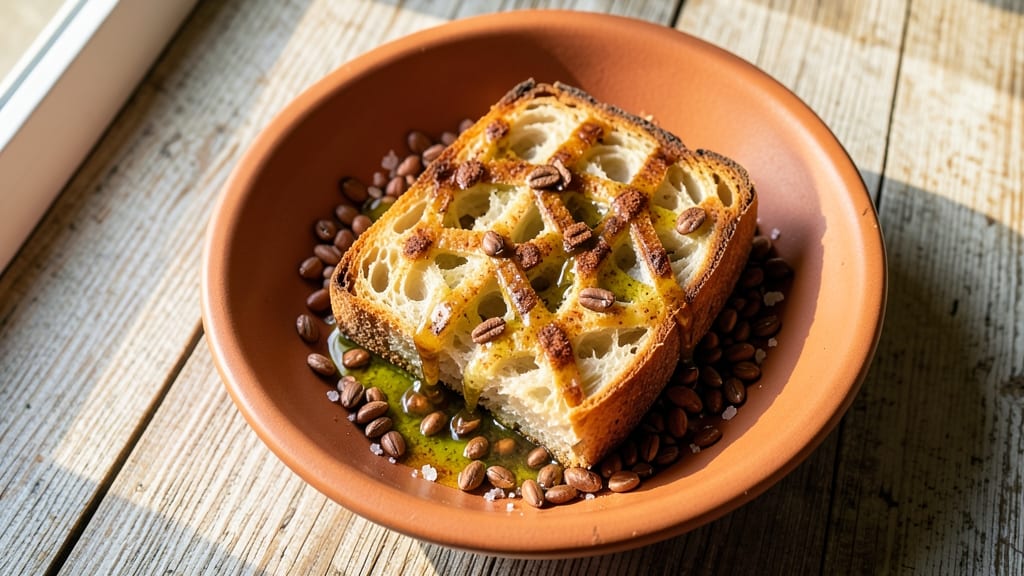
This asphodel bread recipe connects you to ancient Greek traditions through its simple yet symbolic preparation. Boiled wheat berries transform into a tender, honey-sweetened bread with deep cultural roots, often served during mourning rituals as a gesture of remembrance.
The process is straightforward yet profound—just wheat, water, and time—but the result carries centuries of meaning.
The beauty of kollyva lies in its versatility and simplicity. You'll boil hard wheat berries until tender, then shape them into loaves or small balls, often drizzled with honey for a touch of sweetness.
This traditional preparation requires patience, as the wheat must cook slowly to achieve the perfect texture—neither mushy nor hard. The result is a bread that's both comforting and symbolic, embodying Greek hospitality and respect for the past.
What makes this recipe special is its dual role as both a staple and a ritual. In Greek culture, kollyva represents remembrance and connection, often shared during religious observances or family gatherings.
The honeyed version adds a delicate sweetness that balances the earthy wheat, creating a dish that's both nourishing and meaningful. Whether you're preparing it for a special occasion or simply exploring Greek culinary traditions, this bread offers a taste of history in every bite.
Once prepared, asphodel bread can be served warm or at room temperature, often accompanied by olive oil or a sprinkle of cinnamon. Its mild, nutty flavor makes it a perfect side for grilled meats, roasted vegetables, or even as a standalone offering.
The process is meditative, and the result is a dish that honors tradition while fitting seamlessly into modern meals.
Ingredients for asphodel bread
Ancient Greek traditions meet modern simplicity with these nine essential ingredients.
| Ingredient | Amount | Notes |
|---|---|---|
| Hard Red Wheat Berries 🌾 | 1 cup | Uncooked, whole wheat berries |
| Filtered Water 💧 | 3 cups | For boiling wheat berries |
| Extra-Virgin Olive Oil 🫒 | ¼ cup | For finishing and drizzling |
| Raw Honey 🍯 | ¼ cup | Thyme honey preferred for authenticity |
| Ground Cinnamon 🌿 | ½ tsp | For subtle warmth (optional) |
| Sea Salt 🧂 | ¼ tsp | Diamond Crystal preferred |
| Lemon Zest 🍋 | 1 tsp | Freshly grated for brightness |
| Fresh Thyme Leaves 🌿 | 2 tbsp | Chopped, for aromatic depth |
| Ground Flaxseed 🌾 | 1 tbsp | Mixed with 3 tbsp water for binder |
| Unbleached All-Purpose Flour 🌾 | ½ cup | For binding (optional) |
The wheat berries are the heart of this recipe—hard red wheat is traditional, but emmer wheat adds historical authenticity if available at specialty stores like Whole Foods or Eataly. Soak them overnight for even cooking, or boil them directly for 45-60 minutes until fork-tender. The texture should be al dente, with a slight resistance when bitten. For the honey, thyme-infused varieties elevate the flavor, though any raw honey will work. If you can't find fresh thyme, dried works at half the amount. The olive oil should be extra-virgin, with a peppery finish to complement the honey's sweetness.
No honey? Agave nectar or maple syrup mimics the viscosity and sweetness, though the flavor profile differs slightly. Short on flaxseed? Chia seeds or mashed banana serve as binders, though flaxseed provides a neutral, plant-based cohesion. The cinnamon is optional but recommended for its cultural resonance—Ceylon cinnamon has a milder taste if you prefer subtlety. For lemon zest, avoid the white pith, as it can impart bitterness. If you're making this for a ritual occasion, consider adding a pinch of ground cloves for a deeper aromatic profile, though it's not traditional.
Store the cooked wheat berries in an airtight container in the refrigerator for up to 5 days, though they're best enjoyed within 3 days for optimal texture. For longer storage, freeze them in portions for up to 3 months. When reheating, a light drizzle of olive oil and a sprinkle of cinnamon restores their warmth. This bread is traditionally served at room temperature, allowing the flavors to meld. For a modern twist, toast slices lightly and serve with a drizzle of honey and a sprinkle of thyme leaves for a visually striking presentation.
Why You'll Love This Recipe
- No-Grain Nightmare: I swear, this bread requires zero fussing—just soak those hard red wheat berries overnight, toss in a splash of olive oil and honey, and let them bake. Honestly, the dough stage is basically a wet mix, not a sticky mess.
- Honey-Cinnamon Magic: That raw honey caramelizing with cinnamon? It’s like a warm hug in bread form. The wheat berries add a nutty bite, but the sweetness balances it perfectly—no cloying, just pure satisfaction.
- Breakfast to Brunch: Slice it toasted with butter for breakfast, tear it into croutons for salads, or serve it with lunch—it’s my go-to for any meal. (Yes, even on a Tuesday night when I’m too tired to think.)
- Pantry Goldmine: Hard red wheat berries are cheaper than flour, and this recipe stretches them far. Plus, the leftovers keep for days, so I’m always covered—no sad, stale bread here. Budget-friendly and delicious? That’s my kind of recipe.
Step-by-step instructions for ancient Greek asphodel bread
Transform humble wheat berries into a tender, honey-sweetened loaf with this authentic technique.
Cook the Wheat Berries Until Tender
In a medium saucepan, combine the 1 cup hard red wheat berries with the 3 cups filtered water. Bring to a boil over high heat, then immediately reduce to medium-low and simmer uncovered for 45-50 minutes. Stir occasionally to prevent sticking, but avoid mashing the berries - you want them to break down gently rather than turn into a paste.
The berries are ready when they're fork-tender but still hold their shape when pressed. You'll notice the water reduces significantly and takes on a creamy, porridge-like consistency. This forms the bread's foundation - don't drain the liquid, as it contains vital starches for binding. If any berries remain hard after 50 minutes, continue cooking for another 5-10 minutes until fully tender.
Prepare the Flaxseed Binder and Flavor Base
While the wheat berries cook, mix the 1 tablespoon ground flaxseed with 3 tablespoons water in a small bowl and set aside for 5 minutes to thicken. In a separate bowl, combine the 0.5 cup unbleached all-purpose flour, 0.5 teaspoon ground cinnamon, 0.25 teaspoon sea salt, and 1 teaspoon lemon zest. This dry blend will add structure and bright citrus notes to balance the wheat's earthiness.
In a small skillet, gently warm the 0.25 cup extra-virgin olive oil over low heat for 30 seconds until fragrant. Remove from heat and stir in the 2 tablespoons chopped fresh thyme leaves. This infused oil will carry the bread's aromatic depth. Let it cool slightly before using - the warmth helps release the thyme's essential oils.
Combine and Shape the Dough
Transfer the cooked wheat berry mixture to a large mixing bowl. Add the thickened flaxseed mixture, dry spice blend, and warm thyme-infused olive oil. Stir vigorously with a wooden spoon for 3-4 minutes until the mixture becomes cohesive and slightly sticky. You may need to use your hands to fully incorporate everything - the dough should be soft but manageable, not wet or runny.
Pour the 0.25 cup raw honey into the center of the dough and fold it in with a spatula. The honey will create pockets of sweetness throughout the bread. Transfer the dough to a lightly oiled baking sheet and shape it into a 6-inch round by gently pressing and smoothing the surface with oiled hands. The edges should be slightly thicker than the center, creating that classic asphodel bread profile.
Proof and Bake for Crispy Edges
Cover the shaped dough loosely with plastic wrap and let it proof at room temperature for 1 hour. You'll see the dough rise noticeably and develop a slightly domed shape. The proofing stage is crucial - it develops the bread's airy texture and allows flavors to meld. If your kitchen is cool, extend proofing to 1 hour 15 minutes until the dough feels springy when pressed gently.
Preheat your oven to 375°F with a baking stone or inverted baking sheet on the middle rack. Bake the bread for 25-30 minutes until the edges are deep golden brown and the internal temperature reaches 200°F. The center should remain slightly soft - this isphodel bread's signature texture. Rotate the baking sheet halfway through for even browning.
Finish with Honey and Rest
Immediately after removing from the oven, brush the top generously with any remaining honey using the back of a spoon. This creates a glossy finish and enhances the sweetness. Let the bread cool on a wire rack for at least 15 minutes before slicing - this resting period allows the internal structure to set properly and prevents a gummy texture.
The finished bread should have crispy, caramelized edges that give way to a tender, slightly chewy interior with pockets of honeyed sweetness. Each slice reveals the golden wheat berries throughout, creating visual appeal and texture contrast. Serve warm with olive oil drizzled over the top for the authentic Greek experience.
Pro Tips For Making Asphodel Bread
- Soak Wheat Overnight: I learned this the hard way—rushing the soak leaves your wheat berries chewy instead of tender. Use twice the water by volume (so 2 cups water per 1 cup berries) and let them sit in a warm spot for 12-14 hours. The extra water breaks down the starches faster, and the warmth speeds it up without gummy results.
- Toast the Berries First: Skip this, and your bread tastes flat. Dry-toast the wheat berries in a skillet over medium-low heat for 8-10 minutes until they smell nutty and develop a faint golden hue. This deepens the flavor and prevents a raw, grainy bite—trust me, your taste buds will notice.
- Honey at the End: Drizzle that raw honey after baking, not before. Mixing it into the batter makes the bread dense, and adding it to the pan turns it into a sticky mess. Brush a thin layer over the warm loaf for that caramelized crust without compromising texture.
- Oil the Pan Well: This isn’t the prettiest method, but it’s the tastiest. Use extra-virgin olive oil and coat the pan generously—even the sides—so the bread doesn’t stick. A light spray won’t cut it; you want a thin, even film. Wipe off any excess before pouring the batter.
Flavor customization for these flavors
Sweet vs. Savory
The traditional kollyva version skips honey entirely, emphasizing the earthy wheat flavor for solemn occasions. For a sweet twist, add ¼ cup raw honey (or agave) and ½ tsp cinnamon—this balances the wheat's nuttiness.
If you prefer savory, omit honey and finish with 1 tbsp olive oil and flaky sea salt for a Mediterranean-inspired bite. 🍯
Herb Variations
Swap thyme for rosemary (½ tsp dried) for a piney depth, or add 1 tsp orange zest to complement the honey’s sweetness. For a floral touch, infuse the olive oil with edible violets (½ cup) before mixing—this adds a delicate, fragrant note.
Fresh herbs should always be finely chopped to distribute flavor evenly.
Texture Adjustments
For a denser loaf, increase flour to ¾ cup and reduce water by 2 tbsp during cooking. To make it lighter, fold in 2 egg whites (whipped) before baking—this creates air pockets but makes it non-vegan.
For a crunchier crust, bake at 350°F for 35 minutes before finishing at 400°F for 5 minutes.
Seasonal Twists
In winter, add ½ tsp ground cardamom and 1 tbsp chopped pistachios for warmth. For spring, incorporate 1 tbsp lemon curd into the dough and top with edible flowers. Summer versions work well with ½ cup diced mango folded in—balance the sweetness with extra cinnamon. 🌿
Gluten-Free Adaptation
Replace all-purpose flour with ½ cup gluten-free 1:1 baking flour (like Bob’s Red Mill) and add 1 tbsp psyllium husk powder to the dry mix for binding.
Reduce honey to 2 tbsp to prevent stickiness. The texture will be slightly denser but still tender. Always check labels for certified gluten-free ingredients.
Spiced Honey Options
Experiment with flavored honeys: clove-infused (¼ tsp ground cloves + ¼ cup honey) adds warmth, while lemon-thyme honey brightens the flavor. For a smoky touch, mix 1 tbsp smoked paprika into the honey before drizzling.
Store homemade spiced honey in a small glass jar in the fridge for up to 3 months.
Nutrition facts
Frequently asked questions about asphodel bread
What makes asphodel bread different from regular wheat bread?
Asphodel bread uses whole wheat berries instead of flour, creating a unique texture with visible grains throughout. The cooking process involves boiling the berries until tender, then shaping them into loaves or balls, unlike traditional bread dough. This method yields a denser, nuttier bread with a crispy crust and soft center—perfect for both sweet and savory applications.
Can I make this bread without honey for a traditional kollyva version?
The classic kollyva version omits honey entirely, emphasizing the earthy wheat flavor for solemn occasions. Simply replace the honey with an extra 1 tablespoon of olive oil and a pinch of sea salt for finishing. This version is often served during Greek mourning rituals as a symbol of remembrance.
Why does the recipe call for both flaxseed and flour?
The flaxseed creates a natural binder that mimics eggs, making this bread vegan-friendly, while the flour adds structure and prevents crumbling. The combination ensures the wheat berries hold together during shaping and baking. If you're avoiding flaxseed, try chia seeds or mashed banana instead, though the texture may vary slightly.
How long can I store cooked wheat berries before baking?
Cooked wheat berries stay fresh in an airtight container in the refrigerator for up to 5 days, though they're best used within 3 days for optimal texture. For longer storage, freeze them in portions for up to 3 months. Reheat gently with a splash of water before shaping to restore moisture.
What’s the best way to serve asphodel bread?
Serve warm with a drizzle of extra-virgin olive oil and a sprinkle of cinnamon for authenticity. It pairs beautifully with grilled meats, roasted vegetables, or as a standalone offering during family gatherings. For a modern twist, toast slices lightly and top with fresh fruit or a dollop of whipped yogurt.