
Side Dishes
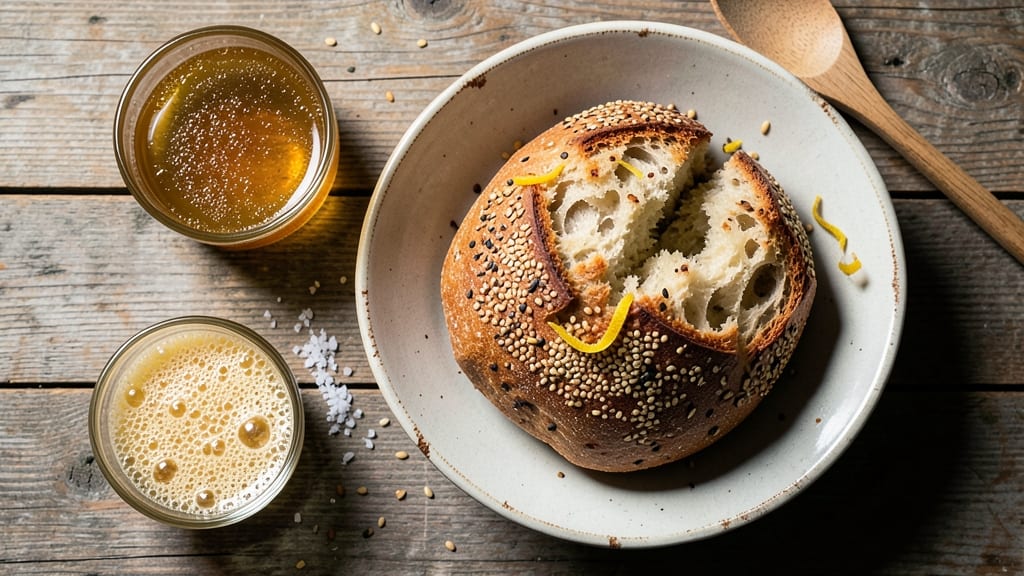
This artisan seeded bread recipe delivers the perfect balance of crusty crunch and nutty swirls—a loaf so satisfying it’ll become your new kitchen staple. The secret lies in the blend of seeds (sesame, sunflower, and pumpkin) that add texture and flavor while keeping the open crumb structure intact.
I’ve perfected this method over years of baking, ensuring even home ovens can achieve bakery-quality results without fuss.
The process begins with a simple dough of flour, water, and yeast, but it’s the seeds that transform it into something extraordinary. They’re mixed in during the final knead, creating pockets of flavor and crunch that contrast beautifully with the tender crumb.
Proofing and shaping are where the magic happens—patience here ensures that open crumb and golden crust you crave.
By the time it emerges from the oven, you’ll have a loaf with a shatteringly crisp exterior and a soft, airy interior studded with nutty, toasted seeds.
The aroma alone will have everyone gathering around the table. This bread pairs perfectly with soups, salads, or simply buttered and sliced—it’s that good.
Whether you’re a seasoned baker or just starting out, this recipe is designed to succeed. I’ve included troubleshooting tips for common issues like dense crumb or pale crust, so you’ll get it right the first time. Let’s get baking!
Ingredients for artisan seeded bread
Four cups of flour kick off this loaf, but the real magic happens with those toasted seeds.
| Ingredient | Amount | Notes |
|---|---|---|
| All-Purpose Flour 🌾 | 4 cups | Bread flour for better texture |
| Active Dry Yeast 🍞 | ¼ tsp | Or 1 packet (2.25 tsp) |
| Granulated Sugar 🍚 | 1 tbsp | Feeds the yeast |
| Salt 🧂 | 1 ½ tsp | Diamond Crystal preferred |
| Warm Water 💧 | 1 ½ cups | 110°F for best activation |
| Sesame Seeds 🌱 | ¼ cup | Toasted for extra flavor |
| Sunflower Seeds 🌻 | ¼ cup | Shell-free preferred |
| Pumpkin Seeds 🎃 | ¼ cup | Pepitas work too |
| Olive Oil 🫒 | 2 tbsp | Extra-virgin for richness |
| Cornmeal 🌽 | ½ cup | For dusting and crunch |
| Coarse Sea Salt 🧂 | 1 tbsp | For final crust sprinkle |
| Ice Water ❄️ | ¼ cup | For final dough adjustment |
The seeds are non-negotiable here. Trader Joe's carries all three in bulk bins, or grab them at any Latin market—they're fresher and cheaper. Toast them first in a dry pan for 3-4 minutes until fragrant (that nutty aroma is everything). Bob's Red Mill has pre-toasted options if you're in a hurry, but fresh toasted seeds give the best crunch. The flour should be bread flour if you've got it—all-purpose works, but the crumb won't be quite as open. I always measure my flour by weight (1 cup = 120g) for consistency, but if you're eyeballing it, scoop and level for accuracy.
No sesame seeds? Flaxseeds or poppy seeds work in a pinch, but the flavor won't be the same. Running short on time? Pre-toasted seeds from the bulk section save you 5 minutes. The yeast is the heart of this dough—if your kitchen's cold, use warm water (110°F) to activate it properly. For the water, tap is fine, but if you've got filtered or spring water, use that for cleaner flavor. The olive oil matters too—skip the cheap stuff; California olive oil from the grocery store's gourmet section makes a difference in the final crumb.
This dough keeps beautifully. Proof it overnight in the fridge for deeper flavor—just let it sit at room temp for 1 hour before baking. The seeds stay fresh for 3 months in the pantry, but toast them fresh before mixing. For leftovers, slice and toast—it reheats like a dream. I always bake two loaves at once (double the recipe) and freeze one. The crust stays crisp even after freezing, which is basically a miracle.
Why You'll Love This Recipe
- No Yeast Stress: I swear by this dough—just mix, let it rise, and bake. The yeast activates in warm water like clockwork, so no guessing if it’s alive or dead. (I’ve had my share of sad, flat loaves to know this matters.)
- Crunchy-Chewy Magic: That first bite? Pure texture contrast—the crust shatters under your teeth while the inside stays soft and airy, all from a simple flour-water-yeast base. Honestly, it’s the kind of bread that makes you pause mid-slice just to appreciate it.
- Weeknight Workhorse: Toss it in the oven while you prep dinner, and it’s done by the time you’re plating. I make two loaves on Sundays—they last all week for toast, sandwiches, or soaking up soup. (Yes, even on a Tuesday night.)
- Pantry Staple: All-purpose flour and basic pantry staples mean you’re never stuck buying specialty ingredients. A dollar’s worth of yeast and sugar stretches into multiple loaves, and the seeds (if you add them) are just a sprinkle—no fuss. My budget and my taste buds thank me.
Step-by-step instructions for artisan seeded bread
Let's create a rustic loaf with a crispy crust and nutty, crunchy seeds throughout.
Activate the Yeast with Warm Water and Sugar
In a small bowl, combine the 1.5 cups warm water (around 110°F) with the 1 tbsp granulated sugar and 0.25 tsp active dry yeast. Let it sit for 5-10 minutes until frothy. You'll see tiny bubbles forming on the surface—this confirms your yeast is alive and ready to work. If nothing happens after 10 minutes, your yeast may be dead, and you'll need to start over.
This activation step is crucial. The sugar feeds the yeast, kickstarting fermentation. I always double-check the water temperature with a thermometer—too hot and you'll kill the yeast; too cold and it won't activate properly. The frothy mixture should look like a bubbly beer, not flat soda water.
Mix the Dough and Develop Gluten
In a large bowl, whisk together the 4 cups all-purpose flour and 1.5 tsp salt. Make a well in the center and pour in the yeast mixture along with the 2 tbsp olive oil. Using a wooden spoon, stir until a shaggy dough forms, then turn it out onto a lightly floured surface.
Now comes the fun part—kneading. Work the dough for 8-10 minutes until it becomes smooth and elastic. You'll know it's ready when it springs back slowly when poked. I like to use the "windowpane test" occasionally during kneading: stretch a small piece of dough thin enough to see light through it. If it tears, keep kneading for another minute or two.
First Rise and Seed Incorporation
Lightly oil a large bowl, place the dough inside, and cover with a damp towel. Let it rise in a warm spot for 1-2 hours or until doubled in size. While it rises, toast the 0.25 cup sesame seeds, 0.25 cup sunflower seeds, and 0.25 cup pumpkin seeds in a dry skillet over medium heat for 3-4 minutes until fragrant and lightly browned.
Once the dough has risen, punch it down gently to release air. On a floured surface, roll the dough into a rectangle about ½-inch thick. Sprinkle the toasted seeds evenly over the surface, then roll it up tightly like a log. Seal the seam by pinching the dough edges together.
Shape and Final Proof
Place the seeded loaf seam-side down on a baking sheet dusted with 0.5 cup cornmeal. Cover loosely with plastic wrap and let it rise for another 30-45 minutes until puffy. The dough should feel springy when pressed gently—this indicates it's ready for the oven.
Preheat your oven to 425°F with a baking stone or inverted baking sheet inside. Sprinkle the loaf with 1 tbsp coarse sea salt and score the top with a sharp knife in a decorative pattern. This not only looks beautiful but also helps control the oven spring.
Bake to Golden Perfection
Bake the loaf for 25-30 minutes until it's deep golden brown and sounds hollow when tapped on the bottom. For extra crustiness, I like to spray the oven walls with water during the last 5 minutes of baking—this creates steam that enhances the oven spring.
Remove the bread from the oven and let it cool on a wire rack for at least 30 minutes before slicing. The interior should be soft and slightly open, with pockets of air from the seeds. The crust should be crisp enough to shatter slightly when broken, with that beautiful caramelized color we worked so hard for.
Pro Tips For Making Artisan Seeded Bread
- Bloom the Yeast First: Skip mixing dry yeast straight into the flour—it’s lazy and unreliable. Instead, dissolve it in warm water (110°F) with a pinch of sugar, then wait 5-10 minutes until it’s frothy and bubbly. This guarantees your bread rises properly, not just maybe rises.
- Mix Seeds Last: Add seeds to the dough only after the first 5 minutes of kneading. This prevents them from getting pulverized into the flour, which ruins texture and makes the bread dense. Toss them in with the salt at the end for even distribution.
- Don’t Over-Knead: The dough should spring back slowly when poked—like a memory foam mattress, not a trampoline. Overworking it develops gluten too much, and your bread turns out chewy instead of light. Stop when it’s smooth but still slightly tacky.
- Use a Banneton Basket: If you don’t have one, line a bowl with a floured kitchen towel and dust it with rice flour instead of all-purpose. The towel creates less friction, and the rice flour prevents sticking without gummy residue. (Yes, it’s a hack, but it works.)
Best sauces and condiments for these flavors
Herb Butter Spread
Warm slices of this seeded bread with herb-infused butter—mix ½ cup softened butter with 1 tbsp chopped fresh rosemary, 1 tbsp chopped fresh thyme, 1 minced garlic clove, and a pinch of flaky sea salt.
Spread generously on toasted slices for a savory, aromatic bite that complements the nutty seeds. 🌿
Whole Grain Mustard
A drizzle of whole grain mustard adds tangy contrast to the bread’s richness. I recommend French’s Classic Yellow or Annie’s Organic Dijon—both pair beautifully with the toasted seeds.
Mix 1 tbsp mustard with 1 tsp honey and spread on warm bread for a sweet-and-sour balance. The mustard’s sharpness cuts through the bread’s nutty depth.
Olive Oil Drizzle
Finish your bread with a high-quality olive oil drizzle—I love California extra-virgin olive oil like Corto or Bertolli. Drizzle 1 tbsp oil over warm slices and sprinkle with flaky salt for a Mediterranean-inspired touch. The oil enhances the seeds’ toasted flavor while adding a silky texture. 🫒
Garlic Aioli
For a creamy, garlicky kick, blend ½ cup mayonnaise, 2 minced garlic cloves, 1 tsp lemon juice, and ½ tsp salt until smooth. Spread on toasted bread and top with thinly sliced red onion for a restaurant-worthy dip.
The aioli’s richness contrasts perfectly with the bread’s crisp crust and crunchy seeds.
Spicy Honey Glaze
Combine 2 tbsp honey with ½ tsp cayenne pepper and a pinch of smoked paprika for a sweet-spicy glaze. Brush warm bread slices with this mixture and broil for 1-2 minutes to caramelize.
The heat from the cayenne balances the bread’s nutty sweetness, while the honey adds a sticky, glossy finish. 🌶️
Cream Cheese & Jam
Spread whipped cream cheese on toasted bread and top with raspberry or apricot jam for a sweet, creamy contrast. I like Philadelphia cream cheese and Bon Appétit jam—the tangy jam brightens the bread’s richness. This combo is perfect for breakfast or a light snack with tea.
Nutrition facts
Frequently asked questions
Can I substitute seeds in this artisan seeded bread?
The recipe works with any combination of seeds you prefer. Try flaxseeds or poppy seeds for a different texture, or swap in chia seeds for extra omega-3s. Just toast them first to enhance flavor—3-4 minutes in a dry pan does the trick. The total amount should remain 0.75 cup for best texture.
Why did my bread turn out dense instead of airy?
Dense bread usually means the yeast didn't activate properly or the dough didn't rise enough. Check your yeast first—it should foam within 5-10 minutes in warm water. Also ensure your dough doubled in size during proofing. For future batches, try a warm oven (90°F) for rising if your kitchen is cold.
How long can I store this seeded bread?
This bread stays fresh for 3-4 days at room temperature wrapped in a towel. For longer storage, freeze the cooled loaf wrapped in plastic and foil—it keeps for 3 months. Thaw at room temperature and toast for best results. The seeds stay crunchy even after freezing!
Can I make this bread without a stand mixer?
Yes! This recipe is designed for hand-kneading. Work the dough for 8-10 minutes on a floured surface until smooth and elastic. The windowpane test helps—stretch a small piece thin enough to see light through it. If it tears, knead another 1-2 minutes. Your arms will thank you for the workout!
What's the best way to reheat sliced seeded bread?
For crispy crust and warm interior, toast slices in a 375°F oven for 5-7 minutes or use a toaster until golden. Avoid microwaving—it makes the crust soggy. Pro tip: Wrap cooled slices in foil and reheat at 350°F for 3-4 minutes to maintain freshness.