
Side Dishes
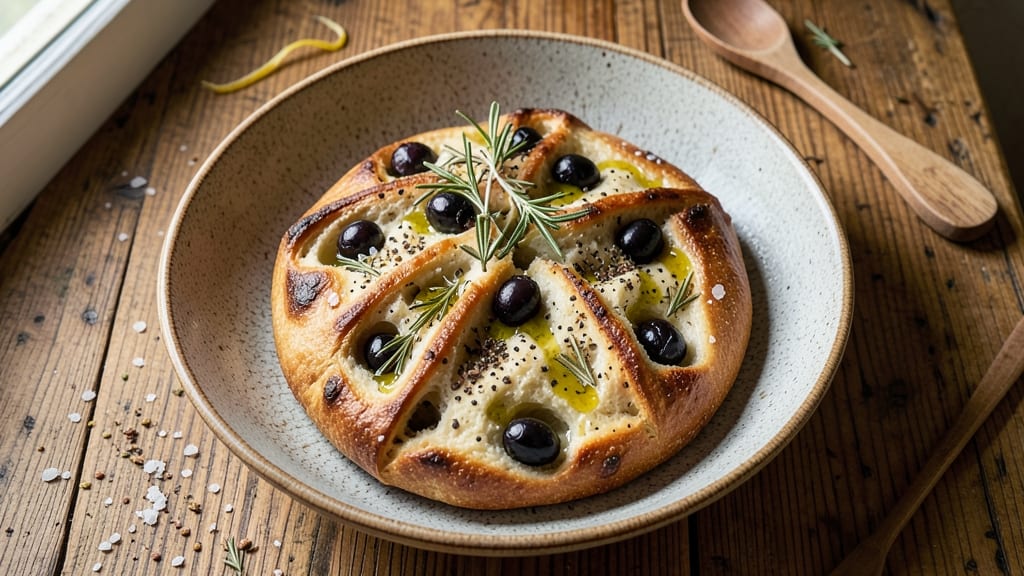
This artisan olive bread recipe transforms simple dough into a masterpiece of crusty crunch and briny depth. The secret lies in blending traditional bread-making techniques with Mediterranean flavors—chopped Kalamata olives and fragrant herbs woven directly into the dough for bursts of salty, aromatic surprise.
I perfected this recipe after years of baking, balancing olive oil's richness with yeast's lift to create a loaf that's both rustic and refined.
The process begins with a straightforward dough of high-protein flour, water, and yeast, but it's the olives that elevate everything. Finely chopped Kalamata olives (or a paste for intense flavor) infuse each bite with Mediterranean character, while a long fermentation develops depth.
The result? A golden crust that snaps satisfyingly, giving way to an airy crumb studded with olive flecks—each slice a testament to how a single ingredient can transform a classic.
What you'll achieve is bread that's crisp enough to hold up to hearty soups or charcuterie boards, yet tender enough to melt in your mouth when fresh. The olives add a salty contrast that pairs beautifully with olive oil dips, aged cheeses, or even as a side to grilled meats.
This isn't just bread—it's a flavor experience that turns a simple loaf into a centerpiece.
For best results, let the dough rest overnight for maximum flavor development, and bake until the crust reaches that perfect golden-brown. The aroma alone will have everyone gathering around the table. Let's create this Mediterranean masterpiece together.
Ingredients for artisan olive bread
Four cups flour kickstarts this Mediterranean masterpiece—where olives and herbs transform simple dough into golden, aromatic loaves.
| Ingredient | Amount | Notes |
|---|---|---|
| High-Protein Bread Flour 🌾 | 4 cups | King Arthur or similar preferred |
| Active Dry Yeast 🍞 | 0.03 oz | 1 packet (2.25g) or 2 1/4 tsp |
| Warm Water 💧 | 1 ¼ cups | 105-110°F, not boiling |
| Extra-Virgin Olive Oil 🫒 | ½ cup | High quality, fruity |
| Kalamata Olives 🫒 | ½ cup | Pitted, finely chopped |
| Dried Rosemary 🌿 | 1 tbsp | Finely chopped or ground |
| Dried Oregano 🍃 | 1 tsp | Mediterranean blend preferred |
| Sea Salt 🧂 | 1 ½ tsp | Fine grain, Diamond Crystal |
| Coarse Sea Salt 🧂 | 1 tbsp | For sprinkling on top |
| Cornmeal 🌽 | ¼ cup | For dusting baking sheet |
| Ice Water 💧 | ¼ cup | For shaping dough |
The flour is everything here. King Arthur or Caputo Tipo 00 give that perfect chew, but any high-protein bread flour works. Yeast? Grab a fresh packet—Fleischmann's or Bob's Red Mill are reliable. Kalamata olives are non-negotiable for that briny depth, but green olives in a pinch (just chop them extra fine). Rosemary and oregano should be from the bulk bins at Whole Foods or Trader Joe's—they stay fresher longer. Pro tip: Toast your dried herbs in a dry pan for 30 seconds before adding to the dough—wakes up those flavors.
No Kalamata olives? Green olives or sun-dried tomatoes work, but chop them extra fine so they distribute evenly. Out of dried rosemary? Fresh works at half the amount, but remove stems first. The olive oil matters—California extra-virgin has the best fruity notes. For the yeast, if your packet's past its expiration, test it first: proof it in warm water with a pinch of sugar—should bubble in 5-10 minutes. No cornmeal? Semolina or flour works too, just dust that baking sheet well. The coarse sea salt? Maldon or Jacobsen flakes are ideal, but any coarse salt does the trick.
This dough is a patient one—let it rest overnight for maximum flavor. Store it in the fridge, covered, for up to 24 hours. The olives and herbs keep their vibrancy best when added fresh, but prepped dough with just flour, yeast, and water can chill for 3 days before adding the wet ingredients. Once baked, these loaves stay crisp at room temp for 2 days, but wrap them in a cloth to keep that crust from getting soggy. Freeze unbaked loaves for up to 3 months—thaw overnight in the fridge before baking.
Why You'll Love This Recipe
- No-Knead Magic: I swear by this dough—just mix, let it rise, and forget it. The high-protein flour handles all the work while I sip coffee, and that olive oil keeps it tender without fuss.
- Salty, Savory Crunch: Those briny Kalamata olives? They’re the star—bursting in every bite with a crispy crust that’s dangerously good with soup or on its own. (Yes, I eat it cold straight from the bag.)
- Weeknight Workhorse: Toss it in a basket for breakfast, tear it over salads, or use it to mop up pasta sauce. It’s my go-to when I’m too tired to think but still need something impressive.
- Leftovers That Last: A single loaf feeds us for days—sandwiches, croutons, even fried slices for garlic bread. Honestly, the only downside is waiting for the next batch to bake.
Step-by-step instructions for artisan olive bread
Here's how to craft that perfect crusty loaf with a briny, herby bite you'll crave.
Activate the Yeast with Warm Water
In a medium bowl, combine the 1.25 cups warm water (between 105-110°F) with the 0.03 oz active dry yeast. Let it sit for 5-10 minutes until you see frothy bubbles forming on top. This tells you the yeast is alive and ready to work its magic.
If you don't see bubbles after 10 minutes, your yeast might be dead—start over with fresh yeast. I always double-check this step because dead yeast means a dense, flavorless loaf. Once bubbly, add the 1 tbsp dried rosemary, 1 tsp dried oregano, and 1.5 tsp sea salt to the yeast mixture. Stir gently to dissolve the salt completely.
Mix the Dough with Olive Oil and Flour
In a large stand mixer fitted with the dough hook, add the 4 cups high-protein bread flour. With the mixer on low speed, slowly pour in the yeast mixture while mixing. After 2 minutes, add the 0.5 cup extra-virgin olive oil and mix for another 3-4 minutes until the dough comes together and pulls away from the sides of the bowl.
The dough should be slightly sticky but manageable—if it's too wet, add 1-2 tablespoons more flour; if too dry, add 1 teaspoon warm water. Once combined, increase the speed to medium and knead for 8-10 minutes until the dough is smooth and elastic. You'll know it's ready when it springs back slowly when poked.
First Rise and Add the Olives
Transfer the dough to a lightly oiled bowl, cover with a damp kitchen towel, and let it rise in a warm place for 1-1.5 hours, or until it has doubled in size. While it rises, finely chop the 0.5 cup kalamata olives and set them aside.
After the dough rises, punch it down to release air, then turn it out onto a lightly floured surface. Gently work the chopped olives into the dough by hand, pressing them in just enough to distribute evenly without overworking. Shape into a rough rectangle about 12x8 inches and fold the edges toward the center to create a sealed loaf shape.
Shape and Final Rise
Transfer the shaped dough to a parchment-lined baking sheet dusted with 0.25 cup cornmeal. Cover loosely with plastic wrap and let it rise for another 45-60 minutes until it puffs up noticeably. Preheat your oven to 425°F while the dough rises—this ensures a hot oven when it's time to bake.
Just before baking, use a sharp knife to score the top of the dough in a decorative pattern. Sprinkle generously with 1 tbsp coarse sea salt for that classic artisan touch. The salt will create steam during baking, helping the crust develop that beautiful golden-brown color.
Bake to Crusty Perfection
Bake the bread for 25-30 minutes until the crust is deep golden brown and sounds hollow when tapped on the bottom. The internal temperature should reach 190-200°F when checked with an instant-read thermometer.
Remove from the oven and let it cool on a wire rack for at least 30 minutes before slicing. This resting time allows the crumb to set and the flavors to meld. The bread will be warm, crusty, and packed with briny olive flavor—perfect for dipping in olive oil or pairing with soups.
Pro Tips For Making Artisan Olive Bread
- STRETCH AND FOLD: The high-protein flour in this dough is stubborn—it wants to resist shaping. After your first bulk ferment, punch it down, cover it, and let it rest another 10 minutes. Then fold the dough in thirds like a letter, rotating the bowl between folds. This builds gluten and keeps the olives evenly distributed so they don’t sink to the bottom like rocks in your final loaf.
- BRINE THE OLIVES: Skip the jarred olives—pitted Kalamata olives taste flat when straight from the can. Instead, soak them in a 1:1 water-to-olive oil brine with ½ teaspoon salt for at least 30 minutes before chopping. This plumps them up and mellows their bitterness, so they don’t overpower the bread’s crust. (Yes, even if you’re impatient like me.)
- DON’T OVERPROOF THE DOUGH: I learned this the hard way—my first olive bread collapsed into a sad, dense pancake because I let it rise too long. For high-protein flour, the dough is ready when it springs back slowly (not instantly) when poked, and the olives have risen to the top. If you’re unsure, check at the earlier end of the estimated rise time. Overproofing is harder to fix than underproofing.
- USE A DAMP TOWEL FOR STEAM: Artisan bread needs steam for that chewy crust, but covering the Dutch oven with a towel instead of a metal lid gives you more control. Spritz the towel with water before baking, and add ice cubes to the oven rack 5 minutes in for extra drama. The towel won’t warp like a lid, and you can peek without losing steam—no more guessing if the crust is browning too fast.
Serving suggestions for this dish
Olive Oil Dip
Serve warm slices with a simple olive oil dip—just whisk ½ cup extra-virgin olive oil with 1 tbsp lemon juice, ½ tsp flaky sea salt, and a pinch of red pepper flakes. The bread's briny notes harmonize perfectly with the fruity oil, creating a Mediterranean trifecta. 🫒
Charcuterie Board
Use this bread as the foundation for a Mediterranean charcuterie board. Pair with aged pecorino cheese, prosciutto di Parma, roasted red peppers, and marinated artichokes. The olives in the bread complement the cured meats beautifully, while the crusty texture holds up to all the toppings.
Soup Pairing
This bread shines with minestrone soup or tomato basil soup. The crusty exterior soaks up the broth perfectly, while the herby olives add a salty contrast to creamy or vegetable-based soups. I like to serve it alongside a balsamic glaze for dipping—trust me, it's a game-changer. 🍲
Breakfast Option
Toast thick slices and top with creamy ricotta, honey drizzle, and crushed pistachios for a Mediterranean-inspired breakfast. The olives add a surprising but delicious salty contrast to the sweet ricotta, making it feel like a vacation in every bite. Perfect for brunch with coffee!
Grilled Meats
Serve alongside grilled lamb chops or herb-roasted chicken for a complete meal. The bread's crusty texture cuts through rich meats, while the olives and rosemary echo the herbs in the marinade. I often bake an extra loaf just for this purpose—it disappears fast! 🔥
Cheese Platter
Create a cheese-focused spread with goat cheese, feta, and manchego. The bread's olive and herb notes balance the tangy cheeses beautifully. Add fig jam and walnuts for a sweet-savory contrast that elevates the whole platter. It's a crowd-pleaser at any gathering! 🧀
Nutrition facts
Frequently asked questions about artisan olive bread
Can I use fresh olives instead of dried?
Fresh olives work, but they release more moisture and can make the dough too wet. If you must use them, pat them thoroughly dry and chop extra fine. For every ½ cup fresh olives, reduce the water in the dough by 2 tablespoons to maintain the right consistency.
Why did my bread turn out dense instead of crusty?
Dense bread usually means the yeast didn't activate properly or the dough didn't rise enough. Double-check your yeast—it should bubble in 5-10 minutes in warm water. Also, ensure your oven is hot enough (425°F) and steam is created during baking (sprinkle water in the pan). A Dutch oven helps trap steam for that perfect crust.
How do I store leftover artisan olive bread?
Keep it fresh by wrapping in a clean kitchen towel or beeswax wrap at room temperature for 2 days. For longer storage, freeze the whole loaf (unwrapped) for up to 3 months. To revive, thaw overnight in the fridge and reheat in a 350°F oven for 5-10 minutes to restore crispiness.
Can I make this bread without a stand mixer?
Mix the dough by hand in a large bowl, using a wooden spoon first, then kneading on a floured surface for 10-12 minutes until smooth. The key is patience—work the dough until it springs back slowly when poked. A dough scraper helps prevent sticking.
What’s the best way to reheat sliced olive bread?
For crispy slices, wrap them in foil and warm in a 350°F oven for 5-7 minutes. For toasted slices, use a toaster or broil for 2-3 minutes until golden. Avoid the microwave—it makes the crust soggy. The olive oil in the bread keeps it moist even when reheated.