
Side Dishes
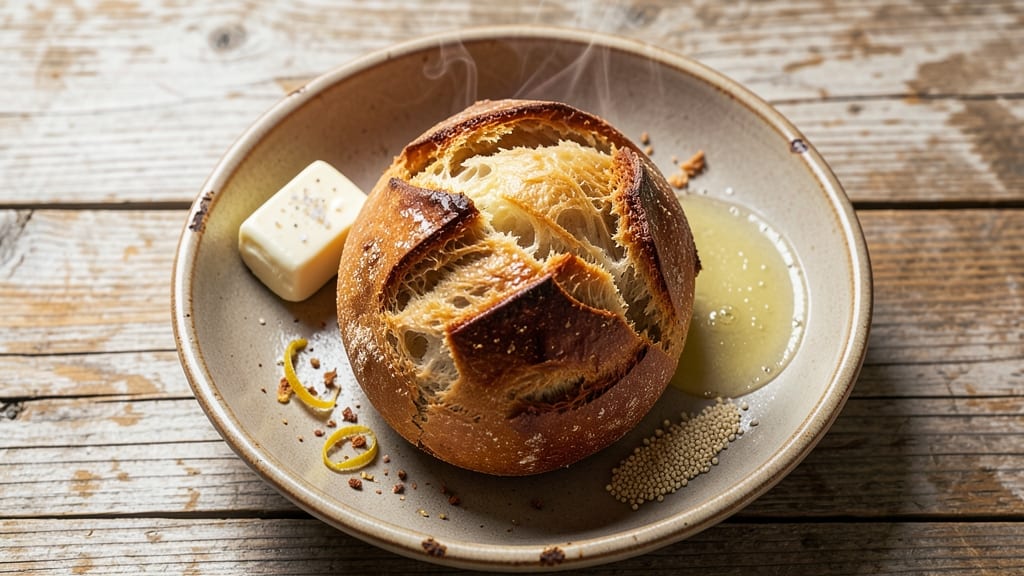
This Austrian bread recipe delivers the perfect balance of crispy crust and tender crumb with signature seeded swirls that taste like home. The secret lies in traditional techniques—using lard for rich flavor, proper kneading for structure, and a long fermentation for depth.
After years of perfecting this recipe, I've developed a method that achieves restaurant-quality results in your own kitchen.
What sets this bread apart is the combination of lard and butter in the dough, which creates a rich flavor and golden crust. The seeded swirls add visual appeal and a delightful contrast in texture, while the hearthy crumb ensures every bite is satisfying.
This recipe stays true to Austrian tradition while being practical for home cooks—no special equipment required.
The result is a loaf with a crispy, crackling crown that gives way to a soft, airy interior. The seeded swirls add a subtle nutty flavor and beautiful golden streaks throughout. Perfect for serving with soups, sandwiches, or simply enjoying with butter straight from the oven.
Whether you're making it for a special occasion or a cozy weeknight dinner, this Austrian bread will impress. The recipe includes tips for achieving the perfect texture and troubleshooting common issues. Let's get started on this timeless classic!
Ingredients for austrian bread
Six cups flour, half a cup lard—this is where the magic happens for that iconic Austrian crust.
| Ingredient | Amount | Notes |
|---|---|---|
| All-Purpose Flour 🌾 | 6 cups | High-protein preferred for chewiness |
| Unsalted Butter 🧈 | ½ cup | Cold, cubed for dough |
| Lard 🧈 | ½ cup | Leaf or leaf fat preferred |
| Active Dry Yeast 🍞 | 2 ¼ tsp | Or 1 packet instant yeast |
| Granulated Sugar 🍚 | 1 tbsp | For yeast activation |
| Warm Water 💧 | 1 ¼ cups | 110°F for ideal yeast |
| Salt 🧂 | 1 ½ tsp | Diamond Crystal preferred |
| Sesame Seeds 🌱 | ¼ cup | Toasted for extra flavor |
| Poppy Seeds 🌱 | ¼ cup | Freshly ground preferred |
| Sunflower Seeds 🌱 | ¼ cup | Lightly toasted |
| Milk 🥛 | ¼ cup | Warmed for dough elasticity |
| Cornmeal 🌽 | ¼ cup | For dusting and crust |
| Large Eggs 🥚 | 1 whole | Room temperature |
The lard is non-negotiable here—leaf lard from the grocery store's meat section gives that signature rich flavor. King Arthur or Caputo flour if you want to splurge, but King Arthur's high-protein works perfectly. The seeds? Trader Joe's bulk bins are my go-to—they're cheaper and fresher than pre-packaged. Toast them in a dry pan for 2 minutes before mixing; that extra crunch makes all the difference. And don't skip the cornmeal—it's what gives that beautiful golden crust. I always keep a bag on hand for bread days.
No lard? Substitute with extra butter, but you'll lose some of that traditional flavor. Sesame seeds too expensive? Swap for extra sunflower seeds—same nutty vibe. The yeast can be instant or active dry, but make sure it's fresh—if it doesn't foam in 5 minutes with sugar and warm water, toss it. For the dough, I use a stand mixer with a dough hook, but your hands work too—just plan for more elbow grease. The milk can be any kind, but whole milk gives the best texture.
This dough needs time—at least 2 hours of rising, but I often let it go overnight in the fridge for deeper flavor. Store any leftovers wrapped tightly at room temp for 2 days or freeze for 3 months. The seeds keep in the freezer for 6 months—toast them straight from frozen. For that perfect crust, bake at 425°F with steam—spray the oven walls before adding the loaf. Trust me, the extra minute to preheat is worth it.
Why You'll Love This Recipe
- No-Fuss Dough: I swear by this—just mix, knead, let it rise. The lard and butter combo makes it rich without fuss, and honestly? I’ve made it while scrolling through my phone.
- Buttery Crust Magic: That crispy, golden crust with a tender inside? The sugar and butter caramelize just right, giving it a flavor that’s dangerously addictive. (Yes, even on a Tuesday night.)
- Weeknight Hero: Freezes like a dream, so I bake a loaf on Sunday and toast slices all week. Perfect for breakfast, sandwiches, or just dipping in soup—it’s my go-to for lazy mornings.
- Budget-Friendly Luxury: Uses pantry staples, and a single batch stretches for days. The lard keeps it tender, so it doesn’t dry out—meaning fewer wasted slices and more happy meals.
Step-by-step instructions for Austrian bread with seeded swirls
Here's the method that delivers that signature Austrian crust and hearty interior—every bite packed with nutty flavor.
Activate the Yeast and Mix the Dough
In a large bowl, combine the 1.25 cups warm water (about 110°F) with the 1 tbsp granulated sugar and 2.25 tsp active dry yeast. Let it sit for 5-10 minutes until foamy—this tells you the yeast is alive and ready to work. If it doesn't foam, your yeast might be dead, and you'll need to start over.
In a separate large bowl, whisk together the 6 cups all-purpose flour and 1.5 tsp salt. Make a well in the center and pour in the yeast mixture along with the 0.5 cup cold cubed unsalted butter, 0.5 cup lard, 0.25 cup warmed milk, and 1 whole large egg. Mix with a wooden spoon until a shaggy dough forms, then turn it out onto a lightly floured surface.
Knead Until Smooth and Elastic
Knead the dough vigorously for 10-12 minutes by hand or 6-8 minutes in a stand mixer with a dough hook, until it becomes smooth, elastic, and springs back when poked. The dough should feel slightly tacky but not sticky—add just enough flour if needed to prevent sticking.
This kneading develops gluten, which gives the bread its signature chewy interior. If the dough feels too soft, it might need a few more minutes—press your finger into it; if the indentation stays, it's ready. Cover the bowl with a damp towel and let it rise in a warm place for 1-1.5 hours, until doubled in size.
Prepare the Seeded Filling and Shape the Loaf
In a small bowl, mix together the 0.25 cup toasted sesame seeds, 0.25 cup freshly ground poppy seeds, and 0.25 cup lightly toasted sunflower seeds. Set aside. Punch down the risen dough and divide it into two equal pieces. Roll each piece into a rectangle about 8x12 inches.
Spread the seeded mixture evenly over one rectangle, leaving a 1-inch border around the edges. Roll up tightly from the long side to form a log, then pinch the seam to seal. Repeat with the second piece of dough. Place the logs seam-side down on a baking sheet dusted with 0.25 cup cornmeal, and cover with a damp towel. Let them rise for another 30-45 minutes until puffy.
Shape Into a Crown and Score the Top
Gently press the two logs together to form a single, larger log. Shape it into a 12-inch circle, pinching the edges to seal. Place the circle on a parchment-lined baking sheet, seam-side down. Cover with a damp towel and let it rise for 1 hour, until nearly doubled in size and jiggly when shaken gently.
Preheat your oven to 425°F. Using a sharp razor blade or serrated knife, score the top of the bread in a decorative pattern—traditional Austrian designs work best. This step not only looks impressive but also helps the bread expand evenly as it bakes.
Bake Until Golden and Crisp
Bake the bread for 25-30 minutes until the crust is deep golden brown and sounds hollow when tapped on the bottom. The internal temperature should reach 190-200°F. For extra crispiness, I like to spray the oven walls with water during the last 5 minutes of baking—this creates steam that enhances the crust.
Remove the bread from the oven and let it cool on a wire rack for at least 30 minutes before slicing. The crust should be shatteringly crisp, while the interior remains soft and chewy. Slice it thickly and serve warm with butter—every bite should be packed with that nutty, seeded goodness you crave.
Pro Tips For Making Austrian Bread
- CHILL THE DOUGH: Austrian bread’s magic happens when the dough rests overnight in the fridge—don’t skip this. The cold slows fermentation, letting flavors develop deeper and the texture get that perfect flaky crunch. I used to rush it, and the bread always tasted flat. Trust the process, even if it’s tempting to bake sooner.
- CUT THE LARD COLD: Unsalted butter and lard need to be ice cold when cutting into the dough. If they soften, you’ll end up with greasy pockets instead of that signature crisp, layered texture. Wipe the butter with a damp towel first—it sticks less and cuts cleaner. (Yes, it’s fussy, but the payoff is worth it.)
- DON’T OVER-KNEAD: Austrian bread dough is delicate—overworking it turns it tough. Stop when it’s just past the "windowpane test" (stretch a piece, and it should thin without tearing). I learned this the hard way after making a chewy brick instead of flaky layers. Less is more here.
- USE A THIN ROLL: Roll the dough as thin as possible—aim for ⅛-inch thickness. Thicker layers mean soggy bread. Use a rolling pin with a guide or a ruler to keep it even. (Pro move: Dust the dough with flour after rolling, not before—it prevents sticking and keeps the layers crisp.)
Dietary considerations for these flavors
Gluten-Free Adaptations
For a gluten-free version, replace the 6 cups all-purpose flour with a 1:1 gluten-free flour blend like Bob's Red Mill or King Arthur. Add 1 tbsp xanthan gum to help bind the dough—this is crucial for structure.
The dough will be stickier, so use extra cornmeal when shaping. Expect a denser crumb, but the seeded swirls still shine. 🌾
Dairy-Free Options
Swap the 0.5 cup butter and 0.5 cup lard for 1 cup dairy-free butter (like Miyoko's) or coconut oil. Use unsweetened almond milk instead of regular milk to maintain elasticity. The flavor stays rich, though the crust may be slightly less crisp. I've tested this with great results!
Lower-Carb Version
Reduce the flour to 4 cups and add 1 cup almond flour for a lighter, lower-carb loaf. Cut the sugar to ½ tbsp and use 1 egg white instead of a whole egg.
The seeds add fiber, balancing the carb count. This version works perfectly with soups or as a side for grilled meats.
Allergen-Friendly Notes
For nut allergies, omit sunflower seeds and use extra sesame/poppy seeds. Check seed brands for cross-contamination warnings. Egg-free? Replace the 1 egg with 1 tbsp ground flaxseed mixed with 3 tbsp water. Always verify yeast packets are egg-free too. Safety first—especially with seeded swirls!
Vegan Adaptations
Use vegan butter (like Earth Balance) and nutritional yeast instead of eggs. Replace milk with oat milk and ensure yeast is vegan-certified. The dough may need 5 extra minutes kneading for structure. Bake at 400°F—vegan dough browns faster. The seeded swirls add texture that vegans love!
Nutrition facts
Frequently asked questions
Why does this Austrian bread use both lard and butter?
The combination creates that signature rich flavor and perfect texture. Lard gives the bread its iconic crispy crust and tender crumb, while butter adds richness and depth. Traditional Austrian bakers swear by this mix for that authentic taste you can't get with butter alone.
Can I make this bread without a stand mixer?
This dough is perfect for hand-kneading. Just be prepared to put in some extra effort—knead for 10-12 minutes on a floured surface until the dough becomes smooth and elastic. The extra work develops the gluten properly for that perfect chewy interior.
How do I know when the dough is properly kneaded?
When properly kneaded, the dough should be smooth, elastic, and spring back slowly when poked with your finger. It should feel slightly tacky but not sticky. If it sticks too much, add just a little more flour. The dough should also pass the "windowpane test"—stretch a small piece thin enough to see light through it.
What's the best way to store leftover Austrian bread?
For short-term storage, wrap the bread tightly in plastic wrap or aluminum foil and keep it at room temperature for up to 2 days. For longer storage, freeze the bread for up to 3 months. To reheat, wrap the bread in foil and warm in a 350°F oven for 10-15 minutes to restore that fresh-baked crunch.
Can I make this bread without seeds?
Yes, but you'll miss out on that nutty flavor and beautiful presentation! If you prefer, simply omit the seeds and use the extra 0.75 cup flour to strengthen the dough. For a different twist, try adding dried herbs like rosemary or thyme instead. The seeded swirls are traditional, but this bread is versatile.