
Main Courses
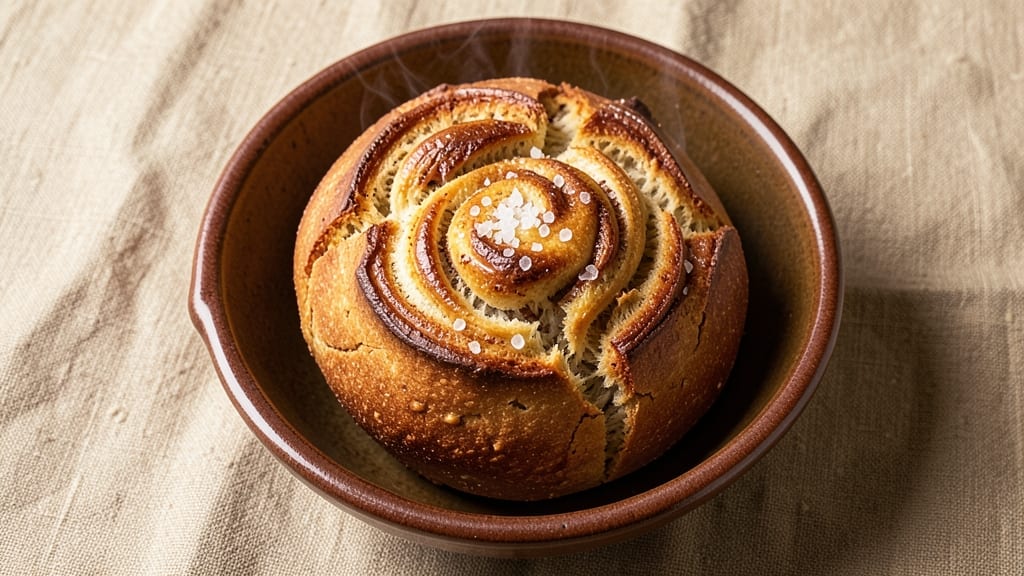
This Amish cinnamon bread recipe with yeast delivers a slow-risen loaf with a crispy crust and layers of warm cinnamon-sugar swirls that taste like a homemade bakery. The secret lies in patient fermentation—letting the dough develop deep flavor over time while keeping the texture tender yet sturdy.
I’ve perfected this version after years of baking, ensuring every slice has that signature crackly top and buttery, spiced interior.
The process begins with a simple yeast dough enriched with butter and milk for richness, then folded with cinnamon-sugar and optional raisins or nuts for texture. Unlike quick breads, this recipe relies on slow proofing—at least 2 hours, or overnight in the fridge—to build complexity.
The result? A loaf with a golden, caramelized crust and a crumb so soft it practically melts in your mouth, all while keeping the warm, comforting aroma of cinnamon lingering long after baking.
Baking at 350°F for 30–35 minutes ensures a perfect rise without overcooking, and the loaf stays fresh for days when stored properly. Whether served warm with butter or toasted for breakfast, this bread is a foolproof way to bring Amish baking traditions into your kitchen.
Ready to make one that’ll have your whole house smelling like holiday morning?
For those who love customization, try adding chopped pecans or dried cranberries to the cinnamon-sugar filling—each variation keeps the same rustic charm while adding unique twists. The dough can also be shaped into rolls or braided for special occasions. Let’s get started on a loaf that’ll become your new favorite.
Ingredients for amish cinnamon bread recipe with yeast
Buttery dough, slow-rising yeast, and layers of cinnamon-sugar make this Amish bread taste like holiday morning.
| Ingredient | Amount | Notes |
|---|---|---|
| Active Dry Yeast 🍞 | 2 ¼ tsp | Ensure yeast is fresh and active |
| Warm Whole Milk 🥛 | 1 cup | 110°F for optimal yeast activation |
| Granulated Sugar 🍚 | ¼ cup | For yeast activation and sweetness |
| Unsalted Butter 🧈 | ½ cup | Cold, cubed for better dough texture |
| All-Purpose Flour 🌾 | 4 ½ cups | King Arthur or similar high-gluten |
| Diamond Crystal Kosher Salt 🧂 | 1 ½ tsp | Fine grain for even distribution |
| Large Eggs 🥚 | 1 whole | Room temperature for even mixing |
| Ground Cinnamon 🌶️ | ½ cup | Freshly ground for maximum aroma |
| Granulated Sugar 🍚 | 1 cup | For cinnamon-sugar filling |
| Light Brown Sugar 🍯 | ¼ cup | Packed for moisture and caramel flavor |
| Raisins or Chopped Pecans 🍇 | 1 cup | Optional for texture variation |
| Cornstarch 🌾 | 1 tbsp | For dusting and crispy crust |
The yeast is non-negotiable here—King Arthur or Bob's Red Mill work best for consistent results. Warm the milk to 110°F before activating the yeast; too hot kills it, too cold makes it sluggish. For the butter, Land O'Lakes or Plugrá brands stay firm when cold but melt beautifully during baking. The flour matters too—high-gluten varieties give that sturdy, rustic crumb. I always buy mine in bulk from WinCo or Aldi for the best price per pound. Store-bought bread just can't compete with this texture.
No raisins? Dried cranberries or chopped walnuts work beautifully—just toast them first for extra depth. Running short on brown sugar? Substitute white sugar at a 1:1 ratio, but the caramel notes will be less pronounced. The cinnamon should be freshly ground if possible—pre-ground loses its punch fast. For a quicker version, you can use instant yeast, but the slow rise is what builds that signature Amish flavor. And if you're feeling fancy, swap the pecans for toasted hazelnuts—game changer.
This dough keeps beautifully in the fridge for up to 3 days—perfect for slow-rising flavor development. Shape it into a loaf or rolls, then let it proof overnight for that deep, caramelized crust. Once baked, store wrapped in a clean kitchen towel for 3-4 days to maintain freshness. For longer storage, freeze the baked loaf for up to 3 months. I always make a double batch—one for breakfast, one for gifts. Trust me, it disappears fast.
Why You'll Love This Recipe
- No-Knead Magic: I swear by this—just mix the yeast with warm milk, let it foam, then fold in flour and butter. The dough comes together in minutes, and no rolling or punching required. Honestly, I’ve made it while scrolling through my phone.
- Cinnamon Butter Bliss: That first pull-apart bite? Warm, buttery, with swirls of cinnamon-sugar so rich you’ll forget store-bought. The yeast gives it a soft, pillowy texture, while the whole milk keeps it tender—like a hug from your grandma’s kitchen.
- Breakfast or Snack Hero: Slice it toasted with butter for breakfast, pack it in lunchboxes, or serve it warm with coffee. I’ve even used it to soak up gravy—because why not? It’s the kind of bread that disappears faster than you can say “second helping.”
- Budget-Friendly Stretch: Five ingredients, one bowl, zero waste. The yeast makes a small batch go far, and the dough freezes beautifully for lazy mornings. Between us, this is my go-to when I’m low on cash but still want something ridiculously good.
Step-by-step instructions for Amish cinnamon bread
Let's create this comforting loaf with a tender crumb and spiced crust that'll make your kitchen smell like home.
Activate the Yeast and Mix the Dough
In a large bowl, combine the 1 cup warm whole milk (110°F) with the 2.25 tsp active dry yeast and 0.25 cup granulated sugar. Let this sit for 5-10 minutes until frothy—this confirms your yeast is alive and ready to work. If it doesn't bubble, your yeast needs replacing.
Add the 0.5 cup unsalted butter (cubed), 1 whole large egg, and 1.5 tsp diamond crystal kosher salt to the bowl. Mix until the butter begins to soften slightly. Gradually incorporate the 4.5 cups all-purpose flour until a shaggy dough forms. The dough will be sticky—this is normal for a rich bread like this.
Turn the dough onto a lightly floured surface and knead for 8-10 minutes until smooth and elastic. You'll know it's ready when it springs back slowly when poked. If it's too sticky to handle, wet your hands slightly—this prevents tearing the gluten structure we've just built.
First Rise and Prepare the Filling
Place the dough in a lightly greased bowl, cover with a damp towel, and let rise in a warm place for 1-1.5 hours or until doubled in size. This slow rise develops maximum flavor—don't rush it. While the dough rises, prepare the filling by mixing the 0.5 cup ground cinnamon, 1 cup granulated sugar, and 0.25 cup light brown sugar in a small bowl.
If using, fold the 1 cup raisins or chopped pecans into this mixture. The filling should be coarse but evenly distributed—this ensures perfect pockets of spiced goodness throughout each slice. Keep this mixture at room temperature until ready to use.
Shape and Second Rise
Once the dough has risen, punch it down to release air and divide it in half. Roll each half into a 12x6-inch rectangle about ¼-inch thick on a floured surface. Sprinkle half of the cinnamon-sugar mixture evenly over each rectangle, leaving a ½-inch border around the edges.
Starting from the long side, tightly roll each rectangle into a log. Place the logs seam-side down in a 9x5-inch loaf pan that's been lightly greased and dusted with 1 tbsp cornstarch (this creates that signature crispy crust). Cover and let rise again for 30-45 minutes until just puffy.
Bake to Golden Perfection
Preheat your oven to 350°F while the dough rises. Bake the loaves for 45-50 minutes until the tops are deep golden brown and a toothpick inserted comes out clean. The bread should have a beautiful crackly crust with a soft, pillowy interior.
For extra browning, brush the tops with a bit of milk after 30 minutes in the oven. Let the bread cool in the pan for 10 minutes before transferring to a wire rack. This resting period prevents a gummy texture and allows the loaves to set properly.
Serve Warm for Maximum Enjoyment
Slice the warm loaves while still in the pan for clean cuts and serve immediately. Each slice should reveal swirls of cinnamon-sugar filling throughout the tender crumb. The aroma alone will make your kitchen feel like a cozy Amish kitchen—spiced, warm, and inviting.
For best results, enjoy within 2-3 days or freeze for up to 3 months. The flavor actually improves slightly as it sits overnight, making it perfect for breakfast the next morning.
Pro Tips For Making Amish Cinnamon Bread Recipe With Yeast
- Dissolve the Yeast First: Skip mixing dry yeast straight into flour—it takes forever to activate. Instead, bloom it in the warm milk with a pinch of sugar first (5 minutes max). I learned this the hard way when my dough took three hours to rise the first time. Trust me, your patience (and timeline) will thank you.
- Use Cold Butter: Cut that unsalted butter straight from the fridge into cubes—don’t soften it first. Cold butter creates flaky, tender layers in the dough, while warm butter just makes it gummy. Yes, even if the recipe says "softened," fight the urge. Your bread will thank you later.
- Don’t Over-Knead: This dough only needs 5–7 minutes of kneading by hand (or 3–4 minutes in a mixer). Overwork it, and you’ll get a tough, dense loaf. Stop when the dough pulls cleanly away from the bowl and springs back slowly—like a tired but happy dog. No need to go for a marathon.
- Proof in a Warm Spot: Your oven isn’t just for baking—turn it on low (100°F), place a bowl of hot water inside, then shut the door. This creates a cozy, humid proofing chamber that’s way better than leaving dough on the counter. My bread rises twice as fast, and the texture stays light. (Pro tip: Use a thermometer if you’re paranoid—like I was after my first failed batch.)
Essential equipment for this recipe
Dough Tools Essentials
Start with a large mixing bowl (at least 8-quart capacity) for yeast activation and dough mixing—I love the OXO Good Grips brand for its non-slip base. A dough scraper (like Kitchy or Lekue) is non-negotiable for handling sticky dough without tearing the gluten.
For kneading, a wooden dough whisk or stand mixer with dough hook (like KitchenAid) saves your arms and ensures even development. 💪
Pan and Crust Prep
Use a 9x5-inch loaf pan (preferably USA Pan or Nordic Ware) for that classic Amish shape. Lightly grease it with butter or shortening, then dust with cornstarch (not flour) for a crispy, crackly crust—this is the secret to that signature texture.
A pastry brush (like West Bend) helps apply butter evenly for extra browning. For shaping, keep a rolling pin (preferably marble or granite) nearby to roll dough to ¼-inch thickness without tearing.
Yeast and Temperature Control
Accurate temperature matters most for yeast activation. Use a candy thermometer (like Thermoworks) to measure milk at 110°F—too hot kills yeast, too cold slows it. A proofing basket (like banneton) isn’t required but helps with shaping if you’re making rolls instead of loaves.
For slow-rising dough, a warm oven (with light on) or proofing box (like Breville) maintains 75–80°F—critical for that 2-hour rise without overproofing.
Optional Upgrades
For professional results, invest in a digital kitchen scale (like OXO Good Grips) to measure flour by weight—this eliminates packing variations. A pullman loaf pan (like Wilton) creates that rustic, uneven top beloved in Amish baking. For cinnamon-sugar filling, a fine-mesh sieve ensures even distribution.
And if you’re ambitious, a steam pan (like Nordic Ware) adds extra moisture for a shinier crust—just add ½ cup boiling water to the oven rack during baking.
Storage and Serving
Keep baked loaves fresh with a bread box (like OXO) or clean kitchen towel—this traps moisture better than plastic. For slicing, a serrated bread knife (like Mercer Culinary) gives clean cuts through the dense crumb.
A wire cooling rack prevents soggy bottoms, while parchment paper makes transferring baked bread effortless. For freezing, slice first and store in airtight containers with parchment between layers to prevent freezer burn. ✨
Nutrition facts
Frequently asked questions
Why does this recipe use yeast instead of baking powder?
Yeast creates a richer, more complex flavor and a lighter, airier crumb compared to baking powder. The slow fermentation process develops deep, buttery notes that quick breads can't match. Plus, yeast dough rises beautifully with the cinnamon-sugar swirls, giving each slice those signature pockets of spice.
Can I make this bread without a loaf pan?
Shape the dough into a free-form loaf or braid on a baking sheet lined with parchment paper. For extra crispiness, brush the top with melted butter before baking. The texture will be slightly denser than pan-baked, but still delicious. Just reduce baking time by 5-10 minutes to prevent over-browning.
What's the best way to test if my yeast is active?
Mix 2.25 tsp yeast with 1 cup warm milk (110°F) and 0.25 cup sugar. It should bubble vigorously within 5-10 minutes. If it doesn't foam, your yeast is dead—replace it immediately. For extra insurance, store your yeast in the freezer where it stays viable for months.
How do I know when the bread is fully baked?
Look for a deep golden brown crust and listen for a hollow sound when tapping the bottom. Insert a toothpick—it should come out clean with no wet dough. Overbaking dries out the bread, so remove it when the internal temperature reaches 190°F. The bread continues cooking slightly as it cools.
Can I substitute whole wheat flour for all-purpose?
Replace up to 25% of the all-purpose flour with whole wheat for a nuttier flavor, but don't exceed this ratio. Whole wheat absorbs more liquid and can make the dough dense. For each cup of all-purpose flour replaced, add 1 extra tablespoon of water to maintain texture. The cinnamon-sugar filling will still shine through!