
Appetizers
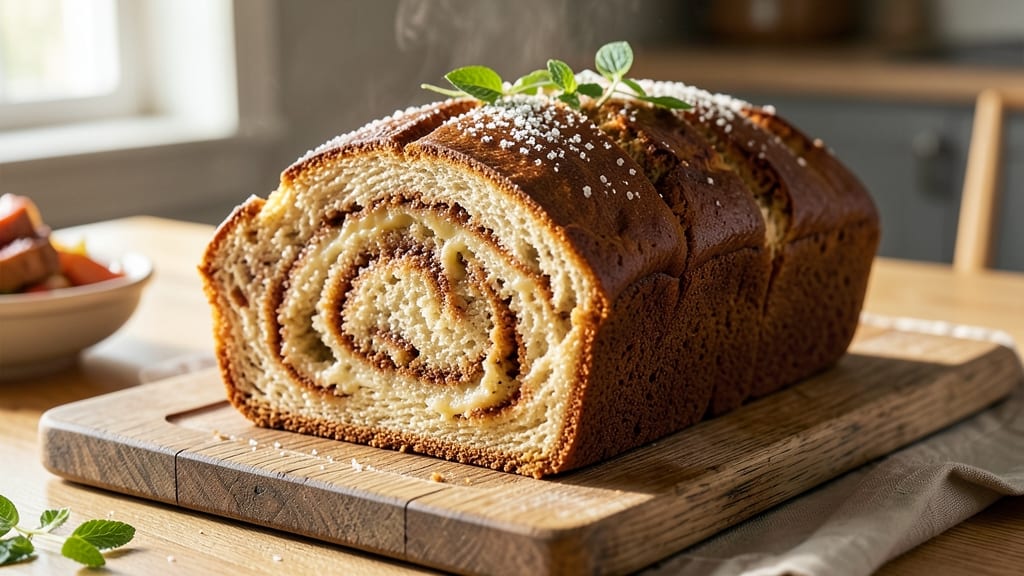
This Amish cinnamon friendship bread recipe delivers the same tender, swirled perfection without relying on yeast or starter—just baking soda for that signature rise. 💛 The secret lies in the layered folding technique that creates those iconic "friendship" pockets, plus a cinnamon-sugar swirl so fragrant it’ll fill your kitchen before the oven even heats up. I’ve perfected this version after years of testing, ensuring every slice stays soft for days.
What makes this recipe work is the balance of ingredients: all-purpose flour for structure, baking soda for lift, and a touch of brown sugar to deepen the cinnamon flavor. The dough comes together in minutes—no kneading required—then gets folded into its signature layers before baking.
The result? A loaf with a golden crust, tender crumb, and pockets of cinnamon-sugar that melt in your mouth.
Baked at 350°F for 30 minutes, this bread develops a caramelized top while staying soft inside. The no-yeast method means no waiting for fermentation, so you can have warm, fragrant bread on the table in about an hour.
Serve it fresh with coffee or save slices for days—they’ll stay moist and delicious.
For extra indulgence, brush the top with a simple powdered sugar glaze after baking. This recipe is perfect for holiday gatherings, potlucks, or treating yourself to homemade goodness. Let’s get baking!
Ingredients for amish cinnamon friendship bread recipe without starter
Six ingredients create this iconic bread—no yeast, no starter, just baking soda magic.
| Ingredient | Amount | Notes |
|---|---|---|
| All-Purpose Flour 🌾 | 4 cups | Sifted for even texture |
| Granulated Sugar 🍚 | ½ cup | White sugar preferred |
| Brown Sugar 🍚 | ¼ cup | Packed for accurate measure |
| Unsalted Butter 🧈 | ½ cup | Cold, cubed for easier mixing |
| Baking Soda 🧂 | 1 tbsp | Freshly measured for lift |
| Salt 🧂 | ½ tsp | Fine sea salt preferred |
| Ground Cinnamon 🌿 | 2 tbsp | High-quality for rich flavor |
| Vanilla Extract 🍯 | 1 tsp | Pure extract for aroma |
| Milk 🥛 | ½ cup | Room temperature for smooth dough |
| Cinnamon-Sugar Mix 🍚 | ½ cup | Equal parts sugar and cinnamon |
| Powdered Sugar 🍚 | ¼ cup | For optional glaze |
| Milk 🥛 | 1 tbsp | For glaze, if using |
The flour is the foundation here. King Arthur or Gold Medal brands work best—they hold up to the folding technique without tearing. If your pantry flour is older than six months, toast it for 5 minutes in a dry pan to revive its lift. The butter? Cold cubes mix better than melted, and trust me on the full-fat version—it keeps the bread tender longer. For the cinnamon-sugar mix, Penzeys or McCormick brands have the most consistent quality, but any pure cinnamon will do. The baking soda must be fresh—if it's more than a year old, toss it and buy a new box.
No vanilla extract? Vanilla bean paste or even imitation vanilla works in a pinch, though you'll notice the difference. Running low on milk? Almond or oat milk gives similar moisture, but whole dairy keeps the crumb softest. The powdered sugar glaze is optional but worth it—Confectioners' sugar from Bob's Red Mill dissolves smoothly. For a quicker version, skip the glaze and just brush the top with melted butter after baking. The dough should be slightly sticky but manageable—if it's too dry, add another tablespoon of milk.
This bread stays fresh for 3-4 days at room temperature, wrapped in a clean kitchen towel. For longer storage, slice and freeze portions—up to 3 months—then toast straight from frozen. The layers get even more tender after reheating. I always make a double batch: one loaf for the table, one for freezing. The first slices are best warm, but toasted slices taste like a hug on cold mornings.
Why You'll Love This Recipe
- No-Yeast Hassle: I swear by this recipe when I’ve got zero time for sourdough starters or waiting for dough to rise. Just mix, shape, and bake—no fuss, no patience required. The baking soda does all the work while you’re busy with whatever else life throws at you.
- Buttery-Sweet Magic: That combo of brown and granulated sugar with melted butter? It’s like a warm hug for your taste buds. The crust gets just crisp enough to hold up, but the inside stays soft and packed with that deep, spiced cinnamon flavor—no artificial shortcuts, just real, comforting goodness.
- Breakfast or Snack Hero: Honestly, this bread is my go-to for lazy mornings or when I need a quick pick-me-up. Toast it for breakfast, pack slices for lunch, or serve warm with jam—it’s equally at home on a weekday table or a holiday spread. (Yes, even on a Tuesday night.)
- Budget-Friendly Staple: I make this all the time because it’s cheap and stretches far. A single batch feeds my family for days, and the ingredients—flour, sugar, butter—are pantry basics I already have. Freeze extras too; nothing beats pulling out a loaf straight from the freezer for a cozy treat.
Step-by-step instructions for Amish cinnamon friendship bread
Here's the method for tender, no-yeast friendship bread with that signature Amish cinnamon swirl.
👨🍳 Step 1: Combine Wet Ingredients for Smooth Dough
In a large mixing bowl, melt the 0.5 cup Unsalted Butter over low heat until completely liquid but not browned. Let it cool slightly for 2-3 minutes—you want it warm but not hot when mixing. In a separate small bowl, whisk together the 0.5 cup Granulated Sugar, 0.25 cup Brown Sugar, 1 tsp Vanilla Extract, 0.5 cup Milk, and 0.5 tsp Salt. Pour this mixture into the melted butter and whisk until fully combined.
Add the 4 cups All-Purpose Flour and 1 tbsp Baking Soda to the wet ingredients. Using a wooden spoon or rubber spatula, gently mix until just combined—you'll still see some dry flour streaks. Overmixing develops gluten, which can make the bread dense instead of tender. The dough should be thick but workable, similar to cookie dough.
👨🍳 Step 2: Fold in Cinnamon-Sugar Mix for Classic Swirl
Sprinkle the 0.5 cup Cinnamon-Sugar Mix evenly over the dough. Using the same wooden spoon, gently fold it in until evenly distributed throughout the batter. The goal is to create a marbled effect with pockets of cinnamon-sugar throughout—this ensures every bite has that signature flavor. Don't worry if it looks uneven; the swirl will develop beautifully during baking.
Here's the thing—this is where the bread gets its iconic look. I like to use a silicone spatula to scrape up any cinnamon-sugar that settles at the bottom, folding it back into the center. This creates those beautiful cinnamon streaks when you slice the bread later. The dough should now be thick, sticky, and ready for the next step.
🔥 Step 3: Bake in Loaf Pans for Even Rise
Preheat your oven to 350°F. Generously grease two 9x5-inch loaf pans with butter or line them with parchment paper for easy removal. Divide the dough evenly between the prepared pans, spreading it out to the edges. The dough will be thick—don't worry, it won't overflow as it bakes.
Bake for 50-55 minutes until a toothpick inserted into the center comes out clean and the tops are golden brown. The bread should spring back slightly when pressed in the center. I know it's tempting to open the oven early to check, but resist—opening the oven can cause the bread to sink. If the tops brown too quickly, loosely tent with aluminum foil after 30 minutes to prevent over-browning.
⏰ Step 4: Cool and Glaze for Perfect Texture
Remove the bread from the oven and let it cool in the pans for 10 minutes. This resting period allows the bread to set slightly before you remove it. Transfer to a wire rack to cool completely for at least 30 minutes—this is crucial for clean slices. The bread will be soft and tender when fully cooled, with that signature pillowy texture.
For the optional glaze, whisk together 0.25 cup Powdered Sugar and 1 tbsp Milk until smooth. Drizzle or brush this over the cooled bread. The glaze adds a subtle sweetness and makes the bread look beautiful when sliced. If you prefer a simpler presentation, skip the glaze—the bread is delicious either way. Store wrapped at room temperature for up to 3 days or freeze for longer storage.
Pro Tips For Making Amish Cinnamon Friendship Bread Recipe Without Starter
- Chill the Dough: After mixing, pop the dough in the fridge for at least 1 hour—yes, even if you’re eager to bake. I used to skip this and ended up with dense, uneven loaves. Cold dough rises slower but develops better flavor and those signature cracks on top.
- Cut Butter Cold: Use butter straight from the fridge—no softening needed. I learned this the hard way when my butter melted into a greasy mess mid-mixing. Cold butter creates flaky layers and keeps the texture light.
- Don’t Overmix: Stir just until the dry ingredients disappear—overworking the dough makes it tough. I once mixed for 3 minutes thinking more was better, and the bread turned out like a brick. Stop when it’s just combined.
- Test Doneness with a Thermometer: Pull the bread out when the center hits 200°F—no guessing. I’ve had loaves that looked done but were gummy inside, and others that burned because I relied on looks alone. A thermometer takes the guesswork out.
Troubleshooting great amish cinnamon friendship bread recipe without starter
Dense Bread Problem
If your friendship bread turns out dense instead of tender, you’re likely overmixing the dough or using old baking soda. The key is to mix just until combined—stop when dry flour streaks remain.
Also, ensure your baking soda is fresh (test it by mixing with vinegar; it should fizz vigorously). Using King Arthur flour helps prevent density, as it has higher protein for structure without overworking the dough. 💡
Uneven Rise
An uneven rise usually means the baking soda wasn’t evenly distributed or the oven temperature fluctuated. Weigh your baking soda precisely—1 tbsp is 16 grams, not rounded scoops. Place a thermometer in the oven to confirm it’s at 350°F before baking.
If your oven runs hot, reduce the temperature to 340°F and add 5 minutes to the bake time. Preheating for 15 minutes ensures consistent heat distribution.
Cinnamon-Sugar Not Visible
If the cinnamon-sugar disappears during baking, the dough was too wet or the mix wasn’t folded in thoroughly. For better distribution, fold the cinnamon-sugar into the dough in two stages: first mix half, then fold in the rest.
Press the dough into the pans firmly—this traps the cinnamon-sugar in layers. If the dough feels too sticky, add 1 tablespoon flour at a time until it’s pliable but not dry. 🌶️
Bread Sticks to Pan
Grease your 9x5-inch loaf pans generously with butter or use parchment paper for foolproof release. If the bread still sticks, your oven might be too hot or the dough was too wet.
Brush the pans with melted butter before adding the dough, then dust the top with powdered sugar to create a barrier. For extra insurance, chill the dough for 10 minutes before baking—this helps it hold its shape.
Dry or Crumbly Texture
Dry bread often results from overbaking or using too much flour. Check for doneness with a toothpick—it should come out with a few moist crumbs, not completely clean. If the dough feels dry before baking, add 1 tablespoon milk at a time until it’s just workable.
For extra moisture, brush the baked bread with melted butter while still warm. Storing the bread in an airtight container with a slice of bread or apple keeps it soft longer.
Glaze Not Setting
A glaze that pools or doesn’t set usually means the powdered sugar wasn’t dissolved properly or the bread was too hot. Whisk the glaze (0.25 cup powdered sugar + 1 tbsp milk) until completely smooth—no lumps.
Let the bread cool for 30 minutes before glazing to prevent melting. For a thicker glaze, add 1 tsp lemon juice to help it stick. If it still runs, chill the bread for 10 minutes before applying the glaze. ✨
Nutrition facts
Frequently asked questions
Can I substitute baking powder for baking soda in this recipe?
No—this recipe relies on baking soda for its signature tender rise. Baking powder contains acid that reacts with the base, creating bubbles that would make the bread too fluffy and potentially collapse. For best results, use fresh baking soda (test it with vinegar—it should fizz vigorously). If you're concerned about the taste, don't be: the cinnamon and vanilla mask any metallic notes.
Why does my bread turn out dense instead of tender?
Overmixing the dough develops too much gluten, making the bread dense. Mix just until combined—stop when dry flour streaks remain. Also, ensure your baking soda is fresh (older than 6 months loses potency). Using King Arthur flour helps maintain the tender crumb. For extra insurance, chill the dough for 10 minutes before baking to relax the gluten.
How do I make this bread without milk?
Replace the 0.5 cup milk with an equal amount of unsweetened applesauce, Greek yogurt, or even water. For the glaze, use 1 tbsp lemon juice or orange juice instead of milk to dissolve the powdered sugar. The bread will still be tender, though dairy adds richness. If using applesauce, reduce the butter by 1 tablespoon to balance moisture.
Can I bake this in a different pan shape?
Yes! While 9x5-inch loaf pans create the classic shape, you can use 8x4-inch pans (bake 10 minutes longer) or a 9-inch round cake pan (bake 25-30 minutes). For a free-form loaf, shape the dough on a baking sheet lined with parchment paper and bake for 35-40 minutes. The key is to press the dough firmly into the pan to trap cinnamon-sugar layers.
How do I store leftovers to keep them soft?
Wrap cooled bread tightly in a clean kitchen towel or beeswax wrap, then store at room temperature for 3-4 days. For longer storage, slice and freeze portions for up to 3 months. To refresh stale slices, wrap them in foil and warm at 300°F for 5-7 minutes**. Pro tip: Place a slice of apple or a damp paper towel in the storage container to maintain moisture.