
Side Dishes
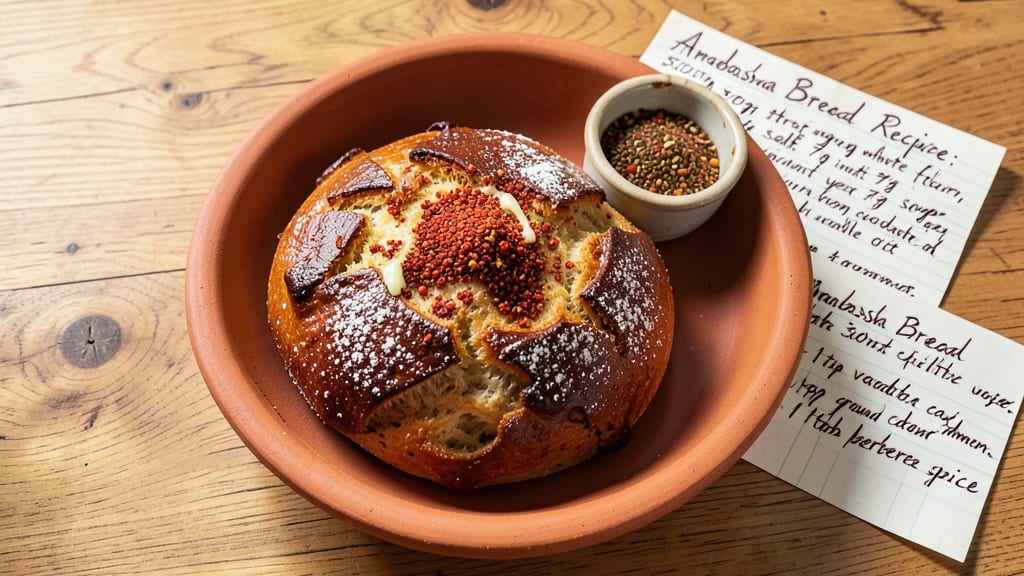
This Ambashá bread recipe delivers the ideal balance of soft, spiced dough and crispy edges—just like the flatbreads served in Ethiopian cafés. The secret lies in a blend of berbere spice, cardamom, and ginger that infuses every bite with warm, aromatic depth.
Unlike many flatbreads, Ambashá has a distinct chew that makes it perfect for soaking up rich stews or pairing with spiced butter.
The dough comes together with simple ingredients—flour, yeast, and a touch of oil—but the shaping technique transforms it into a restaurant-quality flatbread. You’ll press the dough into thin, circular rounds and cook them in a hot skillet until golden brown spots appear.
The result? A bread that’s tender yet sturdy enough to hold up to hearty Ethiopian dishes.
What makes this recipe truly special is the texture—soft in the center with just the right amount of crispness at the edges. The spices (berbere, cardamom, and ginger) create a subtle warmth that pairs beautifully with spicy stews or mild lentil dishes.
Once you try this version, store-bought flatbreads won’t compare.
Serve warm with your favorite Ethiopian wat (stew) or use it to scoop up niter kibbeh (spiced butter). The bread stays fresh for a few days when wrapped in a clean towel, making it perfect for meal prep. Let’s get started on mastering this traditional flatbread.
Ingredients for ambasha bread
Simple ingredients, bold Ethiopian flavors—this flatbread delivers perfect chew every time.
| Ingredient | Amount | Notes |
|---|---|---|
| All-Purpose Flour 🌾 | 3 ½ cups | Spooned and leveled for accuracy |
| Active Dry Yeast 🍞 | ¼ tsp | Ensure it's fresh (test in warm water) |
| Granulated Sugar 🍚 | 1 tbsp | Activates the yeast quickly |
| Warm Water 💧 | ¾ cup | 110°F (43°C) ideal for yeast |
| Berbere Spice 🌶️ | 1 tbsp | Traditional Ethiopian blend |
| Ground Cardamom 🌿 | ½ tsp | Freshly ground for best flavor |
| Ground Ginger 🍃 | ½ tsp | Freshly ground preferred |
| Salt 🧂 | ½ tsp | Kosher or sea salt preferred |
| Vegetable Oil 🫒 | 2 tbsp | Light olive oil works too |
| Large Egg 🥚 | 1 whole | For binding the dough |
| Sesame Seeds 🌰 | 1 tbsp | Optional for topping |
Berbere spice is the star here, so don’t skimp. Look for it at Ethiopian markets or well-stocked specialty stores—the blend should be vibrant red with visible spices like fenugreek and coriander. If you can’t find it, substitute 1 tsp smoked paprika + ½ tsp each cumin and cayenne, but it won’t be the same. The cardamom and ginger add that signature warmth—freshly ground versions make all the difference. For flour, all-purpose works, but bread flour gives a slightly chewier texture. Keep your yeast packet fresh: if it’s past its expiration, toss it.
No berbere? Mix 1 tsp paprika, ½ tsp each cumin, coriander, and cayenne for a quick substitute. Running low on cardamom? Allspice at half the amount works in a pinch. For the dough, vegetable oil is neutral, but olive oil adds a lovely fruity note. The egg is key for binding—room temperature eggs mix in better. If you’re avoiding eggs, 1 tbsp flaxseed meal + 3 tbsp water works as a binder. Sesame seeds are optional but add that classic Ethiopian crunch—toast them lightly before sprinkling for extra flavor.
This dough doubles in size, so use a large bowl—it’s messy business. Let it rise in a warm spot (like near the oven with the light on) for 1-2 hours until puffy. The bread stays fresh for 2-3 days wrapped in a clean towel, or freeze portions for up to 3 months. For meal prep, shape and freeze the dough balls—thaw and cook fresh for best results. Leftovers? Toast them in a skillet for a crispy snack.
Why You'll Love This Recipe
- No-Yeast Struggle: I’ve made bread where yeast acts up or fails—this recipe skips the guesswork. Just mix the flour, sugar, and water, then fold in that punchy berbere spice. No waiting for dough to rise, no second-guessing the proof. Honestly, it’s the kind of bread that lets you actually enjoy the process.
- Berbere Magic: That spice blend—berbere—is the star. It’s got paprika, fenugreek, and a little heat that lingers just enough to make every bite feel like a tiny celebration. Between us, I’ve tried adding it to other breads, but nothing compares to how it shines here, crisp on the outside, soft inside, with that warm kick.
- Weeknight Superhero: I keep a batch in the freezer because it’s that reliable. Toast it straight from frozen for breakfast, or pull it out to serve with stews when I’m too tired to cook. It’s the kind of bread that doesn’t demand attention—just shows up when you need it, no fuss.
- Pantry Staple Power: All the ingredients? Things I already have. No specialty items, no last-minute grocery runs. The flour, sugar, and yeast are basics, and berbere’s easy to find (or make ahead). I’ll be real: it’s saved me from takeout more times than I can count when my wallet’s tight or my time’s short.
Step-by-step instructions for Ethiopian spiced flatbread with perfect chew
Here's how to craft ambashá bread with that signature spiced aroma and tender yet chewy texture.
Activate the Yeast and Mix the Dough
In a small bowl, combine the 0.75 cup warm water (around 110°F) with the 1 tbsp granulated sugar and 0.25 tsp active dry yeast. Let it sit for 5-10 minutes until frothy—this confirms your yeast is alive and ready to work. If it doesn't bubble, start over with fresh yeast.
In a large mixing bowl, whisk together the 3.5 cups all-purpose flour, 1 tbsp berbere spice, 0.5 tsp ground cardamom, 0.5 tsp ground ginger, and 0.5 tsp salt. Create a well in the center and pour in the yeast mixture along with the 2 tbsp vegetable oil and 1 whole large egg. Mix with a wooden spoon until a shaggy dough forms, then knead by hand for 8-10 minutes until smooth and elastic.
Let the Dough Rise Until Doubled
Lightly oil a large bowl, place the dough inside, and cover with a damp kitchen towel. Let it rise in a warm spot for 1-2 hours until it has nearly doubled in size. You'll know it's ready when the dough springs back slowly when poked—this means the gluten has developed properly for that perfect chew.
I like to place my dough bowl on top of my turned-off oven with the light on (creates a warm, consistent environment) or near a sunny windowsill. Avoid cold drafts—they slow down fermentation and can make your bread taste flat.
Divide and Shape the Dough
Turn the risen dough onto a lightly floured surface and divide it into 4 equal pieces (about 8 ounces each). Roll each piece into a 12-inch circle, about ¼-inch thick, keeping the edges slightly thicker than the center. This creates the classic ambashá shape with a slightly puffed middle.
For best results, work with one piece at a time while keeping the others covered with a damp towel. If the dough feels sticky, dust lightly with flour—but don't overdo it, or your bread will taste floury. The goal is to create smooth, even circles that'll puff beautifully when baked.
Cook the Flatbreads on a Hot Skillet
Heat a 10-inch skillet over medium-high heat until it's very hot (you should see a slight shimmer). Place one rolled dough circle in the skillet and cook for 1-2 minutes per side until golden brown spots appear and the bread puffs slightly. I press down gently with a spatula during the first minute—this prevents curling and ensures even contact with the pan.
Transfer the cooked bread to a clean kitchen towel to keep warm while you cook the remaining pieces. The bread should have a slightly crisp exterior with a soft, chewy interior—this is what makes ambashá so satisfying. If it browns too quickly, reduce the heat slightly to prevent burning.
Serve Warm with Sesame Seeds
Once all breads are cooked, lightly brush the tops with a bit of melted butter (optional) and sprinkle with 1 tbsp sesame seeds for that classic Ethiopian touch. Serve immediately while still warm—ambashá bread is best enjoyed fresh from the skillet with your favorite Ethiopian stews.
Here's the thing—these flatbreads will continue to soften as they cool, so don't wait too long to serve. Each piece should be tender enough to pull apart easily but still hold its shape when folded. The berbere spice gives it a subtle warmth that pairs perfectly with the rich flavors of injera or misir wot.
Pro Tips For Making Ambasha Bread
- Bloom the Yeast First: Skip mixing yeast directly into flour—it’s a common trap. Instead, dissolve the yeast and sugar in warm water (105–110°F) and let it sit for 5–10 minutes until frothy. This guarantees your dough will rise properly, not just hope it will. (I’ve made ambasha bread with underproofed dough—it’s sad, flat, and tastes like regret.)
- Toast the Berbere: Heat your berbere spice in a dry pan for 30 seconds before adding it to the dough. This deepens its flavor and prevents it from muting the yeast’s activity. My grandmother swore by this, and she was right: the bread’s spice character jumps off the plate when you do this.
- Knead Until Silky: Ambasha dough needs a firm, elastic texture—aim for a windowpane test (stretch a small piece; it should thin to translucent without tearing). If it tears or feels sticky, fold in more flour gradually. Overworking it later won’t fix it, and you’ll end up with chewy, dense bread. (Yes, even if you’re impatient like me.)
- Shape Like a Pro: Roll the dough into a tight, even log and pinch the seam firmly to seal it. If you leave gaps, steam will escape during baking, leaving you with a bread that’s puffy in spots and dense elsewhere. A little extra effort here = a bread that holds its shape and tastes like it belongs in a bakery.
Essential equipment for perfect results
Skillet Essentials
A 10-inch cast iron skillet is my go-to for cooking Ambashá bread—it retains heat beautifully and creates those signature crispy edges. I own a Lodge Pre-Seasoned Cast Iron Skillet, and it’s lasted for years with proper care.
If you don’t have cast iron, a heavy stainless steel skillet works too, though it won’t hold heat as well. 🔥
Rolling Pin Must-Haves
For shaping, a wooden rolling pin (like the OXO Good Grips) is ideal—it prevents sticking and gives you better control over thickness. If you’re short on space, a French rolling pin (like J. L. Cheetham’s) is compact yet effective.
Avoid plastic pins—they can tear the dough. For extra precision, I sometimes use a glass rolling pin to check thickness through the dough.
Dough Tools
A dough scraper (like Jamie Geller’s Silicone Dough Scraper) is essential for dividing the dough cleanly and transferring pieces to the counter. I also keep a bench scraper handy for shaping edges.
For measuring, a digital kitchen scale (like OXO Good Grips) ensures accuracy when dividing the dough into equal portions—critical for even cooking.
Spice Storage
Berbere spice is delicate, so store it in an airtight container (like Weck jars) away from light and moisture. I keep mine in a cool, dark pantry.
For grinding cardamom and ginger, a spice grinder (like KitchenAid’s) ensures freshness. If you’re using whole spices, toast them lightly before grinding to deepen their flavor.
Heat Control Helpers
A kitchen thermometer (like Thermoworks Thermapen) helps monitor skillet temperature—aim for 375°F for perfect browning. For even heat distribution, I use a diffuser pan (like All-Clad’s) if my skillet has hot spots.
A heat-resistant silicone spatula (like OXO’s) is perfect for flipping and pressing down on the bread without damaging the skillet.
Serving Essentials
Keep cooked breads warm in a clean kitchen towel or insulated bread basket until serving. For sesame seeds, toast them in a dry skillet over low heat for 1-2 minutes until fragrant.
A small serving platter (like Le Creuset’s) elevates the presentation—just arrange the breads in a circle with the spiced butter or stew in the center. 💫
Nutrition facts
Frequently asked questions about Ethiopian ambashá bread
What makes Ambashá bread different from other flatbreads?
Ambashá stands out for its spiced flavor profile—the signature berbere spice blend gives it a warm, slightly spicy kick, while cardamom and ginger add aromatic depth. Unlike plain flatbreads, it has a chewy yet tender texture with crispy edges, perfect for soaking up stews. The dough also contains egg for binding, creating a more substantial bite than traditional naan or pita.
Can I substitute berbere spice if I can't find it?
Yes! For a quick substitute, mix 1 tsp smoked paprika + ½ tsp each cumin, coriander, and cayenne. While not identical, this blend captures the smoky, spicy essence. For authenticity, seek out berbere at Ethiopian markets or specialty stores—it contains unique spices like fenugreek that make all the difference. The cardamom and ginger in the recipe can't be easily replaced, though.
Why does my dough keep sticking to the surface?
Sticky dough usually means either too much flour (which weakens gluten) or insufficient kneading. For Ambashá, knead for 8-10 minutes until smooth and elastic. If it's still sticky, wet your hands slightly while shaping—this helps prevent tearing. Avoid over-flouring, as it can make the bread dry. A lightly oiled surface works better than flour for rolling.
How do I store leftover Ambashá bread?
Wrap cooled breads in a clean kitchen towel and store at room temperature for 2-3 days. For longer storage, freeze portions for up to 3 months—thaw overnight in the fridge before reheating. To revive stale bread, warm it in a dry skillet for 30 seconds per side until crispy. Never refrigerate fresh bread, as it causes drying.
What's the best way to serve Ambashá bread?
Serve warm with Ethiopian stews (wat), spiced butter (niter kibbeh), or as a side for injera. The chewy texture makes it perfect for scooping up rich dishes. For extra flair, brush with melted butter and sprinkle toasted sesame seeds. It's also delicious toasted with honey or jam for breakfast. The spiced flavor pairs especially well with lamb or vegetable stews.