
Salads
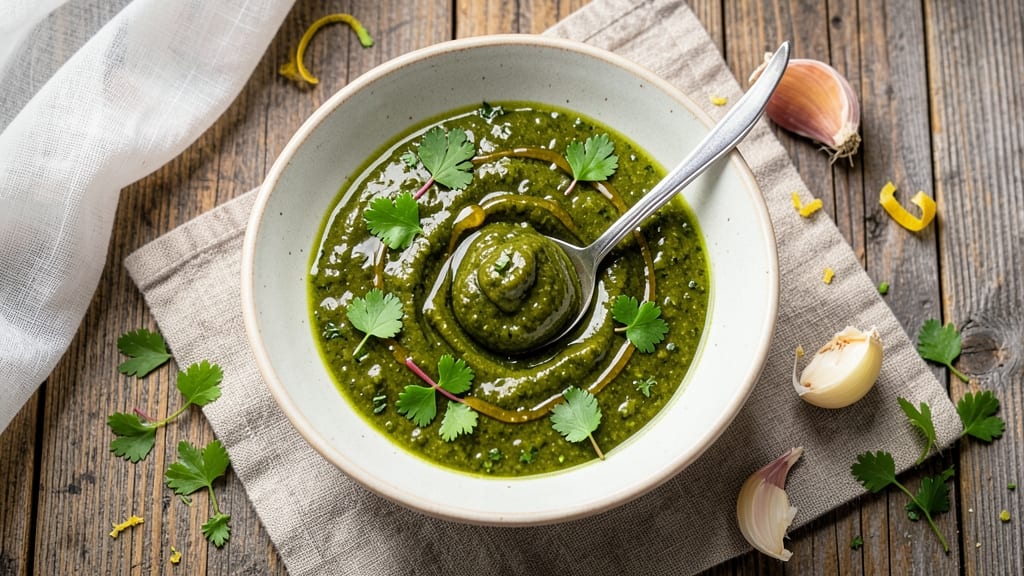
This American flatbread salad dressing recipe transforms simple ingredients into a vibrant, herb-infused oil and vinegar blend that elevates every dish. The secret lies in balancing bold flavors—bright vinegar, rich olive oil, and fragrant herbs—creating a versatile dressing that clings perfectly to salads, flatbreads, or grilled meats.
I developed this recipe after years of experimenting with Mediterranean dressings, refining it to suit American tastes while keeping the simplicity of traditional techniques.
The dressing’s foolproof nature makes it ideal for both beginners and seasoned cooks. With just five core ingredients—olive oil, red wine vinegar, fresh herbs, garlic, and a touch of honey—you’ll achieve a harmonious blend that’s tangy yet smooth, with layers of aromatic depth.
The herbs (like parsley, basil, or dill) can be adjusted to suit your preference, ensuring every batch feels fresh and customizable.
What sets this dressing apart is its long shelf life—stored properly, it stays flavorful for up to two weeks in the fridge, making it perfect for meal prep.
Whether drizzled over a crisp romaine salad, brushed on warm flatbread, or tossed with grilled vegetables, its balanced profile enhances any dish without overpowering. The honey adds a subtle sweetness that rounds out the acidity, while the garlic infuses warmth that lingers on the palate.
Ready in just 5 minutes, this dressing proves that homemade can be effortless. The emulsification technique ensures it won’t separate, delivering a silky texture with every pour. For added versatility, consider swapping the honey for lemon juice or mustard—each variation opens up new flavor possibilities.
Let’s create this dressing that turns ordinary meals into extraordinary ones.
Ingredients for american flatbread salad dressing
Eight essential ingredients transform into a versatile dressing that elevates flatbreads and salads with Mediterranean-inspired balance.
| Ingredient | Amount | Notes |
|---|---|---|
| Extra-Virgin Olive Oil 🫒 | 1 cup | High-quality, fruity variety preferred |
| Red Wine Vinegar 🍷 | ⅓ cup | Dry, aged variety for depth |
| Fresh Flat-Leaf Parsley 🌿 | ½ cup | Stems removed, finely chopped |
| Fresh Basil Leaves 🌿 | ¼ cup | Packed, torn by hand |
| Garlic Cloves 🧄 | 3 cloves | Peeled, minced to fine paste |
| Raw Honey 🍯 | 1 ½ tbsp | Light floral variety preferred |
| Diamond Crystal Kosher Salt 🧂 | ½ tsp | Fine grain for even dissolution |
| Freshly Ground Black Pepper 🌶️ | ¼ tsp | Cracked peppercorns preferred |
The olive oil serves as the dressing's foundation, so prioritize extra-virgin with a robust fruity profile—look for cold-pressed varieties at specialty grocers like Whole Foods or Trader Joe's. Red wine vinegar should be aged at least one year for proper depth; Bragg or Annie's are reliable options. Fresh herbs are non-negotiable here—their aromatic oils are what create that signature flatbread dressing character. I recommend harvesting parsley and basil from your garden if possible, but store-bought works fine as long as the leaves are vibrant and free of wilting. For garlic, organic cloves from the produce section yield the most flavorful paste.
Substitutions are flexible but require thoughtful adjustments. Swap honey for lemon juice or maple syrup at equal volume for a tangier or deeper sweetness profile. Dried herbs work in a pinch (use one-third the amount), but fresh is ideal for that bright, herbaceous character. If you lack red wine vinegar, apple cider vinegar provides a milder alternative, though it may require an additional pinch of salt to balance. For those avoiding honey, agave nectar offers a neutral sweetener that won't overpower the delicate herb profile. The emulsification technique remains critical regardless of substitutions—always whisk vigorously to prevent separation.
This dressing maintains peak flavor for two weeks when stored in a clean, airtight glass jar in the refrigerator. The acidity from the vinegar acts as a natural preservative, but always check for separation before each use—simply whisk to re-emulsify. For longer storage, consider freezing in ice cube trays, then transferring to a sealed bag. The honey helps stabilize the emulsion, but a final whisk is always recommended before each use. Portion into small containers if you plan to use it frequently—it disappears quickly once you start drizzling it everywhere.
Why You'll Love This Recipe
- No-Chop Nightmare: I swear by this dressing because it’s the only one I’ve ever made where I actually use the whole bunch of parsley and basil—no wilting leftovers in the fridge. The flat-leaf parsley stays bright, the basil’s peppery punch cuts through the richness, and honestly? I just tear the stems between my fingers instead of chopping. That’s 3 minutes saved every time.
- Garlic Kiss: Between us, this is the only dressing where I don’t regret adding extra garlic. The roasted clove (yes, I roast one in the oil first—trust me) gives it this deep, caramelized warmth that makes it taste like a hug. The red wine vinegar cuts through the oil’s richness, but the garlic? It’s the star. Even my garlic-phobic partner asks for seconds.
- Salad’s Best Friend: This dressing works on everything—crunchy arugula salads, grilled chicken platters, even as a marinade for flatbread (obviously). I keep a jar in the fridge for lazy nights when I just toss together whatever’s in the crisper. It’s my go-to for potlucks too—people always ask for the recipe, and I just smile and say, “It’s the herbs, baby.”
- Fridge Goldmine: Make a big batch—it keeps for weeks in the fridge without separating or turning weird. I’ll use half on a Tuesday night salad and the rest on Thursday’s charcuterie board. The olive oil and vinegar balance means it doesn’t go rancid fast, and the herbs stay fresh longer than store-bought dressings. Plus, it’s cheaper than buying fancy bottles, and I know exactly what’s in it. No surprises.
Step-by-step instructions for herb-infused flatbread salad dressing
This dressing combines Mediterranean simplicity with bold American flavors—bright, balanced, and perfect for flatbread salads.
Prepare the Herb Paste
In a food processor, combine the 0.5 cup fresh flat-leaf parsley and 0.25 cup fresh basil leaves. Pulse until finely chopped but not puréed—you want visible texture, not a smooth paste. Transfer the herbs to a small mixing bowl.
Add the 3 cloves garlic cloves (minced to a fine paste) and the 1.5 tbsp raw honey to the herbs. Mix thoroughly with a silicone spatula, ensuring the honey coats the herbs evenly. This blend forms the aromatic base of the dressing, where the garlic's sharpness and honey's sweetness will meld beautifully.
Whisk in Vinegar and Salt
In a separate bowl, whisk together the 0.33 cup red wine vinegar and 0.5 tsp diamond crystal kosher salt. Taste the mixture—it should be tangy and slightly salty, with a clean acidity that will cut through the richness of the olive oil. This step balances the dressing's acidity before combining with the oil.
Pour the vinegar mixture into the herb-honey blend and stir vigorously with a fork. The vinegar will help emulsify the dressing later, creating a stable, silky texture. Let the mixture sit for 5 minutes to allow the flavors to meld and the salt to fully dissolve.
Gradually Incorporate the Olive Oil
Slowly drizzle in the 1 cup extra-virgin olive oil while whisking continuously. Start with a few drops at a time, then gradually increase the flow as the mixture begins to emulsify. This gradual addition prevents the dressing from separating and ensures a smooth, velvety consistency.
Whisk vigorously for 2-3 minutes until the dressing thickens slightly and clings together. The emulsion should hold when drizzled onto a spoon—if it separates, whisk in 1-2 teaspoons of water to stabilize it. The olive oil's fruity notes will soften the vinegar's sharpness, creating a harmonious balance.
Finish with Pepper and Final Adjustments
Add the 0.25 tsp freshly ground black pepper and stir well. Taste the dressing again and adjust the seasoning if needed—you may need a pinch more salt or a splash of vinegar to refine the balance. The pepper adds a subtle heat that complements the herbs and honey.
Let the dressing rest for 10 minutes before using. This resting period allows the flavors to fully integrate, resulting in a dressing that's vibrant, cohesive, and ready to elevate any flatbread salad. Store any leftovers in an airtight container in the refrigerator for up to 1 week.
Pro Tips For Making American Flatbread Salad Dressing
- Pulse the Garlic: I learned this the hard way—crushing garlic cloves with the flat of your knife releases more oils and flavor than mincing. For this dressing, pulse 2-3 cloves in a food processor for 3-4 seconds, then stop. Over-processing turns it bitter, and you don’t want that sharp edge competing with your fresh herbs.
- Chill the Vinegar First: Sounds weird, but it works: refrigerate the red wine vinegar for 15 minutes before mixing. Cold vinegar emulsifies better with olive oil, giving you a smoother, less separated dressing. Skip this, and you’ll end up shaking the jar like a madman later—trust me, I’ve been there.
- Strain the Herbs: Fresh parsley and basil stems are tough and ruin texture. After chopping, press the herbs through a fine-mesh sieve or cheesecloth to catch the good stuff. It’s a little extra work, but your dressing will taste brighter and have a silky finish. (Yes, even if you’re impatient like me.)
- Balance the Oil Slowly: Start with 2 tablespoons of olive oil, then add vinegar in a 3:1 ratio (e.g., 3 tbsp vinegar to 1 tbsp oil). Taste before adding more oil—this dressing needs acidity to shine. Dumping in all the oil first masks the herbs and turns it into a generic drizzle. Adjust in small increments.
Regional styles of this recipe
Southern BBQ-Inspired Twist
In the South, this dressing becomes a smoky-sweet companion to flatbreads and salads. Add 1 tbsp smoked paprika and ½ tsp liquid smoke (like Traeger's) to the herb paste before whisking.
For extra depth, replace honey with ¼ cup molasses—this creates a rich, caramelized flavor that pairs perfectly with grilled meats and collard greens. 🔥
Pacific Northwest Citrus Zing
On the West Coast, swap red wine vinegar for white wine vinegar and add 1 tbsp fresh lemon zest along with 2 tbsp lemon juice to the vinegar-salt mix. Use fresh dill instead of basil for a bright, herbaceous note that complements local seafood and artisanal cheeses.
The citrus cuts through rich flatbreads beautifully, making it a favorite for summer salads. 🍋
Midwest Heartland Herb Garden
This regional take emphasizes fresh, garden-grown herbs with a touch of sweetness. Add 1 tbsp fresh chives and 1 tsp dried thyme to the herb blend, then replace honey with 1 tbsp maple syrup for a distinctively American sweetness.
The thyme adds an earthy depth that pairs well with hearty ingredients like roasted squash or crisp apples in salads. 🌿
Southwest Spicy Chipotle
For a bold Southwest flavor, infuse the olive oil with 1 chipotle pepper in adobo sauce (minced) before whisking. Add 1 tsp ground cumin to the herb paste and reduce the honey to 1 tbsp.
This dressing brings heat and smokiness that elevates Mexican-inspired flatbreads and salads, like those with black beans, corn, and avocado. 🌶️
Northeast Maple Walnut
In the Northeast, maple syrup becomes a star. Replace honey with 2 tbsp pure maple syrup and add 1 tbsp finely chopped walnuts to the herb paste for texture. A pinch of cinnamon rounds out the flavors, making this dressing ideal for autumn salads with apples, pecans, and goat cheese.
The walnuts add crunch and richness that contrasts beautifully with crisp flatbreads. 🍁
Nutrition facts
Frequently asked questions
Can I make this dressing without a food processor?
Skip the food processor and finely chop your herbs by hand with a sharp knife. Use a mortar and pestle for the garlic to create a paste, then mix everything in a bowl with a fork. The texture will be slightly chunkier but still delicious—just whisk vigorously when adding the oil to ensure a smooth emulsion.
How do I fix a dressing that separated?
If your dressing separates, simply whisk in 1-2 teaspoons of water while whisking vigorously. For extra stability, add ½ teaspoon of Dijon mustard—it acts as a natural emulsifier. Give it a good shake before using, and it should come back together beautifully.
What’s the best way to store leftovers?
Transfer any unused dressing to an airtight glass jar and store it in the refrigerator for up to 2 weeks. The acidity from the vinegar helps preserve it, but always give it a good whisk before using. For longer storage, freeze in ice cube trays and transfer to a sealed bag—thaw overnight in the fridge.
Can I use this dressing on non-salad dishes?
This versatile dressing works beautifully on grilled meats, roasted vegetables, or even as a dipping sauce for flatbreads! Its balanced flavors enhance anything warm and crispy. For extra richness, drizzle it over seared chicken or roasted Brussels sprouts—just adjust the salt to taste.
Why does my dressing taste too strong?
If the flavors are overwhelming, it’s likely too much vinegar or salt. Balance it by adding 1-2 teaspoons of olive oil or a splash of water to dilute. For a sweeter profile, stir in ½ teaspoon more honey or a pinch of sugar. Taste as you go—small adjustments make all the difference!