
Side Dishes
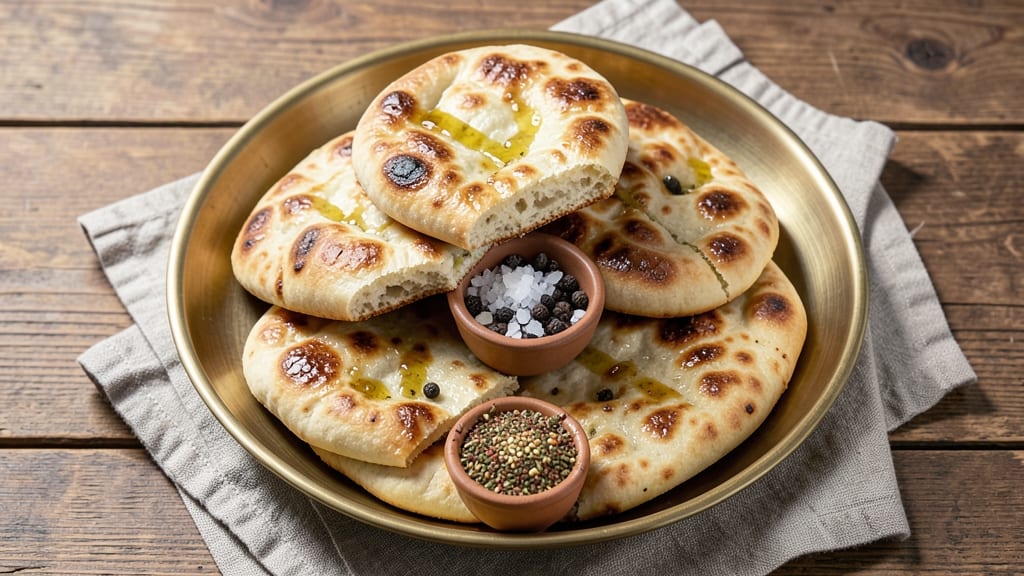
This Arab flatbread recipe transforms simple ingredients into warm, flexible tortillas that become the perfect vessel for any meal. The dough's secret lies in a precise balance of flour, yeast, and water, creating a texture that's both soft and sturdy—ideal for wrapping kebabs or dipping in hummus.
I've perfected this method over years of testing, ensuring every batch delivers that signature chewy center and crisp edges.
What sets this recipe apart is its versatility—whether you're baking in a wood-fired oven or using a stovetop skillet, the technique remains consistent. The dough requires just 15 minutes of active prep and 1 hour of resting time, making it a foolproof choice for weeknight dinners or special occasions.
The key to success? Proper kneading and shaping, which unlocks that signature flexibility without sacrificing structure.
By the time your flatbreads emerge from the oven, you'll have golden-brown, pillowy bread with a delicate crust that's perfect for tearing. Serve them warm alongside grilled meats, fresh salads, or your favorite dips.
The aroma alone will transform your kitchen into a Middle Eastern eatery, and the texture—soft yet resilient—will impress even the most discerning guests.
This recipe adapts seamlessly to cultural variations, from the thin, crispy markook of Lebanon to the hearty khobz of Egypt. Whether you're making it for a family gathering or a solo meal, the process is straightforward, and the results are always satisfying. Let's get started on creating your perfect batch.
Ingredients for arab flat bread
Nine simple ingredients transform into pillowy, flexible flatbreads perfect for any meal—just flour, yeast, and a touch of magic.
| Ingredient | Amount | Notes |
|---|---|---|
| All-Purpose Flour 🌾 | 3 ½ cups | Unbleached preferred for best texture |
| Active Dry Yeast 🍞 | ¼ oz | Or 2.5 tsp, ensure fresh |
| Granulated Sugar 🍚 | 1 tbsp | Feeds yeast for activation |
| Salt 🧂 | 1 ½ tsp | Diamond Crystal preferred |
| Warm Water 💧 | 1 ¼ cups | 110°F for optimal yeast activation |
| Extra-Virgin Olive Oil 🫒 | 2 tbsp | High quality for richness |
| Sesame Seeds 🌰 | ¼ cup | Toasted for garnish |
| Ground Cumin 🌿 | ½ tsp | Optional for Middle Eastern flavor |
| Garlic Powder 🧄 | ½ tsp | For subtle depth |
The flour is non-negotiable here—King Arthur or Gold Medal deliver that signature chewy center. Yeast needs to be fresh; if it's past its prime, your flatbreads will lack lift. Warm water is crucial—too hot kills the yeast, too cold won't activate it. I always test mine by floating an egg: if it sinks, it's ready. For the olive oil, California Extra Virgin adds a fruity note that elevates the final product. Sesame seeds? Toast them in a dry pan for 30 seconds—they'll smell like a Middle Eastern bakery.
No sesame seeds? Poppy seeds or everything bagel seasoning work in a pinch. Short on cumin? Paprika or coriander adds warmth without overpowering. The garlic powder can be swapped for fresh minced garlic (1 tsp)**, but it's easier to measure. If you're using a bread machine, skip the yeast and let the machine handle activation—just add everything except the sesame seeds at the start. For a gluten-free version, King Arthur gluten-free flour blend** works, but texture will differ slightly.
This dough keeps for 24 hours in the fridge, wrapped tightly in plastic. For longer storage, freeze shaped balls for up to 3 months—thaw overnight before baking. The flatbreads reheat beautifully in a skillet or oven for 2-3 minutes to restore that warm, pillowy texture. I always make a double batch—one for fresh eating, one for freezing. The aroma alone is worth the effort.
Why You'll Love This Recipe
- No-Yeast Panic: I swear by this dough—just flour, yeast, sugar, and water. No kneading, no fuss, and zero room for mistakes. The yeast does all the work while I sip tea and scroll through my phone.
- Crispy Magic: That first bite? Crispy edges with a pillowy center—like a hug from a food truck. The sugar caramelizes just enough to give it a subtle sweetness that pairs perfectly with anything.
- Weeknight Hero: Dinner guests? Leftovers? Date night? This bread handles it all. Warm it straight from the oven or freeze half the batch for lazy mornings. My go-to for when I don’t want to think.
- Pocketbook Friendly: Five ingredients, one bowl, minimal cleanup. I make a double batch for $2 and feed my whole family. Honestly, the only thing cheaper is store-bought—and this tastes nothing like that sad, dry stuff.
Step-by-step instructions for warm, flexible Arab flatbread
Here's how to create authentic, oven-fresh flatbread with perfect texture and aroma every time.
Activate the Yeast for Maximum Rise
In a small bowl, combine the 1.25 cups warm water (about 110°F) with the 1 tbsp granulated sugar and 0.25 oz active dry yeast. Stir gently and let sit for 5-10 minutes until frothy—you should see bubbles forming on the surface. This tells you the yeast is alive and ready to work.
If no bubbles form after 10 minutes, your yeast might be old. In that case, start fresh with new yeast. The sugar feeds the yeast, while the warm water creates the perfect environment for activation. This step is crucial for developing that signature light, airy texture in your flatbread.
Mix the Dough for Perfect Texture
In a large mixing bowl, whisk together the 3.5 cups all-purpose flour, 1.5 tsp salt, 0.5 tsp ground cumin, and 0.5 tsp garlic powder. Create a well in the center and pour in the yeast mixture along with the 2 tbsp extra-virgin olive oil. Mix with a wooden spoon until a shaggy dough forms.
Transfer the dough to a lightly floured surface and knead for 8-10 minutes until smooth and elastic. You'll know it's ready when it springs back slightly when pressed. The olive oil adds richness while the spices infuse subtle Middle Eastern character. If the dough feels too sticky, add flour 1 tablespoon at a time—but don't overdo it, or your bread will be dense.
Let the Dough Rise for Optimal Flavor
Shape the dough into a ball, place it in a lightly oiled bowl, cover with a clean kitchen towel, and let rise in a warm place for 1-2 hours or until doubled in size. The warmth helps the yeast work efficiently, creating those tiny air pockets that make the bread light and tender.
I like to place my bowl on top of my oven with the light on (not the heat) for consistent warmth. Poke the dough gently—if it springs back slowly, it's ready. If it springs back quickly, give it another 30 minutes. Patience here prevents dense bread. The longer rise also develops more complex flavors from the spices.
Shape and Proof the Flatbreads
Punch down the risen dough and divide it into 8 equal pieces. Roll each piece into a 6-inch circle on a floured surface, keeping the edges slightly thicker than the center. This creates that perfect flatbread shape with a slightly puffed edge when baked.
Place the shaped flatbreads on a parchment-lined baking sheet, cover with a towel, and let proof for 20-30 minutes. They should look slightly puffed but not doubled. This final proofing ensures they'll rise beautifully in the oven. While they proof, preheat your oven to 425°F—this high heat is key for achieving that crispy, blistered exterior.
Bake to Golden Perfection
Bake the flatbreads for 8-10 minutes until they're golden brown at the edges and puffed in the center. Rotate the baking sheet halfway through for even browning. The aroma alone will make your kitchen smell amazing—like warm spices and fresh bread.
Remove from the oven and immediately brush the tops with a little more extra-virgin olive oil if desired. Sprinkle with sesame seeds while still warm for that classic crunch and nutty flavor. Serve immediately with your favorite dips or meals. These flatbreads are best enjoyed fresh from the oven when they're at their most flexible and flavorful.
Pro Tips For Making Arab Flat Bread
- STRETCH THE DOUGH HARD: I learned this the hard way—rolling too gently gives you a floppy, sad flatbread. After the first rise, punch down the dough and knead it firmly for 2-3 minutes until it’s smooth and springy. That extra effort makes the bread hold its shape when cooking.
- USE LUKWARM WATER: Cold water kills the yeast; boiling water cooks it instantly. Fill a measuring cup with water, let it sit for 5 minutes after boiling, then check—it should feel like bathwater (about 105°F/40°C). Too hot? Wait longer. Too cold? Microwave it 10 seconds.
- SKIP THE SUGAR IF HURRYING: That teaspoon of sugar feeds the yeast, but if you’re short on time, swap it for a pinch of instant yeast (¼ tsp) or skip it entirely. The dough will rise slower, but you’ll still get a decent flatbread—just don’t expect the same airy texture.
- PRESSE DON’T ROLL: Arab flatbreads need pressure, not rolling. After shaping, press the dough ball flat with your palm (like a coin) until it’s about ¼-inch thick. Rolling stretches the gluten too much, making the bread tough. A heavy pan or rolling pin works too—just don’t go overboard.
Flavor customization for this arab flat bread
Spiced Variations
For a Moroccan twist, swap the cumin for 1 tsp ground coriander and add ½ tsp smoked paprika to the dough. This creates a warm, earthy flavor that pairs perfectly with tagines or lamb dishes.
Toast 1 tbsp whole cumin seeds in a dry pan for 30 seconds, then grind them fresh for even more depth. 🌶️
Try a Lebanese-inspired version by adding ½ tsp ground allspice and ¼ tsp cinnamon to the dough. These spices give the flatbread a subtle sweetness that complements grilled meats and za’atar. For extra flair, sprinkle everything bagel seasoning instead of sesame seeds on top before baking.
Herb Infusions
Brighten your flatbread with fresh herbs by mixing 2 tbsp finely chopped fresh parsley or dill directly into the dough. The herbs add a vibrant pop of color and a fresh, bright note that cuts through rich dishes like kebabs or lamb stews.
For a Greek-inspired touch, add 1 tsp dried oregano and a pinch of crushed red pepper flakes.
For a Mediterranean herb blend, combine 1 tsp each of dried thyme, rosemary, and marjoram into the dough. These herbs work beautifully with grilled vegetables, roasted potatoes, or as a side for seafood dishes. If using fresh herbs, chop them finely to avoid tearing the dough during kneading.
Sweet Adaptations
Transform your flatbread into a sweet breakfast option by adding 2 tbsp honey or maple syrup to the dough along with the yeast mixture. Reduce the sugar to ½ tbsp to balance the sweetness.
After baking, drizzle with a little more honey and sprinkle with crushed pistachios or walnuts for texture. These sweet flatbreads are perfect with yogurt and fresh fruit.
For a cinnamon-sugar twist, mix 1 tbsp cinnamon and 2 tbsp brown sugar into the dough. After baking, brush the tops with melted butter and sprinkle with a pinch of salt.
These Arabic-style sweet flatbreads** (similar to manakeesh) are a hit with tea or coffee in the Middle East.
Savory Toppings
Elevate your flatbread with pre-baking toppings like finely chopped scallions or fresh cilantro. Press them gently into the dough before baking for a burst of freshness. For a cheesy twist, sprinkle ¼ cup crumbled feta or goat cheese on top before the final 2 minutes of baking.
The cheese melts beautifully, creating a creamy contrast to the crispy crust.
Create a garlic-herb flatbread by mixing 1 minced garlic clove and 1 tbsp chopped fresh parsley into the dough. After baking, brush the tops with a mixture of 2 tbsp olive oil and ½ tsp lemon zest.
This adds a bright, zesty finish that pairs wonderfully with grilled meats or roasted vegetables.
Nutrition facts
Frequently asked questions
Can I make this flatbread without yeast?
Yes! For a quick version, replace the yeast with 1 tsp baking powder and ½ tsp baking soda. Mix these directly with the flour, then add 1 tbsp vinegar to the water for activation. The texture will be denser but still delicious—great for when you're short on time.
How do I get the flatbread to stay soft after baking?
Keep them warm in a 200°F oven with a damp towel over them for up to 30 minutes. For longer storage, wrap baked flatbreads tightly in plastic wrap or foil and refrigerate. Reheat in a dry skillet over medium heat for 1-2 minutes per side—they'll regain their softness instantly.
What's the best way to shape the flatbread for maximum flexibility?
Roll each dough piece into a 6-inch circle with slightly thicker edges than the center. The secret is to handle the dough gently—press down firmly but evenly to create even thickness. For extra flexibility, let the shaped flatbreads rest covered for 10 minutes before baking. This relaxes the gluten structure, making them more pliable.
Can I make this dough ahead of time?
Shape the dough into balls, wrap tightly in plastic, and refrigerate for up to 24 hours. Let them sit at room temperature for 30 minutes before shaping and baking. For longer storage, freeze the dough balls for up to 3 months—thaw overnight in the fridge before using. The cold slows yeast activity, preserving freshness.
What if my flatbreads turn out too dense?
Dense flatbread usually means the yeast didn't activate properly or the dough didn't rise enough. Double-check your yeast (it should foam within 5-10 minutes in warm water). Also ensure your dough doubles in size during rising—if not, give it another 30-60 minutes. For next time, try adding 1 extra tablespoon of olive oil to the dough for better texture.