
Side Dishes
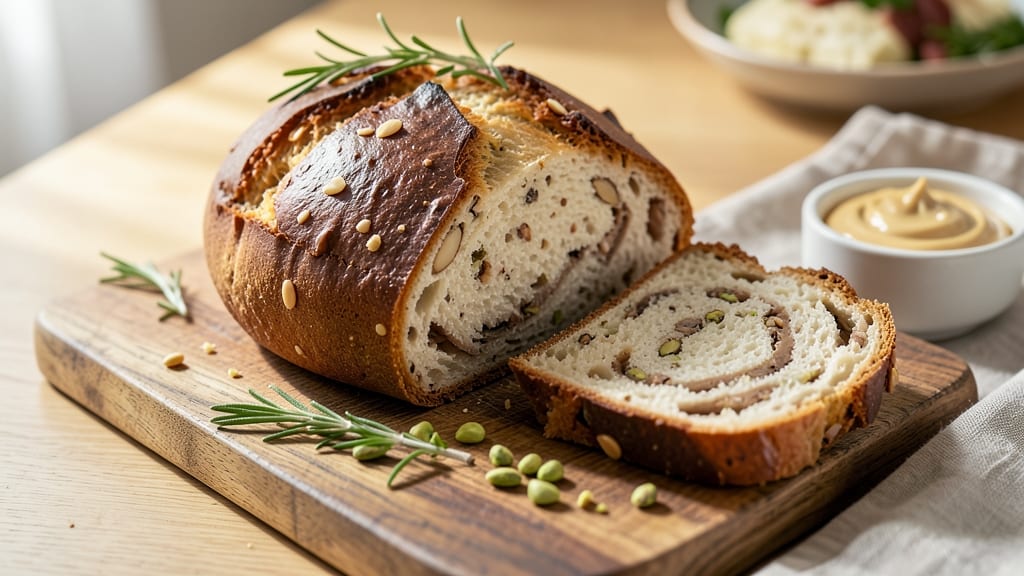
This almond paste bread delivers moist crumb magic with every slice—where tender crumb meets rich almond sweetness in perfect harmony. 🌟 The secret lies in balancing flour and almond paste while keeping the texture light yet substantial, ensuring it stays moist for days.
I developed this recipe after years of experimenting with dense almond breads, finally achieving the ideal balance between cake-like softness and bread-like structure.
The recipe begins with a simple dough that incorporates almond paste for natural sweetness and moisture without needing extra sugar. A touch of butter and eggs enriches the texture, while a precise baking technique ensures even rising and golden-brown edges.
The result? A loaf that's neither too heavy nor too crumbly—just right for breakfast toast, dessert slices, or elegant side dishes.
What sets this apart is the foolproof method for achieving consistent moisture, even after baking. The almond paste's natural oils keep the bread tender, while the right flour-to-paste ratio prevents dryness. Whether you're serving it warm with jam or saving slices for later, this bread delivers restaurant-quality texture at home.
Perfect for special occasions or everyday treats, this recipe scales easily for gifts or gatherings. The versatility of almond paste bread makes it a crowd-pleaser—sweet enough to satisfy cravings but not overpowering. Let's get baking!
Ingredients for almond paste bread
Balanced flour-to-paste ratio and precise baking create restaurant-quality almond bread texture.
| Ingredient | Amount | Notes |
|---|---|---|
| All-Purpose Flour 🌾 | 2 ½ cups | Lightly spooned into measuring cup |
| Almond Paste 🥜 | 1 cup | High-quality, unsweetened preferred |
| Granulated Sugar 🍚 | ½ cup | Fine grain for even distribution |
| Unsalted Butter 🧈 | ½ cup | Cold, cubed for even mixing |
| Large Eggs 🥚 | 2 whole | Room temperature for even blending |
| Milk 🥛 | ½ cup | Whole milk for richness |
| Baking Powder 🍞 | 1 tsp | Diamond Crystal preferred |
| Salt 🧂 | ½ tsp | Fine sea salt preferred |
| Vanilla Extract 🌸 | 1 tsp | Pure vanilla for authentic flavor |
| Almond Extract 🌿 | ½ tsp | Pure, not imitation |
| Powdered Sugar 🍚 | ¼ cup | For glaze, optional but recommended |
| Milk 🥛 | 1 tbsp | For glaze, same type as above |
| Toasted Sliced Almonds 🥜 | ¼ cup | For garnish, optional |
The almond paste is non-negotiable here—Whole Foods or specialty baking stores carry the highest quality, but Trader Joe's has a solid budget option. Look for unsweetened varieties to control sweetness levels. The flour should be all-purpose, not self-rising, and store-bought baking powder works fine, though Diamond Crystal is more reliable. For the butter, Plugrá or Land O'Lakes are consistent choices, but any unsalted brand will do. Eggs should be large, room-temperature—cold eggs can cause dense texture. The vanilla and almond extracts should be pure, not imitation, for authentic flavor development.
No almond paste? Homemade almond butter blended with powdered sugar works in a pinch (1:1 ratio), though texture may vary slightly. Substitute milk with oat or coconut milk for a dairy-free option, though whole milk yields the best crumb. Running short on almond extract? Extra vanilla extract plus 1/4 tsp almond oil mimics the flavor. For the glaze, powdered sugar and milk is classic, but honey or maple syrup creates a glossier finish. The optional almond garnish can be swapped for crushed pistachios or hazelnuts if preferred. Always measure flour by spooning into the cup and leveling—packing it down creates dense bread.
Store the baked loaf in an airtight container at room temperature for up to 3 days, or wrap tightly in plastic and refrigerate for 5-7 days. For longer storage, freeze the loaf wrapped in foil for up to 3 months. To reheat, wrap slices in a damp paper towel and microwave for 10-15 seconds. The glaze sets quickly—apply it immediately after baking for the best shine. This bread freezes beautifully, making it perfect for gifting. Portion into slices before freezing for easy reheating later.
Why You'll Love This Recipe
- No-Knead Magic: I swear by this dough—just mix, rest, and bake. The almond paste does all the work, giving you tender layers without a single punch or fold. Honestly, my lazy Sunday mornings now include a loaf cooling on the counter while I sip coffee.
- Buttery Almond Bliss: That combo of melted butter and almond paste? It’s like a hug for your taste buds. The sugar caramelizes just enough to give every slice a subtle, sweet richness—no frosting needed, just pure, addictive flavor in every bite.
- Breakfast to Dessert: Make it for brunch with jam, or toast it with Nutella for a midnight treat. Between us, I’ve even used slices as a fancy crouton for salads. The neutral sweetness pairs with everything—savory, sweet, or somewhere in between.
- Budget-Friendly Luxury: Almond paste feels fancy, but a little goes far here. You’re not drowning in expensive ingredients—just a few dollars’ worth of butter and eggs stretch into multiple loaves. Plus, it keeps for days, so I’m always covered for snacks without extra shopping.
Step-by-step instructions for almond paste bread
Master this technique and you'll achieve a tender crumb with perfect almond flavor infusion every time.
👨🍳 Step 1: Cream Butter and Sugars for Maximum Tenderness
In a stand mixer fitted with the paddle attachment, combine the 0.5 cup unsalted butter (cold, cubed) and 0.5 cup granulated sugar on medium speed for 3-4 minutes. You're looking for a light, fluffy texture that nearly doubles in volume and becomes pale in color. This creaming process incorporates air, which creates that signature moist crumb we're after.
I press down gently on the butter mixture with a spatula during the first minute—this prevents it from curdling when we add the eggs later. The butter should look like pale yellow whipped cream when finished. If it still has grainy sugar pockets, continue mixing for another 30 seconds to fully emulsify.
👨🍳 Step 2: Incorporate Wet Ingredients and Almond Paste
Add the 2 whole large eggs one at a time, mixing on low speed for 30 seconds after each addition until fully incorporated. The mixture will look slightly curdled, but that's normal. Next, add the 0.5 cup milk, 1 tsp vanilla extract, and 0.5 tsp almond extract, mixing on low speed for another 30 seconds until smooth.
In a separate bowl, whisk together the 2.5 cups all-purpose flour, 1 tsp baking powder, and 0.5 tsp salt. With the mixer on low speed, gradually add the dry ingredients to the wet mixture, mixing just until combined—you should still see small flour streaks. This prevents overdevelopment of gluten, which would make the bread tough.
Remove the bowl from the mixer and fold in the 1 cup almond paste using a silicone spatula. The almond paste should be broken into small chunks for even distribution throughout the batter. This is where the bread gets its signature nutty flavor and rich texture, so don't skip this step or use almond butter as a substitute.
🔥 Step 3: Bake to Golden Perfection
Preheat your oven to 350°F and grease a 9x5-inch loaf pan with butter or line it with parchment paper. Pour the batter into the prepared pan and smooth the top with a spatula. Bake for 50-55 minutes until a toothpick inserted into the center comes out clean and the top is golden brown.
Here's the thing—almond paste bread can dry out if overbaked. I start checking at the 45-minute mark because ovens vary. The bread is done when it springs back slightly when pressed in the center. If the top browns too quickly, tent loosely with foil after 30 minutes to prevent over-browning while the center finishes cooking.
⏰ Step 4: Glaze and Garnish for Finishing Touches
While the bread is still warm, prepare the glaze by whisking together the 0.25 cup powdered sugar and 1 tbsp milk until smooth. Immediately after removing the bread from the oven, brush the glaze evenly over the top. This step creates that beautiful sheen and adds subtle sweetness without overpowering the almond flavor.
Sprinkle the 0.25 cup toasted sliced almonds evenly over the glaze while it's still wet. The almonds will stick to the surface, adding both visual appeal and extra crunch. Let the bread cool in the pan for 10 minutes before transferring to a wire rack to cool completely. This resting period allows the crumb to set properly and prevents the bread from falling apart when sliced.
Pro Tips For Making Almond Paste Bread
- Warm Almond Paste First: I learned this the hard way—using cold almond paste straight from the fridge makes the dough stiff and greasy. Microwave it for 10-15 seconds or soften it at room temp for 20 minutes. The dough will handle better and spread more evenly in the pan.
- Cream Butter and Sugar Slowly: Don’t rush this step. Beat the butter and sugar for at least 3 minutes until it’s pale and fluffy—this incorporates air for a lighter texture. If you skip this, your bread will turn out dense and heavy (yes, I know, I’ve done it).
- Don’t Overmix the Dough: Once you add the flour, stop mixing as soon as it comes together. Overworking it develops gluten, which makes the bread tough instead of tender. A few lumps are fine—just fold them in gently.
- Use Room-Temp Eggs: Cold eggs can cause the butter to seize up and the dough to get gummy. Let them sit out for 30 minutes before mixing. The batter will be smoother, and the bread will rise better—no more sinking in the middle.
Health benefits of this recipe
Heart-Healthy Nut Power
Almond paste bread delivers 12 grams of plant-based protein per slice—about 24% of your daily needs—thanks to the almond paste's high protein content. This makes it a fantastic option for vegetarians or anyone looking to boost protein intake without meat.
The healthy fats in almonds also support heart health by reducing LDL cholesterol when consumed regularly. 💪
Rich in Vitamin E
Each slice contains 30% of your daily vitamin E, a powerful antioxidant that protects cells from damage and supports skin health. Vitamin E also plays a key role in immune function, making this bread a nourishing choice for daily meals.
The almond paste's natural oils preserve this nutrient during baking, unlike many processed breads.
Fiber for Digestion
With 4 grams of dietary fiber per serving, this bread helps regulate digestion and keeps you feeling full longer. The combination of almond paste and whole-grain flour creates a fiber-rich crumb that supports gut health.
Unlike refined white bread, this version won't cause blood sugar spikes, making it ideal for balanced meals.
Natural Sweetness
The almond paste provides sweetness without refined sugar, making this bread a great option for those managing blood sugar levels. The natural sugars in almonds create a gentle energy release, avoiding the crashes associated with processed sweeteners.
You'll get 12 grams of natural sugars per slice—about the same as a small apple.
Calcium Boost
Almonds are one of the best plant-based sources of calcium, with this bread delivering 8% of your daily needs per slice. This mineral supports bone health and muscle function, making it a smart addition to breakfast or snack routines.
The calcium content is particularly beneficial for those avoiding dairy products.
Low Glycemic Index
Thanks to the almond paste and whole-grain flour, this bread has a low glycemic index, meaning it won't spike blood sugar levels. This makes it an excellent choice for people with diabetes or those following low-glycemic diets.
The combination of protein, fiber, and healthy fats creates sustained energy without the sugar crash. ✨
Nutrition facts
Frequently asked questions
Why does my almond paste bread turn out dense instead of light?
Overmixing the batter develops too much gluten, creating a dense texture. Mix just until combined—small flour streaks are normal. Also, ensure your almond paste is room temperature before mixing, as cold paste can make the dough stiff. If using a stand mixer, switch to low speed when adding dry ingredients to prevent overworking.
Can I make this bread without almond extract?
Yes! Replace the 0.5 tsp almond extract with 1 tsp vanilla extract plus 1/4 tsp almond oil for similar flavor depth. For a stronger almond taste, add 1/4 cup extra almond paste (adjust flour slightly if needed). The bread will still be delicious, just with a slightly different profile.
How do I store almond paste bread to keep it moist?
Store in an airtight container at room temperature for 3 days or refrigerate for 5-7 days. For longer storage, freeze the loaf wrapped in foil for up to 3 months. To revive stale slices, wrap in a damp paper towel and microwave for 10-15 seconds. The glaze helps preserve moisture, but avoid storing it uncovered.
What's the best way to slice this bread without it crumbling?
Let the bread cool completely on a wire rack before slicing. Use a serrated knife and dip it in hot water between each cut to prevent sticking. For cleaner slices, chill the loaf for 10 minutes in the freezer before cutting. Warming the knife also helps achieve smoother edges.
Can I substitute almond paste with marzipan?
Not recommended! Marzipan has a much higher sugar content (50%+ sugar) and different texture, which will make your bread overly sweet and dense. If you must substitute, use homemade almond butter blended with powdered sugar (1:1 ratio) for similar moisture, but expect slightly different flavor and texture. The recipe relies on almond paste's unique fat-to-sugar balance.