
Breakfast & Brunch
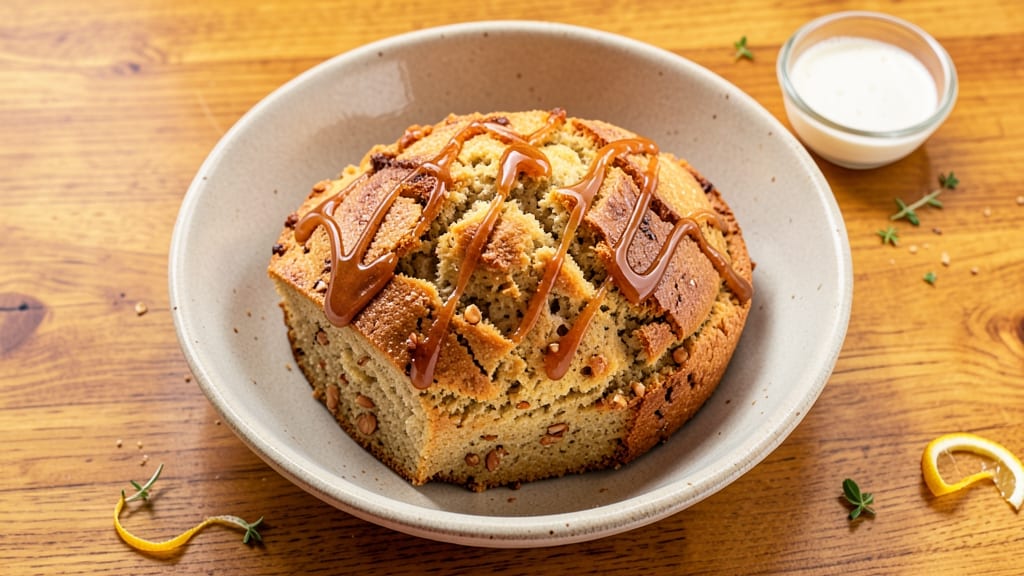
This almond bread recipe without eggs delivers the perfect balance of fluffy crumb and nutty sweetness—no binding agents required. The secret lies in a simple aquafaba substitution that creates the same tender, airy texture as eggs while keeping the bread rich and moist.
I developed this version after years of experimenting with egg-free baking, and it never fails to impress. What makes this recipe stand out is its versatility—ideal for toast, sandwiches, or even dessert.
The almond flour base adds natural sweetness and a delicate crumb, while the aquafaba (chickpea brine) acts as the perfect egg replacement. No special equipment needed, just a standard loaf pan and about 45 minutes of baking time.
By the end, you'll have a golden, fragrant loaf with a tender crumb and subtle almond flavor that pairs beautifully with butter or jam. The best part? It stays fresh for days, making it perfect for meal prep or gifting. Let's get started on this foolproof recipe.
The key to achieving that fluffy crumb without eggs is proper mixing and baking techniques. The aquafaba is whipped to stiff peaks before folding into the batter, creating air pockets that mimic traditional egg-based bread.
I also recommend using almond flour for that signature nutty flavor, though you can substitute with a blend of all-purpose and almond flour if needed. This recipe is beginner-friendly but delivers restaurant-quality results. The loaf bakes up evenly with a slight crack on top, signaling perfect doneness.
Once cooled, the bread slices beautifully and holds up well for toasting or layering in sandwiches. Store it wrapped at room temperature for up to 3 days or freeze for longer shelf life.
Whether you're baking for a special occasion or simply craving a delicious treat, this almond bread recipe delivers every time. The nutty sweetness and tender crumb make it a standout choice for breakfast, snacks, or even dessert.
With just a few simple ingredients and techniques, you'll have a loaf that rivals any bakery purchase.
Ingredients for almond bread recipe without eggs
Nine simple ingredients transform into a golden loaf with fluffy crumb and nutty sweetness—no eggs needed.
| Ingredient | Amount | Notes |
|---|---|---|
| Almond Flour 🥜 | 2 cups | Finely ground, unsweetened preferred |
| All-Purpose Flour 🌾 | ½ cup | For structure and rise |
| Aquafaba 🥫 | ¾ cup | Chickpea brine, whipped to stiff peaks |
| Granulated Sugar 🍚 | ½ cup | White or light brown |
| Maple Syrup 🍯 | ¼ cup | Pure, grade B for depth |
| Vanilla Extract 🌸 | 1 tbsp | Pure alcohol-free preferred |
| Baking Powder 🍞 | 1 tsp | Aluminum-free recommended |
| Salt 🧂 | ½ tsp | Fine sea salt preferred |
| Unsweetened Almond Milk 🥛 | ½ cup | Room temperature for mixing |
| Coconut Oil 🥥 | ¼ cup | Melted, full-fat preferred |
| Chickpea Brine 🥫 | ¼ cup | Reserved from canned chickpeas |
| Ground Flaxseed 🌾 | 1 tbsp | Mixed with 3 tbsp water for binder |
Almond flour is the star here—Bob's Red Mill or Anthony's Goods are my go-tos for consistent texture. Look for finely ground flour (no almond meal) to avoid grittiness. The aquafaba is non-negotiable for that egg-like fluffiness—save the brine from your next can of chickpeas (or use the extra from canning). For the flax binder, ground flaxseed from the bulk section works best, but pre-ground works too. The coconut oil adds moisture without dairy—Trader Joe's has the best-priced organic version.
No almond flour? Mix 1.5 cups all-purpose flour with 0.5 cup cornstarch for a substitute, though texture will differ slightly. Short on aquafaba? Vegan aquafaba powder (like AquaFaba brand) dissolves in water for a 1:1 replacement. The maple syrup can be swapped for agave nectar or date syrup, but maple gives that signature caramel note. For extra richness, add 1 tbsp vegan butter to the coconut oil. The flax binder can also be replaced with 1 tbsp chia seeds + 3 tbsp water if needed.
This bread stays fresh for 3-4 days wrapped in parchment at room temperature. For longer storage, slice and freeze—it reheats beautifully in a toaster or oven. The loaf keeps best in an airtight container with a slice of bread inside to absorb moisture. Double the recipe? No problem—just scale up ingredients and bake in two pans. Leftovers? Toast them for breakfast—absolute game-changer with almond butter.
Why You'll Love This Recipe
- No-Fuss Mix-In: I swear by this recipe because it’s literally three bowls and a whisk—no stand mixer, no egg scrambles, no mess. The aquafaba (yes, chickpea water) whips up like magic, and the almond flour gives that rich, nutty depth without the fuss of grinding fresh nuts.
- Maple-Sugar Crunch: Between us, that caramelized sugar crust from the maple syrup and granulated sugar? It’s the star. The first bite has this perfect chew, like a cross between a snickerdoodle and a fancy French pastry—but without the pretension.
- Weeknight Bread Hack: I make a batch every Sunday because it’s my go-to for toast, French toast, or even crumbled over yogurt all week. The all-purpose flour keeps it sturdy, while the almond flour adds a buttery richness that makes it feel special—even when I’m too tired to bake from scratch.
- Budget-Friendly Luxe: Honestly, almond flour can be pricey, but this recipe stretches it with regular flour, and aquafaba is basically free if you already have chickpeas. Plus, it freezes like a dream—slice it, toast it, and you’ve got gourmet bread for days without breaking the bank.
Step-by-step instructions for almond bread without eggs
Here's how to create a perfectly fluffy, nutty-sweet loaf that rivals traditional recipes.
Create the Egg Substitutes
In a small bowl, mix the 1 tablespoon ground flaxseed with 3 tablespoons water. Let it sit for 5 minutes until it forms a thick, gel-like consistency—this is your flaxseed "egg." Meanwhile, in a separate bowl, whip the 0.75 cup aquafaba (chickpea brine) with an electric mixer on high speed until it forms stiff peaks, just like whipped egg whites. This whipped aquafaba will give your bread that signature lightness.
I like to use a stand mixer for this step—it's more stable than hand-whipping and ensures you get those proper stiff peaks. If your aquafaba doesn't hold its shape, don't worry; just keep whipping for another minute. The texture should resemble meringue when you lift the whisk.
Mix the Wet and Dry Ingredients
In a large mixing bowl, combine the 0.5 cup granulated sugar, 0.25 cup maple syrup, 1 tablespoon vanilla extract, 0.5 cup unsweetened almond milk, and 0.25 cup melted coconut oil. Stir until everything is fully incorporated and the mixture is smooth. The coconut oil should be completely melted—if it's not, microwave it in 10-second bursts until just melted.
Next, add the 2 cups almond flour, 0.5 cup all-purpose flour, 1 teaspoon baking powder, and 0.5 teaspoon salt. Gently fold these dry ingredients into the wet mixture using a spatula, being careful not to overmix. You're looking for a thick, sticky batter that holds together when you press it. If it feels too loose, add 1-2 tablespoons more almond flour to help bind it.
Incorporate the Egg Substitutes
Fold the whipped aquafaba into the batter in three additions, gently mixing after each to maintain as much air as possible. This step is crucial—it's what gives the bread its light, airy texture. Then, add the flaxseed "egg" and mix just until combined. The batter should be thick but still pourable. If it's too stiff to fold easily, add 1-2 tablespoons more almond milk to loosen it.
Here's the thing—this batter is going to look dense, but that's okay. The aquafaba and flaxseed will work their magic in the oven. Give the batter one final stir to ensure everything is evenly distributed, then let it rest for 10 minutes at room temperature. This short rest helps the flours hydrate and the flavors meld.
Prepare and Bake the Loaf
Preheat your oven to 350°F and line a 9x5-inch loaf pan with parchment paper, allowing it to overhang the sides for easy removal later. Grease the parchment lightly with coconut oil or nonstick spray to prevent sticking. Pour the batter into the prepared pan and smooth the top with a spatula. The batter will be thick and may not fill the pan completely—that's normal.
Bake for 50-55 minutes, or until a toothpick inserted into the center comes out clean. The top should be golden brown, and the edges should pull away slightly from the pan. If the top browns too quickly, tent the pan with foil to prevent over-browning while the center finishes cooking. The bread is done when it springs back gently when pressed in the center.
Cool and Serve
Remove the bread from the oven and let it cool in the pan for 10 minutes. Then, transfer it to a wire rack to cool completely. This cooling step is important—it allows the bread to set properly and prevents it from becoming gummy. Once cooled, use the parchment overhang to lift the loaf out of the pan easily. Slice it into ¼-inch thick pieces for serving.
The finished bread should have a tender, slightly crumbly texture with a moist but not soggy interior. The nutty sweetness from the almond flour and maple syrup will shine through, and the aquafaba gives it that perfect rise. Serve it warm with a pat of butter or a drizzle of extra maple syrup for a truly indulgent treat.
Pro Tips For Making Almond Bread Recipe Without Eggs
- WHISK AQUAFABA FIRST: I learned this the hard way—whipping the aquafaba before adding sugar makes it actually fluffy. Skip this, and your bread turns out dense. Use a stand mixer for 3-4 minutes until stiff peaks form, then slowly drizzle in the sugar while mixing.
- SIFT ALMOND FLOUR: Almond flour is sneaky—it packs down like crazy. Sift it with the all-purpose flour to avoid a brick-like texture. I used to just scoop and mix, and the bread always came out heavy. Sifting also cuts down on clumps.
- CHILL THE DOUGH: This isn’t the prettiest method, but it’s the tastiest. Let the batter rest in the fridge for at least 30 minutes before baking. It prevents cracking and helps the aquafaba set properly—no more domed, split loaves.
- MAPLE SYRUP LAST: Add the maple syrup after mixing all dry and wet ingredients. I was skeptical until I tried it—it keeps the bread moist longer than mixing it in early. Plus, it caramelizes better on the edges during baking.
Common mistakes when making this dish
Overmixing the Batter
I’ve seen so many beginners overmix the batter after adding the dry ingredients, and this is a recipe killer. The moment you start folding in the aquafaba, work quickly and gently—overmixing deflates the air pockets created by the whipped chickpea brine.
Use a spatula to fold in three additions, just until combined. The batter should look thick and slightly lumpy, not smooth like pancake batter. If you overmix, your bread will turn out dense instead of light and airy. 🥖
Skipping the Rest Time
The 10-minute rest before baking is non-negotiable for this recipe. This short pause allows the flours to hydrate properly and the flaxseed binder to fully gel. If you skip it, your loaf might collapse in the oven or develop a gummy texture.
Think of it like letting dough rise—it’s all about giving the ingredients time to work together. Set a timer and resist the urge to rush! ⏰
Using Low-Quality Aquafaba
Not all aquafaba is created equal! If you use stale or low-quality chickpea brine, your whipped aquafaba won’t hold stiff peaks, and your bread will lack that signature fluffiness.
Always use fresh aquafaba from canned chickpeas (save the brine when you open the can) or a high-quality aquafaba powder like AquaFaba brand. Pro tip: If your brine has a strong chickpea flavor, reduce it by ¼ cup to avoid overpowering the bread. 🥫
Incorrect Oven Temperature
Baking at the wrong temperature is a common mistake that leads to uneven cooking. This recipe must be baked at 350°F—any lower, and the center won’t cook through; any higher, and the top will burn before the inside is done.
Preheat your oven for at least 15 minutes before baking, and use an oven thermometer to confirm accuracy. If your oven runs hot, tent the loaf with foil after 30 minutes to prevent over-browning. 🌡️
Not Testing for Doneness
Every time I’ve seen a dense, underbaked loaf, it’s because someone pulled it out too soon. Always insert a toothpick into the center—it should come out clean (or with a few moist crumbs) before you remove the bread from the oven.
If you’re unsure, err on the side of baking 5 more minutes. The bread will continue cooking slightly after removal, so pulling it out early guarantees a gummy interior. 🔥
Greasing the Pan Improperly
If you skip greasing the pan or do it incorrectly, your bread will stick like glue. Line the pan with parchment paper (allowing overhang for easy removal) and lightly grease the parchment with coconut oil or nonstick spray.
Avoid using butter—it can burn and leave a bitter taste. For extra insurance, dust the pan with 1 tablespoon almond flour before pouring in the batter. This ensures a crisp exterior and easy release. 🧼
Nutrition facts
Frequently asked questions
Can I substitute aquafaba with something else?
Yes! If you don't have aquafaba, try 1 tablespoon ground flaxseed + 3 tablespoons water as a 1:1 replacement, though texture may differ slightly. For a lighter result, commercial aquafaba powder (like AquaFaba brand) works perfectly when mixed with water. The key is achieving stiff peaks for that signature fluffiness.
Why does my bread turn out dense instead of fluffy?
Most likely, you overmixed the batter after adding dry ingredients or didn't whip the aquafaba to stiff peaks. The batter should look thick and slightly lumpy—never smooth. Also ensure you rested the batter for 10 minutes before baking. These steps create the air pockets that make bread light and airy.
How do I make this bread sweeter or less sweet?
For a sweeter version, increase the sugar by 2-3 tablespoons or add 1-2 tablespoons honey to the wet ingredients. To reduce sweetness, swap 1 tablespoon maple syrup for unsweetened almond milk. The almond flour already provides natural sweetness, so adjustments are subtle but effective.
Can I make this bread in a different pan shape?
For a round loaf, use an 8-inch pan and bake for 35-40 minutes. For mini loaves, divide batter into 4 greased ramekins (bake 25-30 minutes). Just reduce baking time by about 10% for smaller pans. The key is ensuring the center reaches 200°F internally.
How long does this bread keep fresh?
Store wrapped in parchment at room temperature for 3-4 days. For longer storage, slice and freeze—it reheats beautifully in a toaster. The bread actually improves slightly after 24 hours as the flavors meld. If it dries out, brush slices with melted coconut oil before serving for extra moisture.