
Side Dishes
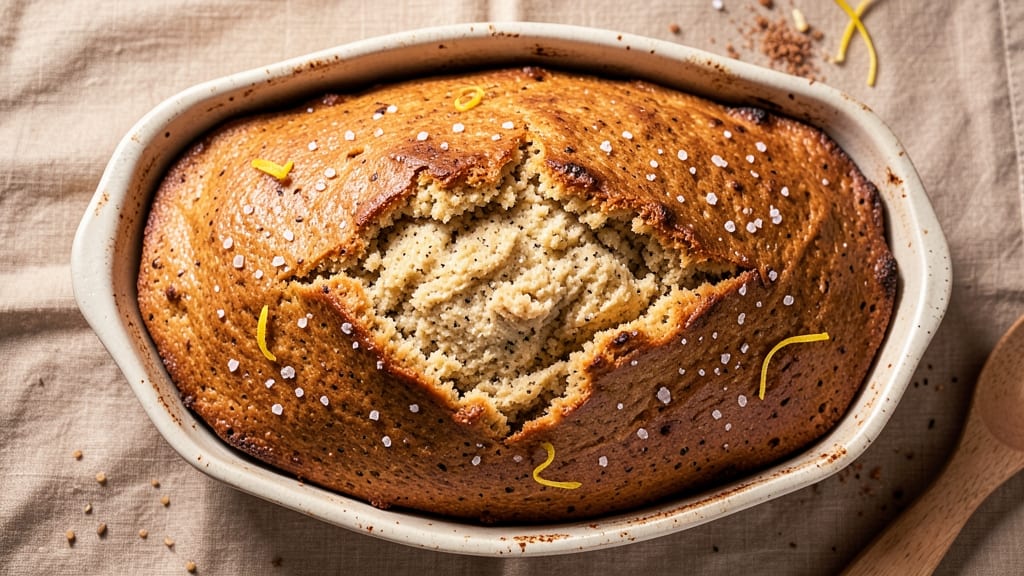
This almond flour unleavened bread recipe transforms simple ingredients into a nutty, gluten-free loaf with ancient-grain texture and satisfying crunch. The secret lies in proper hydration and shaping techniques that create a sturdy yet tender crumb—perfect for sandwiches or toast.
I developed this version after years of experimenting with almond flour's unique properties, which absorb moisture differently than wheat flour.
What makes this recipe work is the precise ratio of almond flour to binders like ground flaxseed, which mimics gluten's structure without yeast or leavening agents. The dough comes together quickly but requires careful handling during shaping to prevent cracking.
Baking at high heat creates that signature crispy exterior while keeping the interior tender and moist.
By the time it emerges from the oven, you'll have a loaf with golden, crackly edges and a slightly dense yet satisfying crumb—rich with nutty almond flavor and subtle sweetness. This bread pairs beautifully with soups, spreads, or as a base for open-faced sandwiches.
The best part? It's completely gluten-free, vegan, and requires no special equipment beyond a mixing bowl and baking sheet.
For variations, try adding seeds or herbs to the dough for extra texture, or shape it into flatbreads for a different presentation. The recipe scales easily for crackers or sweet adaptations with honey or cinnamon. Let's get baking—this is bread that actually improves with leftovers!
Ingredients for almond flour unleavened bread
Fourteen ingredients transform into a gluten-free loaf with ancient-grain texture and nutty richness.
| Ingredient | Amount | Notes |
|---|---|---|
| Almond Flour 🌰 | 2 ½ cups | Finely ground, blanched preferred |
| Ground Flaxseed 🌾 | ½ cup | Freshly ground for binding |
| Tapioca Starch 🍚 | ¼ cup | For gluten-free elasticity |
| Psyllium Husk Powder 🌿 | 2 tbsp | Key for structural integrity |
| Nutritional Yeast 🧀 | ¼ cup | For cheesy, umami depth |
| Sea Salt 🧂 | 1 ½ tsp | Diamond Crystal preferred |
| Extra-Virgin Olive Oil 🫒 | ¼ cup | High-quality, fruity variety |
| Warm Water 💧 | 1 cup | Room temperature preferred |
| Sunflower Seeds 🌻 | ¼ cup | Optional for added crunch |
| Sesame Seeds 🌾 | 1 tbsp | For decorative finish |
| Fresh Rosemary 🌿 | 1 tbsp | Chopped, for aroma |
The almond flour is the foundation—Bob's Red Mill or Anthony's Goods brands yield the finest texture. Look for blanched almond flour, as it's lighter and less bitter. Ground flaxseed must be freshly milled to activate its binding properties; pre-ground loses effectiveness within weeks. Psyllium husk powder, available at health food stores or online, is non-negotiable for structural integrity—it mimics gluten's elasticity. Nutritional yeast from Bragg adds that savory depth without dairy. For the olive oil, California Avocado Ranch or Colavita brands provide the perfect balance of fruity notes and mild pepperiness.
No psyllium husk? Extra xanthan gum at half the amount works in a pinch, though texture will differ slightly. Substitute sunflower seeds with pumpkin seeds or chopped walnuts for variety. Fresh rosemary can be swapped for dried at one-third the quantity, but the aroma won't be as vibrant. The warm water should be just off-boiling—too hot and it cooks the flaxseed prematurely. For extra richness, replace 2 tablespoons of water with unsweetened almond milk. If your dough feels too dry, add 1 teaspoon more water at a time until it holds together when pressed.
This dough must rest 30 minutes before shaping to prevent cracking. Store any unused almond flour in an airtight container for up to 6 months, while ground flaxseed keeps for 3 months in the fridge. The finished loaf stays fresh for 5 days wrapped in parchment, or freeze for 3 months. For longer storage, slice and toast portions as needed—this bread actually improves with reheating. The seeds and herbs can be toasted separately and sprinkled on top right before baking for maximum freshness.
Why You'll Love This Recipe
- No Mixer Needed: I swear by this recipe when my hands are full—just stir, press, and bake. The psyllium husk powder does all the heavy lifting, binding everything together without a single whisk in sight.
- Nutty, Earthy Magic: That first bite? Rich from the almond flour, slightly tangy from nutritional yeast, and just enough chew from the flaxseed. It’s the kind of bread that makes you pause mid-slice, like, "Wait, is this actually good?"
- Meal Prep MVP: I make two loaves on Sunday—one for toast, one for sandwiches—and it stays fresh for days. The tapioca starch keeps it from drying out, so it’s my go-to for lunches, charcuterie boards, or even a quick open-faced sandwich when I’m lazy.
- Budget-Friendly Staple: Honestly, almond flour is pricier upfront, but this recipe uses just enough to stretch it far. The flaxseed and psyllium bulk it up, so one bag lasts me weeks. Plus, no yeast means no waiting for dough to rise—just bake and eat.
Step-by-step instructions for almond flour unleavened bread
This method delivers a dense, nutty loaf with ancient-grain texture using precise ratios and hydration control.
Combine Dry Ingredients for Optimal Texture
In a large mixing bowl, whisk together the 2.5 cups almond flour, 0.5 cup ground flaxseed, 0.25 cup tapioca starch, 2 tbsp psyllium husk powder, 0.25 cup nutritional yeast, and 1.5 tsp sea salt. The psyllium husk powder is critical here—it acts as a natural binder that mimics gluten's structural properties in traditional bread. Sift the mixture lightly to eliminate any lumps and ensure even distribution of the fine particles.
I like to press the mixture through a fine-mesh sieve into the bowl to break up any remaining clumps. This step prevents dense pockets in the finished bread and creates a uniform crumb structure. The tapioca starch will help create that slightly chewy, elastic texture reminiscent of ancient grain loaves.
Create the Hydration Base with Olive Oil and Rosemary
In a separate bowl, combine the 0.25 cup extra-virgin olive oil with the 1 cup warm water and 1 tbsp finely chopped fresh rosemary. The olive oil adds richness while preventing the bread from becoming too dry. Warm water (around 100°F) helps activate the psyllium husk powder more effectively than cold water would. Stir well to emulsify the oil and water completely—this creates a smooth liquid that will distribute evenly through the dry ingredients.
Here's where the rosemary plays its role—not just for flavor, but for aroma. The chopped herb should be finely minced (almost paste-like) to ensure even distribution throughout the loaf. If you're using dried rosemary, reduce to 1 teaspoon and steep it in the warm water for 5 minutes before combining with the oil.
Mix and Hydrate the Dough
Gradually pour the olive oil mixture into the dry ingredients while mixing with a silicone spatula. Work methodically to avoid creating a paste—you're looking for a thick, shaggy dough that holds together when pressed but still has some dry spots. The psyllium husk will begin to absorb moisture immediately, creating a slightly sticky but workable consistency.
Add the 0.25 cup sunflower seeds and 1 tbsp sesame seeds at this stage. Mix them in thoroughly so they're evenly distributed throughout the dough. The sunflower seeds provide additional crunch and nutritional value, while the sesame seeds will create a decorative topping. If the mixture feels too dry, add 1 tablespoon more warm water—but don't overdo it, as excess moisture can prevent proper binding.
Press and Shape for Proper Structure
Line a 9x5-inch loaf pan with parchment paper, leaving an overhang on the sides for easy removal. Transfer the dough to the prepared pan and press it down firmly and evenly using your hands or a small offset spatula. You want to create a solid, compact loaf with no air pockets. Press down with enough force to eliminate any visible gaps—this ensures even baking and prevents cracking.
Smooth the top with your fingers or a wet spatula, then sprinkle the remaining 1 tbsp sesame seeds evenly over the surface. The seeds will toast beautifully during baking and add a delightful crunch contrast to the dense interior. Gently tap the pan on the counter once to eliminate any air bubbles that may have formed during pressing.
Bake with Precision for Perfect Texture
Preheat your oven to 350°F and place a small baking dish filled with 1 cup water on the lower rack. This creates steam that helps the bread rise slightly and develop a better texture. Bake the loaf for 45-50 minutes until the top is golden brown and the internal temperature reaches 205°F when measured with an instant-read thermometer.
I recommend checking for doneness at the 40-minute mark—the bread should spring back slowly when pressed with a finger, not leave a permanent indentation. If the top browns too quickly, tent loosely with aluminum foil after 30 minutes to prevent over-browning while allowing the interior to cook through. Remove from the oven and let cool in the pan for 15 minutes before transferring to a wire rack to cool completely.
Pro Tips For Making Almond Flour Unleavened Bread
- Mix the Psyllium Last: That powdery psyllium husk is a game-changer for structure, but tossing it in too early turns your dough into a sticky mess. Wait until all your wet ingredients are combined, then sprinkle it in and fold just until absorbed—overmixing makes it gummy, and nobody wants that.
- Toast the Almond Flour: I learned this the hard way—raw almond flour can taste bitter and turn your bread grayish. Dry-toast it in a 350°F oven for 8–10 minutes, stirring once, until it smells nutty. Cool it completely before mixing—this step makes the difference between bland and actually delicious.
- Press, Don’t Punch: When shaping your loaf, resist the urge to pack it down like a dense brick. Gently press the dough into your pan with your hands, leaving a ½-inch gap at the top—this prevents cracking as it bakes. Too much force = structural failure.
- Skip the Slice-and-Bake Hack: Cutting the loaf before baking to check doneness sounds smart, but it collapses the center. Instead, tap the bottom—it should sound hollow. If unsure, bake 2–3 extra minutes. The center will firm up as it cools, I promise.
Dietary considerations for this dish
Gluten-Free Foundation
This recipe is naturally gluten-free, making it perfect for anyone with celiac disease, gluten sensitivity, or those following a gluten-free diet. The combination of almond flour and psyllium husk powder creates a structure that mimics traditional wheat bread without the gluten protein.
I've tested this with Bob's Red Mill almond flour, which provides the best texture for binding.
For those avoiding gluten, this is a game-changer—no need for specialty flours or complicated substitutions. The tapioca starch adds elasticity, while the ground flaxseed provides natural binding properties. This loaf holds up beautifully for toast or sandwiches, unlike many gluten-free breads that crumble easily.
Vegan-Friendly Ingredients
Every ingredient in this recipe is plant-based, making it completely vegan while still delivering satisfying texture and flavor. The nutritional yeast adds that cheesy, umami depth that many miss in vegan baking. I use Bragg nutritional yeast for its rich, savory flavor profile.
For extra richness, the extra-virgin olive oil replaces butter perfectly, adding moisture without dairy. The sunflower seeds and sesame seeds provide both texture and nutritional benefits. This bread is ideal for vegans who want a hearty, satisfying loaf that doesn't rely on eggs or dairy for structure.
Low-Carb Adaptation
With only 2.5 cups almond flour as the base, this bread is naturally low in carbohydrates while still being filling and nutritious. The almond flour provides healthy fats and fiber that help stabilize blood sugar levels.
For a keto-friendly version, you could reduce the tapioca starch to 1 tbsp and increase the almond flour by 0.25 cup.
This makes it perfect for low-carb diets while still delivering that satisfying bread experience. The psyllium husk powder helps create a dense, bread-like texture without the high carb content of traditional wheat bread. It's a great option for those managing diabetes or following a ketogenic lifestyle.
Nut-Free Alternative
While this recipe features almond flour, you can easily adapt it for nut-free diets by substituting with sunflower seed flour or oat flour. Simply replace the almond flour with an equal amount of your chosen nut-free flour while keeping all other ingredients the same.
The texture will be slightly different but still delicious.
For best results with sunflower seed flour, you may need to add an extra 1 tbsp of psyllium husk powder to compensate for the different binding properties. This version works well for those with nut allergies or anyone looking to avoid almonds while still enjoying a hearty, gluten-free loaf.
Nutrition facts
Frequently asked questions
Why does this almond flour bread need psyllium husk powder?
Psyllium husk powder is essential because almond flour lacks gluten, which provides structure in traditional bread. It acts like a natural binder, creating that satisfying chewy texture and preventing crumbly results. You can't skip it—without it, your loaf will fall apart when sliced!
Can I make this bread without a loaf pan?
Shape the dough into a flatbread or crackers instead. Press the dough onto a parchment-lined baking sheet, score with a knife, and bake at 375°F for 12-15 minutes until golden. For crackers, cut into small squares before baking. The texture will be crispier but still delicious!
What if my dough feels too dry or crumbly?
Add 1 tablespoon warm water at a time until the dough holds together when pressed. Over-mixing can make it dry, so work gently. If it's still crumbly, try adding 1 extra teaspoon of olive oil to improve moisture balance. The key is patience—don't rush the mixing process!
How do I store this bread to keep it fresh?
Wrap the cooled loaf tightly in parchment paper and store at room temperature for up to 5 days. For longer storage, slice and freeze portions for 3 months. Toast frozen slices directly in the toaster—no thawing needed! The texture actually improves with reheating for extra crispiness.
Can I add sweet ingredients like cinnamon or honey?
Yes! For a sweet version, replace the rosemary with 1 tbsp cinnamon and add 2 tbsp maple syrup to the wet ingredients. Reduce the nutritional yeast to 0.2 cup to balance flavors. Bake as directed—perfect for French toast or dessert!