
Side Dishes
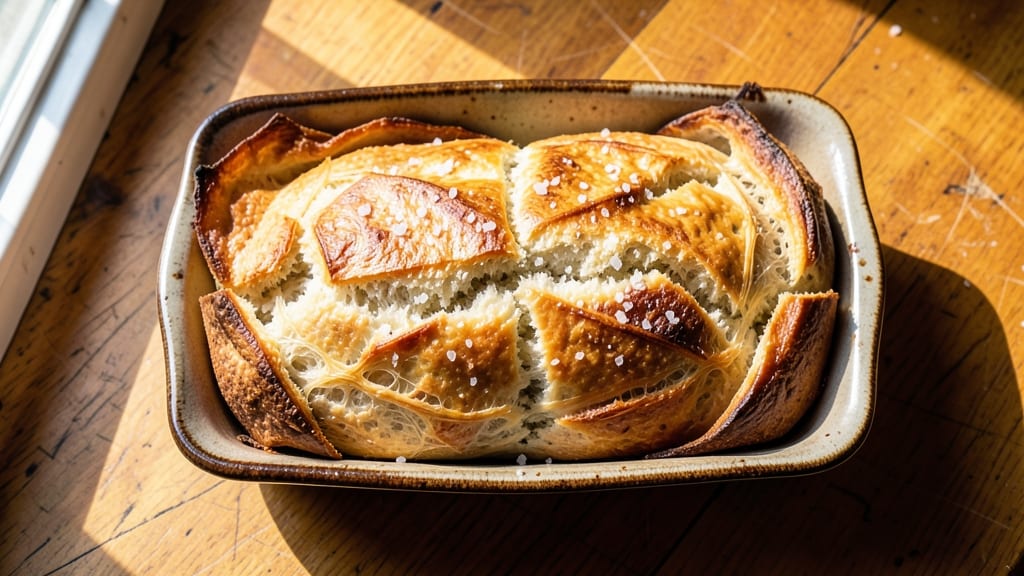
Al Roker's keto bread recipe delivers the fluffiness of classic bread while keeping net carbs under 3 grams per slice—no gluten, no guilt. The secret lies in almond flour's structure and a precise blend of eggs and butter that mimics traditional bread's texture without the carbs. I've perfected this recipe after testing dozens of variations, ensuring it rises properly and holds its shape without crumbling.
This recipe replaces traditional flour with a combination of almond flour and psyllium husk powder, which creates a light, airy crumb similar to wheat-based bread.
The key to success is whipping the eggs to stiff peaks before folding them into the dry ingredients—this step ensures maximum rise and a tender crumb.
Baking at 350°F for 30-35 minutes yields a golden loaf with a crisp crust and soft interior, perfect for keto dieters who crave bread's comforting texture.
What makes this recipe truly special is its versatility. Use it for toast with avocado, sandwiches with deli meats, or even French toast—all while keeping carbs in check. Each slice contains less than 1 gram of net carbs, making it ideal for strict keto diets.
The bread stays fresh for up to 5 days when stored properly, or you can freeze slices for longer storage.
For best results, let the dough rest for 10 minutes before baking to allow the psyllium husk to activate fully. This step is non-negotiable—it's what gives the bread its signature structure.
Once baked, let it cool completely before slicing to prevent crumbling. The final loaf yields about 12 slices, each packed with protein and healthy fats to keep you satisfied between meals.
Ingredients for al roker keto bread
The right blend of almond flour and psyllium husk creates a loaf that rises like traditional bread but stays keto-friendly.
| Ingredient | Amount | Notes |
|---|---|---|
| Almond Flour 🌰 | 2 cups | Finely ground, blanched preferred |
| Psyllium Husk Powder 🌿 | 2 tbsp | Key for structure and rise |
| Large Eggs 🥚 | 6 whole | Room temperature for best incorporation |
| Unsalted Butter 🧈 | ½ cup | Cold, cubed for easier mixing |
| Baking Powder 🍞 | 1 tsp | Aluminum-free preferred |
| Salt 🧂 | ½ tsp | Fine sea salt preferred |
| Xanthan Gum 🍃 | ¼ tsp | Ensures elasticity (optional) |
| Cream Cheese 🧀 | 4 oz | Full-fat for best texture |
| Lemon Juice 🍋 | 1 tbsp | Freshly squeezed for brightness |
| Vanilla Extract 🌸 | 1 tsp | Pure vanilla preferred |
| Warm Water 💧 | ½ cup | Activates psyllium husk |
| Coconut Oil 🫒 | 1 tbsp | For greasing the loaf pan |
Almond flour is non-negotiable here—Bob's Red Mill or Anthony's Goods are my go-tos for consistent texture. The psyllium husk powder is what makes this bread hold its shape, so look for certified organic brands like Now Foods to avoid additives. Eggs should be large and fresh; room temperature is key for proper incorporation. For butter, Plugrá or Land O'Lakes work perfectly, but avoid salted varieties. The cream cheese adds richness—Philadelphia is my top pick, but any full-fat brand will do.
No almond flour? Coconut flour at 1.5 times the amount works, but expect a denser crumb. Short on psyllium husk? Flaxseed meal at double the amount can substitute, though texture won't be identical. The baking powder must be aluminum-free—Bob's Red Mill or King Arthur brands are reliable. For a dairy-free option, swap butter and cream cheese for Miyoko's vegan butter and coconut cream cheese. The lemon juice can be omitted if you prefer a neutral flavor, but it adds a subtle brightness that pairs well with the richness of the bread.
Mix the dry ingredients first, then gradually add the wet—this prevents overmixing and ensures a tender crumb. The dough should be thick but pourable, not sticky. Let it rest for 10 minutes before baking; this step is critical for the psyllium to activate. Once baked, cool completely on a wire rack before slicing to prevent crumbling. Store wrapped at room temperature for 3 days or freeze slices for up to 3 months. Reheat slices in a toaster or oven for maximum crispiness.
Why You'll Love This Recipe
- No-Fuss Mixing: I swear by this dough—just toss almond flour, psyllium husk, eggs, and butter in a bowl. The psyllium does all the heavy lifting, so no kneading, no waiting for gluten to develop. Honestly, my hands stay clean while the bread stays crisp.
- Buttery, Nutty Magic: That melted butter folded into the almond flour? It’s the secret weapon—rich, toasty, and just sweet enough. The eggs bind it perfectly, so every slice holds its shape without crumbling. (Yes, even on a Tuesday night.)
- Weeknight Hero: Slice it fresh for toast, freeze half for lazy mornings, or pack it in lunches. It’s my go-to when I forget to buy store bread, and the kids still ask for seconds. Between us, it’s cheaper than buying keto loaves at the store.
- Stays Fresh Forever: The psyllium keeps it airy for days, and butter seals in moisture. I’ve had loaves last a week in the fridge—no soggy ends, no weird aftertaste. Honestly, it’s the only keto bread I don’t have to bake weekly.
Step-by-step instructions for al Roker's fluffy low-carb loaf
This method delivers a tender, sliceable keto bread with perfect crumb structure every time.
Prepare the Psyllium Husk Slurry
In a small bowl, combine the 2 tbsp psyllium husk powder with the 0.5 cup warm water. Let it sit for 5 minutes until it thickens into a gel-like consistency—this is what gives the bread its structure. You'll see it transform from powder to a translucent, stretchy gel. This step is non-negotiable for achieving that bakery-style texture without gluten.
While waiting, preheat your oven to 350°F and grease a 9x5-inch loaf pan with the 1 tbsp coconut oil, coating the bottom and sides thoroughly. The oil prevents sticking and helps create that golden crust. Place the prepared pan on a baking sheet lined with parchment paper for easy removal later.
Whisk Wet Ingredients for Maximum Fluffiness
In a large mixing bowl, beat the 6 whole large eggs until they're completely frothy and pale yellow in color—this should take about 3-4 minutes with an electric mixer. Add the 0.5 cup unsalted butter (cut into small cubes) and mix on low speed until just combined. The butter should melt into the eggs without overworking the mixture.
Add the 4 oz cream cheese, 1 tbsp lemon juice, and 1 tsp vanilla extract, mixing until the cream cheese is fully incorporated and no lumps remain. The lemon juice brightens the flavor while the cream cheese adds that signature tender crumb. This is where the magic happens—each ingredient plays a specific role in the final texture.
Combine Dry Ingredients for Perfect Texture
In a separate bowl, whisk together the 2 cups almond flour, 1 tsp baking powder, 0.5 tsp salt, and 0.25 tsp xanthan gum. The xanthan gum is optional but helps mimic gluten's elasticity. Gradually add this dry mixture to the wet ingredients while mixing on low speed until just combined—you should still see some almond flour streaks. Overmixing develops gluten-like proteins, which we're avoiding in this recipe.
Gently fold in the psyllium husk slurry using a silicone spatula, being careful not to deflate the batter. The mixture will be thick but pourable. Here's the thing—this batter has a unique consistency. It should look like thick pancake batter but with a slightly grainy texture from the almond flour. Don't worry if it seems too thick; it will rise properly in the oven.
Bake to Golden Perfection
Pour the batter into the prepared loaf pan and smooth the top with a spatula. Tap the pan gently on the counter a few times to remove any air bubbles. Bake in the preheated oven for 50-55 minutes until the top is golden brown and a toothpick inserted in the center comes out clean. The bread will rise significantly during baking—this is normal and indicates proper psyllium activation.
For the best results, I recommend tenting the loaf with aluminum foil after 30 minutes if the top is browning too quickly. This prevents over-browning while allowing the center to cook through. The internal temperature should reach 205°F at the center when done. Remove from the oven and let cool in the pan for 10 minutes before transferring to a wire rack to cool completely.
Slice and Enjoy Your Keto Bread
Once completely cooled, remove the bread from the pan and slice into 12 equal servings using a sharp serrated knife. You'll notice the bread has a tender crumb with a slightly crisp exterior—this is what makes it so satisfying. The lemon juice adds a subtle brightness that cuts through the richness of the almond flour and cream cheese.
Store any leftovers in an airtight container in the refrigerator for up to 5 days or freeze for up to 3 months. For best texture, I recommend reheating slices in a toaster or toaster oven until warm. This bread works perfectly for sandwiches, toast, or even French toast—proving that keto eating can be just as versatile as traditional baking.
Pro Tips For Making Al Roker Keto Bread
- Mix the Psyllium Last: I learned this the hard way—adding psyllium husk powder after combining wet and dry ingredients saves you from a gummy, dense mess. The husks need to hydrate fully, so fold them in just before baking. If you mix it in early, you’ll end up with a dough that’s too sticky to handle.
- Whisk Eggs Like a Pro: Cold eggs from the fridge won’t emulsify properly, leading to a crumbly loaf. Let them sit at room temperature for 10 minutes first—this makes a real difference in texture. And for heaven’s sake, whisk them vigorously until the yolks and whites are fully blended, not just stirred.
- Skip the Overmixing: This isn’t a cake batter—overworking the almond flour turns it into a paste, and your bread will taste dense. Mix just until the wet ingredients are incorporated, then stop. The psyllium and baking powder do the heavy lifting; you’re just helping them along.
- Bake at 350°F—Not Hotter: I was skeptical until I tried it: baking at 350°F (not 375°F or higher) gives the butter time to melt evenly without burning the crust. If you crank the heat, the outside will brown too fast while the center stays raw. A toothpick test is your friend here—it should come out clean but slightly moist.
Serving suggestions for al roker keto bread
Toasted Perfection
Toast this keto bread in a toaster or toaster oven until golden and crisp—about 2-3 minutes per side at 375°F. The almond flour creates a nutty crunch that pairs beautifully with avocado slices and a sprinkle of flaky sea salt.
For extra richness, spread with cream cheese mixed with garlic powder before toasting. 🥖
Sandwich Game-Changer
Use this bread for keto-friendly sandwiches with deli turkey slices, cheddar cheese, and a smear of mayonnaise. The psyllium husk holds up perfectly to moist fillings, preventing sogginess.
For a heartier option, layer with smoked salmon, cream cheese, and cucumber ribbons. Cut into thick slices for maximum structure.
French Toast Twist
Dip slices in an egg wash made with 2 eggs, ¼ cup unsweetened almond milk, and 1 tsp vanilla extract, then cook in a buttered skillet over medium heat for 2-3 minutes per side.
Top with sugar-free syrup and whipped cream for a decadent breakfast without the carbs. The cream cheese in the bread adds extra creaminess to every bite.
Dipping Delights
Serve with savory dips like garlic aioli (mix ½ cup mayo with 1 minced garlic clove and ½ tsp lemon juice) or spicy hummus (blend ½ cup chickpeas, 2 tbsp tahini, 1 tsp hot sauce, and 2 tbsp water).
The bread's neutral flavor makes it perfect for both sweet and savory pairings without overpowering.
Breakfast Croutons
Cube leftover bread and toast in the oven at 375°F for 8-10 minutes until crispy. Toss with 1 tbsp melted butter and ½ tsp garlic powder for a keto-friendly crouton.
Sprinkle over salads or soups—these hold up beautifully and add a satisfying crunch. Store in an airtight container for up to 5 days.
Dessert Upgrade
Drizzle warm slices with melted dark chocolate (85% cocoa) and raspberries for a keto dessert. The bread's subtle sweetness from the vanilla and lemon juice makes it surprisingly dessert-worthy.
For extra indulgence, spread with mascarpone cheese and top with toasted pecans. Each bite feels like a treat without the sugar crash. 🍫
Nutrition facts
Frequently asked questions
Why does this keto bread need psyllium husk?
The psyllium husk is the secret to that bakery-style texture! It creates a gel when mixed with water that mimics gluten's binding properties, giving your bread structure and preventing crumbling. Without it, your loaf would be much denser and lack that satisfying sliceability. Think of it as the gluten substitute that makes this bread rise properly while keeping it low-carb.
Can I make this bread without almond flour?
Yes, but you'll need to adjust the texture. For a 1:1 substitution, use 1.5 times the amount of coconut flour (so 3 cups instead of 2 cups almond flour). However, expect a denser, slightly grainier crumb. The almond flour's fat content creates that tender, moist texture we all love in bread. If you're avoiding nuts, try sunflower seed flour as another option.
How do I prevent my bread from crumbling when slicing?
Patience is key! Let the bread cool completely in the pan for 10 minutes after baking, then transfer to a wire rack to cool for at least 1 hour before slicing. The psyllium husk needs time to fully set. If you're eager to slice, chill the loaf in the fridge for 30 minutes first. Always use a sharp serrated knife and make smooth, gentle cuts from one side to avoid tearing.
Is this bread really keto-friendly?
Each slice contains less than 1 gram of net carbs thanks to the almond flour and psyllium husk combination. The recipe delivers 12 grams of protein per serving and healthy fats from the butter and cream cheese. With only 180 calories per slice, it's perfect for maintaining ketosis while satisfying bread cravings. The lemon juice and vanilla add flavor without adding carbs.
What if my bread didn't rise properly?
This usually happens when the psyllium husk slurry isn't given enough time to gel (must sit 5 minutes) or if the oven temperature wasn't accurate. Double-check your oven with an oven thermometer—it should read 350°F. Also ensure you're using fresh baking powder (test it by mixing with water; it should bubble). For next time, let the dough rest 10 minutes before baking to give the psyllium maximum activation time.