
Side Dishes
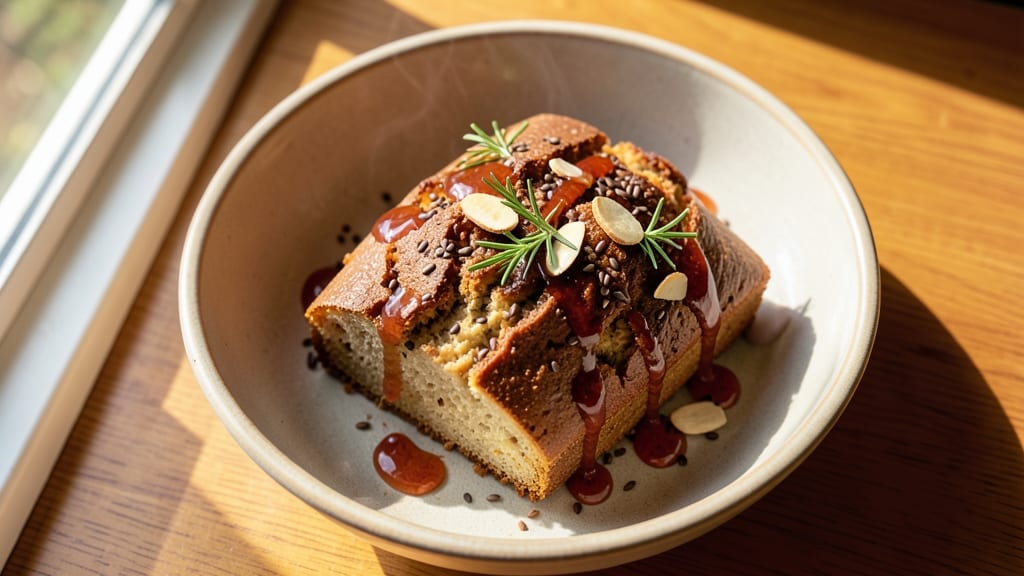
This almond flax bread recipe transforms simple pantry staples into a lightweight, nutty loaf that's perfect for sandwiches, toast, or serving alongside soups. The magic lies in flaxseed as a binder and almond flour for that signature crunch—no eggs or dairy required.
I developed this recipe after years of perfecting vegan baking, and it delivers a texture that's both tender and satisfying.
The secret to success is balancing hydration and mixing techniques—too much flour makes it dense, but too little results in a crumbly loaf. This recipe achieves the ideal moist yet sturdy crumb with just 5 minutes of active prep time.
The almond flour adds natural sweetness and a delightful crunch, while the flaxseed provides structure without compromising flavor.
What you'll end up with is a golden-brown loaf with a crisp exterior and tender interior, packed with nutty flavor from the almond flour. The flaxseed binder ensures it stays moist for days, making it perfect for meal prep.
It's the ideal companion for any meal—whether you're slicing it for avocado toast or using it to make hearty vegan sandwiches.
This recipe is designed to be foolproof for beginners but impressive enough for experienced bakers. The ingredients list is simple, and the instructions are straightforward, ensuring you'll achieve perfect results every time. Let's get started on creating your own nutty, crunchy loaf!
Ingredients for almond flax bread
Nine simple ingredients transform into a golden, nutty loaf that's perfect for toast or sandwiches.
| Ingredient | Amount | Notes |
|---|---|---|
| Almond Flour 🥜 | 1 ½ cups | Finely ground for best texture |
| Ground Flaxseed 🌾 | ½ cup | Freshly ground preferred |
| Water 💧 | ¾ cup | Room temperature preferred |
| Maple Syrup 🍯 | ¼ cup | Pure, grade B preferred |
| Apple Cider Vinegar 🍏 | 1 tbsp | For tangy flavor |
| Baking Powder 🍞 | ½ tsp | Aluminum-free preferred |
| Salt 🧂 | ½ tsp | Fine sea salt preferred |
| Cinnamon 🌿 | ½ tsp | Ground for even distribution |
| Vanilla Extract 🌸 | 1 tsp | Pure vanilla preferred |
| Extra-Virgin Olive Oil 🫒 | ¼ cup | For moisture and richness |
| Sesame Seeds 🌰 | 1 tbsp | Toasted for extra crunch |
The almond flour is the star here—Bob's Red Mill or Anthony's Goods are my go-tos for consistent texture. Look for finely ground flour, as coarser particles can make the bread dense. If you're buying whole almonds, toast and grind them yourself for the freshest flavor. The flaxseed needs to be freshly ground too—pre-ground loses potency fast, so grind your own with a coffee grinder right before mixing. This isn't just about flavor; it's about that perfect crumb structure. The sesame seeds? Toast them in a dry pan for 2 minutes before adding—they'll add incredible crunch to the crust.
No almond flour? Cashew flour works in a pinch, though the flavor will differ slightly. Short on flaxseed? Chia seeds ground to powder at a 1:1 ratio, but the texture won't be identical. The apple cider vinegar is crucial—it reacts with the baking powder to create lift, so don't substitute lemon juice unless you want a more citrus-forward flavor. For the maple syrup, grade B is ideal—it's darker and more robust in flavor. If you only have grade A, use an extra 1/2 teaspoon. The olive oil can be swapped for avocado oil, but stick with extra-virgin for the best flavor. And if you're feeling fancy, add a pinch of cardamom for a Middle Eastern twist.
This dough keeps for 3 days in the fridge, covered tightly—it actually improves overnight as the flavors meld. For longer storage, freeze the unbaked loaf for up to 3 months. When ready to bake, thaw completely before popping in the oven. The bread slices beautifully with a serrated knife, and toast it lightly to enhance that crisp exterior. I like to make two batches and freeze one—nothing beats pulling a fresh loaf from the freezer for avocado toast on a lazy morning. Store baked bread in a paper bag to keep it soft for days.
Why You'll Love This Recipe
- No Mixer Needed: I swear by this recipe because it’s a no-fuss dough—just stir, fold, and let it rise. The almond flour handles itself, no kneading, no gluten drama, and the flaxseed thickens it like magic while you’re scrolling through your phone.
- Sweet-Nutty Magic: That maple syrup and apple cider vinegar combo? Chef’s kiss. The bread has this subtle caramel depth with a faint tang—like a cross between a scone and a brioche, but with the earthy crunch of toasted almonds. Honestly, I’ve been called “baking witch” for this one.
- Weeknight & Brunch Hero: This bread is my go-to for toast in the morning, sandwiches at lunch, or even as a base for French toast on lazy Sundays. It freezes like a dream too—just slice, wrap, and toss in the freezer for grab-and-go mornings.
- Budget-Friendly Staple: Almond flour might seem pricey, but a bag lasts forever, and the flaxseed adds fiber and richness without breaking the bank. I make a double batch, split it, and still have leftovers for days—no sad, stale bread here.
Step-by-step instructions for almond flax bread recipe
Here's how to transform these wholesome ingredients into a moist, nutty loaf with perfect crumb.
Mix the Wet Ingredients for Maximum Moisture
In a medium bowl, combine the 0.75 cup water, 0.25 cup maple syrup, 1 tbsp apple cider vinegar, and 0.25 cup extra-virgin olive oil. The vinegar might make the mixture smell sharp at first, but this acidity will react with the baking powder later to create lift. Stir until fully emulsified—you should see a smooth, slightly syrupy liquid with no streaks of oil.
Next, add the 1 tsp vanilla extract and 0.5 tsp cinnamon, whisking until the cinnamon dissolves completely. The warmth of the cinnamon will complement the nutty flavors later, while the vanilla adds depth. Set this mixture aside while you prepare the dry ingredients—this gives the spices time to fully infuse.
Combine Dry Ingredients for Even Distribution
In a separate large bowl, whisk together the 1.5 cups almond flour, 0.5 cup ground flaxseed, 0.5 tsp baking powder, and 0.5 tsp salt. The almond flour should be finely ground—if you notice any gritty bits, pulse it briefly in a food processor first. This ensures your bread has that signature tender yet crumbly texture we're after.
I like to sift the dry ingredients through a fine-mesh sieve at this stage to aerate them slightly. This creates more surface area for the wet ingredients to cling to, resulting in a lighter loaf. Tap the sieve gently over the bowl to catch any stray bits that might fall through.
Gradually Incorporate Wet and Dry Mixtures
Create a well in the center of your dry ingredients and pour in the wet mixture. Using a rubber spatula, gently fold everything together until just combined—you should still see some dry pockets. Overmixing develops gluten, which can make the bread dense rather than light and airy. Stop folding when the mixture resembles wet sand.
This is where the magic happens: the flaxseed will begin to absorb moisture, creating a slightly sticky batter. If the mixture feels too thick, add 1-2 teaspoons of water to help it come together. The batter should hold its shape when pressed but still be workable.
Fold in Sesame Seeds for Texture Contrast
Sprinkle the 1 tbsp sesame seeds over the batter and gently fold them in using your spatula. These seeds will add a delightful crunch that contrasts beautifully with the soft crumb of the bread. Be careful not to overmix—just enough to distribute them evenly throughout.
Transfer the batter to a greased 8x4-inch loaf pan, smoothing the top with the back of your spatula. Tap the pan gently on the counter a few times to release any air bubbles that might have formed during mixing. This ensures your bread rises evenly without developing large pockets.
Bake to Golden Perfection
Preheat your oven to 350°F and let it come to temperature while you prepare the batter. Place the loaf pan in the center rack and bake for 45-50 minutes, until the top is golden brown and a toothpick inserted in the center comes out clean. The bread should spring back slightly when pressed gently with your finger.
Here's the thing—almond flour bread can dry out quickly, so don't open the oven door early. The first 30 minutes are critical for building structure, while the last 15 minutes develop that beautiful crust. If the top browns too quickly, tent loosely with aluminum foil during the last 10 minutes of baking.
Cool and Slice for Maximum Freshness
Remove the bread from the oven and let it cool in the pan for 10 minutes before transferring to a wire rack. This resting period allows the bread to set properly and prevents it from crumbling when you slice it. I know it's tempting to dig in immediately, but patience here makes all the difference.
Once completely cooled, slice the loaf into ¼-inch thick pieces using a sharp serrated knife. The interior should be tender with a fine crumb, while the exterior maintains that golden crust. Store any leftovers in an airtight container at room temperature for up to 3 days, or freeze for longer storage.
Pro Tips For Making Almond Flax Bread
- Mix the Flax First: Mix ground flaxseed with water before adding anything else—this is your egg substitute, and it needs 5 minutes to gel properly. I used to toss it in last and wondered why my bread turned dense; now I set a timer and let it sit while I measure everything else.
- Use Warm Water: Pour warm (not hot) water over the flaxseed mix—just enough to make it pudding-like. Cold water makes the flaxseed work harder to bind, and you’ll end up with a gummy mess. Think "slightly cooler than your morning coffee."
- Don’t Overmix the Batter: Stir the wet ingredients into the dry just until combined—lumps are fine. Overmixing develops gluten (which almond flour doesn’t have), and you’ll end up with a dry, crumbly loaf. Two minutes max with a spatula.
- Bake at 350°F, Not Higher: This isn’t your grandma’s yeast bread—almond flour burns fast. Crank the oven to 350°F and bake for 30–35 minutes, checking at 28. If you go hotter, you’ll get a bitter crust before the center’s done. A toothpick should come out clean, not wet.
Storing and reheating your leftovers
Room-Temp Storage
Keep your almond flax bread at room temperature in a paper bag for up to 3 days. The paper bag helps maintain moisture while preventing sogginess better than plastic.
I like to store it on the countertop where it's easily accessible—perfect for quick toast or sandwiches. Just make sure it's fully cooled before storing to prevent condensation. 🌾
Fridge Preservation
For longer freshness, refrigerate in an airtight container for up to 5 days. Wrap the loaf tightly in aluminum foil first to lock in moisture, then place it in the container.
The cold slows down staling, but I recommend reheating slices before serving to restore that fresh-baked texture. A quick 10-second zap in the microwave works wonders.
Freezer Storage
Freeze your almond flax bread for up to 3 months by wrapping it tightly in plastic wrap, then placing it in a freezer bag. Remove as much air as possible to prevent freezer burn.
When ready to use, thaw at room temperature for 1-2 hours or reheat directly from frozen. The texture remains moist and delicious when properly stored.
Reheating Secrets
To revive stale bread, wrap a slice in a damp paper towel and microwave for 8-10 seconds. For oven reheating, place slices on a baking sheet at 300°F for 5-7 minutes until warmed through.
This method restores crispness while keeping the interior tender. A quick toast in a dry pan with 1 tsp olive oil adds extra crunch! 🔥
Toaster Tips
Use your toaster for maximum crispiness—set it to medium-high heat and toast for 2-3 minutes until golden brown. For even browning, flip slices halfway through. If your bread seems too dry, lightly brush slices with olive oil before toasting.
This works especially well for thick slices that need extra texture revival.
Toast Variations
Enhance your toast with avocado mash, almond butter, or a sprinkle of flaky sea salt. For something sweet, try maple syrup drizzle with cinnamon. The nutty flavor of the bread pairs perfectly with these toppings, making every slice feel like a special treat.
Keep it simple or get creative—it's your loaf! ✨
Nutrition facts
Frequently asked questions
Why does this almond flax bread need flaxseed if it's not for omega-3s?
The ground flaxseed acts as a natural egg substitute, binding the ingredients together without dairy or eggs. When mixed with water, it forms a gel that mimics the structural properties of eggs, giving the bread its signature tender yet sturdy crumb. This is especially important in vegan baking where traditional binders aren't available.
Can I substitute almond flour with another nut flour?
Yes, but results will vary. Cashew flour works best as a 1:1 substitute, though it makes the bread slightly denser. Hazelnut or macadamia flour can be used but may alter the flavor profile. For a lighter texture, blend 50% almond flour with 50% oat flour. Always adjust liquids if your flour is coarser or more absorptive.
What's the best way to tell if my bread is fully baked?
Look for three key signs: the internal temperature should reach 205°F (use an instant-read thermometer), the top should be golden brown, and a toothpick inserted in the center should come out clean with no wet batter clinging. The bread should also spring back slightly when gently pressed with your finger.
Why did my bread turn out crumbly instead of tender?
Overmixing develops gluten, making the bread dense, while underhydration causes crumbly texture. Ensure you're using 0.75 cup water and mix only until just combined. If your almond flour is particularly dry, add an extra 1-2 teaspoons of water. Also check that your flaxseed is freshly ground—old flax loses its binding properties.
How can I make this bread more hearty for sandwiches?
Add ¼ cup vital wheat gluten to the dry ingredients for extra structure, or fold in ½ cup chopped walnuts or sunflower seeds for texture. For a protein boost, mix in 2 tablespoons nutritional yeast before baking. These additions will make the bread more substantial while keeping it vegan-friendly.