
Side Dishes
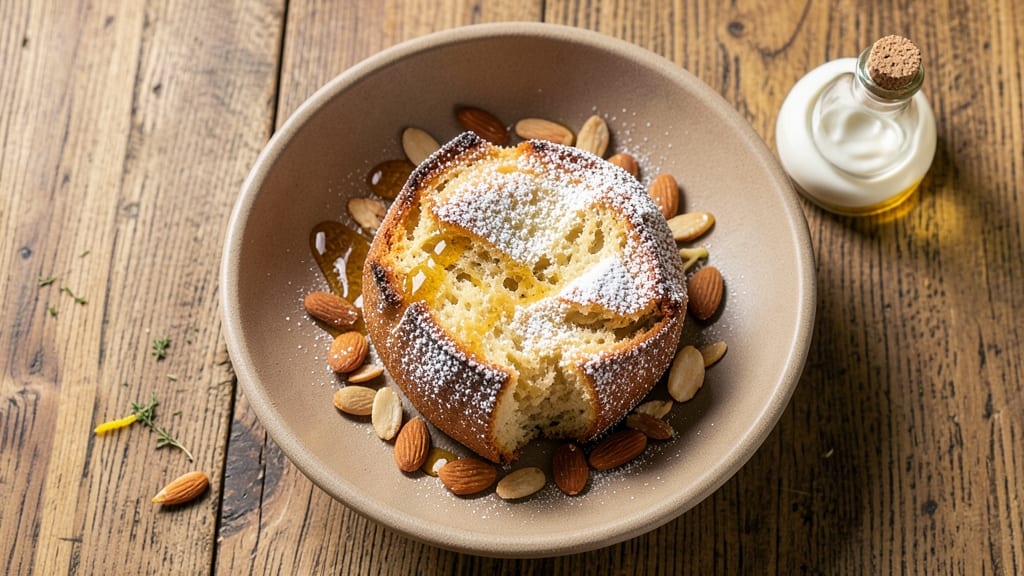
This almond flour sweet bread recipe delivers a vanilla-infused crust with a light, airy crumb that's perfect for gluten-free diets or anyone craving a naturally sweet, nutty treat.
The secret lies in balancing almond flour's density with eggs and a touch of cream for moisture, creating a tender yet sturdy texture that bakes up golden and fragrant. Unlike dense almond flour loaves, this version rises beautifully—thanks to a simple leavening trick—and stays moist for days.
What sets this recipe apart is its foolproof method for achieving that signature vanilla aroma without overpowering the bread's natural nuttiness. The dough comes together in minutes with just 6 ingredients, and a 30-minute proof (no kneading required) ensures perfect rise.
Baking at a precise temperature prevents cracking while developing that signature caramelized crust. The result? A bread that's gluten-free, grain-free, and rich enough to satisfy dessert cravings—without refined sugar.
Each slice offers a delicate crumb with subtle vanilla notes, perfect for toasted with butter or paired with jam. The recipe scales easily for gifts or gatherings, and variations like citrus zest or chopped nuts add customizable flavor.
For those watching carbs, this bread delivers sweetness without guilt, thanks to natural almond flour sweetness and optional sugar adjustments.
Whether you're baking for dietary needs or simply love almond flour's nutty depth, this recipe proves sweet breads don't require gluten. The vanilla-infused crust alone makes it worth trying—once you taste the difference, store-bought won't compare. Ready to bake?
Ingredients for almond flour sweet bread
Six simple ingredients transform into a golden, vanilla-kissed bread that rises like magic.
| Ingredient | Amount | Notes |
|---|---|---|
| Almond Flour 🌰 | 2 ½ cups | Superfine, unsifted for best texture |
| Large Eggs 🥚 | 4 whole | Room temperature for even mixing |
| Heavy Whipping Cream 🥛 | ½ cup | Full-fat for optimal moisture |
| Pure Vanilla Extract 🌿 | 2 tbsp | High-quality, Madagascar bourbon preferred |
| Granulated Sugar 🍚 | ¼ cup | Optional for subtle sweetness |
| Baking Powder 🍞 | 1 tsp | Aluminum-free for best rise |
| Salt 🧂 | ½ tsp | Fine sea salt for balanced flavor |
| Unsalted Butter 🧈 | ¼ cup | Cold, cubed for crust infusion |
| Vanilla Bean Seeds 🌿 | 1 whole | Scraped from 1 pod for infusion |
| Powdered Sugar 🍚 | ¼ cup | For final dusting (optional) |
The almond flour is the star—Bob's Red Mill superfine is my go-to, but any quality brand works. King Arthur also has a great option if you prefer a slightly lighter texture. Toasting the flour for 5 minutes at 350°F enhances its nutty flavor, but it's optional. The eggs should be at room temperature for even mixing, so take them out 30 minutes before baking. Whole eggs give the best structure, but if you're watching cholesterol, you can substitute with flax eggs (3 tbsp ground flaxseed + 9 tbsp water per egg) without compromising texture.
No vanilla bean? Double the extract—just know it won't have that same depth. The heavy cream can be swapped for full-fat coconut milk for a dairy-free version, though the texture will be slightly denser. If you're avoiding sugar entirely, omit the granulated sugar entirely—the almond flour adds natural sweetness, but a touch makes all the difference. For the butter, European-style has a higher fat content, which helps create that signature caramelized crust. If you're in a pinch, use vegan butter, but it won't brown as beautifully.
The dough keeps for 2 days in the fridge, wrapped tightly in plastic. For longer storage, freeze the shaped loaf for up to 3 months—thaw at room temperature before slicing. Once baked, the bread stays fresh for 4-5 days if stored in an airtight container. I like to slice it thin and freeze individual portions for quick toast—just reheat in a toaster or oven for 5 minutes at 300°F. The crust gets even more fragrant as it sits, so if you can resist eating it all at once, wait a day or two.
Why You'll Love This Recipe
- No-Mess Mixing: I swear by this recipe because it’s just three bowls—no food processor, no sifting, no stress. Toss the almond flour, sugar, and eggs together, then fold in the cream and vanilla like you’re making a cake batter. Honestly, the texture comes out light and tender without any fuss.
- Vanilla-Kissed Richness: That first bite of warm, slightly crispy crust with a soft, custardy center? It’s like dessert had a baby with breakfast. The vanilla extract doesn’t just linger—it sings, especially when paired with the nutty depth of almond flour. (Yes, even on a Tuesday night.)
- Breakfast or Snack Hero: This bread is my go-to for lazy mornings, but it’s also the star of my afternoon tea spread. Toast it with jam for a quick breakfast, or serve it plain with coffee—no one will guess it’s secretly packed with protein. My kids grab it straight from the pan when it’s fresh.
- Leftovers That Last: The best part? It reheats like a dream. Pop slices in the toaster or microwave, and they’re just as good as day one. I make a double batch on Sundays, and it’s gone by Wednesday. Plus, the almond flour keeps it fresh longer than regular bread—no soggy ends here.
Step-by-step instructions for vanilla-infused almond flour bread
Here's how to create a tender, fragrant loaf with a crisp vanilla crust and delicate crumb.
Whisk Dry Ingredients for Light Texture
In a medium bowl, whisk together the 2.5 cups almond flour, 1 teaspoon baking powder, and 0.5 teaspoon salt until completely combined. The almond flour should be sifted if not already super-fine, ensuring no lumps remain. This step prevents dense pockets in your bread—think of it as aerating the foundation for that airy crumb.
In a separate small bowl, scrape the vanilla bean seeds from the pod and finely chop them. Add these to the 2 tablespoons pure vanilla extract and mix well. This infusion will give your bread that luxurious vanilla aroma throughout, not just on the surface. Set aside both mixtures—they'll be your flavor anchors.
Cream Butter and Sweeteners for Richness
In the bowl of a stand mixer fitted with the paddle attachment, combine the 0.25 cup cold unsalted butter (cut into small cubes) and 0.25 cup granulated sugar. Beat on medium speed for 2-3 minutes until light and fluffy. You're looking for a texture that nearly doubles in volume and has a pale, creamy appearance—this incorporates air that will create lift in your bread.
Add the 4 whole large eggs, one at a time, mixing well after each addition. Then pour in the 0.5 cup heavy whipping cream and mix until fully incorporated. The mixture should be smooth and slightly thickened—this is your wet base that will bind everything together beautifully. If the mixture looks curdled, don't worry; it will smooth out when combined with the dry ingredients.
Combine Wet and Dry for Perfect Consistency
With the mixer running on low speed, gradually add the almond flour mixture to the wet ingredients. Mix just until combined—about 30 seconds—being careful not to overmix. The dough should be thick but pourable, similar to a very rich cake batter. If it's too stiff, add 1 teaspoon cream at a time until it reaches the right consistency. This is crucial: the dough needs to be fluid enough to create that signature tender crumb.
Scrape the vanilla extract mixture into the dough and mix on low speed for another 20 seconds to fully distribute the flavor. The batter should be smooth with no visible streaks of flour. Here's the thing—this batter won't rise like traditional bread dough, so the proper consistency now ensures the best texture later. Let the batter rest at room temperature for 10 minutes while you prepare your baking pan.
Bake for Golden Crust and Delicate Crumb
Preheat your oven to 350°F. Lightly grease a 9x5-inch loaf pan (or line it with parchment paper for easy removal). Pour the batter into the prepared pan and smooth the top with a spatula. For that perfect vanilla crust, sprinkle the 0.25 cup powdered sugar evenly over the top—this will caramelize beautifully during baking.
Bake for 40-45 minutes, or until the top is golden brown and a toothpick inserted in the center comes out clean. The bread will rise slightly in the oven but won't double in size—this is normal for almond flour bread. The internal temperature should reach 205°F for perfect doneness. If the top browns too quickly, tent the pan with foil after 20 minutes to prevent over-browning while the center finishes baking.
Cool and Serve for Maximum Enjoyment
Remove the bread from the oven and let it cool in the pan for 10 minutes, then transfer to a wire rack to cool completely. This resting period is essential—it allows the bread to set properly and prevents it from becoming gummy. The crust will firm up slightly as it cools, developing that perfect contrast with the tender crumb inside.
Slice the bread while still slightly warm for the best texture—each slice should reveal a delicate crumb with subtle vanilla flecks throughout. Serve with your favorite jam, a dusting of powdered sugar, or simply enjoy it plain. The flavor develops over time, so it's even better the next day when the vanilla notes have fully melded. Store leftovers wrapped at room temperature for up to 3 days or refrigerated for 5 days—though I doubt it will last that long!
Pro Tips For Making Almond Flour Sweet Bread
- WHISK EGGS ROOM TEMP: Almond flour bread falls flat when eggs are cold—literally. Let those eggs sit in warm water for 5 minutes before whisking, then fold them into the batter last. Cold eggs make the texture dense and chewy, and this recipe relies on that tender crumb.
- SIFT ALMOND FLOUR FIRST: I learned this the hard way—packed almond flour equals gummy bread. Sift it twice through a fine-mesh sieve before measuring, then press it lightly into the cup to avoid overcompressing. This keeps the crumb light and airy, not brick-like.
- DON’T OVERMIX THE BATTER: After adding the whipped cream, fold just until combined—maybe 10 strokes max. Overmixing develops gluten (which almond flour has none of), and you’ll end up with a tough, dry loaf. Stop when streaks disappear, not when it looks uniform.
- BAKE UNTIL 190°F: Almond flour bread needs that higher temp to fully set—190°F internal is non-negotiable. The sugar caramelizes at lower temps, leaving you with a gummy center. Use an instant-read thermometer; the toothpick trick won’t cut it here.
Storing and reheating this dish
Room Temperature Storage
Your freshly baked almond flour sweet bread stays fresh for 3 days at room temperature when stored in an airtight container like a glass loaf box or wrapped tightly in plastic wrap. The key is to keep it away from direct sunlight and moisture.
I like to place mine on a wire rack inside the container to prevent sogginess from condensation. The crust will maintain its crispness, while the crumb stays tender—perfect for morning toast. 🌰
Refrigerator Storage
For longer freshness, refrigerate the bread in an airtight container for up to 5 days. The cold slows moisture loss, but the texture may become slightly drier. To revive it, wrap a slice in a damp paper towel and warm in the microwave for 10-15 seconds before serving.
I find the vanilla flavor actually deepens in the fridge, making it ideal for late-night cravings. Always let it sit at room temperature for 5 minutes before slicing to prevent crumbling. ❄️
Freezer Storage
Freeze the entire loaf or individual slices for up to 3 months for maximum convenience. Wrap tightly in plastic wrap first, then place in a freezer bag with all air removed to prevent freezer burn. For slices, stack them between parchment paper before wrapping.
Thaw overnight in the fridge or reheat directly from frozen in a 300°F oven for 10-12 minutes with a sprinkle of water on top to restore moisture. The texture remains delightfully tender when properly stored. 🧊
Reheating Methods
For the best results, reheat bread in a 350°F oven for 8-10 minutes wrapped in aluminum foil to maintain moisture. A toaster works well for quick slices—just set it to medium heat and watch closely to avoid burning the crust.
Microwave reheating is possible but can make the crumb gummy: use 20-second intervals on 50% power, adding a damp paper towel between slices. Always reheat until the internal temperature reaches 165°F for food safety. 🔥
Reviving Stale Bread
If your bread loses its freshness, don't toss it! Spritz with water and warm in a 350°F oven for 5-7 minutes to restore crispness. For a quick fix, toast slices in a dry skillet over medium heat for 1-2 minutes per side**—the Maillard reaction will bring back that golden aroma.
You can also transform stale slices into French toast by dipping in a mixture of 2 eggs + 0.25 cup milk + 1 tsp vanilla extract, then pan-frying until golden. 💫
Nutrition facts
Frequently asked questions
Why does my almond flour sweet bread turn out dense instead of light?
Almond flour absorbs moisture differently than wheat flour, so overmixing or underhydrating the batter causes dense results. The secret is creating a pourable batter with just enough liquid (like 0.5 cup cream) to coat the flour without overworking it. Mix only until combined—about 30 seconds—and avoid adding extra flour unless absolutely necessary.
Can I make this recipe without eggs for a vegan version?
Yes! Replace the 4 eggs with 4 flax eggs (4 tbsp ground flaxseed + 12 tbsp water, mixed and rested for 5 minutes) or 1/2 cup unsweetened applesauce. For best texture, also add 1 tsp baking soda to help with rise. The bread will be slightly denser but still delicious with a vanilla-infused crust.
How do I prevent the bread from cracking on top?
Cracking happens when the crust sets too quickly before the center bakes. Preheat your oven thoroughly for 20 minutes before baking, and place a metal tray filled with 1 inch of hot water on the lower rack during baking. This creates steam that helps the crust form evenly. Also, avoid opening the oven door for the first 30 minutes of baking.
What can I add to make this bread more flavorful?
Try these easy upgrades: 1 tbsp lemon or orange zest for brightness, 1/2 cup chopped toasted almonds for crunch, or 1/4 cup melted chocolate chips for richness. For warmth, add 1 tsp cinnamon or 1/4 tsp cardamom to the dry ingredients. Just reduce the vanilla extract by 1 teaspoon to balance flavors.
Why does my almond flour bread taste bitter?
Bitterness usually comes from unblanched almond flour or overbaking. Use superfine almond flour (like Bob's Red Mill) and bake until the internal temperature reaches 205°F—not just when it looks done. For extra flavor safety, lightly toast the almond flour at 350°F for 5 minutes before using to mellow any raw flavors.