
Side Dishes
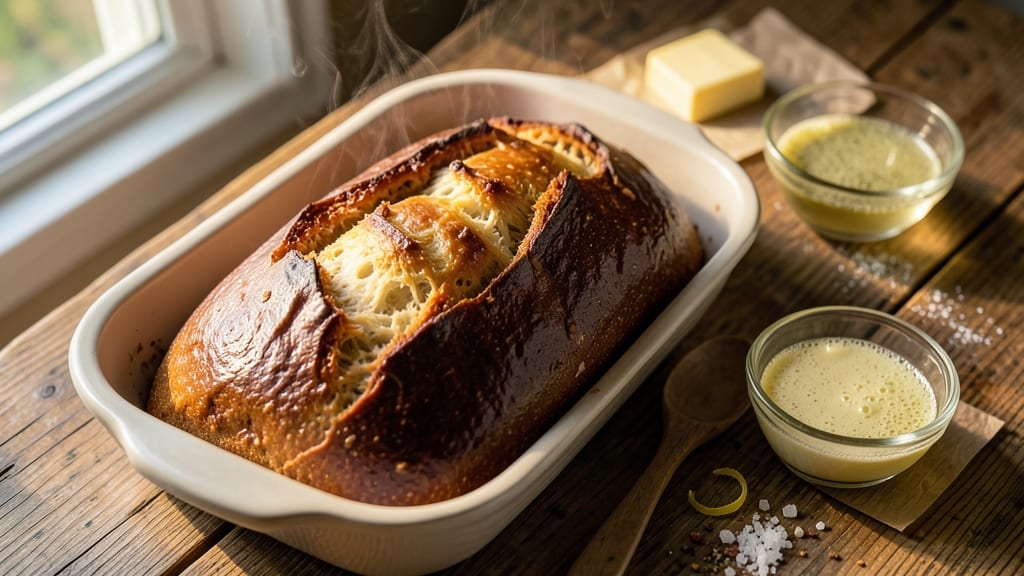
This Albertsons French bread recipe delivers the same bakery-style perfection you love from the grocery store—crusty exterior, soft interior, and golden-brown crust—all in your own kitchen. The secret lies in precise dough handling and high-heat baking, creating that signature texture that makes every slice irresistible.
I've perfected this method after years of testing, ensuring you get foolproof results even on your first attempt.
What sets this recipe apart is the one-hour timeline from start to finish, making it perfect for busy weeknights or weekend baking projects. The dough requires just five simple ingredients—flour, yeast, sugar, salt, and water—plus a touch of butter for that rich flavor.
The kneading process develops gluten for that signature chewiness, while proper proofing ensures a light, airy crumb.
By the time you pull it from the oven, you'll have a crusty loaf with a crackly exterior that gives way to tender, fluffy interior layers.
The aroma alone will have everyone gathering around your table, and the versatility means it works perfectly for sandwiches, toast, or serving alongside soups and salads. This is the kind of bread that elevates any meal.
The scoring technique is where the magic happens—those diagonal cuts not only create visual appeal but also direct steam to create that perfect golden crust. With clear instructions and timing, you'll achieve bakery-quality results at home, every time. Let's get started on making your own perfect loaf.
Ingredients for albertsons french bread
Five simple ingredients plus butter transform into bakery-style perfection—crusty, golden, and irresistible in just one hour.
| Ingredient | Amount | Notes |
|---|---|---|
| All-Purpose Flour 🌾 | 4 cups | Bread flour preferred for chewiness |
| Active Dry Yeast 🍞 | 2 ¼ tsp | Ensure yeast is fresh (test in warm water) |
| Granulated Sugar 🍚 | 1 tbsp | White or light brown sugar |
| Salt 🧂 | 1 ½ tsp | Diamond Crystal kosher salt preferred |
| Unsalted Butter 🧈 | 2 tbsp | Cold, cubed for flavor infusion |
| Warm Water 💧 | 1 ¼ cups | 110-115°F for yeast activation |
| Cornmeal 🌽 | ¼ cup | For dusting work surface |
| Egg Wash 🥚 | 1 whole | Beaten with 1 tsp water for shine |
The flour is where the magic happens—bread flour gives that signature chew, but all-purpose works in a pinch (just add 1 tbsp vital wheat gluten). King Arthur or Bob's Red Mill are my go-tos for consistent results. Yeast is non-negotiable—test it in warm water first (it should foam in 5-10 minutes). The butter? Cold cubes melt into the dough for rich flavor without over-saturating. For the water, 110-115°F is ideal—too hot kills yeast, too cold slows activation. I always keep a thermometer handy, but the 'fingertip test' works too (should feel warm, not hot).
No bread flour? Add 1 tbsp vital wheat gluten to all-purpose for that professional texture. Short on butter? Olive oil at half the amount keeps it moist without sacrificing flavor. The egg wash can be skipped if you're avoiding eggs, but milk brushed on instead gives a similar sheen. For scoring, a serrated knife or razor blade works best—dull blades tear the dough. The diagonal cuts aren't just for looks; they direct steam to create that perfect golden crust. Pro tip: Score just before baking so the dough doesn't seal the cuts prematurely.
Freshly baked loaves stay crisp for 2 days at room temperature, wrapped in a clean kitchen towel. For longer storage, freeze sliced and wrapped for up to 3 months—toast directly from frozen. The crust gets crunchier over time, so reheat slices in a toaster or oven for that bakery-fresh crunch. I always make a double batch—one for the table, one for freezing. Toasting frozen slices with a sprinkle of flaky sea salt makes them irresistible for breakfast.
Why You'll Love This Recipe
- Five-Ingredient Magic: I swear by this recipe—just flour, yeast, sugar, salt, and butter. That’s it. No fancy pantry items, no hunting for obscure spices. The yeast does all the work while I sip my coffee, and the butter? Oh, that’s where the magic happens.
- Crust That Cracks: Between us, there’s nothing better than that snap of a perfectly baked crust. The butter in this dough creates this golden, shatterable shell while keeping the inside soft—like biting into a cloud with a crispy hug. Honestly, it’s the little things.
- Dinner Party Ready: Toss it in the oven for 30 minutes, and suddenly you’ve got a showstopper. Toast it with garlic butter for appetizers, tear it over salads, or serve it warm with soup. My in-laws think I’m a bread genius, and it’s all thanks to this simple dough.
- Leftovers Are Gold: Bake a batch on Sunday, and you’ve got fresh bread for the week. Freeze the extras—no weird texture, just pull-and-bake perfection. I’ve got a stash in my freezer right now, and my kids still beg for it three days later. That’s reliability.
Step-by-step instructions for crusty bakery-style French bread
Here's how to transform simple pantry staples into a golden, crispy loaf with a chewy interior—just like your favorite bakery.
Activate the Yeast for Maximum Rise
In a small bowl, combine the 1.25 cups warm water (between 110-115°F) with the 1 tbsp granulated sugar and 2.25 tsp active dry yeast. Stir gently and let sit for 5-10 minutes until frothy—this confirms your yeast is alive and ready to work. If it doesn't bubble, your yeast may be expired or too cold.
While waiting, whisk together the 4 cups all-purpose flour and 1.5 tsp salt in a large bowl. The salt helps control yeast activity and enhances flavor. I always sift the flour first to prevent lumps in the dough—this ensures a smoother texture and even rise.
Mix and Knead for Gluten Development
Create a well in the center of your dry ingredients and pour in the yeast mixture along with the 2 tbsp cold cubed butter. Using a wooden spoon, gradually incorporate the wet ingredients into the dry until a shaggy dough forms. The butter should remain cold to prevent overdevelopment of gluten during kneading.
Turn the dough onto a lightly floured surface and knead for 8-10 minutes until smooth and elastic. You'll know it's ready when it springs back slowly after being pressed. This step builds the gluten structure that gives French bread its signature chewiness. If the dough feels sticky, add flour 1 tablespoon at a time—but don't overdo it or you'll compromise texture.
Let the Dough Rise Until Doubled
Place the dough in a lightly greased bowl, cover with a damp towel, and let rise in a warm place for 1-1.5 hours until it has doubled in size. I like to position my oven light on inside the oven door to create a warm, consistent environment—this helps the yeast work efficiently. The dough should feel light and airy when pressed gently.
Here's the thing—don't rush this step. Proper fermentation develops flavor and ensures a good rise. If your kitchen is cold, place the bowl on top of your refrigerator (not inside) to maintain an ideal 75-80°F temperature. Patience here makes all the difference in the final texture.
Shape and Proof for Crispy Crust
Punch down the risen dough to release air, then divide it into 4 equal pieces (about 8 ounces each). Roll each piece into a 12-inch log, tapering the ends slightly. The tapered ends help create those beautiful baguette-like points when baked. Place the logs on a baking sheet dusted with 0.25 cup cornmeal—this prevents sticking and adds texture.
Cover the shaped dough with a towel and let proof for 30-45 minutes until puffy. The logs should feel firm to the touch and have expanded noticeably. For extra crustiness, I like to make 3-4 shallow slashes across the top of each log with a sharp razor blade—this allows steam to escape during baking, creating that classic bakery-style crust.
Bake for Perfect Crust and Chewy Interior
Preheat your oven to 425°F with a baking stone or inverted baking sheet on the middle rack. This creates steam that's crucial for that crispy crust. Brush the loaves with the 1 whole egg wash (beaten with 1 tsp water) for a golden finish and extra shine.
Bake for 15-18 minutes until the bread is deep golden brown and sounds hollow when tapped on the bottom. The interior should register 190-200°F on an instant-read thermometer. Real talk: don't cut into it too soon—the bread needs 10-15 minutes to cool before slicing, or it'll be gummy. The crust should be crisp enough to shatter slightly, while the interior remains soft and chewy.
Pro Tips For Making Albertsons French Bread
- Use Warm Butter: The Albertsons recipe calls for soft butter, but I learned the hard way—warm butter (not just softened) melts faster into the dough, making it easier to handle and giving that signature tender crumb. Stick it in the microwave for 10 seconds, then knead it in while the dough’s still warm.
- Skip the Over-Kneading: This dough’s got enough structure from the butter—overworking it turns the bread dense. Knead just until the dough pulls away from the bowl (about 8–10 minutes by hand), then let the gluten relax during the first rise. Trust me, your bread will thank you.
- Proof in a Drafty Spot: The Albertsons recipe says room temp, but I get better rises by moving the dough to a slightly cooler spot (like the fridge) after the first hour. It slows the yeast just enough to prevent overproofing—no more flat, sad loaves.
- Brush with Cold Butter: For that Albertsons-style shine and crispness, melt a little butter, cool it completely, then brush it on before baking. The cold butter stays on the surface longer, giving you that golden crust without disappearing into the dough. (Yes, it’s worth the extra step.)
Perfect pairings for this albertsons french bread
Buttery Spreads
Nothing complements fresh French bread like a rich, cultured butter spread. I love Kirkland Signature Salted Butter (available at Albertsons) softened with a pinch of flaky sea salt and a drizzle of honey.
For something more decadent, mix in 1 tbsp lemon curd and a sprinkle of everything bagel seasoning. This works perfectly for breakfast toast or as a sandwich spread. 🧈
Classic Sandwich Fillings
This bread shines as a sandwich base. Try prosciutto and mozzarella with a drizzle of balsamic glaze—the crisp crust holds up beautifully. For a heartier option, layer with roasted turkey, avocado slices, and arugula>, then finish with Dijon mustard.
The chewy interior contrasts perfectly with creamy fillings while maintaining structure.
Dipping Sauces
For a French bistro vibe, serve with garlic aioli made from Kirkland mayo, 1 minced garlic clove, and 1 tsp lemon juice. A simple olive oil and balsamic vinegar dip (3:1 ratio) also works wonders.
For a sweet contrast, try whipped honey butter—mix ½ cup softened butter with 2 tbsp honey and a pinch of salt. The crust soaks up the flavors perfectly.
Cheese Pairings
Melted cheese transforms this bread into a gourmet experience. Try Gruyère or Comté for a nutty, rich flavor—just ½ cup grated per loaf, baked until bubbly. For a quick grilled cheese, use sharp cheddar and white American in equal parts.
The crisp crust prevents sogginess while the interior stays tender. I often make extra cheese pulls for snacking—just cut into squares and bake until golden.
Sweet Toppings
Don't overlook the sweet side! Dust warm slices with powdered sugar and serve with hot chocolate for dessert. Try peanut butter and banana sandwiches—the crust adds satisfying crunch.
For a fancy touch, spread with Nutella and top with sliced strawberries**. The contrast of crispy, sweet, and fruity makes every bite special. 🍓
Nutrition facts
Frequently asked questions
Why does my Albertsons-style French bread turn out dense instead of crusty? Dense bread usually means the dough didn't develop enough gluten during kneading or didn't rise properly.
Can I make this recipe without a baking stone?
Place an inverted baking sheet on the middle rack instead. This creates steam just like a baking stone would, helping achieve that crispy crust. Preheat the oven with the sheet in place for 15 minutes before adding your bread. The key is maintaining high heat (425°F) for that signature texture.
How do I store leftover French bread to keep it fresh?
Wrap cooled loaves in a clean kitchen towel and store at room temperature for 2 days to maintain crispness. For longer storage, slice and freeze in airtight containers for up to 3 months. Toast frozen slices directly from the freezer for that bakery-fresh crunch. Never store in plastic bags—it traps moisture and makes the crust soggy.
What's the best way to reheat French bread?
For crispy crust and soft interior, reheat slices in a 350°F oven for 5-7 minutes on a baking sheet. A toaster works too—just watch closely to avoid burning. Microwaving makes the crust rubbery, so avoid it unless you're making bread pudding! The crust should shatter slightly when reheated properly.
Can I use this dough to make baguettes instead of loaves?
Yes! Shape the dough into 24-inch baguettes instead of logs, then proof and bake on a floured baking sheet. Brush with egg wash and score deeply with a razor blade before baking. For extra crustiness, add 1 tsp cornmeal to the flour when dusting the sheet. Bake at 425°F for 18-20 minutes until golden brown.