
Side Dishes
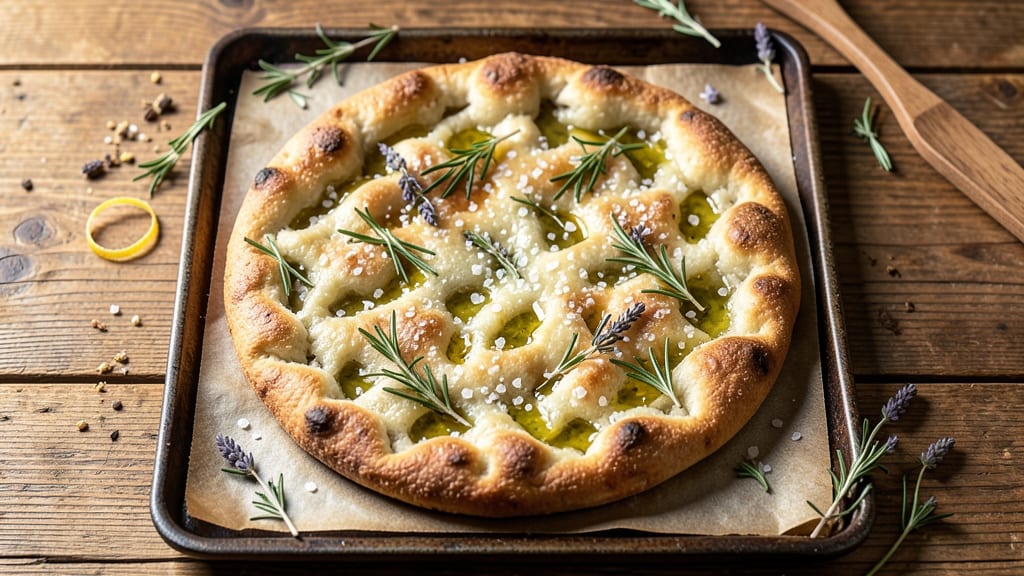
This airy focaccia bread recipe transforms simple ingredients into golden, olive oil-poofed pillows with a herby crust that begs to be torn apart. 🌟 The secret lies in a foolproof dough that rises high and bakes into a tender, airy loaf with crispy edges—no fancy techniques required.
I've perfected this method over years of baking, ensuring every batch delivers that restaurant-quality texture at home.
What sets this focaccia apart is the balance of olive oil and yeast, creating a dough that's both light and sturdy. The key steps—proper yeast activation, gentle stretching, and steam during baking—work together to produce that signature pillowy interior and crispy, dimpled crust.
Even beginners will achieve professional results with clear, step-by-step guidance.
The final product is a loaf so tender it melts in your mouth, with a golden crust studded with herby dimples and flecks of flaky salt. Perfect for serving alongside soups, dipping into olive oil, or pairing with charcuterie, this focaccia is designed to impress without the complexity.
Ready in just one day with minimal effort, it's the ideal side dish for any meal.
Once you try this method, you'll never buy store-bought focaccia again. The aroma alone—warm, buttery, and herby—will have everyone asking for seconds. Let's get started on creating your perfect loaf.
Ingredients for airy focaccia bread
These 11 simple ingredients transform into golden, herby focaccia pillows with crispy edges.
| Ingredient | Amount | Notes |
|---|---|---|
| All-Purpose Flour 🌾 | 4 cups | Sifted for light texture |
| Active Dry Yeast 🍞 | ¼ oz | Or 1 packet (2.25 tsp) |
| Granulated Sugar 🍚 | ¼ cup | Feeds yeast for activation |
| Extra-Virgin Olive Oil 🫒 | ¾ cup | High quality, fruity |
| Warm Water 💧 | 1 ¼ cups | 110°F for yeast activation |
| Flaky Sea Salt 🧂 | 1 ½ tsp | Diamond Crystal preferred |
| Fresh Rosemary 🌿 | ¼ cup | Finely chopped, stems removed |
| Fresh Thyme 🌿 | ⅛ cup | Leaves only, chopped |
| Garlic Cloves 🧄 | 4 cloves | Minced, for flavor infusion |
| Large Eggs 🥚 | 2 whole | Room temperature |
| Semolina Flour 🌾 | ¼ cup | For dusting baking sheet |
The olive oil is non-negotiable here—high-quality extra-virgin makes all the difference. Trader Joe's or Whole Foods carry great options, but any fruity oil with a peppery finish works. Fresh herbs? Farmers market rosemary and thyme have more flavor than grocery store bundles, but use what you've got. The garlic should smell pungent, not bitter. For yeast, Bob's Red Mill active dry works every time—just make sure it's not expired. And that salt? Diamond Crystal flakes melt beautifully on the crust.
No extra-virgin olive oil? Light olive oil plus 1 tsp lemon juice gets you close. Short on herbs? Dried rosemary at half the amount works, but fresh is ideal. The eggs add structure—omit for vegan version and add 2 tbsp ground flaxseed mixed with 6 tbsp water. For the flour, King Arthur all-purpose is my go-to, but any bread flour will do. Semolina is optional but creates that signature crunch—regular flour works in a pinch. And if your yeast isn't active after 10 minutes? Warm the water 5°F hotter next time.
This dough needs time—at least 2 hours for rising, longer if your kitchen is chilly. Store unused dough wrapped in plastic in the fridge for up to 24 hours. Baked focaccia keeps 3 days at room temp or 5 days in the fridge. Reheat slices in a 350°F oven for 5 minutes to restore crispiness. Freeze baked loaves for up to 3 months—wrap tightly in foil first. The aroma alone will wake up the whole house.
Why You'll Love This Recipe
- Five-Ingredient Magic: I swear by this—just flour, yeast, sugar, olive oil, and water. That’s it. No fancy starters, no stressing over exact measurements. The yeast does all the heavy lifting while I’m stirring in the oil, and boom: fluffy, golden perfection without the fuss.
- Olive Oil Bliss: Between us, that extra-virgin olive oil is the star. Drizzled generously over the dough before baking, it creates pockets of crispy, buttery goodness that make every bite irresistible. (Yes, even on a Tuesday night.)
- Weeknight Workhorse: This bread is my go-to for sandwiches, toast, or dipping—no need to bake a whole loaf. I’ll often shape half into a panini and freeze it for later. By Friday, I’m pulling out a fresh batch without breaking a sweat.
- Budget-Friendly Luxury: Honestly, it’s hard to beat the cost. A bag of flour and a bottle of olive oil stretch for ages, and the dough keeps well for days. I’ll make a big batch on Sundays, and it’s still fresh by Thursday—no sad, dried-out bread here.
Step-by-step instructions for olive oil-poofed focaccia
Here's how to make pillowy, herby focaccia that rises like a cloud.
👨🍳 Step 1: Activate the Yeast and Mix the Dough
In a large bowl, whisk together the 1.25 cups warm water (should feel like bathwater, around 110°F) with the 0.25 cup granulated sugar and 0.25 oz active dry yeast. Let it sit for 5-10 minutes until frothy—you'll see tiny bubbles forming on top. This tells you your yeast is alive and ready to work.
Once frothy, add the 4 cups all-purpose flour and 1.5 tsp flaky sea salt to the bowl. I like to use a wooden spoon first to break up the flour, then switch to my hands to mix until a shaggy dough forms. The dough will be sticky—this is normal! Add the 0.75 cup extra-virgin olive oil and mix until fully incorporated. The dough should come together but still feel soft and tacky.
🥘 Step 2: Knead and Rest for Maximum Rise
Turn the dough onto a lightly floured surface and knead for 5-7 minutes until smooth and elastic. I know it seems like a lot, but this develops the gluten that gives focaccia its signature airy texture. If the dough sticks too much, wet your hands slightly to prevent tearing.
Place the dough back in the bowl, cover with a damp towel, and let it rise in a warm spot for 1-2 hours until it doubles in size. You'll know it's ready when the dough puffs up and leaves an indent when you press it gently with a finger. This resting period is crucial—it's when the yeast does its magic and creates those light, airy pockets.
🍳 Step 3: Shape and Second Rise in the Pan
Lightly grease a 9x13-inch baking pan with olive oil and dust with 0.25 cup semolina flour. Transfer the risen dough to the pan and gently press it out to fit the pan dimensions. Use your fingers to create dimples all over the surface—this is what creates those beautiful pockets when it bakes. Don't worry if it doesn't look perfect; focaccia is forgiving.
Cover the pan again and let the dough rise for another 30-45 minutes until it's puffy and nearly fills the pan. The edges should be rounded and the dimples should have deepened. This second rise is what gives focaccia its signature dome shape and light texture. I like to do this in the oven with the light on for consistent warmth.
🔥 Step 4: Bake Until Golden and Crisp
Preheat your oven to 425°F with a baking sheet on the lower rack. This creates steam that helps the focaccia rise beautifully. Once preheated, drizzle the dough with more extra-virgin olive oil (about 2-3 tablespoons) and sprinkle with the 0.25 cup fresh rosemary, 0.125 cup fresh thyme, 4 minced garlic cloves, and remaining flaky sea salt. Press the herbs lightly into the dough so they stick.
Bake for 20-25 minutes until the focaccia is deep golden brown and smells heavenly. The edges should pull away slightly from the pan, and the herbs should look crispy. If it browns too quickly, tent with foil to prevent burning. The internal temperature should reach 190°F when checked with an instant-read thermometer.
⏰ Step 5: Rest and Serve Warm
Remove the focaccia from the oven and let it cool in the pan for 5 minutes. Then transfer it to a wire rack to cool completely. This resting period allows the focaccia to set and makes it easier to slice. The crust should be crispy and the interior should be soft and airy—like a cloud you can eat.
Slice into squares and serve warm with extra olive oil drizzled on top. The focaccia should be light enough to eat by itself, but it's also perfect for dipping in soups or pairing with charcuterie. Store leftovers wrapped at room temperature for up to 2 days, or freeze for up to 1 month. The flavor actually improves as it sits!
Pro Tips For Making Airy Focaccia Bread
- STRETCH THE DOUGH LONG: Focaccia needs time to relax—don’t rush the kneading. After mixing, let it rest 30 minutes uncovered at room temp. This develops gluten properly, so the bread stays light instead of dense. (Yes, even if you’re impatient like me.)
- USE COLD WATER FOR YEAST: Skip the warm water hype—yeast works better with cold. Mix your yeast with 100°F water (not hot), then wait 5 minutes for it to fizz before adding flour. Cold water slows fermentation, giving you more control over timing, especially in warm kitchens.
- DIMENSION THE PAN: Grease your baking dish and sprinkle flour inside. Focaccia sticks like glue, and a floured pan prevents a gummy bottom. Tap out any excess flour before adding dough—too much makes the crust tough.
- PRESS IN TWO STAGES: First, stretch the dough to fill the pan, then let it rest 10 minutes. After resting, press dimples with your fingers—this traps air for that signature airy texture. (Pro move: Use a fork for even dimples if your hands get tired.)
Health benefits of this dish
Gluten-Free Adaptation
For a gluten-free version, replace the 4 cups all-purpose flour with 3 cups gluten-free all-purpose flour blend (like King Arthur) and 1 cup white rice flour for better texture. Add 1 tsp xanthan gum to mimic gluten's structure.
The dough will be stickier, so use wet hands when handling. Bake as directed, but check for doneness at 18 minutes—gluten-free focaccia browns faster. 💫
Low-Carb Option
Swap the flour for 3 cups almond flour and 1 cup coconut flour, but reduce the warm water to 1 cup since these flours absorb more liquid. Add 2 extra egg whites for structure.
The result is a denser but still flavorful focaccia. For extra richness, brush the baked loaf with melted ghee or butter instead of olive oil.
Protein Boost
Incorporate ½ cup vital wheat gluten into the flour for a protein-packed version (great for meal prep). This creates a chewier texture, perfect for sandwiches. Alternatively, add ½ cup finely chopped white beans to the dough for fiber and plant-based protein.
The beans blend seamlessly when baked, adding subtle earthiness that pairs beautifully with the herby crust.
Dairy-Free Version
Skip the eggs entirely and replace them with 2 tbsp ground flaxseed mixed with 6 tbsp water (let sit for 5 minutes to thicken). Use dairy-free olive oil or coconut oil for brushing.
The texture remains light and airy, though slightly less tender. For extra richness, drizzle with dairy-free butter after baking. This version is just as satisfying and works perfectly for vegan diets.
Nutritional Perks
This focaccia delivers healthy fats from olive oil (heart-healthy monounsaturated fats) and fiber from whole grains (if using whole wheat flour). The herbs add antioxidants, while garlic provides immune-boosting allicin.
A single serving (1 square) contains about 250 calories, with 8g protein and 4g fiber—far more nutritious than store-bought versions loaded with preservatives.
Nutrition facts
Frequently asked questions
Why does my focaccia turn out dense instead of airy?
The most common cause is under-proofing the dough. Let it rise until it doubles in size—this creates those signature air pockets. Also, ensure your yeast is fresh (it should bubble within 5-10 minutes when mixed with warm water) and your kitchen is warm (75°F+). Over-kneading can also develop too much gluten, making the texture tough instead of tender.
Can I make focaccia without a 9x13-inch pan?
Use a 9-inch round cake pan for individual focaccia rounds, or a loaf pan for a longer loaf. For a rustic look, shape the dough into a freeform oval on a baking sheet. Just adjust baking time—smaller shapes bake faster (15-20 minutes) while larger ones may need 25-30 minutes.
How do I get that perfect crispy crust?
Steam is your secret weapon! Place a baking sheet on the lower oven rack before preheating to 425°F. Drizzle the dough generously with olive oil before baking, and sprinkle with flaky sea salt right after removing from the oven while it's still hot. For extra crunch, broil for 1-2 minutes at the very end.
What's the best way to reheat focaccia?
Wrap slices in foil and warm in a 350°F oven for 5-7 minutes to restore crispiness. For microwave reheating, place a damp paper towel over the slice and heat for 10-15 seconds—this prevents drying. Never reheat directly in the microwave as it makes the crust rubbery.
Can I make focaccia ahead of time?
Yes! Shape and proof the dough, then refrigerate it overnight. Bake straight from the fridge (add 5-10 minutes to baking time). For storage, keep baked focaccia wrapped at room temperature for 3 days or freeze for up to 3 months. The flavor actually improves as it sits, developing deeper herby notes.