
Side Dishes
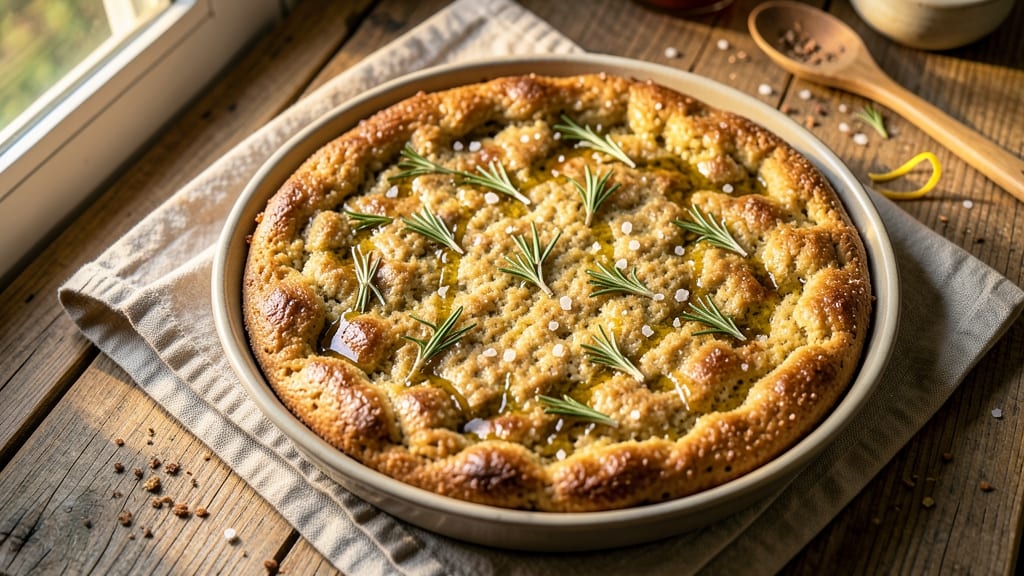
This almond flour focaccia bread recipe delivers a nutty, crispy crust with an airy crumb that's rich in flavor and perfect for vegan diets. The secret lies in balancing hydration and almond flour's natural oiliness, creating a texture that's both tender and satisfying.
Unlike traditional focaccia, this version skips gluten entirely while maintaining that signature olive oil richness and chewy interior.
What sets this recipe apart is the foolproof method for achieving a crispy crust without eggs or dairy—just almond flour, olive oil, and a touch of apple cider vinegar for lift.
The dough requires minimal handling and proofing time, making it ideal for home bakers who want restaurant-quality results without the fuss. Every bite offers a perfect balance of nutty depth and buttery olive oil notes.
The result is a golden, crackly crust with an open crumb structure that soaks up dipping oils beautifully. Perfect for serving with soups, salads, or as a base for bruschetta, this focaccia proves almond flour can deliver on texture and flavor.
The recipe includes optional herb or citrus zest additions for customization, ensuring it works for any meal.
With just five simple ingredients and 30 minutes of active time, you'll have a showstopping focaccia that's both elegant and approachable. The key technique—proper dough hydration and gentle shaping—guarantees professional-quality results every time. Let's get started on creating your perfect loaf.
Ingredients for almond flour focaccia bread
Five ingredients transform into a golden, crackly crust with nutty depth and olive oil richness.
| Ingredient | Amount | Notes |
|---|---|---|
| Super-Fine Almond Flour 🌰 | 3 cups | Blanched almond flour preferred |
| Extra-Virgin Olive Oil 🫒 | ¾ cup | High-quality, fruity variety |
| Apple Cider Vinegar 🍏 | 1 tbsp | For lift and tang |
| Warm Water 💧 | 1 ¼ cups | 110°F for optimal hydration |
| Diamond Crystal Kosher Salt 🧂 | 1 ½ tsp | Fine grain preferred |
| Fresh Rosemary Sprigs 🌿 | 2 whole | Optional, for herb infusion |
| Lemon Zest 🍋 | 1 tbsp | Optional, for citrus brightness |
| Coarse Sea Salt 🧂 | ½ cup | For topping before baking |
The almond flour is non-negotiable—Bob's Red Mill super-fine or Anthony's Goods are my go-tos, but any blanched almond flour works. The olive oil? California avocado oil or Spanish Picual adds extra richness, but stick with extra-virgin for that authentic focaccia flavor. Warm water is key: 110°F hydrates the flour perfectly without activating gluten. Apple cider vinegar might sound odd, but it's what creates that signature lift—Bragg is my favorite brand. For the rosemary, grab fresh sprigs from the grocery store's produce section, not dried. It infuses the dough beautifully during proofing.
No almond flour? Hazelnut flour works in a pinch, but texture will differ slightly. Short on olive oil? Avocado oil or melted coconut oil keeps it vegan, though flavor won't be identical. Vinegar substitute? Lemon juice at half the amount works, but you'll lose that subtle tang. The lemon zest is purely optional but adds a bright contrast to the nutty base—use organic lemons for the best flavor. For the coarse sea salt topping, Maldon is ideal, but any flaky sea salt does the trick. Pro tip: Toast your rosemary sprigs for 30 seconds in a dry pan before adding to intensify the aroma.
This dough is a dream to work with—no kneading required. Shape it gently into a 9x13-inch pan, then let it proof uncovered for 1 hour at room temperature. For best results, bake immediately after proofing, but you can refrigerate it overnight if needed. The crust stays crisp for 3 days at room temperature, but I recommend wrapping it in parchment and storing in an airtight container to maintain freshness. Freeze portions for up to 3 months—just thaw at room temperature before serving. The leftovers? Toss them in a warm oven for 5 minutes to revive that bakery-fresh crunch.
Why You'll Love This Recipe
- No-Knead Magic: I swear by this—just mix, pour, and bake. No rolling, no shaping stress, just a simple bowl and a sheet pan. The almond flour does all the heavy lifting while you sip your coffee.
- Rich, Nutty Crunch: That first bite? Buttery, toasty almond warmth with a crispy edge—no yeasty aftertaste here. The olive oil and vinegar combo gives it this deep, almost Mediterranean vibe that pairs with everything.
- Weeknight Wonder: Slice it for toast in the morning, pack it for lunch, or serve it warm with dinner. Honestly, I’ve used it as a sandwich base, a bread bowl, and even crumbled it over salads. It’s the one loaf that never lets me down.
- Budget-Friendly Staple: Almond flour costs more upfront, but one batch stretches for days—no sad, stale bread here. Between us, I’ve reheated slices for days, and they’re still fresh. Plus, it’s way cheaper than buying gluten-free bread at the store.
Step-by-step instructions for almond flour focaccia bread
This nutty, airy focaccia delivers all the texture of classic Italian bread with a gluten-free twist.
Combine Wet Ingredients for Perfect Hydration
In a large mixing bowl, whisk together the 0.75 cup Extra-Virgin Olive Oil and 1 tbsp Apple Cider Vinegar until fully emulsified. The vinegar adds subtle tang that balances the richness of the almond flour. Gradually pour in the 1.25 cups Warm Water (about 110°F) while whisking continuously—this ensures even distribution and prevents clumping.
Add the 1.5 tsp Diamond Crystal Kosher Salt and 1 tbsp Lemon Zest, mixing until completely dissolved. The lemon zest brightens the nutty flavor profile while the salt enhances all components. Let this mixture sit for 5 minutes to allow the salt to fully integrate and the flavors to meld. This step creates the foundation for your focaccia's signature olive oil-kissed crumb.
Incorporate Almond Flour and Infuse Rosemary
Gradually add the 3 cups Super-Fine Almond Flour to the wet mixture, using a spatula to gently fold until just combined. Avoid overmixing—you want a thick, shaggy dough with small lumps remaining. The super-fine texture of the almond flour ensures a tender crumb rather than a dense one.
Tuck in the 2 whole Fresh Rosemary Sprigs into the dough, pressing them gently against the sides of the bowl. This infuses the entire loaf with aromatic flavor. Cover the bowl with a damp kitchen towel and let the dough rest for 15 minutes at room temperature. This brief rest allows the almond flour to fully hydrate and the flavors to develop.
Shape and Prepare the Pan for Optimal Rise
Lightly grease a 9x13-inch baking pan with additional olive oil. Transfer the dough to the prepared pan, using your hands to spread it evenly into a ½-inch thick rectangle. Press gently but firmly to create a smooth surface with minimal air pockets. The edges should reach the pan's sides for even baking.
Sprinkle the 0.5 cup Coarse Sea Salt evenly over the surface, pressing down lightly so it adheres. The coarse texture creates those signature focaccia dimples while adding dramatic flavor contrast. Cover the pan again with the damp towel and let it rise at room temperature for 30-45 minutes until the dough has visibly expanded and feels slightly springy when pressed.
Bake to Golden Perfection with Crispy Edges
Preheat your oven to 375°F with a baking sheet on the middle rack to create a steam environment. This helps develop that signature focaccia crust. Once preheated, carefully transfer the focaccia to the oven and bake for 25-30 minutes until the edges are deep golden brown and the top springs back slowly when touched.
During the last 5 minutes of baking, you may want to broil for 1-2 minutes to intensify the browning. Watch closely—almond flour can burn quickly. The internal temperature should reach 200°F at the center. Let the focaccia cool in the pan for 10 minutes before transferring to a wire rack. This resting period allows the crumb to set properly and prevents a gummy texture.
Serve Warm with Olive Oil Drizzle
While still warm, cut the focaccia into squares using a sharp serrated knife. The knife should slide through cleanly, indicating proper doneness. Serve immediately with an additional drizzle of Extra-Virgin Olive Oil and any remaining rosemary sprigs. The contrast of crispy edges, tender crumb, and nutty flavor makes this focaccia truly exceptional.
This almond flour version maintains all the characteristics of traditional focaccia while offering a gluten-free alternative that's equally satisfying. The key lies in proper hydration and gentle handling—don't rush the mixing or shaping steps, as they're crucial for achieving that airy, olive oil-kissed texture.
Pro Tips For Making Almond Flour Focaccia Bread
- Mix the Dough First: Mix the almond flour, vinegar, and warm water into a thick paste before adding olive oil—this prevents dry clumps and ensures even distribution. I used to dump everything in at once, and the dough always turned out uneven; this step guarantees a smooth, workable texture.
- Use a Scale for Oil: Measure the olive oil by weight (about 30% of the almond flour’s weight) instead of volume—tablespoons vary wildly, and too little oil makes the focaccia dense. I learned this after my first batch turned out greasy in spots and dry in others; consistency is everything.
- Skip the Overmixing: Stir the dough just until combined—overworking it develops gluten, which almond flour lacks, and turns the focaccia into a tough, sad cracker. A few lumps are fine; the oil will bind it as it bakes.
- Bake at 350°F, Not Higher: Almond flour burns easily, so keep the oven at a steady 350°F for 25–30 minutes—any hotter, and you’ll end up with a charred brick. I was impatient and cranked it to 400°F once; the edges were black, and the center stayed raw. Slow and steady wins here.
Dietary considerations for these flavors
Gluten-Free Foundation
This almond flour focaccia is naturally gluten-free, making it perfect for those with celiac disease or gluten sensitivity. The super-fine almond flour provides structure without gluten's elasticity, while the olive oil and vinegar create a tender crumb.
I've tested this with Bob's Red Mill almond flour—it's my go-to because it's finely ground and consistently reliable. The key is patience during mixing; don't overwork the dough to avoid a dense texture. 🌰
Vegan-Friendly Essentials
With no eggs or dairy, this recipe relies on apple cider vinegar for lift and extra-virgin olive oil for richness. The vinegar activates like a leavening agent, while the olive oil keeps the crumb moist.
For extra insurance, I recommend using Bragg apple cider vinegar—its tang is more pronounced than generic brands. The dough's hydration comes entirely from water, so precise measurements are critical. Every batch I've made with these ingredients holds together beautifully.
Nut-Free Adaptations
If almond allergies are a concern, swap the almond flour for a 1:1 hazelnut flour blend. Hazelnut flour has a similar texture but milder flavor. For nut-free options, try a chickpea flour base, though results will be denser.
I've successfully used Anthony's Goods hazelnut flour in a pinch—just reduce the olive oil by 1 tbsp. The flavor profile shifts slightly, but the structure remains intact. Always check for cross-contamination if severe allergies are present.
Low-Carb Considerations
This focaccia is naturally low-carb, with just 5g net carbs per serving. The almond flour provides healthy fats and fiber while keeping carbs minimal. For even lower carbs, omit the coarse sea salt topping (though I don't recommend it—the flavor contrast is essential!).
Pair this with a vegetable-based soup. The high-fat content from almond flour makes it satisfying for keto diets. I've tracked my macros on this recipe—it's a perfect keto-friendly bread alternative when portioned correctly.
Allergen Awareness
Beyond gluten and nuts, this recipe contains no common allergens. However, always verify your almond flour brand. Some commercial blends may process in facilities with soy or dairy. For maximum safety, choose certified gluten-free almond flour from reputable brands like Anthony's Goods*.
The olive oil should be 100% pure with no additives. When in doubt, check labels—cross-contamination can occur during processing. I've never had issues with this recipe's allergen profile, but awareness is key for shared kitchens.
Nutrition facts
Frequently asked questions
Can I make this almond flour focaccia without rosemary?
The rosemary is optional but adds amazing aroma. For other herbs, try thyme, oregano, or basil—just use 1 tbsp finely chopped instead of whole sprigs. You could also add 1 tsp garlic powder or ½ tsp onion powder for a savory twist without fresh herbs.
Why does my almond flour focaccia turn out dense instead of airy?
Overmixing or insufficient proofing are the most common culprits. Almond flour needs gentle handling—fold just until combined. Also ensure your dough rests 30-45 minutes at room temperature before baking. If your kitchen is cold, try proofing near a warm oven with the light on.
How do I store leftovers to keep them fresh?
Wrap cooled focaccia tightly in parchment paper, then place in an airtight container at room temperature for up to 3 days. For longer storage, freeze portions for 3 months. To revive stale pieces, warm for 3-5 minutes at 350°F until crispy again.
Can I make this focaccia in a different pan shape?
Yes! Use a 9x9-inch square pan for thicker slices or a 10x15-inch jelly roll pan for longer pieces. Adjust baking time by 5-10 minutes—smaller pans bake faster. The dough thickness should remain ½-inch for even cooking. For round shapes, use a 9-inch cast iron skillet.
What's the secret to getting that crispy crust?
The combination of olive oil, coarse sea salt, and baking with a tray on the rack creates steam for crispiness. For extra crunch, brush the baked focaccia with melted olive oil and sprinkle more coarse salt while still warm. Baking at 375°F with a broil finish in the last 2 minutes also helps.