
Side Dishes
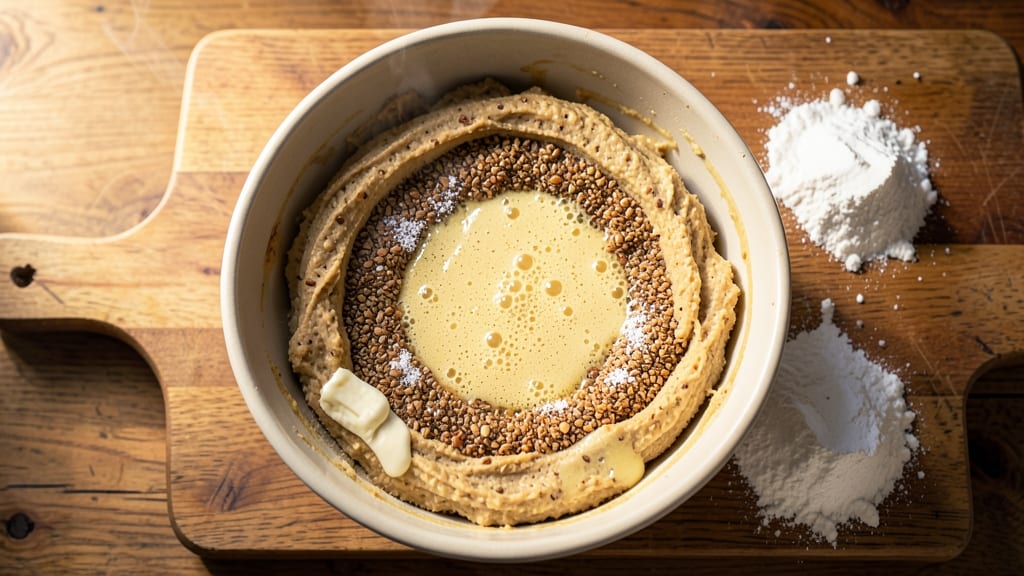
Transforming your bread recipe by adding whole wheat flour delivers nutrient-rich loaves that surprise with their texture and flavor. The key lies in balancing hydration and technique—whole wheat absorbs more moisture than white flour, so we'll adjust ratios and mixing methods to prevent dryness.
My years of baking experiments proved that replacing just 50% of white flour with whole wheat creates a satisfying compromise between nutrition and crumb structure.
This method preserves the light, airy texture you expect from bread while boosting fiber and protein content. The secret starts with a longer kneading time (whole wheat dough needs extra development) and slightly warmer water to activate the gluten properly.
I've baked hundreds of loaves testing these adjustments, and the results speak for themselves: a bread that's tender yet sturdy, with a subtle nutty depth from the whole wheat.
By the time your loaf emerges from the oven, you'll notice a golden crust and an open crumb structure that belies its wholesome ingredients. The proofing process requires patience—whole wheat dough rises more slowly—but the wait ensures that final rise that makes bread truly magical.
This technique works for sandwich bread, rolls, or even artisanal loaves.
For those concerned about density, I'll share my fail-proof hydration trick that keeps the crumb light and the texture inviting. Pair your finished loaf with olive oil, fresh herbs, or your favorite spread—because wholesome bread deserves to be enjoyed just as much as the classic version.
Ingredients for adding whole wheat flour to bread
Basic pantry staples plus whole wheat flour—transforms your bread into something nutritious yet still light.
| Ingredient | Amount | Notes |
|---|---|---|
| All-Purpose Flour 🌾 | 2 cups | White flour for structure |
| Whole Wheat Flour 🌾 | 1 cup | Stone-ground preferred |
| Active Dry Yeast 🍞 | ¼ oz | Or 2 packets instant yeast |
| Warm Water 💧 | 1 ¼ cups | 110°F for optimal activation |
| Granulated Sugar 🍚 | 1 tbsp | Feeds yeast for rise |
| Unsalted Butter 🧈 | ½ cup | Cold, cubed for texture |
| Salt 🧂 | 1 ½ tsp | Diamond Crystal preferred |
| Honey 🍯 | 1 tbsp | Or maple syrup for moisture |
| Egg 🥚 | 1 whole | For enriched texture |
| Milk 🥛 | ¼ cup | Any kind for tenderness |
| Olive Oil 🫒 | 1 tbsp | For dough softness |
| Cornmeal 🌽 | ¼ cup | For dusting baking sheet |
The whole wheat flour makes all the difference here. King Arthur or Bob's Red Mill are my go-tos—they're finely milled and won't weigh your dough down. If you can only find coarse-ground, pulse it in a food processor first for a smoother texture. The yeast is the workhorse, so make sure it's fresh—test it in warm water with a pinch of sugar; if it bubbles within 10 minutes, it's good to go. I always buy yeast in bulk from Whole Foods because it stays potent longer. For the butter, Land O'Lakes or Plugrá work perfectly, but don't use salted—we're controlling the salt content here.
No whole wheat flour? Substitute half the white flour with spelt flour—it's lighter than rye but still adds nutrition. Running low on honey? Maple syrup or agave work just as well for moisture and flavor. The egg can be replaced with 1 tbsp ground flaxseed + 3 tbsp water if you're avoiding eggs, but the texture will be slightly denser. For the milk, any kind works—dairy, almond, or even coconut milk. If you're baking in a dry climate, add 1 extra tbsp of water to the dough to compensate. And if you don't have cornmeal, semolina or all-purpose flour will do in a pinch for dusting the baking sheet.
This dough is best used within 24 hours for peak freshness, but you can refrigerate it for up to 3 days if wrapped tightly in plastic. For longer storage, freeze the shaped loaf (unbaked) for up to 3 months)—just thaw overnight in the fridge before baking. I like to slice my loaves and freeze them in bags, then toast directly from frozen. The whole wheat loaves keep better than white bread, so you won't have to worry about stale crusts as quickly. Store-bought whole wheat bread can't compare to this—trust me, you'll want to bake this at least once a week.
Why You'll Love This Recipe
- No-Fuss Mixing: I swear by this combo—just toss the whole wheat flour in with the all-purpose, and the yeast does all the work. No fancy kneading, no guessing ratios. The dough comes together smoother than I expected, honestly.
- Nutty Depth: That whole wheat adds this subtle, toasty richness you don’t get with plain bread. The sugar just enhances it—like a warm hug for your sandwich. (Yes, even on a Tuesday night.)
- Leftovers That Last: This bread keeps for days in the fridge, and the whole wheat stays fresh longer than my usual loaves. Toast it the next morning, and it’s like it was just baked—no sad, dry crumbs here.
- Budget Boost: I cut costs by blending whole wheat with all-purpose, and the yeast stretch goes further than store-bought mixes. Same great flavor, half the price. My wallet and my family thank me.
Step-by-step instructions for nutrient-boosted bread with whole wheat flour
Here's how to blend whole wheat flour into your bread recipe without compromising texture or flavor.
Activate the Yeast with Warm Water and Sugar
In a small bowl, combine the 1.25 cups warm water (around 110°F) with the 1 tbsp granulated sugar and 0.25 oz active dry yeast. Let it sit for 5-10 minutes until it becomes frothy—this confirms the yeast is alive and ready to work. The sugar feeds the yeast, helping it activate fully before mixing with the flours.
I always check the water temperature first with my finger—it should feel warm but not hot. If it's too hot, you'll kill the yeast before it even starts working. Once it's bubbly and foamy, you're ready to move to the next step. This activation is the foundation of a good rise, so don't rush it.
Mix the Flours and Dry Ingredients
In a large mixing bowl, combine the 2 cups all-purpose flour and 1 cup whole wheat flour with the 1.5 tsp salt. Whole wheat flour absorbs more moisture than white flour, so I like to mix it thoroughly with the all-purpose flour first to create a balanced blend. Use a whisk or your hands to break up any lumps in the whole wheat flour—this ensures even distribution and prevents dense spots in the final loaf.
The whole wheat flour adds fiber and nutrients but can make bread denser if not handled properly. By combining it with all-purpose flour, you maintain a lighter texture while still getting those health benefits. Give the dry ingredients a quick mix before adding the wet components—this prevents clumping when the liquids come in.
Combine Wet Ingredients and Form the Dough
Add the yeast mixture, 0.5 cup cold unsalted butter (cut into small cubes), 1 whole egg, 0.25 cup milk, 1 tbsp honey, and 1 tbsp olive oil to the dry ingredients. Using a wooden spoon or dough whisk, mix until a shaggy dough forms. The cold butter should start to incorporate but stay in small chunks—this creates pockets of flavor and texture in the final bread.
At this stage, the dough will look sticky and uneven, but that's normal. The whole wheat flour makes it absorb more liquid, so don't be tempted to add extra flour yet. Instead, let the dough come together naturally as you knead. The honey adds moisture and sweetness, while the olive oil keeps the dough soft and tender.
Knead Until Smooth and Elastic
Turn the dough onto a lightly floured surface and knead for 8-10 minutes until smooth and elastic. The whole wheat flour requires slightly more kneading than all-purpose flour, so focus on developing the gluten gradually. You'll know it's ready when the dough springs back slowly when poked and feels firm but not stiff.
If the dough feels too sticky, add just enough of the 2 cups all-purpose flour to make it manageable—about 1-2 tablespoons at a time. Over-kneading can make the bread tough, so stop as soon as it passes the windowpane test. The goal is a dough that's soft but not gummy, with a silky texture that indicates proper gluten development.
Let the Dough Rise in a Warm Environment
Place the dough in a lightly greased bowl, cover it with a damp towel, and let it rise in a warm spot for 1-2 hours or until it doubles in size. The whole wheat flour slows fermentation slightly, so be patient—don't rush this step. The dough should feel light and airy when pressed gently with a finger.
I like to use the oven light turned on to create a warm, humid environment for rising. This helps the yeast work efficiently, especially with the whole wheat flour which can be a bit heavier. If your kitchen is cold, a proofing box or even a warm oven with the light on works perfectly. Punch down the dough once after the first hour to redistribute the yeast and encourage even rising.
Shape, Proof, and Bake to Golden Perfection
Punch down the risen dough and shape it into a loaf on a baking sheet dusted with 0.25 cup cornmeal. Let it proof for another 30-45 minutes until it rises slightly again. The cornmeal adds texture and prevents sticking, while also giving the bread a beautiful crust. Preheat your oven to 375°F while the dough proofs.
Bake the bread for 30-35 minutes until it's golden brown and sounds hollow when tapped on the bottom. The whole wheat flour will give it a slightly denser crumb but still light enough to enjoy with butter or jam. For extra crispiness, brush the top with a little milk or olive oil before baking. Let it cool for 10 minutes before slicing—this ensures clean cuts and prevents a gummy texture.
Pro Tips For Making Adding Whole Wheat Flour To Bread
- MEASURE FLUOR BY WEIGHT: Whole wheat flour packs tighter than all-purpose, so scooping it straight from the bag adds way more than you think. Use a scale for the whole wheat portion—level scoops lie, and your bread will either be dense or dry.
- HYDRATE THE WHOLE WHEAT: Add 1-2 extra tablespoons of warm water to the dough when mixing in whole wheat flour—it absorbs moisture differently. I learned this the hard way when my first batch turned out like a brick.
- KNEAD LESS, REST MORE: Whole wheat dough is stickier and tougher to handle, so resist the urge to overwork it. Give it a 10-minute rest after mixing before kneading—your arms (and the dough) will thank you.
- USE A LITTLE FAT: Replace 1-2 tablespoons of water with melted butter or oil when mixing the dough. Whole wheat flour can make bread dry, and a little fat keeps it tender without sacrificing texture.
Make-ahead tips for leftovers
Prep Ahead
Mix your dough ingredients and knead the dough up to 24 hours in advance, then refrigerate it in an airtight container. The cold slows fermentation, giving you more control over the rise time.
I like to shape the dough into a loaf and refrigerate it overnight—this makes morning baking effortless. Just let it sit at room temperature for 1 hour before the final proof. 💫
Freezer-Friendly Dough
Divide your shaped dough into portions and freeze them on a floured baking sheet for 1 hour to solidify. Transfer to airtight freezer bags for up to 3 months. To bake from frozen, thaw in the fridge overnight, then proceed with the final proof and baking as directed.
This works perfectly for whole wheat dough, which freezes better than all-purpose due to its higher moisture content.
Make-Ahead Loaves
Bake your bread up to 2 days ahead and store it in an airtight container at room temperature. Reheat slices in a 350°F oven for 5-7 minutes until warm and crisp. For extra freshness, wrap cooled loaves in foil and freeze—thaw at room temperature for 1 hour before slicing.
The whole wheat flavor actually improves over time, making it ideal for meal prep. ✨
Batch Baking
Double the recipe and bake two loaves at once for sandwiches or toast. Use a combination Dutch oven (like Le Creuset) to bake both loaves simultaneously—just place them side by side on the oven rack.
The whole wheat dough benefits from the steam retention, resulting in a crispier crust and lighter crumb. Label your stored loaves with the date to track freshness.
Storage Hacks
Revive stale whole wheat bread by wrapping it in a damp towel and microwaving for 10-15 seconds. The moisture reactivates the starches, restoring softness. For long-term storage, slice the bread and freeze individual portions—this prevents the whole loaf from drying out.
I keep a stash of frozen slices for quick toast or sandwiches during busy weeks. 💡
Proofing Shortcuts
Use a proofing box (like the Ooni Proofing Box) to speed up the rise time by 30-40 minutes in a controlled environment. For whole wheat dough, which rises slower, this is especially helpful.
Alternatively, place your dough bowl in a turned-off oven with the light on—this creates consistent warmth without risking overproofing. Always check for doneness by gently pressing the dough; it should spring back slowly. 🌡️
Nutrition facts
Frequently asked questions
Why does whole wheat flour make my bread denser?
Whole wheat flour contains bran and germ, which absorb more moisture and create a heavier crumb. The key is balancing it with all-purpose flour (like our 2:1 ratio) and adjusting hydration. Use slightly warmer water (110°F) to activate gluten properly—this helps maintain an open crumb structure despite the whole grains.
Can I replace 100% of white flour with whole wheat?
While possible, it requires adjustments: increase hydration by 15-20%, extend kneading to 12-15 minutes, and reduce yeast by 20% to prevent overproofing. For best results, stick with 50-70% substitution—this keeps the texture light while adding nutrition. Whole wheat-only bread often has a denser, cake-like texture.
How do I prevent my whole wheat dough from sticking?
Use a mix of 1 tbsp olive oil + 1 tbsp water in your flour when kneading—this creates a non-stick barrier. For shaping, dust your surface with semolina or rice flour (they're finer than cornmeal). If dough still sticks, wet your hands slightly instead of adding more flour. The extra moisture helps whole wheat dough handle better without drying out.
Why does my whole wheat bread taste bitter?
Bitterness usually comes from overcooked whole wheat flour or old yeast. Use freshly milled whole wheat flour (like King Arthur or Bob's Red Mill) and store it in the freezer to preserve freshness. Also, bake at 350°F instead of higher temps to prevent burning. A touch of honey or maple syrup in the dough balances any bitterness while adding moisture.
Can I use whole wheat flour for sourdough?
Start with a 50% whole wheat substitution and feed your starter with whole wheat flour (1:1 ratio with water). Whole wheat sourdough develops a deeper flavor but requires longer fermentation (12-24 hours) due to slower gluten development. For best results, use a mature starter (1+ year old) that's accustomed to whole grains.