
Side Dishes
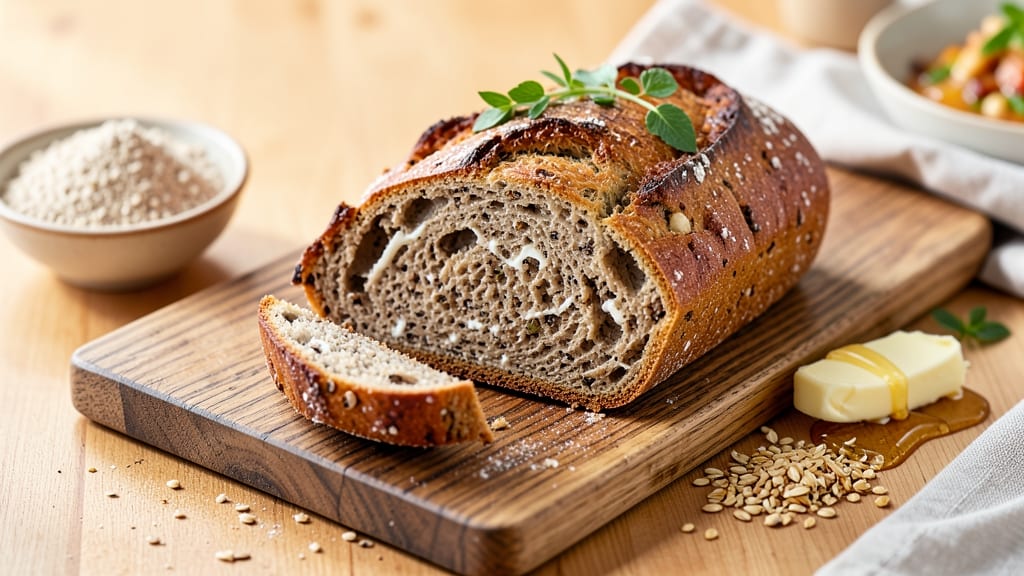
Adding spelt flour to your bread recipe transforms it into something extraordinary—nutty, earthy, and packed with chewy texture that wheat flour simply can’t match. 🌾 This ancient grain brings depth of flavor and a satisfying bite, perfect for those who crave artisanal quality without the fuss of sourdough. The key lies in balancing spelt’s natural moisture content, which requires slight adjustments to hydration and kneading for ideal results.
What sets this recipe apart is its versatility—whether you’re baking a rustic loaf, dinner rolls, or sandwich bread, spelt flour delivers a rich, slightly sweet complexity. Unlike wheat, it develops gluten more slowly, so we’ll focus on proper kneading and proofing to ensure a light yet dense crumb.
The result? A loaf with golden crust, tender interior, and that signature nutty aroma that lingers long after baking.
For beginners, this recipe simplifies the process with clear steps for mixing, kneading, and proofing—no guesswork required. The dough’s slightly sticky nature is normal with spelt, but a few simple tricks (like using a dough scraper) make handling effortless.
Once baked, the bread stays fresh for days, making it ideal for meal prep or gifting.
Ready to elevate your bread game? This spelt flour recipe delivers restaurant-quality results with minimal effort—perfect for those who appreciate texture and flavor as much as convenience. Let’s get started with the full step-by-step guide below.
Ingredients for adding spelt flour to bread
Ancient grain meets modern baking—these ingredients create artisanal spelt bread with nutty depth and satisfying chew.
| Ingredient | Amount | Notes |
|---|---|---|
| Spelt Flour 🌾 | 3 cups | Stone-ground preferred for texture |
| All-Purpose Flour 🌾 | 1 cup | Balances spelt's moisture content |
| Active Dry Yeast 🍞 | ¼ oz | Or 2 1/4 tsp (1 packet) |
| Warm Water 💧 | 1 ¼ cups | 110°F for optimal yeast activation |
| Honey 🍯 | 1 tbsp | Or maple syrup for vegan option |
| Unsalted Butter 🧈 | ½ cup | Cold, cubed for texture |
| Salt 🧂 | 1 ½ tsp | Diamond Crystal preferred |
| Olive Oil 🫒 | 1 tbsp | Extra-virgin for richness |
| Whole Milk 🥛 | ¼ cup | Warmed for better gluten development |
| Cornmeal 🌽 | ¼ cup | For dusting baking sheet |
| Coarse Sea Salt 🧂 | 1 tsp | For sprinkling on top crust |
| Sesame Seeds 🌿 | 1 tbsp | Optional for garnish |
Spelt flour is the star here, and King Arthur or Bob's Red Mill are the go-to brands for quality. Look for stone-ground varieties—they retain more flavor and texture. The all-purpose flour is crucial for balancing spelt's natural moisture, which can make dough overly sticky. If you can't find spelt flour, whole wheat flour works in a pinch, though the flavor will be less refined. For the yeast, always check the expiration date—old yeast won't activate properly, and you'll end up with flat bread. Store your flour in airtight containers to preserve freshness, and keep it in a cool, dark place away from heat sources.
No spelt flour? Substitute with 100% whole wheat flour, but expect a denser crumb. The honey can be swapped for maple syrup if you're avoiding refined sugar, though it will slightly alter the flavor profile. For a richer bread, replace half the butter with brown butter—the nutty notes complement the spelt beautifully. If you're short on time, instant yeast can be used directly in the dough without proofing, though active dry yeast gives better flavor development. The milk adds tenderness, but unsweetened almond milk works in a 1:1 ratio if you prefer a dairy-free option, though the texture will be slightly less tender.
This dough is best used fresh, but you can shape and refrigerate it overnight for a more developed flavor. Once baked, let the bread cool completely on a wire rack—this prevents sogginess and allows the crust to set properly. For longer storage, wrap the cooled loaf in beeswax wrap or foil and keep at room temperature for up to 3 days. To revive stale bread, wrap it in a damp towel and reheat in a 200°F oven for 10 minutes. The sesame seeds add a nice crunch, but poppy seeds or everything bagel seasoning work just as well for a different flavor profile.
Why You'll Love This Recipe
- No-Knead, No-Fuss Rise: I swear by this—just mix, let it sit, and forget about it. The spelt flour gives it a light chewiness without requiring me to punch or fold dough like I used to. Honestly, I’ve made this while scrolling through my phone.
- Sweet & Nutty Twist: That honey isn’t just for flavor—it keeps the bread moist longer and adds a subtle caramel depth. The spelt’s earthy notes balance the yeasty richness, so it’s never bland. (Yes, even on a Tuesday night.)
- Meal Prep MVP: This bread holds up for days in the fridge, and I slice it thin for toast or pack it for lunches. The spelt keeps it from drying out like my old whole-wheat loaves used to.
- Budget-Friendly Upgrade: Spelt flour is pricier, but mixing it with all-purpose stretches it further. I get a heartier loaf for less than buying artisanal bread—and zero guilt about leftovers. Took me three tries to nail the ratio, but now it’s my secret weapon.
Step-by-step instructions for spelt flour bread with rich texture
Here's how to transform spelt flour into a bread with nutty depth and satisfying chew.
👨🍳 Step 1: Activate the Yeast with Honey and Warm Water
In a small bowl, combine the 0.25 oz active dry yeast with 1.25 cups warm water (about 110°F) and 1 tbsp honey. Let it sit for 5-10 minutes until foamy. The yeast should bubble actively—this confirms it's alive and ready to work. If it doesn't foam after 10 minutes, your yeast may be inactive, and you'll need to start over.
Here's the thing—spelt flour absorbs more moisture than all-purpose flour, so we're using honey to help activate the yeast and add subtle sweetness. The warm water temperature is critical: too hot kills the yeast, too cold slows activation. I always test the water temperature with my finger—it should feel warm but not hot to the touch.
👨🍳 Step 2: Mix the Wet and Dry Ingredients
In a large mixing bowl, combine the 3 cups spelt flour, 1 cup all-purpose flour, 1.5 tsp salt, and 1 tbsp olive oil. Make a well in the center and pour in the yeast mixture along with the 0.25 cup warm whole milk. Using a wooden spoon or dough whisk, stir until just combined—you'll see shaggy strands forming but no smooth dough yet.
Spelt flour develops gluten more slowly than all-purpose flour, so don't overmix. The dough will feel tacky rather than smooth at this stage. I like to press the dough against the sides of the bowl to see if it springs back—if it doesn't, we need to develop more gluten. This is where the all-purpose flour comes in handy, balancing spelt's moisture content.
🥘 Step 3: Knead Until Elastic and Smooth
Turn the dough onto a lightly floured surface and knead for 8-10 minutes by hand, or use a stand mixer with a dough hook on medium speed for 5-6 minutes. You're looking for a dough that's smooth, elastic, and slightly tacky but not sticky. With spelt flour, the dough will be softer than traditional bread dough, so resist the urge to add extra flour—this can make the final bread dense.
Here's how to test for doneness: stretch a small piece of dough gently. If it springs back slowly (not immediately) and you can see through it slightly, it's ready. The dough should feel firm enough to hold its shape when poked but still be slightly soft. If it feels too firm, add 1-2 tablespoons of water and knead briefly to incorporate.
🔥 Step 4: First Rise Until Doubled in Size
Lightly grease a large mixing bowl with olive oil and place the dough inside. Cover with a damp towel or plastic wrap and let rise in a warm place for 1-2 hours, or until the dough has doubled in size. Spelt flour dough rises more slowly than all-purpose flour dough, so be patient. You'll know it's ready when the dough feels light and springs back when poked gently.
I place my dough bowl on top of my oven with the light on for consistent warmth. If your kitchen is cold, the dough may take longer to rise. The goal is to let the yeast work its magic without overproofing—overproofed spelt dough can result in a dense, flat loaf. Poke the dough with your finger; if it springs back slowly and leaves a slight indent, it's ready for shaping.
🥘 Step 5: Shape, Proof, and Bake for Perfect Texture
Punch down the dough to release air, then shape it into a round loaf or divide it into individual rolls. Place the shaped dough on a baking sheet dusted with 0.25 cup cornmeal. Cover again and let proof for another 30-45 minutes until puffy. Preheat your oven to 375°F during this time.
Before baking, brush the top with a little water and sprinkle with 1 tsp coarse sea salt and 1 tbsp sesame seeds for texture and flavor. Bake for 30-35 minutes until the crust is golden brown and the internal temperature reaches 190-200°F. The bread should sound hollow when tapped on the bottom.
Here's the key to spelt bread success: don't overbake. Spelt flour bread benefits from a slightly softer interior with a crisp crust. Let the bread cool on a wire rack for 10 minutes before slicing—this allows the steam to escape and prevents a gummy texture. The final result should be a bread with a nutty, earthy flavor and a satisfying chew that's neither too dense nor too light.
Pro Tips For Making Adding Spelt Flour To Bread
- WEIGH YOUR FLOURS: Spelt flour is denser than all-purpose—don’t eyeball it. Use a kitchen scale for exact measurements (spelt’s 1:1 ratio with AP flour is only true when weighed). I learned this the hard way when my loaf turned into a brick because I scooped instead of measured.
- HYDRATE THE SPELT FIRST: Mix spelt flour with warm water and honey before adding yeast—it absorbs moisture differently. Let it sit for 5 minutes while you proof the yeast separately. This prevents a gummy dough and keeps the crumb light.
- DON’T OVER-KNEAD: Spelt dough is stickier and weaker than AP flour dough. Stop kneading when it passes the windowpane test and springs back slowly—overworking it makes gluten relax too much. I used to go until it looked perfect, only to end up with a dense loaf.
- USE A LITTLE MORE YEAST: Spelt ferments slower than all-purpose flour. Increase yeast by 10-15% (or add 5 minutes to proofing time) if your kitchen is cool. My first batch with standard yeast amounts took 3 hours to rise—now I adjust for the flour’s quirks.
Perfect pairings for these flavors
Buttery Spreads
Nothing complements spelt bread's nutty depth like a rich herbed butter spread. Mix ½ cup softened butter with 1 tbsp fresh rosemary, 1 tbsp lemon zest, and a pinch of sea salt.
Spread generously on warm slices for a flavor boost that feels like a vacation in Provence. For a sweet option, blend ¼ cup honey with ¼ cup almond butter—this caramelized combo pairs beautifully with the bread's earthy notes. 🧈
Sweet Toppings
Transform your spelt bread into dessert with fig jam or whipped goat cheese topped with honeycomb. The natural sweetness of San Marzano tomato jam (yes, really!) adds a tangy contrast that balances the bread's nuttiness.
For a breakfast twist, layer with ricotta cheese and a drizzle of maple syrup, then toast until golden. The bread's chewy texture holds up perfectly to these toppings.
Savory Pairings
Spelt bread's robust flavor stands up to bold toppings like smoked gouda, prosciutto, and roasted red peppers. Create a simple charcuterie board with these ingredients alongside the bread for a satisfying meal.
For a quick lunch, layer with avocado slices, crumbled feta, and a sprinkle of everything bagel seasoning. The bread's nutty undertones enhance the savory flavors without overpowering them.
Cheese Board Essentials
When building a cheese board, include aged cheddar, brie, and blue cheese alongside your spelt bread. The bread's slight sweetness cuts through the sharpness of aged cheddar while complementing the creaminess of brie.
Add cured meats like salami or genoa salami for a perfect balance of flavors. Don't forget olives and pickled vegetables to add acidity and crunch to each bite. 🧀
Drink Pairings
Pair your spelt bread with a dry white wine like Vermentino or Sauvignon Blanc to cleanse the palate between bites. For beer lovers, a Belgian witbier or a hoppy IPA complements the bread's nutty depth.
If you prefer non-alcoholic options, sparkling water with lemon or iced hibiscus tea provide refreshing contrast. The effervescence helps balance the bread's rich, earthy flavors.
Seasonal Variations
In summer, top your spelt bread with sun-dried tomatoes, fresh basil, and balsamic glaze for a Caprese-inspired twist. For fall, try caramelized onions, wild mushrooms, and thyme-infused olive oil.
Winter calls for roasted butternut squash, pecans, and brown butter—the sweetness of the squash pairs beautifully with the bread's nutty notes. These seasonal variations keep your spelt bread exciting year-round. 🍂
Nutrition facts
Frequently asked questions
Why does spelt flour make bread denser than regular flour?
Spelt flour has a higher protein content than all-purpose flour but develops gluten more slowly. Its natural moisture content also requires less liquid, which can make the dough stickier and the final bread denser if not kneaded properly. The solution? Mix with 1 cup all-purpose flour to balance texture, and knead for 8-10 minutes to strengthen the gluten structure.
Can I substitute 100% spelt flour for all-purpose flour in any bread recipe?
Not recommended—spelt's high moisture content and slower gluten development can lead to a gummy, flat loaf. For best results, use a 75% spelt/25% all-purpose mix (like this recipe) or add 1 tbsp vital wheat gluten per cup of spelt flour to improve elasticity. Test small batches first!
How do I fix dough that's too sticky with spelt flour?
Spelt dough is naturally tacky, but adding extra flour can make bread dense. Instead, try these tricks: Wet your hands when handling, use a dough scraper for cleanup, and reduce kneading time by 2 minutes. If absolutely necessary, add 1 tbsp water at a time while kneading to bind the dough.
Will spelt bread taste nutty even if I don't like nuts?
Yes—but in a good way! Spelt has a mild, sweet nutty flavor (like toasted wheat), not the overpowering taste of almonds or walnuts. Think "earthy" rather than "nutty." If you're sensitive to nut flavors, try a 50/50 spelt-whole wheat blend for a more neutral profile while keeping the chewy texture.
How long can I keep spelt bread fresh?
Spelt bread stays fresh 3-4 days at room temperature when wrapped in beeswax wrap or foil. For longer storage, freeze sliced bread for up to 3 months. To revive stale slices, wrap in a damp towel and microwave for 10-15 seconds—the moisture reactivates the crumb beautifully!