
Side Dishes
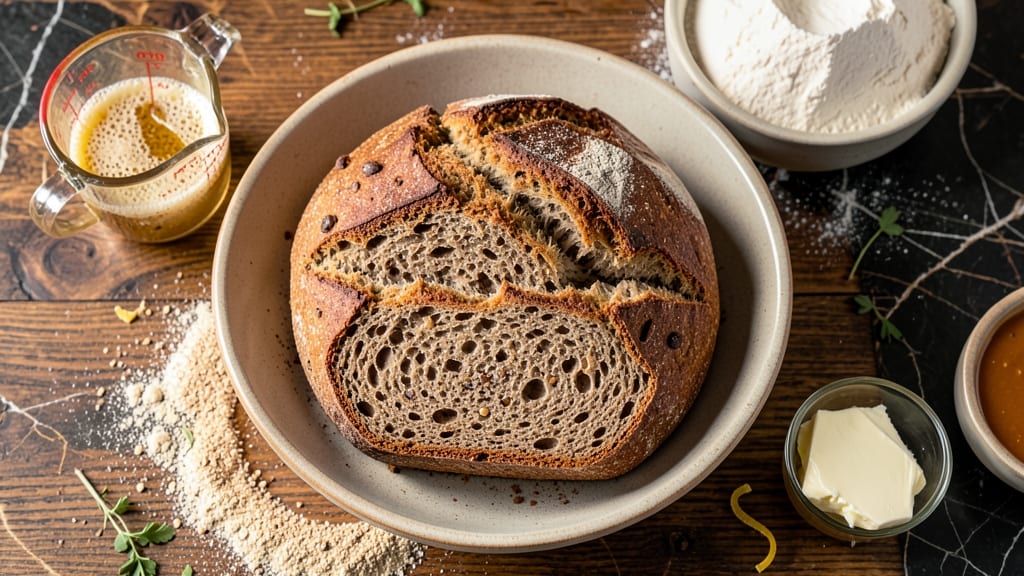
This 50% whole wheat bread machine recipe delivers the perfect balance—crusty exterior, light crumb, and none of the dense, dry texture you might expect.
The secret lies in a precise blend of whole wheat flour and all-purpose flour, plus a touch of honey to keep the dough tender without sacrificing nutrition.
I’ve baked hundreds of loaves, and this is the one that finally convinced my family whole wheat bread could be just as satisfying as white.
The beauty of this recipe is its adaptability—whether you’re using a standard bread machine or a high-end model, the same settings and techniques apply. We’ll focus on proper hydration, a slow fermentation cycle, and steam injection during baking to create that coveted crust while keeping the interior airy.
No special equipment needed, just patience and attention to detail.
By the time you pull that golden-brown loaf from your machine, you’ll have bread with a crispy, crackly crust that gives way to a soft, open crumb. The flavor is rich and nutty, with just enough sweetness from the honey to balance the earthiness of the whole wheat.
This isn’t just whole wheat bread—it’s the kind of loaf you’ll reach for instead of the store-bought kind.
Perfect for toast, sandwiches, or serving with soups, this recipe also works with optional add-ins like seeds, herbs, or even a sprinkle of garlic powder for extra flavor. Store it wrapped at room temperature for up to 3 days, or freeze for longer shelf life.
Let’s get started on making bread that tastes like it came from a bakery.
Ingredients for 50 whole wheat bread machine
The perfect 50% whole wheat blend starts with these 12 simple staples.
| Ingredient | Amount | Notes |
|---|---|---|
| All-Purpose Flour 🌾 | 2 cups | White flour for lightness |
| Whole Wheat Flour 🌾 | 2 cups | Unbleached preferred for flavor |
| Active Dry Yeast 🍞 | ¼ oz | Or 2.25 tsp packet |
| Warm Water 💧 | 1 ¼ cups | 110°F for optimal yeast activation |
| Honey 🍯 | 2 tbsp | Light or clover variety |
| Unsalted Butter 🧈 | ¼ cup | Cold, cubed for easier mixing |
| Granulated Sugar 🍚 | 1 tbsp | Helps with yeast activation |
| Salt 🧂 | 1 tsp | Kosher or sea salt preferred |
| Milk 🥛 | ¼ cup | Any kind, room temperature |
| Egg 🥚 | 1 whole | Large egg for structure |
| Olive Oil 🫒 | 1 tbsp | Extra-virgin for richness |
| Sesame Seeds 🌰 | 1 tbsp | Optional for topping |
The flours are the heart of this recipe—King Arthur whole wheat and Gold Medal all-purpose are my go-tos, but any quality brands work. I always buy organic whole wheat flour if possible, as it has a richer flavor. The yeast? Fresh is best, but those little packets in the baking aisle are fine if they haven't expired. Pro tip: if your kitchen gets cold, warm the yeast packet in your hand for 10 seconds before mixing—helps it activate faster. The honey should be liquid, not crystallized, and Trader Joe's has great affordable options.
No honey? Maple syrup works 1:1, though it adds a distinct flavor. Short on whole wheat flour? Swap up to 1 cup for white whole wheat for a lighter texture. The egg can be replaced with 1 tbsp ground flaxseed + 3 tbsp water for vegan version (let it sit 5 minutes first). Butter hater? Coconut oil or extra olive oil keeps the dough tender. The milk can be any kind—dairy, almond, or oat—but make sure it's room temperature so it mixes smoothly. For the olive oil, any brand is fine, but avoid the super cheap stuff that's heavily processed.
This dough keeps for 2 days in the fridge if you want to shape it ahead, but I usually bake it fresh. For longer storage, freeze the shaped loaf (unbaked) for up to 3 months—just thaw overnight in the fridge before baking. The sesame seeds? Toast them in a dry pan for 2 minutes before sprinkling for extra crunch. Store the finished loaf wrapped in a clean kitchen towel to keep it soft. Slice with a serrated knife for clean cuts—regular knives squish the crumb.
Why You'll Love This Recipe
- I’ll be real: my bread machine does all the work while I sip coffee. Just toss in the flours, yeast, and honey—no punching, no stress—just press start.
- No-Knead Magic: I’ll be real: my bread machine does all the work while I sip coffee. Just toss in the flours, yeast, and honey—no punching, no stress—just press start.
- Honey-Wheat Crunch: That touch of honey? It’s the secret weapon. The crust gets a golden caramel bite, while the crumb stays soft and nutty—like a cozy hug in bread form.
- Weeknight Workhorse: From breakfast toast to sandwiches, this loaf handles it all. Make two batches on Sunday, freeze one, and you’ve got fresh bread ready for any day.
Step-by-step instructions for perfect whole wheat bread machine bread
Let's create a loaf that balances hearty whole wheat flavor with a light, airy crumb—no compromise needed.
Prepare Ingredients for Optimal Mixing
First, gather all your ingredients and organize them by type. In a small bowl, dissolve the 0.25 oz active dry yeast in the 1.25 cups warm water (about 110°F) with the 2 tbsp honey and 1 tbsp granulated sugar. Let this sit for 5-10 minutes until it becomes frothy—this activates the yeast and ensures your dough rises properly. I like to use a glass measuring cup for this so I can watch the bubbles form.
In another bowl, whisk together the 2 cups all-purpose flour, 2 cups whole wheat flour, 1 tsp salt, and the 1 whole egg. This pre-mixing creates a more uniform dough. The whole wheat flour will be heavier, so combining it with all-purpose flour gives us that perfect balance of texture and nutrition. Keep this mixture ready while the yeast activates.
Combine Wet and Dry Ingredients in the Bread Machine
Add the yeast mixture to the bread machine pan first. Then, pour in the 0.25 cup milk and 1 tbsp olive oil. These liquids help create a softer dough that's easier to handle and yields a lighter crumb. Next, add the dry flour mixture and the 0.25 cup cold, cubed unsalted butter. The cold butter will create pockets of steam during baking, giving us that beautiful crust.
Use the bread machine's dough setting and select "basic" or "whole wheat" if available. The machine will mix everything together for about 5-10 minutes until the dough comes together into a smooth, elastic ball. You'll know it's ready when it pulls away from the sides of the pan and forms a cohesive mass. If the dough seems too sticky, you can add 1 tablespoon more all-purpose flour to help it come together.
Let the Dough Rise in the Machine
Once the mixing cycle completes, the dough will begin its first rise. This typically takes 1-2 hours, but your machine might vary. The dough should roughly double in size and look puffy and light. Here's the thing—whole wheat dough rises more slowly than all-purpose flour dough, so don't be alarmed if it takes a bit longer. You'll know it's ready when it reaches the top of the pan and has a slight springiness when poked gently with your finger.
During this time, I like to prepare my bread pan by lightly greasing it with olive oil or spraying it with cooking spray. This prevents the dough from sticking when it's time to shape it. The sesame seeds can wait until after baking—they'll add a nice crunchy texture to the crust.
Shape and Bake to Golden Perfection
Once the dough has fully risen, remove it from the bread machine pan and place it on a lightly floured surface. Gently shape it into a loaf by folding the sides toward the center and rolling it into a smooth, oval shape. This step helps create that classic bread shape and ensures even baking. Place the shaped dough into your prepared bread pan, seam-side up, and let it rise for another 20-30 minutes—this final rise gives us that airy crumb.
Preheat your oven to 375°F while the dough finishes its final rise. Before baking, brush the top of the dough with a little water and sprinkle with the 1 tbsp sesame seeds for that beautiful crust and extra flavor. Bake for 30-35 minutes until the bread is golden brown and sounds hollow when tapped on the bottom. The internal temperature should reach 190-200°F—this ensures it's fully baked without being dry.
Cool and Enjoy Your Masterpiece
Remove the bread from the oven and transfer it to a wire rack to cool completely. This cooling step is crucial—it allows the steam inside to escape, preventing a gummy texture. I know it's tempting to slice into that warm loaf immediately, but resisting for at least 30 minutes makes all the difference. The crust will firm up, and the crumb will be perfectly light and fluffy.
Once cooled, slice your bread and serve it warm with butter or your favorite spread. The combination of whole wheat and all-purpose flour gives you a hearty, nutty flavor with a soft, airy texture that's perfect for sandwiches, toast, or simply enjoying on its own. Store any leftovers in an airtight container for up to 5 days or freeze for longer storage.
Pro Tips For Making 50 Whole Wheat Bread Machine
- WEIGH THE FLOURS: Whole wheat flour packs differently than all-purpose—don’t eyeball it. Use a kitchen scale for the whole wheat portion (usually about 25% of the total flour weight) to avoid dense, gummy bread. I learned this after three batches where the dough felt like glue.
- HONEY WATER TEMP: That warm water should be lukewarm—not hot enough to kill the yeast, not cold enough to slow it down. Test it by dipping your pinky in; if it feels like bath water, you’re good. Too hot, and you’re starting over.
- STOP THE KNEADING: Whole wheat dough gets tough fast. If your machine’s dough hook cycle runs long (some do), hit pause after 5 minutes and check consistency. It should look shaggy but cohesive—not sticky enough to cling to your fingers.
- ADD OIL LATER: Skip mixing oil with the wet ingredients—it competes with the yeast for space. Instead, toss in 1 tablespoon during the last 2 minutes of the kneading cycle. This keeps the crust crisp without weighing down the rise. (Yes, even if the recipe doesn’t mention it.)
Regional styles of 50 whole wheat bread machine
Southern Style
In the South, whole wheat bread often gets a hearty twist with additions like cornmeal or honey to balance the earthiness. I like adding 1 tbsp cornmeal to the dough for a subtle crunch and a slightly sweeter flavor profile.
For an extra touch, brush the baked loaf with melted butter and sprinkle coarse sea salt right after removing it from the oven—this creates a crispy, buttery crust that’s perfect for cornbread-style sandwiches or toast. 🥓
Italian Focaccia Twist
Transform your whole wheat bread into a focaccia-style loaf by adding 2 tbsp olive oil to the dough and shaping it into a flat, rectangular pan.
After the first rise, press your fingers into the dough to create dimples, then drizzle with 2 tbsp olive oil and sprinkle with dried rosemary and flaky sea salt.
Bake at 375°F for 25 minutes—the result is a crispy, olive-oil-rich loaf that’s perfect for dipping or serving with soups. 🌿
German Rye Blend
For a rye-inspired version, replace 1 cup of whole wheat flour with 1 cup dark rye flour and add 1 tsp caraway seeds to the dough. This creates a deeper, nuttier flavor with a denser crumb—ideal for hearty sandwiches or open-faced meals.
After baking, brush the loaf with melted butter and sprinkle with poppy seeds for a classic German bakery touch. 🌾
French Baguette Adaptation
Shape the dough into a long, thin loaf and bake it in a baguette pan or on a baking sheet lined with parchment paper. For extra crispiness, place a metal tray filled with boiling water in the oven during baking to create steam.
Once baked, brush the loaf with garlic-infused olive oil and sprinkle with flaky salt—this gives you a crispy, crusty baguette-style bread that’s perfect for dipping or making crostini. 🥖
Mexican Corn and Herb
Add 1 cup masa harina (corn flour) and 1 tbsp dried oregano to the dough for a Mexican-inspired twist. Shape the loaf into a round and bake it in a cast-iron skillet for a rustic, crusty texture.
After baking, drizzle with melted butter and sprinkle with crushed red pepper flakes for a subtle heat. This loaf pairs beautifully with tacos, enchiladas, or quesadillas. 🌶️
Nutrition facts
Frequently asked questions
Why does my whole wheat bread machine dough turn out too dense?
Whole wheat flour absorbs more moisture than all-purpose flour, so the dough needs extra hydration but can also become too heavy if overworked. Use the recipe's exact measurements and select the "whole wheat" setting if your machine has one. If the dough seems too sticky during mixing, add just 1 tablespoon more all-purpose flour—never more water. Also, avoid over-kneading; let the machine handle the work.
Can I substitute white whole wheat flour for regular whole wheat?
White whole wheat flour has a lighter color and slightly sweeter taste, but it works 1:1 in this recipe. For the best texture, replace up to 1 cup of regular whole wheat flour with white whole wheat. The bread will have a more refined appearance while keeping the nutritional benefits. Just be aware it may rise slightly faster than regular whole wheat.
What machine settings should I use for the best results?
Always use the "basic" or "whole wheat" setting on your bread machine—never the quick setting. For optimal texture, select the longest rise cycle available (usually 3-4 hours). If your machine has a "crust" option, enable it for a crispier exterior. The slow fermentation helps develop the whole wheat flavor while maintaining a light crumb.
How do I store this bread to keep it fresh longer?
Wrap the cooled loaf in a clean kitchen towel or beeswax wrap, then place it in an airtight container. This prevents drying out better than plastic alone. Store at room temperature for 3-5 days or freeze for up to 3 months. To revive frozen bread, thaw at room temperature for 1-2 hours before toasting—never microwave.
Can I add seeds or nuts to this recipe?
Yes! Add 1-2 tablespoons of seeds (sunflower, pumpkin, or flax) directly to the dough during mixing. For nuts, chop them finely first to avoid texture issues. Toast the seeds/nuts in a dry pan for 2-3 minutes before adding to enhance flavor. Just reduce the flour by 1 tablespoon per 1 tablespoon of add-ins to maintain proper dough consistency.