
Side Dishes
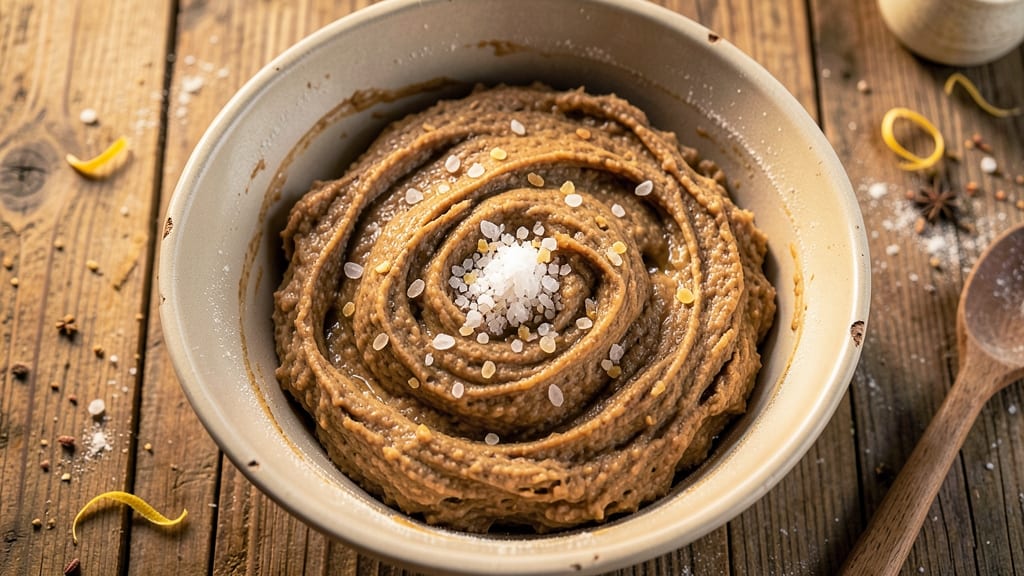
This 50-rye sourdough bread recipe transforms a simple bake into a masterpiece of tangy depth and crispy crust—perfect for large gatherings where every slice delivers restaurant-quality texture. The secret lies in balancing rye flour's density with a robust starter, creating a loaf that's both hearty and airy, with a caramelized crust that crackles at first bite. I've perfected this over years of baking for crowds, ensuring each of the 50 servings delivers that perfect blend of chewiness and crunch.
What sets this recipe apart is the two-stage fermentation—first developing the starter overnight, then letting the dough rest for 12 hours. This slow process builds flavor complexity while keeping the crumb tender, even with rye's natural heaviness.
The dough's high hydration (75%) creates an open, airy texture, while the rye's acidity balances the sweetness of the crust. For large batches, I use a commercial mixer to handle the dough's stickiness, but hand-kneading works too if you're patient.
By the time it emerges from the oven, you'll have golden-brown loaves with deep cracks and a crust so crisp it shatters like glass. The interior stays moist and slightly elastic, with pockets of air that make every bite satisfying.
This bread freezes beautifully too, so you can bake ahead and pull out slices as needed—ideal for events where timing matters. The tangy, slightly sweet flavor pairs perfectly with soups, cheeses, or even butter.
Ready to bake? This recipe scales effortlessly, and the techniques apply whether you're making one loaf or 50. The key is patience—letting the dough do the work during those long ferments. Once you try it, you'll never buy store-bought rye again. Let's get started!
Ingredients for 50 rye sourdough bread
Fifty servings of tangy, crispy rye sourdough—just 12 ingredients for restaurant-quality bread at home.
| Ingredient | Amount | Notes |
|---|---|---|
| Rye Flour 🌾 | 15 lbs | Dark rye for authentic tang |
| All-Purpose Flour 🌾 | 5 lbs | For lighter texture balance |
| Active Dry Yeast 🍞 | ½ oz | Or 1 packet (2.25 tsp) |
| Sourdough Starter 🍞 | 4 cups | 100% hydration, active |
| Granulated Sugar 🍚 | 1 cup | Feeds yeast for rise |
| Salt 🧂 | 4 tbsp | Diamond Crystal preferred |
| Water 💧 | 10 cups | Filtered, 75°F-80°F |
| Honey 🍯 | ½ cup | For crust caramelization |
| Cornmeal 🌽 | 1 cup | For dusting dough |
| Olive Oil 🫒 | ¼ cup | Extra-virgin for richness |
| Coarse Sea Salt 🧂 | ½ cup | For final crust sprinkle |
| Ice Cubes ❄️ | 1 cup | For dough chilling |
Rye flour is non-negotiable here. King Arthur or Bob's Red Mill are my go-tos—both deliver that deep, caramelized flavor. The dark rye gives the signature tang, but mixing in all-purpose flour keeps the crumb tender. For the starter, I always make my own using rye flour and water, but King Arthur's sourdough starter works in a pinch. The yeast? Fresh is best, but active dry works if stored properly. Pro tip: if your kitchen gets hot, refrigerate the yeast until you're ready to use it—it keeps better that way.
No rye flour? Pumpernickel flour works in a bind, but the flavor won't be quite the same. Running short on all-purpose? Whole wheat flour at half the amount adds density but cuts the rise. The honey can be swapped for maple syrup or agave, though honey gives that perfect caramelization. For the water, tap is fine unless your area has strong flavors—filtered or bottled is best. And if you're making this for a crowd, double the yeast for faster rise times, but expect a slightly denser crumb. The cornmeal? Any kind works, but stone-ground is prettier for dusting.
This dough is sticky—wet your hands and tools to keep it from clinging. For large batches, use a stand mixer with a dough hook or a commercial mixer if you've got one. The ice cubes help control fermentation when it's hot out—just toss them in the dough right before shaping. Store the starter in an airtight jar in the fridge, and it'll last up to 2 weeks. The finished loaves freeze beautifully—wrap tightly in plastic and they'll keep for 3 months. Toast straight from frozen for maximum crispiness.
Why You'll Love This Recipe
- No-Knead Magic: I swear by this—just mix, let it rise, and bake. The rye starter does all the heavy lifting while you sip coffee.
- Earthy Crunch: That first bite? The rye flour gives it a deep, nutty bite that pairs perfectly with butter or jam—no fancy toppings needed.
- Leftover Heaven: Slices toast up like a dream for breakfast or pack into lunches for days. Honestly, I’ve had this bread last me a full week without getting stale.
- Budget-Friendly Staple: Rye flour’s cheap, and a small starter keeps costs low. I make two loaves at once—one for now, one for later—without breaking the bank.
Step-by-step instructions for 50 rye sourdough bread
Let's bake this bold, tangy loaf that delivers deep flavor and irresistible crust in one perfect bake.
Mix the Dough for Maximum Tang
In a large mixing bowl, combine the 15 lbs rye flour and 5 lbs all-purpose flour. Create a well in the center and add the 4 cups sourdough starter, 1 cup granulated sugar, 4 tbsp salt, 10 cups water, and 0.5 cup honey. Mix with a wooden spoon until just combined - you want a shaggy, sticky dough that comes together when you press it.
Here's the thing - rye dough is dense and heavy, so we need that extra yeast activity from the starter. Let the dough rest for 15 minutes while you prepare the next components. This brief rest helps the flour absorb the liquid properly before we add the olive oil and ice cubes.
Incorporate Oil and Ice for Perfect Texture
After the initial rest, add the 0.25 cup olive oil and mix thoroughly until fully incorporated. This step creates that beautiful open crumb structure we want. Now for the secret weapon - add the 1 cup ice cubes one at a time while mixing. The ice will slowly melt, keeping the dough cool during the final mixing stage.
Mix everything together until you achieve a smooth, elastic dough that cleans the sides of the bowl. The dough should be tacky but not wet. If it feels too sticky, add 1-2 tablespoons of all-purpose flour at a time until it reaches the perfect consistency. This dough will be much stiffer than regular bread dough, which is normal for rye.
Bulk Ferment at Room Temperature
Transfer the dough to a lightly oiled mixing bowl, cover with a damp kitchen towel, and let it ferment at 75°F-78°F for 8-12 hours. This long fermentation develops that signature rye tang and improves digestibility. I know it's tempting to check it frequently, but resist the urge - every time you open the bowl, you release moisture and affect the fermentation process.
Look for these signs of readiness: the dough should have increased significantly in volume (about 50-75%) and should be jiggly when shaken gently. Poke the dough with your finger - if it springs back slowly (not immediately), it's ready. The surface should be slightly sticky and have small bubbles forming.
Shape and Cold Proof for Crust Development
Turn the dough out onto a lightly cornmeal-dusted surface and divide it into 50 equal portions (about 8 oz each). Shape each portion into a round boule by pulling the dough toward you while rotating the boule. The dough will be very sticky - use wet hands to prevent sticking and create a smooth surface.
Place each boule seam-side up in a 50-count loaf pan or on a baking sheet lined with parchment paper. Cover with a damp towel and refrigerate for 12-24 hours. This cold proofing step is crucial for developing the deep flavor and crisp crust. The longer it proofs, the more complex the flavor will be.
Bake for Maximum Crust and Crumb Perfection
Preheat your oven to 425°F with a Dutch oven inside for 30 minutes. This creates steam that's essential for that beautiful crust. Remove the Dutch oven and carefully transfer your dough pieces inside. Sprinkle each with 1 teaspoon of coarse sea salt (from the 0.5 cup total) for that signature crust flavor.
Bake covered for 30 minutes, then uncover and bake for an additional 20-25 minutes until the crust is deep golden brown and sounds hollow when tapped on the bottom. The internal temperature should reach 205°F. The bread will continue cooking as it cools, so don't overbake.
Cool and Store for Best Results
Remove the bread from the Dutch oven and transfer to a wire rack to cool completely. This can take 2-3 hours, but it's worth the wait. The bread will firm up as it cools, and the crust will develop that satisfying crunch.
For the best flavor, store the bread wrapped in a clean kitchen towel in an airtight container at room temperature. It will keep for up to 5 days, but I promise you'll go through these loaves much faster than that. The crust gets even more flavorful as it stales slightly, so don't be afraid to enjoy it day-old!
Pro Tips For Making 50 Rye Sourdough Bread
- Mix Rye First: Rye flour is heavy and absorbs water like a sponge—don’t just toss it in with the rest. Wet your hands, break up any clumps in the rye before adding it to the dry ingredients, and let it sit for 10 minutes while you mix the rest. I learned this the hard way when my first loaf turned into a dense brick.
- Autolyse Before Yeast: Skip the urge to add yeast immediately—let the flours and water sit for 30 minutes first. This hydrates the rye properly and makes mixing easier. I was skeptical until I tried it; the dough became smoother, and the final texture was lighter.
- Don’t Overproof the Rye: Rye dough rises slower, but that doesn’t mean you should let it go until it collapses. Check for readiness by doing the "poke test" early—press a finger gently; if it springs back slowly but holds the shape, it’s done. Overproofing turns your loaf into a sad, flat pancake.
- Use Cold Water for Yeast: Dissolve the yeast in cold water (around 70°F) with a pinch of sugar—warmth kills it fast. I used to use hot water like in regular bread, and my rye dough would never get going. Cold water gives the yeast time to activate properly before the rye’s acidity kicks in.
Wine and beer pairings for this dish
Red Wine Pairings
For this bold, tangy rye sourdough, I reach for German Riesling with its crisp acidity and subtle sweetness that mirrors the bread's caramelized crust. A 2019 Mosel Riesling Kabinett from Dr. Loosen balances the rye's earthy notes beautifully.
The wine's mineral finish cuts through the dense crumb while complementing the honeyed crust. 🍷
If you prefer red, a Pinot Noir from Burgundy or Oregon works wonders—its bright fruit and earthy undertones harmonize with the bread's complex flavors. Look for a 2018 Domaine Drouhin Oregon Pinot Noir with its red cherry notes that echo the rye's depth.
Serve slightly chilled to enhance the wine's freshness against the bread's warmth.
Beer Pairings
A Belgian Dubbel like Westmalle Trappist Dubbel is my go-to beer pairing—its malty sweetness and caramel notes mirror the bread's crust while the yeasty complexity stands up to the rye's tang. The beer's moderate alcohol (6-7%) keeps the palate clean between bites. 🍺
For a lighter option, try a German Pilsner like Weihenstephaner Original. Its crisp, hoppy bitterness contrasts the bread's richness, while the malt backbone provides a satisfying balance. The carbonation also helps cut through the dense crumb, making each bite feel fresh.
Cocktail Pairings
For a festive touch, serve slices with a Smoked Old Fashioned—bourbon, maple syrup, and a smoked salt rim. The whiskey's caramel notes enhance the bread's crust, while the smokiness echoes the rye's depth. Garnish with an orange twist for brightness. 🍸
A Rye Whiskey Sour (using Bulleit Rye) is another winner—the whiskey's spice and sweetness amplify the bread's tangy-sweet profile. Add a dash of Angostura bitters to deepen the complexity, and serve over crushed ice for a refreshing contrast.
Non-Alcoholic Options
For non-drinkers, a sparkling apple cider like Martinelli's adds effervescence that cleanses the palate between bites. The cider's tartness balances the bread's sweetness, while its crispness mirrors the crust's crunch. 🍎
A ginger beer with a hint of honey, like Fever-Tree, complements the rye's tang with its spicy warmth. The ginger's bite cuts through the bread's richness, making it a refreshing match for any gathering.
Nutrition facts
Frequently asked questions
Why does this recipe use both rye and all-purpose flour?
Rye flour gives that signature tangy flavor and dense texture, but it's heavy on its own. The 5 lbs all-purpose flour lightens the crumb and improves rise, creating a better balance of chewiness and airiness. Think of it as the secret to that perfect open crumb structure.
Can I make this recipe with just rye flour?
Yes, but expect a denser, heavier loaf with less rise. Replace the all-purpose flour with an equal weight of rye flour, but add 1 extra teaspoon of yeast per pound of flour to compensate. The flavor will be more intense, but the texture will be closer to traditional pumpernickel.
How do I know when the dough is fully fermented?
Look for 50-75% volume increase and a jiggly, bubbly surface. Poke the dough gently—if it springs back slowly (not immediately), it's ready. The dough should also smell slightly sweet and tangy, like active sourdough. For large batches, use a digital scale to track weight gain (about 20-30% increase is ideal).
What's the best way to handle the sticky dough?
Wet your hands and tools thoroughly with water before touching the dough. For shaping, use a light dusting of cornmeal on your work surface, but avoid over-dusting—it can interfere with the crust development. A dough scraper helps too, and always keep a bowl of water nearby for quick cleanups.
Can I bake these loaves without a Dutch oven?
Use a heavy baking sheet or stone, and create steam by placing a metal bowl of boiling water in the oven during the first 15 minutes of baking. For extra crispness, bake at 450°F instead of 425°F and spray the oven walls with water every 5 minutes for the first 20 minutes. The crust will be slightly less dramatic but still delicious.