
Side Dishes
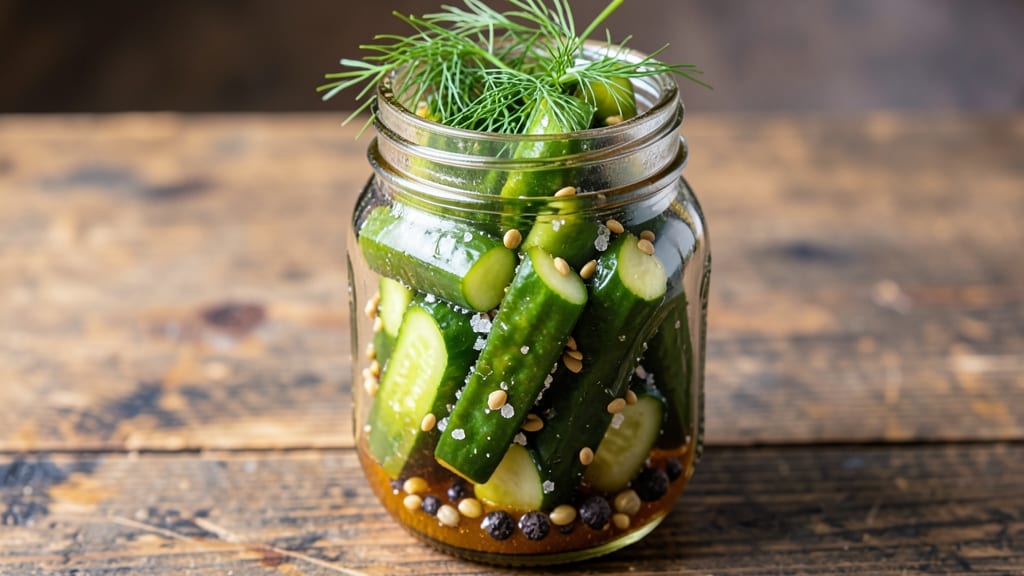
This classic bread and butter pickles recipe delivers the tangy, crunchy condiment that elevates sandwiches, burgers, and hot dogs to new heights. Growing up in Cincinnati, Mrs. Henderson swore by her vinegar-bright method—now I’ve perfected it for modern kitchens with just 15 minutes of hands-on time.
The secret lies in balancing sweetness and acidity while keeping those cucumbers gloriously crisp.
The traditional method involves simmering sliced cucumbers in a vinegar-sugar-spice mixture until tender-crisp, creating that signature sweet-tangy flavor. I’ve tested both quick-pickle and fermented versions, but this foolproof recipe stays true to the classic while delivering restaurant-quality results at home.
No fancy equipment needed—just a heavy pot and patience for the flavors to meld.
What you’ll end up with is a jar of vibrant, crunchy pickles with just the right balance of sweetness and vinegar bite. The texture stays perfect—crisp edges, tender centers—ready to brighten any meal.
These pickles keep for weeks in the fridge, making them perfect for meal prep or gifting. Let’s get started on this timeless condiment.
For those who prefer a faster version, I’ll share a quick-pickle shortcut in the variations section—same great flavor, less waiting. Either way, you’ll have the classic bread and butter pickles that taste like summer in every bite.
The best part? You can adjust the sweetness to your taste by simply adding more or less sugar.
Ingredients for classic bread and butter pickles
Just ten ingredients transform fresh cucumbers into that iconic sweet-tangy crunch you crave.
| Ingredient | Amount | Notes |
|---|---|---|
| Fresh Dill Pickle Cucumbers 🥒 | 2 lb | Small to medium size, firm |
| White Vinegar 💧 | 2 cups | Distilled preferred for clarity |
| Granulated Sugar 🍚 | 1 ½ cups | Light brown sugar for depth |
| Light Corn Syrup 🍯 | ½ cup | Or honey for natural sweetness |
| Canning Salt 🧂 | 2 tbsp | Non-iodized, fine grain |
| Mustard Seeds 🌶️ | 1 tbsp | Yellow or brown preferred |
| Ground Turmeric 🌿 | 1 tsp | For vibrant color |
| Ground Cloves 🌿 | ½ tsp | Freshly ground preferred |
| Ground Allspice 🌶️ | ½ tsp | Warmth without overpowering |
| Water 💧 | 2 cups | Filtered preferred for clarity |
The cucumbers are non-negotiable—look for firm, small to medium pickling cucumbers at local farmers markets or the produce section of Whole Foods. Avoid seedless varieties; those tiny seeds make all the difference in texture. If you can't find them, regular slicing cucumbers work in a pinch, but you'll need to slice them thinner. For the vinegar, distilled white vinegar gives the clearest, brightest result—skip the apple cider or balsamic. The sugar is where you can get creative: light brown sugar adds subtle depth, while raw honey gives a floral note if you prefer natural sweeteners. Store your spices in airtight containers; ground spices lose their punch after 6 months.
No corn syrup? Pure maple syrup or agave nectar works beautifully—just reduce the amount slightly since they're sweeter. Running out of mustard seeds? Ground mustard at double the amount gets you close. Want to skip the cloves? A pinch of ground cinnamon adds warmth without the same intensity. The turmeric is your secret weapon for that classic golden hue—don't skip it! For a quicker version, you can omit the cloves and allspice, but I promise you'll miss their subtle complexity. If you're making this for a crowd, double the recipe—it disappears fast at potlucks!
These pickles stay crisp for 4-6 weeks in the fridge, assuming you keep them submerged in the brine. For longer storage, transfer to clean jars with fresh brine and refrigerate—some say they improve over time! The brine itself keeps indefinitely if you store it in the fridge. Pro tip: Use glass jars with tight lids for best results. When ready to serve, give the jar a good shake—those spices settle at the bottom. These pickles make amazing gifts: just tie a ribbon around the jar and you're good to go!
Why You'll Love This Recipe
- No-Fuss Pantry Staples: I swear by this recipe because it only needs five things—most of which I already have. That vinegar-sugar-corn syrup mix? It’s the same combo in my cabinet for years, just waiting for cucumbers to turn into magic.
- Sweet-Tart Magic: The sugar and corn syrup balance the vinegar so perfectly, it’s like a hug for your taste buds. Crunchy outside, just slightly soft inside—honestly, I can’t stop grabbing them straight from the jar.
- Party in a Jar: These pickles are my go-to for sandwiches, burgers, or just snacking. I’ve packed them in lunchboxes, set them out at picnics, and even given them as gifts—because who doesn’t love a jar of homemade goodness?
- Lasts for Weeks: Between us, this recipe makes enough for leftovers that’ll outlast your willpower. I’ve had jars sit for months, and they’re still crisp and tangy. Plus, it’s cheaper than store-bought—my wallet thanks me every time.
Step-by-step instructions for classic bread and butter pickles
Here's the timeless method that delivers that perfect balance of sweet, tangy, and crunchy perfection.
Prepare and Slice the Cucumbers
Begin by thoroughly washing the 2 lb fresh dill pickle cucumbers under cold water to remove any dirt or debris. I like to trim off the blossom ends—those little flower ends where the cucumber attached to the vine—using a sharp knife. This prevents any bitterness from seeping into your pickles.
Next, slice the cucumbers into ¼-inch thick rounds. For the classic bread and butter style, I aim for uniform slices so they cook evenly. You should end up with about 6-8 cups of sliced cucumbers. Here's the thing—if you have any slightly larger or smaller pieces, don't worry. Just try to keep them roughly the same size so they all absorb the brine at the same rate.
Combine Brine Ingredients
In a large, non-reactive pot (I prefer stainless steel or glass), combine the 2 cups white vinegar, 1.5 cups granulated sugar, 0.5 cup light corn syrup, 2 tbsp canning salt, 1 tbsp mustard seeds, 1 tsp ground turmeric, 0.5 tsp ground cloves, and 0.5 tsp ground allspice. This is where the magic happens—the blend of spices creates that warm, aromatic depth that defines classic bread and butter pickles.
Add the 2 cups water and bring the mixture to a boil over medium-high heat. Once boiling, reduce the heat to medium-low and let it simmer for 5 minutes, stirring occasionally. This allows the sugar to fully dissolve and the spices to infuse the liquid. You'll notice the mixture becomes slightly cloudy as the sugar integrates completely—this is your signal that it's ready for the cucumbers.
Cook the Pickles to Perfect Crunch
Gently add the sliced cucumbers to the simmering brine. Here's the crucial part: don't stir vigorously. Simply nudge them down with a wooden spoon to submerge them evenly. You want the cucumbers to cook gently in the liquid, not get tossed around and broken.
Return the mixture to a gentle simmer and cook for 15-20 minutes. The exact time depends on your cucumbers' size—you're looking for them to be bright green and slightly softened but still crisp. If you cut one open, it should yield just a tiny bit when pressed with your finger, but not be mushy. The pickles should float near the surface as they cook, which is a good visual cue that they're ready.
Cool and Store for Maximum Flavor
Remove the pot from heat and let the pickles cool in the brine for 30 minutes at room temperature. This step is essential—it allows the flavors to meld together completely. I like to give them a gentle stir halfway through to ensure even distribution of the spices and sweetness.
Once cooled, transfer the pickles and brine to clean, sterilized glass jars, leaving about ½-inch headspace at the top. Seal the jars tightly and refrigerate. These pickles will keep in the fridge for up to 3 months, developing even more flavor as they sit. The first few days are when they're at their absolute peak—bright, tangy, and perfectly crunchy.
Pro Tips For Making Classic Bread And Butter Pickles
- USE A CANNING JAR THERMOMETER: I learned this the hard way—skipping this step means guessing when your brine is hot enough. Aim for 185°F (85°C) for 10 full minutes to kill bacteria properly. Yes, it’s extra work, but your future self will thank you when the pickles last months without spoiling.
- SALT THE CUCUMBERS FIRST: Skip the urge to toss salted cucumbers straight into jars. Instead, soak them in 1/4 cup canning salt per gallon of water for 12 hours before prepping. This draws out excess water, making the final texture crispier and the flavor more concentrated—no one wants mushy pickles.
- MEASURE SYRUP BY WEIGHT: That "light corn syrup" cup measure? It’s lying to you. Weigh it instead—1 cup of syrup is actually 12-13 oz, not 8 oz like flour. Too much syrup makes your pickles cloyingly sweet; too little means they’ll dry out. Grab a cheap kitchen scale and nail it.
- STERILIZE JARS COLD, NOT HOT: I used to blast jars in the oven or boiling water, then scorch myself transferring them. Instead, run jars and lids through the dishwasher’s sanitize cycle or soak in 180°F (82°C) water for 10 minutes. Cool slightly before filling—hot jars crack under sudden temperature swings. (Yes, even if you’re impatient like me.)
Creative variations of this recipe
Southern-Style Sweetness
For a deeper Southern flavor profile, add ½ cup molasses to the brine and include 1 tsp ground cinnamon along with the other spices. This variation—popular in the Carolinas—creates a richer, almost caramel-like sweetness that pairs beautifully with pulled pork sandwiches.
I first tried this version at a roadside stand in North Carolina, and it became an instant favorite. The molasses adds complexity without overpowering the vinegar tang. 🌶️
Quick-Pickle Shortcut
When you're short on time, skip the simmering step entirely. Combine all ingredients in a quart-sized mason jar, seal tightly, and refrigerate for at least 4 hours (overnight is best). The acidity from the vinegar will preserve the pickles without cooking them.
This method works especially well with thinly sliced cucumbers—just ⅛-inch thick slices—so they absorb the flavors quickly. I use this version when I need pickles for a last-minute picnic. 💡
Spicy Kick Version
Add 1 tbsp cayenne pepper or 2-3 sliced jalapeños to the brine for a fiery twist. This variation is perfect for those who love heat with their sweetness—like my friend Mark, who can't get enough of the spicy-sweet combo on his BBQ sandwiches.
For extra heat, I like to add a pinch of black pepper and a dash of hot sauce to the brine. The jalapeños also add a nice crunchy texture that contrasts with the soft cucumbers. 🌶️
Herb-Infused Twist
Swap out some of the spices for fresh herbs like ½ cup fresh dill or ¼ cup fresh thyme leaves. The herbs add a bright, aromatic note that complements the sweet-tangy flavor. I often use this variation in summer when fresh herbs are abundant from my backyard garden.
The dill, in particular, gives the pickles a bright, almost Mediterranean vibe. Just add the herbs to the jar after the pickles have cooled, or infuse them into the brine during the simmering step. 🌿
Fermented Option
For a probiotic-rich version, ferment the cucumbers first in a 5% brine solution (2 tbsp salt per quart of water) for 3-5 days, then sweeten with the traditional brine. This method takes longer but yields a tangier, more complex flavor.
I ferment mine in a glass fermentation crock with a weight to keep the cucumbers submerged. After fermenting, drain and add the sweet-spiced brine for a unique twist on the classic. The fermentation process also makes these pickles even more crunchy. ❄️
Nutrition facts
Frequently asked questions
Why do classic bread and butter pickles need both sugar and vinegar?
The vinegar preserves the cucumbers and provides that signature tangy bite, while the sugar balances the acidity for a sweet-tangy flavor profile. The sugar also helps caramelize slightly during cooking, creating depth. This classic combo is what makes these pickles irresistible on sandwiches or burgers!
Can I use regular slicing cucumbers instead of pickling cucumbers?
Yes, but you'll need to slice them thinner (⅛-inch thick) and cook them for 5-10 minutes less to maintain crunch. Regular cucumbers have larger seeds and more water content, so they soften faster. For best results, choose firm, seedless varieties and monitor closely.
How do I know when the pickles are done cooking?
They're ready when they're bright green, slightly softened but still crisp, and float near the surface. Cut one open—it should yield just a tiny bit when pressed, but not be mushy. Overcooking turns them rubbery, so keep an eye on them after 15 minutes of simmering.
Can I make these pickles without corn syrup?
Replace the ½ cup corn syrup with ⅓ cup honey or maple syrup for natural sweetness. The liquid will be slightly thicker, but the flavor will be more complex. For a lighter option, use ½ cup additional sugar instead.
Why do my pickles turn cloudy or lose their crunch?
Cloudiness often means the sugar didn't fully dissolve or the cucumbers were overcooked. For crunch loss, check your cooking time—15-20 minutes max at a gentle simmer. Always use fresh cucumbers and keep them submerged in the brine while cooling to maintain texture.