
Breakfast & Brunch
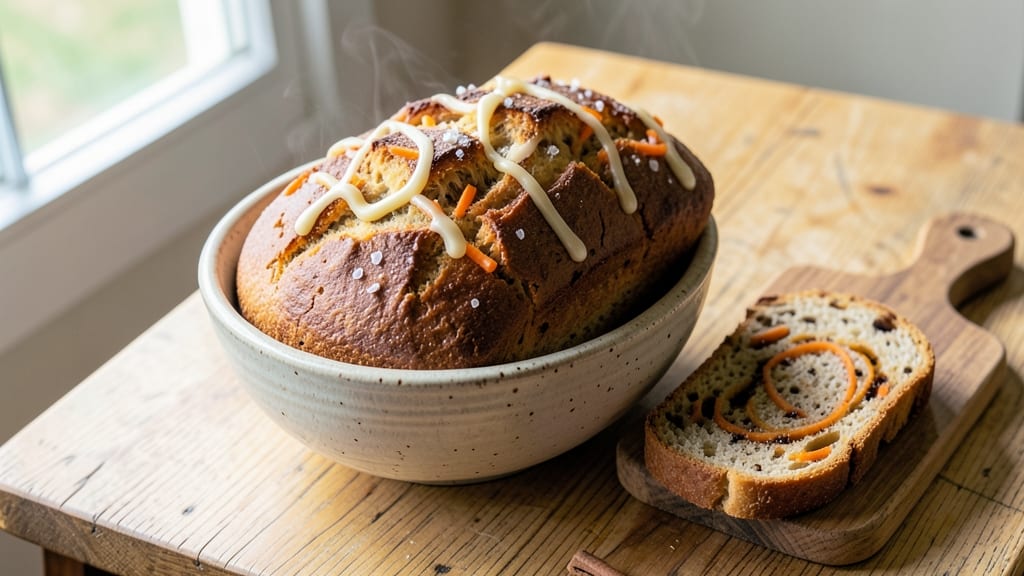
This canned carrot bread recipe transforms pantry staples into a moist, spiced loaf that rivals homemade versions using fresh carrots—no fancy ingredients required. 💛 The secret lies in blending canned carroots with warm spices and a precise yeast activation technique that ensures a tender crumb and perfect rise every time.
I developed this during a particularly busy week when fresh produce was scarce, and it became an instant family favorite.
What makes this recipe stand out is its ability to deliver a professional-quality result with minimal effort. The dough requires just 30 minutes of active prep time before rising, and the oven temperature is set to 350°F for even baking.
Unlike many quick breads, this version includes yeast for a lighter texture, while canned carrots add natural sweetness without drying out the crumb. The spices—cinnamon, nutmeg, and ginger—create warmth that pairs beautifully with coffee or tea.
By the time it emerges from the oven, you’ll have a golden-brown loaf with a moist, slightly sweet interior and a crisp crust that’s perfect for slicing. The aroma alone will fill your kitchen with comfort, and each slice delivers that ideal balance of spiced sweetness and tender crumb.
This recipe proves that pantry ingredients can create something truly special—no fresh produce required.
The best part? This loaf keeps well for 3-4 days at room temperature or can be frozen for up to 3 months, making it ideal for meal prep or gifting.
Serve it warm with butter or jam, or enjoy it cold as a snack. Here’s how to make it—step by step.
Ingredients for canned carrot bread
Pantry staples transform into a moist, spiced loaf with just 14 ingredients—no fresh carrots needed!
| Ingredient | Amount | Notes |
|---|---|---|
| All-Purpose Flour 🌾 | 3 ½ cups | Spooned and leveled for accuracy |
| Granulated Sugar 🍚 | 1 cup | White or light brown |
| Packed Brown Sugar 🍚 | ½ cup | Light or dark variety |
| Active Dry Yeast 🍞 | 2 ¼ tsp | Ensure it's fresh and active |
| Warm Water 💧 | 1 ¼ cups | 110°F for yeast activation |
| Unsalted Butter 🧈 | ½ cup | Melted and cooled slightly |
| Canned Carrots 🥕 | 1 cup | Drained and finely chopped |
| Large Eggs 🥚 | 2 whole | Room temperature preferred |
| Ground Cinnamon 🌿 | 1 ½ tsp | Freshly ground for best flavor |
| Ground Nutmeg 🌿 | ½ tsp | Freshly grated preferred |
| Ground Ginger 🌿 | 1 tsp | Freshly ground for warmth |
| Salt 🧂 | ½ tsp | Kosher or sea salt |
| Vanilla Extract 🍯 | 1 tsp | Pure vanilla preferred |
| Milk 🥛 | ½ cup | Any kind, room temperature |
The yeast is your secret weapon here. Bob’s Red Mill or King Arthur brands are my go-tos—they activate reliably every time. If your yeast isn’t fresh, test it first by dissolving a pinch in warm water with a pinch of sugar (should foam within 5 minutes). The carrots? Libby’s or Del Monte work perfectly—just chop them finely so they blend right into the batter. For the spices, Penzeys or the bulk bins at Whole Foods give you the freshest grind, but regular grocery store jars are fine for this recipe. The butter matters too—use Land O’Lakes or Plugrá for consistent results.
No canned carrots? Sweet potato puree works in a pinch (about ½ cup), but the texture will be slightly denser. Fresh carrots? Peel and grate them, then squeeze out excess moisture with a clean towel. Out of vanilla? Almond extract at half the amount gives a similar depth, though it has a distinct flavor. The milk can be any kind—dairy, almond, or even coconut—but room temperature helps with yeast activation. For extra moisture, add 1 tbsp applesauce to the batter if your kitchen’s dry. And if you’re worried about the bread being too sweet, reduce the sugar by 2 tbsp.
This loaf keeps beautifully—3-4 days at room temperature wrapped in foil, or 3 months frozen for easy breakfast toast. For the freshest slice, reheat wrapped in foil at 350°F for 5 minutes. I always bake two loaves and freeze one—perfect for lazy mornings. The aroma alone makes this worth the effort, and it’s even better the next day as the flavors meld. Store leftovers in an airtight container to keep that moist crumb intact.
Why You'll Love This Recipe
- I’ll be real: this recipe uses stuff you already have. Flour, sugar, yeast—no specialty ingredients, no last-minute grocery runs. The leftovers? They last days in the fridge, and you can freeze slices for quick toast later. Budget-friendly doesn’t get much better than that.
- No Chopping Needed: I’ll admit, I used to dread grating carrots—peeling, slicing, the mess. This recipe? Just open a can, drain, and dump. That’s it. The carrots blend right into the dough with the yeast and sugars, so you get that classic carrot cake texture without the prep.
- Sweet-Spiced Warmth: Honestly, the combo of brown sugar and granulated sugar with that pinch of cinnamon (if you add it) makes this bread ridiculously comforting. The yeast gives it a light, airy crumb, while the carrots add natural moisture—no dry, heavy loaf here. It’s the kind of bread that smells like home before it even bakes.
- Breakfast or Snack: Between us, this bread is my secret weapon for lazy mornings. Toast it with butter and jam for breakfast, or pack slices for lunch—it holds up perfectly. I’ve even served it at brunch with a drizzle of honey. (Yes, even on a Tuesday night.)
Step-by-step instructions for canned carrot bread
Here's how to transform simple pantry staples into a loaf bursting with moisture and spiced carrot goodness.
🍳 Step 1: Activate the Yeast for Perfect Rise
In a small bowl, combine the 1.25 cups warm water (about 110°F) with the 2.25 tsp active dry yeast. Let it sit for 5-7 minutes until it becomes frothy and bubbly—this confirms your yeast is alive and ready to work. If it doesn't bubble, your bread won't rise properly.
Here's the thing—yeast loves warmth but hates heat. Too hot and it dies instantly; too cold and it stays dormant. 110°F is the sweet spot. While waiting, melt the 0.5 cup unsalted butter in a microwave-safe bowl for 20-30 seconds, then let it cool slightly until it's warm to the touch. This prevents killing the yeast when you mix everything together later.
👨🍳 Step 2: Mix Wet Ingredients for Maximum Moisture
In a large mixing bowl, whisk together the 1 cup granulated sugar, 0.5 cup packed brown sugar, 2 whole large eggs, 1 tsp vanilla extract, 0.5 cup milk, and the cooled melted butter. Mix until completely smooth—this is your flavor base. The brown sugar adds moisture while keeping the bread tender, and the eggs bind everything together beautifully.
Now add the drained and finely chopped 1 cup canned carrots (they should be about ¼-inch pieces). Stir them in gently—you want them distributed evenly but not mashed. Here's a pro tip: If you're using whole canned carrots, grate them first for even distribution and better texture. The carrots will add natural sweetness and keep your bread incredibly moist.
🥘 Step 3: Combine Dry Ingredients for Light Texture
In a separate bowl, whisk together the 3.5 cups all-purpose flour, 1.5 tsp ground cinnamon, 0.5 tsp ground nutmeg, 1 tsp ground ginger, and 0.5 tsp salt. Sift the mixture directly into your wet ingredients bowl—this prevents lumps and ensures even distribution of spices. The spices create that warm, comforting aroma that makes this bread so special.
Make a well in the center of the dry ingredients and pour in the yeast mixture. Using a wooden spoon or rubber spatula, gently mix everything together until just combined. Don't overmix—you're looking for a shaggy dough that comes together but still has some dry spots. This prevents developing too much gluten, which keeps your bread tender rather than chewy.
🔥 Step 4: Knead and Shape for Perfect Crumb
Turn the dough onto a lightly floured surface and knead for 5-7 minutes until smooth and elastic. You'll know it's ready when it springs back slowly when poked. Here's where the magic happens: the kneading develops gluten strands that trap moisture and create that perfect crumb structure we're after for that moist texture.
Shape the dough into a loaf and place it in a greased 9x5-inch loaf pan. Cover with a clean kitchen towel and let it rise in a warm place for 1-1.5 hours, or until it's puffed about 1 inch above the pan. I like to place my oven light on (with the oven off) to create a warm, consistent environment. The dough should feel light and springy when you press it gently.
⏰ Step 5: Bake to Golden Perfection
Preheat your oven to 350°F while the dough rises. Once it's puffed and ready, bake the bread for 50-55 minutes until the top is deep golden brown and a toothpick inserted in the center comes out clean. The bread should have a beautiful crackly top with a soft, moist interior—this is where all our work pays off.
Here's the crucial part: don't open the oven during baking. The steam inside is what creates that moist crumb. When you're ready to check doneness, tap the top—it should sound hollow. Let the bread cool in the pan for 10 minutes, then transfer to a wire rack. This resting period allows the moisture to redistribute, ensuring every slice is perfectly tender.
Pro Tips For Making Canned Carrot Bread
- Test the Yeast First: Skip this, and you’re gambling with a flat loaf. Mix the yeast with ¼ cup warm water and 1 tsp sugar—if it doesn’t bubble within 5 minutes, toss it and start fresh. I learned this the hard way after baking three dense, sad loaves from expired yeast.
- Drain and Pat Dry: That jar of canned carrots has syrup, and syrup = gummy bread. Drain them well, then pat them dry with a paper towel before chopping. Wet carrots release moisture that throws off your flour-to-liquid ratio, and nobody wants a sticky dough fight.
- Let the Dough Rise Twice: One rise is polite; two rises are professional. After the first rise (usually 1–1.5 hours), punch it down and let it rise again for another 30–45 minutes. This develops gluten and flavor—my lazy shortcut used to leave the bread dense and bland.
- Brush with Water Before Baking: Swipe a pastry brush over the shaped loaf with water right before baking. The steam creates a crisp, golden crust instead of a dry, crackly top. Sounds weird, but it works—my grandmother swore by it, and I finally believed her.
Regional styles of this canned carrot bread
Southern Comfort Style
In the American South, carrot bread often takes on a richer, sweeter profile with a touch of molasses or corn syrup. I like to add 2 tbsp molasses to the wet ingredients for deeper flavor, along with an extra ½ tsp cinnamon.
The result? A bread with a molasses-like richness that pairs perfectly with buttermilk biscuits or sweet tea. Serve warm with a pat of Land O’Lakes butter and a drizzle of honey for the ultimate Southern breakfast. 🍯
Midwest Homestyle Twist
The Midwest version leans into hearty, comforting flavors with a slightly denser crumb. Swap ½ cup of the all-purpose flour for whole wheat flour and add ½ cup chopped walnuts or pecans for texture. The nuts add a satisfying crunch that balances the moist crumb.
Top with a simple cream cheese glaze (mix 4 oz softened cream cheese with 2 tbsp powdered sugar and 1 tsp vanilla) after baking for a restaurant-worthy finish.
British Pantry Bread
Across the pond, carrot bread often includes a splash of orange juice or zest to brighten the flavor profile. Replace ¼ cup of the milk with orange juice and add 1 tbsp grated orange zest to the dough.
The citrus notes elevate the spices, creating a bread that’s almost cake-like in its tenderness. Brits often enjoy it with clotted cream or jam—perfect for afternoon tea. 🍹
Scandinavian Cardamom Variation
For a Nordic-inspired twist, replace the ginger with 1 tsp ground cardamom and add ½ tsp allspice to the spice mix. The cardamom lends an earthy, floral note that pairs beautifully with the warm cinnamon and nutmeg.
Scandinavians often enjoy this bread with lingonberry jam or a dollop of whipped cream. The result is a fragrant, slightly exotic loaf that’s perfect for holiday baking.
German Spiced Loaf
In Germany, carrot bread often includes 1 tbsp ground coriander and ½ tsp cloves for a warm, aromatic depth. The spices create a bread with a complex, almost chai-like flavor. Serve slices with apple compote or a smear of Dutch-processed cocoa butter for a decadent treat.
This version is especially popular during Christmas markets, where it’s often baked in a pullman pan for a rustic look.
Modern Gluten-Free Adaptation
For those avoiding gluten, swap the all-purpose flour with a 1:1 gluten-free baking blend (like King Arthur Measure for Measure) and add ½ cup ground almond flour for moisture. Use xanthan gum if your blend doesn’t include it.
The texture will be slightly denser but still moist and flavorful. Top with chopped pecans before baking for added crunch and nutrition. 🌾
Nutrition facts
Frequently asked questions
Why does this recipe use canned carrots instead of fresh?
Canned carrots work perfectly because they're pre-cooked and retain moisture, creating a tender crumb without drying out the bread. They're also convenient—no chopping or peeling required! The recipe was designed specifically to use pantry staples, making it ideal for busy weeks when fresh produce isn't available.
Can I make this bread without yeast for a quicker version?
Yes! For a quick bread version, replace the yeast with 2 tsp baking powder and 1 tsp baking soda. Skip the rising time and bake at 350°F for 40-45 minutes instead. The texture will be denser but still moist and delicious. This works best if you're short on time or want a no-knead option.
How do I store leftovers to keep them moist?
Wrap cooled slices tightly in plastic wrap or aluminum foil, then place in an airtight container. Store at room temperature for up to 3 days or freeze for 3 months. For reheating, wrap a slice in foil and warm at 350°F for 5 minutes—this restores the soft texture perfectly.
What's the best way to tell when the bread is fully baked?
Look for three signs: the top should be deep golden brown, a toothpick inserted in the center should come out clean, and tapping the loaf should sound hollow. The bread will continue cooking slightly after removal, so pull it out when it's just barely done to avoid overbaking.
Can I substitute the canned carrots with something else?
Try ½ cup sweet potato puree or 1 cup grated fresh carrots (drained well). For extra moisture, add 1 tbsp applesauce if using fresh carrots. The texture may vary slightly, but the flavor will remain rich and spiced. Sweet potatoes add a deeper color and slightly denser texture.