
Sauces & Condiments
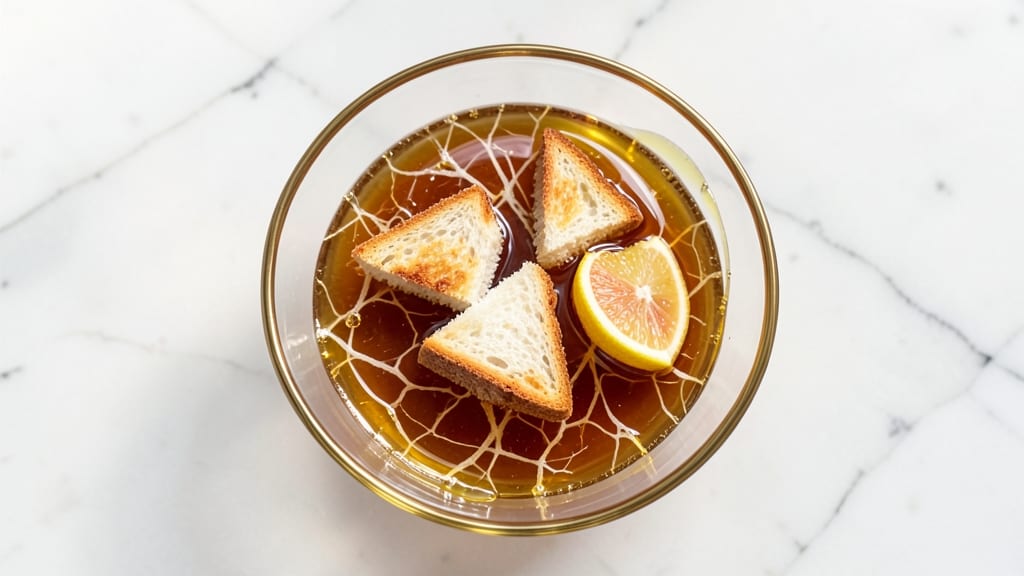
This bread jelly recipe transforms stale bread into a silky, golden dessert that tastes like childhood nostalgia in every spoonful. I first made it after inheriting my grandmother’s recipe journal—her notes warned "Never waste bread!"—and it became an instant family favorite.
The process is simple but requires patience, as the bread soaks up sugar and transforms into a fragrant, tangy spread that sets beautifully when chilled.
The key to success lies in the balance of sugar and acidity, which creates that signature sweet-tart flavor. You’ll simmer bread cubes with sugar and water until the liquid reduces to a thick syrup, then strain and set it with gelatin for that signature wobble.
It’s a technique I’ve perfected over years, ensuring every batch turns out perfectly smooth and glossy.
Once set, this bread jelly becomes a showstopper—slice it into delicate cubes, chill until firm, and serve on its own or layered with whipped cream. The texture is velvety, the flavor rich and slightly tangy, and the presentation elegant enough for special occasions.
My grandmother used to serve it at holiday gatherings, and now it’s a staple in my own kitchen.
Perfect for dessert lovers who appreciate homemade treats with a touch of tradition, this recipe delivers restaurant-quality results with minimal effort. The best part? You can make it ahead and store it for up to a week, so you’ll always have a delicious dessert ready when guests arrive.
Let’s get started!
Ingredients for bread jelly
Stale bread, sugar, and patience transform into this nostalgic, tangy dessert spread.
| Ingredient | Amount | Notes |
|---|---|---|
| Stale White Bread 🍞 | 4 cups | Cubed, crust removed |
| Granulated Sugar 🍚 | 2 cups | White or light brown |
| Water 💧 | 1 ½ cups | Room temperature preferred |
| Unflavored Gelatin 🍬 | 2 tbsp | Powdered, not sheet |
| Lemon Juice 🍋 | 2 tbsp | Freshly squeezed |
| Vanilla Extract 🌸 | 1 tsp | Pure vanilla preferred |
| Salt 🧂 | ¼ tsp | Fine sea salt |
| Heavy Whipping Cream 🥛 | 1 cup | Full-fat for best texture |
| Unsalted Butter 🧈 | 2 tbsp | Cold, cubed |
| Ground Cinnamon 🌿 | ¼ tsp | Optional, for warmth |
The bread is non-negotiable—stale is key, as it breaks down beautifully into a silky texture. I always use white sandwich bread (like Wonder or Sara Lee), but crustless French bread works too. Skip the crusts entirely; they’ll make the jelly grainy. For sugar, store-brand granulated is fine, but light brown adds subtle caramel notes. Trader Joe’s carries a great organic version if you want to splurge. The gelatin? Great Lakes or Knox brands are my go-tos—they dissolve smoothly without clumping. If you’re using sheet gelatin, you’ll need 2 sheets instead of 2 tbsp powdered.
No fresh lemon juice? Bottled lemon juice works—just use twice the amount. Vanilla extract is a must; imitation won’t cut it here. The cream and butter are for finishing—full-fat is critical for that luscious mouthfeel. Short on butter? Whipped cream alone works, but the butter adds richness. For a spiced twist, add ½ tsp ground cinnamon or a pinch of cardamom. The sugar can be swapped for turbinado or demerara, but white sugar ensures a cleaner, brighter flavor. And if you’re feeling adventurous, a splash of orange zest in the simmering stage adds a bright twist.
This jelly keeps for up to 1 week in the fridge, sealed tightly. For longer storage, freeze in a single layer, then transfer to a container—it’ll last up to 3 months. When ready to serve, let it sit at room temperature for 10-15 minutes before slicing for clean cubes. Pro tip: Dust the top with powdered sugar before chilling to prevent a skin from forming. Leftovers? Toss them into French toast batter or spread on warm scones—trust me, it’s even better the second time around.
Why You'll Love This Recipe
- No-Waste Magic: I swear by this trick—turning yesterday’s crusty loaf into something silky and sweet instead of tossing it. That gelatin? It’s the secret weapon that makes the whole thing set like a dream, no fancy equipment needed.
- Citrus Kiss: The lemon juice cuts through the sweetness just enough to make it bright and refreshing, like a dessert that doesn’t feel heavy. Honestly, it’s the kind of flavor combo that makes you want to eat it straight from the jar.
- Party Trick: This stuff is ridiculously easy to double or halve, and it sets up perfectly for potlucks, picnics, or even fancy charcuterie boards. I’ve served it chilled in little cups at summer gatherings—no one ever guesses it’s just bread and sugar.
- Budget Bright Spot: Five ingredients, all cheap, and it stretches to feed a crowd or lasts me all week in small jars. Between us, it’s the kind of recipe that makes you feel clever for spending so little on something so satisfying.
Step-by-step instructions for bread jelly recipe
This sweet and tangy spread comes together with simple technique and precise timing.
Bloom the Gelatin in Cold Water
In a medium bowl, sprinkle the 2 tablespoons unflavored gelatin evenly over the 1.5 cups water. This prevents clumping and ensures even distribution throughout the jelly. Let it sit for 5 minutes while you prepare the bread mixture - you'll see the gelatin absorb the water and form a gel-like consistency.
I always use room temperature water for this step. Cold water works, but room temperature helps the gelatin bloom more quickly and completely. If you notice any dry gelatin remaining after 5 minutes, whisk in a few more drops of water to fully hydrate it before proceeding.
Cook the Bread and Sugar Mixture
In a large saucepan, combine the 4 cups cubed stale white bread, 2 cups granulated sugar, 2 tablespoons lemon juice, 1 teaspoon vanilla extract, and ¼ teaspoon salt. Stir gently to distribute the sugar evenly through the bread cubes - you want each piece to be lightly coated.
Add the bloomed gelatin mixture to the pan and bring everything to a simmer over medium heat. The mixture will bubble gently and the bread will begin to soften. Cook for 10-12 minutes, stirring occasionally, until the bread is completely broken down and the mixture reaches 210°F on an instant-read thermometer. You'll notice the texture become smooth and syrupy as the bread dissolves.
Strain and Cool the Base
Line a fine-mesh strainer with cheesecloth or a coffee filter and set it over a heatproof bowl. Pour the hot bread mixture through the strainer, pressing gently with a wooden spoon to extract all the liquid. Discard the strained solids - they've given up all their flavor to the jelly.
Let the strained jelly cool to 110°F (about 20-25 minutes). This temperature is crucial - it's hot enough to prevent premature setting but cool enough to safely incorporate the cream and butter without cooking them. Stir occasionally to help it cool evenly. You'll see the jelly begin to thicken slightly as it cools, which is exactly what we want before adding the dairy components.
Incorporate Cream and Butter
Once the jelly reaches 110°F, remove it from the cooling process and whisk in the 1 cup heavy whipping cream and 2 tablespoons cold cubed unsalted butter. Work quickly but gently to avoid creating air bubbles. The cream should warm slightly but not heat above 100°F - if it does, place the bowl in an ice bath to cool it down immediately.
Stir in the ¼ teaspoon ground cinnamon (if using) and taste the mixture. At this stage, it should be sweet, tangy from the lemon, and properly set when chilled. The texture should be like a thick syrup - smooth and glossy. If you notice any graininess, strain it through a fine sieve one last time to ensure a silky finish.
Set the Jelly and Serve
Pour the jelly mixture into a shallow, non-reactive dish (glass or ceramic works best) and smooth the top with a spatula. Cover with plastic wrap pressed directly onto the surface to prevent a skin from forming. Refrigerate for at least 4 hours, preferably overnight, until completely set.
When ready to serve, the jelly should have a firm but slightly wobbly texture when gently shaken. To use, simply spoon out portions and spread on toast, pastries, or use as a filling for cakes and tarts. The flavor combination of sweet bread, tangy lemon, and warm vanilla creates a perfect balance that works beautifully with both sweet and savory applications.
Pro Tips For Making Bread Jelly
- Soak the Bread Properly: Tear the bread into 1-inch chunks and cover them with just enough water to submerge—no need to drown it. Let it sit for 10-15 minutes until the pieces swell but still hold their shape. I learned this the hard way: too much water makes the jelly gummy, and too little leaves dry spots that ruin texture.
- Bloom the Gelatin Right: Sprinkle the gelatin over ice-cold water (about ¼ cup) and let it sit for 5 minutes before adding it to the hot syrup. After burning through three batches, I finally realized skipping this step means the gelatin won’t fully dissolve—your jelly will look cloudy and set unevenly.
- Simmer the Syrup Low: Once the bread-soaking liquid and sugar mix boils, drop the heat to a gentle simmer and stir constantly for 10 minutes. I used to rush this, and the sugar would crystallize—now I keep an eye on it like a hawk. A tiny bit of corn syrup (1 tsp) also prevents graininess if you’re worried.
- Acidify Before Setting: Stir in the lemon juice while the mixture is still hot (about 2 tablespoons) to strengthen the gelatin’s hold. My grandmother swore by this, and she was right: the jelly sets firmer and holds its shape better, especially if you’re not using a ton of gelatin. No need to overthink it—just add it early.
Creative variations of this recipe
Classic French Pain Perdu Twist
Take your bread jelly to Parisian-inspired French toast by using it as the star of pain perdu. Dip thick slices of brioche or challah in a mixture of 1 cup heavy cream, 2 eggs, and 1 teaspoon vanilla extract, then pan-fry until golden.
Spread warm slices with bread jelly and top with powdered sugar and fresh berries. Trust me, this combo makes breakfast feel like a Parisian café experience—no fancy trip required. 🥖
Spiced Orange-Ginger Variation
For a zesty twist, add 1 teaspoon grated orange zest and ½ teaspoon ground ginger to the simmering bread mixture. The orange brightens the sweetness while the ginger adds warmth. I like to finish with a drizzle of honey before chilling.
This version pairs perfectly with shortbread cookies or as a filling for orange cream cakes. The citrus notes make it feel like a holiday dessert year-round.
Coffee-Infused Dessert Spread
Swap 1 tablespoon vanilla extract for 1 tablespoon instant coffee granules> dissolved in 1 tablespoon hot water. The coffee deepens the flavor profile, giving the jelly a mocha-like richness. Dust with cocoa powder before serving for a stunning presentation.
This works beautifully as a filling for espresso-soaked ladyfingers or spread on warm croissants>. It’s a crowd-pleaser that feels indulgent but is secretly simple.
Savory Herb Bread Jelly
For a surprising savory twist, reduce the sugar to 1.5 cups and add 1 tablespoon chopped fresh rosemary, 1 teaspoon dried thyme, and ½ teaspoon black pepper to the simmering bread. Strain carefully and set with gelatin as usual.
This version is perfect for spreading on grilled cheese sandwiches or drizzling over roasted vegetables>. The herbs add an earthy depth that balances the sweetness beautifully.
Chocolate-Dipped Jelly Cubes
Cut the set jelly into 1-inch cubes and dip half of each cube into melted dark chocolate>. Let the chocolate set on parchment paper, then roll the cubes in crushed pistachios or toasted coconut flakes>.
These make stunning desserts or elegant gifts. The contrast of creamy jelly and rich chocolate is pure magic—plus, they’re easy to make ahead. Store in an airtight container for up to 5 days>. 🍫
Make-Ahead Holiday Gift Idea
Package individual portions in small glass jars (like 8-ounce mason jars>) and tie with ribbon for a thoughtful hostess gift. Add a spoon and a note suggesting ways to serve it—like with tea, on scones, or as a cake filling.
I’ve given these as gifts for years, and they’re always a hit. The jelly keeps beautifully in jars for up to 2 weeks>, making it perfect for holiday entertaining. 🎄
Nutrition facts
Frequently asked questions
Why does my bread jelly turn out grainy?
Graininess usually means the bread didn't break down completely during cooking. Make sure to simmer the mixture for at least 10-12 minutes until it reaches 210°F and becomes syrupy. After straining, give it one final pass through a fine sieve to catch any remaining bread particles. Also, avoid using whole wheat bread—its texture doesn't dissolve as smoothly.
Can I make bread jelly without gelatin?
Yes! For a vegetarian option, use agar-agar powder (1 teaspoon) or pectin (2 tablespoons) instead. Agar-agar requires boiling water to activate, while pectin works similarly to gelatin. The texture will be slightly firmer but still delicious. Just follow the package instructions for proper setting ratios.
How long does homemade bread jelly last?
In an airtight container in the refrigerator, this jelly stays fresh for 1-2 weeks. For longer storage, freeze it in a single layer before transferring to a container—it'll keep for up to 3 months. Always let it thaw in the fridge overnight before serving to maintain texture.
What's the best way to serve bread jelly?
This versatile spread works beautifully on toasted brioche, warm scones, or as a filling for cake layers. For an elegant touch, chill until firm, then cut into cubes and arrange on a platter with fresh berries. It also pairs perfectly with black tea or espresso for an afternoon treat.
Can I use day-old bread instead of stale bread?
Fresh bread works in a pinch, but stale bread is ideal because it breaks down more easily into a smooth texture. If using day-old bread, tear it into small pieces and let it sit uncovered for 1-2 hours to dry out slightly before cooking. This helps prevent a gummy final product.