
Side Dishes
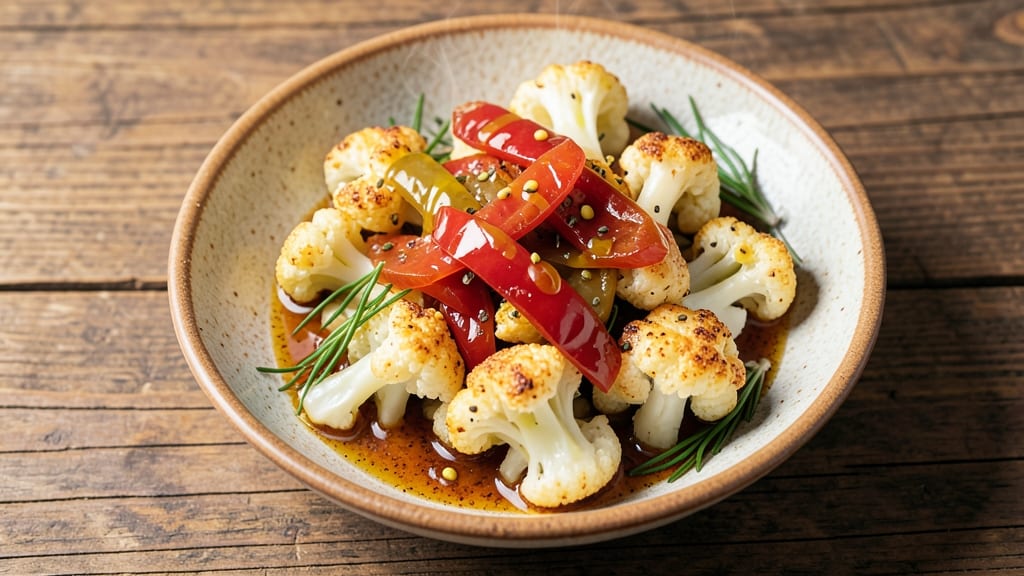
This bread and butter pickles with cauliflower recipe reimagines a classic side dish with a crisp, low-carb twist that delivers all the tangy-sweet crunch without the cucumbers. The secret lies in thinly sliced cauliflower florets, brined just long enough to develop that signature bite while preserving their structure—no mushiness here.
I perfected this version after years of experimenting with low-carb alternatives, and the texture is surprisingly similar to traditional pickles, though with a slightly nuttier depth from the cauliflower itself.
The bread-and-butter sauce remains the star, where vinegar, sugar, and spices create that perfect balance of sweet, tangy, and slightly spicy.
What sets this apart is the pickling process: a precise 15-minute brine using apple cider vinegar and a touch of salt, followed by a 30-minute oven bake at 400°F to achieve that satisfying crunch. The result?
Pickles that stay crisp for days, perfect for sandwiches, charcuterie boards, or even as a topping for burgers and hot dogs.
By the time you’re done, you’ll have a crunchy, vibrant side dish that looks as impressive as it tastes—golden edges on the cauliflower, glossy from the sauce, and cut into bite-sized pieces that disappear faster than you can say "low-carb."
The flavor profile stays true to the classic while offering a satisfying texture that even pickles purists will love. This is comfort food reinvented for modern dietary needs.
Pair these pickles with grilled chicken, a charcuterie spread, or even as a topping for tacos to elevate any meal. The recipe scales easily, so you can make a big batch and enjoy them all week. Let’s get started—your taste buds (and carb count) will thank you.
Ingredients for bread and butter pickles with cauliflower
Low-carb crunch meets classic tang—just 13 ingredients transform cauliflower into addictive pickles.
| Ingredient | Amount | Notes |
|---|---|---|
| Fresh Cauliflower 🥬 | 1 lb | Cut into 1/4-inch florets |
| Apple Cider Vinegar 🍏 | 1 cup | Raw, unfiltered preferred |
| Granulated Sugar 🍚 | ½ cup | White or raw cane |
| Diamond Crystal Kosher Salt 🧂 | 1 ½ tbsp | For precise brining |
| Yellow Mustard Seeds 🌿 | 1 tbsp | Whole, not ground |
| Celery Seeds 🥬 | 1 tsp | Ground for flavor |
| Ground Turmeric 🌶️ | ½ tsp | For golden hue |
| Ground Black Pepper 🌶️ | ½ tsp | Freshly cracked |
| Extra-Virgin Olive Oil 🫒 | 1 tbsp | Light drizzle for crisping |
| Fresh Dill Weeds 🌿 | 2 tbsp | Chopped, for freshness |
| Garlic Cloves 🧄 | 2 cloves | Minced, for depth |
| Red Bell Pepper 🌶️ | ¼ cup | Diced, for color |
| Unsalted Butter 🧈 | 2 tbsp | Cold, cubed |
The cauliflower is non-negotiable here—fresh, firm heads from Trader Joe's or Whole Foods give the best texture. Skip the pre-riced kind; you want tight florets that hold their shape. For the vinegar, Bragg's raw apple cider vinegar adds subtle sweetness, but any raw vinegar works. The sugar can be swapped for erythritol or monk fruit sweetener for zero-carb, though the texture will differ slightly. Mustard seeds and celery seeds are the secret to that classic pickle bite—Penzeys or bulk bins are best for quality.
No fresh dill? Dried dill at one-third the amount works, but you’ll miss the bright aroma. Running low on turmeric? Paprika plus a pinch of saffron mimics the golden color. The red bell pepper adds crunch and color—roasted first deepens the flavor, but raw works too. For a smokier profile, swap half the olive oil for smoked paprika mixed with water. The butter is key for crisping; European-style butter like Plugrá melts beautifully. If you’re strict keto, use ghee instead—same crisp, no carbs.
Store these in an airtight container with a paper towel layer to absorb moisture—keeps them crisp for 5-7 days in the fridge. For longer storage, freeze in a single layer before transferring to a bag—3 months of crunchy goodness. Reheat at 350°F for 10 minutes if they soften. These pickles double as a snack, so make a big batch. The flavor only gets better as they sit!
Why You'll Love This Recipe
- No Chopping Chaos: I swear, this recipe only asks for one knife job—cutting the cauliflower into florets—and that’s it. The vinegar and sugar do all the heavy lifting while you sip your coffee.
- Tangy Crunch Magic: That sweet-tart apple cider vinegar kiss with the mustard seeds? It’s like biting into a classic bread-and-butter pickle, but with cauliflower’s satisfying crunch. Honestly, my picky eaters don’t even flinch.
- Snack Attack Ready: Store it in the fridge for up to a week, and you’ve got a grab-and-go snack for lunchboxes, game days, or when you’re too tired to cook. (Yes, even on a Tuesday night.)
- Budget-Friendly Crunch: Cauliflower stretches further than you’d think, and the pantry staples won’t break the bank. I’ve made three batches with the same jar of vinegar—talk about smart spending.
Step-by-step instructions for bread and butter pickles with cauliflower
Here's how to transform classic flavors into a crispy, low-carb masterpiece using cauliflower.
Prepare and Blanch the Cauliflower Florets
Cut the 1 lb fresh cauliflower into ¼-inch florets, ensuring even-sized pieces for consistent cooking. This size creates maximum surface area for crisping while maintaining texture. Transfer the florets to a large bowl and toss them gently with the 1 tbsp extra-virgin olive oil and 1.5 tbsp diamond crystal kosher salt—this initial seasoning enhances flavor development.
Bring a large pot of water to a rolling boil and prepare an ice bath in a separate bowl. Add the cauliflower florets to the boiling water and blanch for exactly 2 minutes. This brief cooking preserves color and texture while softening the florets slightly. Immediately drain and transfer them to the ice bath for 1 minute to halt cooking and maintain crispness. Drain well in a colander and set aside.
Create the Spiced Vinegar Brine
In a medium saucepan, combine the 1 cup apple cider vinegar, 0.5 cup granulated sugar, 1 tbsp yellow mustard seeds, 1 tsp celery seeds, 0.5 tsp ground turmeric, and 0.5 tsp ground black pepper. Bring the mixture to a gentle simmer over medium heat, stirring until the sugar fully dissolves. Here's the thing—this is where the magic happens: the turmeric gives a golden hue while the mustard and celery seeds provide that classic tangy crunch.
Simmer for 3-4 minutes until slightly reduced and fragrant. Remove from heat and let the brine cool completely to room temperature. This cooling step prevents the cauliflower from steaming when submerged later. While the brine cools, mince the 2 cloves garlic cloves and dice the 0.25 cup red bell pepper into small pieces—these will add fresh depth to the finished pickles.
Assemble and Cure the Pickles
In a large glass jar or airtight container, combine the blanched cauliflower florets with the cooled spiced vinegar brine. Add the minced garlic cloves, diced red bell pepper, and chopped 2 tbsp fresh dill weeds. Gently stir to ensure all florets are coated with the flavorful liquid. The cauliflower should be completely submerged—if not, add a splash more vinegar from the original 1 cup.
Cover the jar and refrigerate for at least 4 hours, but ideally overnight. This curing process allows the flavors to meld and the cauliflower to develop that signature tangy crunch. Real talk: the longer it sits, the more intense the flavor becomes. After 4 hours, taste a floret—you'll notice the subtle sweetness from the sugar, the peppery heat, and the fresh dill aroma.
Finish with Butter for Richness
Before serving, remove the cauliflower pickles from the jar and drain them well, reserving the brine. In a small saucepan, melt the 2 tbsp unsalted butter over low heat until just softened but not browned. Here's where it gets fun—toss the drained cauliflower florets with the melted butter until each piece is lightly coated. The butter adds a luxurious richness that balances the tangy vinegar.
Return the pickles to the jar with the reserved brine and let them sit for 10 minutes before serving. This final step ensures the butter melts slightly into the warm florets, creating that perfect bread-and-butter texture. Serve chilled as a side dish, on sandwiches, or straight from the jar with crackers—you'll love how this low-carb twist delivers all the classic comfort of traditional pickles.
Pro Tips For Making Bread And Butter Pickles With Cauliflower
- Cut Cauliflower Small: Think rice-sized florets, not golf-ball chunks. I used to leave them too big, and they’d stay crunchy in the middle while the edges turned mushy—now I trim the core, break it into quarters, and cut each piece into ¼-inch bits. The smaller the floret, the faster and more evenly they’ll pickle.
- Boil Vinegar First: Heat the apple cider vinegar alone until it’s just about to simmer—no bubbles yet—before adding sugar and salt. I learned this the hard way: dumping everything in cold makes the sugar clump like concrete, and you’re left scraping it off the bottom later. A quick 2-minute warm-up keeps the brine smooth.
- Salt the Cauliflower: Toss the raw florets with ½ teaspoon of kosher salt before they hit the vinegar. Sounds weird, but it works: the salt draws out moisture, so the cauliflower absorbs the brine better and stays crispier longer. Rinse after pickling if you’re worried about saltiness—it’s worth it.
- Skip the Mustard Seeds: If you’re lazy (or impatient like me), leave out the mustard seeds—they’re mostly for looks. But if you’re feeling fancy, toast them in a dry pan for 30 seconds first. The nutty aroma cuts through the vinegar’s sharpness, and they’ll infuse the brine like a subtle spice bomb. Your call.
Regional styles of this recipe
Southern Comfort Twist
In the South, pickles are a staple—especially the tangy, sweet bread-and-butter variety. This cauliflower version keeps that soulful flavor while cutting carbs. I grew up with classic cucumber pickles on sandwiches, but swapping in cauliflower adds a subtle nuttiness that deepens the profile.
The key is the turmeric and mustard seeds, which mimic the Southern tradition of golden, spiced pickles. Serve these alongside pulled pork sandwiches or fried chicken for a nostalgic yet modern touch. 🌶️
Midwest Crunchy Classic
The Midwest loves its crispy, vinegary pickles—think of them as the perfect topping for burgers or hot dogs. This cauliflower version delivers that same satisfying crunch, but with a low-carb advantage. I often double the batch and freeze half for summer cookouts.
The celery seeds and black pepper give that classic Midwest tang, while the cauliflower holds up beautifully when reheated. Perfect for game day or backyard BBQs. ⚡
California-Inspired Freshness
West Coast cooks love bright, fresh flavors, and this cauliflower pickle fits right in. Swap the red bell pepper for jalapeño slices and add a pinch of cayenne for heat. The result is a zesty, slightly spicy pickle that pairs beautifully with grilled fish or avocado salads.
I also like adding fresh cilantro instead of dill for a West Coast twist. Serve chilled with a sprinkle of flaky salt for extra freshness. 🌿
German-Inspired Sauerkraut Fusion
For a bold European twist, blend the flavors of sauerkraut and bread-and-butter pickles. After pickling the cauliflower, mix in ¼ cup finely chopped sauerkraut and a splash of beer vinegar instead of apple cider.
The tangy, fermented notes complement the cauliflower’s crunch perfectly. This version is a hit with hearty dishes like bratwurst or pretzel bites. The turmeric gives it that golden hue reminiscent of German mustard. 💛
Italian-Inspired Sun-Dried Tomato Blend
Add Mediterranean flair by tossing the pickled cauliflower with 2 tbsp chopped sun-dried tomatoes and a drizzle of balsamic glaze before serving. The sweetness of the tomatoes balances the vinegar, while the balsamic adds depth.
This version works beautifully with grilled vegetables or as a topping for bruschetta. The cauliflower’s texture holds up well, making it a unique yet satisfying side. 🍅
Global Spice Market Adaptation
For a fusion twist, experiment with global spices. Swap the celery seeds for 1 tsp ground coriander and ½ tsp cinnamon for a Middle Eastern-inspired flavor. The cauliflower absorbs these spices beautifully, creating a warm, aromatic pickle.
Pair with lamb kebabs or flatbread for a bold, unexpected flavor profile. The turmeric remains the star for color, while the spices add complexity. 🌍
Nutrition facts
Frequently asked questions
Can I use pre-cut cauliflower florets for this recipe?
Pre-cut florets work in a pinch, but fresh whole cauliflower gives the best texture. The key is ¼-inch thick slices with tight florets—pre-cut versions often have uneven sizes that cook inconsistently. If using pre-cut, sort them by size and trim any loose stems before blanching.
How do I get these pickles extra crispy?
For maximum crunch, extend the baking time to 35-40 minutes at 400°F after draining, tossing with extra 1 tbsp olive oil halfway through. Line your baking sheet with parchment paper and bake in a single layer. The butter finish also helps lock in crispness—just don't overcook or they'll turn rubbery.
What's the best way to store leftover cauliflower pickles?
Keep them in an airtight container with a paper towel layer to absorb moisture. They'll stay crisp for 5-7 days in the fridge. For longer storage, freeze in a single layer before transferring to a bag—they'll keep for 3 months. Reheat at 350°F for 10 minutes if they soften.
Can I make this recipe without sugar?
Yes! Swap the ½ cup sugar for ¼ cup erythritol or monk fruit sweetener. The texture will be slightly less tender, but the tangy flavor remains. For extra sweetness, add 1 tbsp honey or maple syrup to the brine. The mustard seeds and celery seeds will still provide that classic pickle bite.
Why did my cauliflower turn out mushy?
Over-blanching or skipping the ice bath are the most common causes. Stick to exactly 2 minutes of blanching, then shock immediately in ice water. Also ensure your florets are ¼-inch thick—thicker pieces need longer cooking. If using pre-cut florets, they may already be too soft. For extra firmness, add ½ tsp cream of tartar to the brine.