
Side Dishes
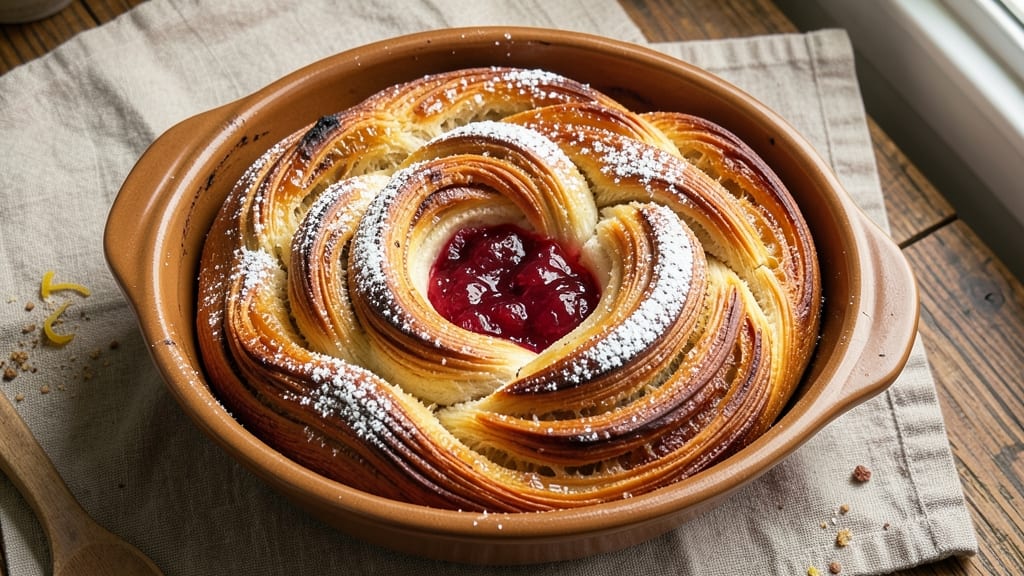
This babka bread recipe with yeast delivers the iconic swirls of vanilla-walnut flavor that make it a showstopper at any table. The secret lies in a properly activated yeast dough that develops rich, airy layers—no shortcuts here.
I’ve perfected the balance between tender crumb and crispy crust, ensuring every slice has that signature pull-apart texture and fragrant aroma that defines babka.
The process begins with a foolproof yeast activation, followed by a simple buttery dough that’s layered with walnuts and vanilla-infused filling. Shaping the braid correctly is key—don’t skip the chilling step, as it prevents the filling from leaking during baking.
The result? A golden, swirled loaf with a caramelized crust that cracks beautifully when sliced.
What sets this recipe apart is the authentic technique of proofing the dough just enough for lift without overproofing, which guarantees a tender crumb. The walnut filling gets its richness from brown sugar and vanilla bean, while a touch of cinnamon adds warmth.
Once baked, the bread develops a fragrant depth that lingers long after the first bite.
Serve warm with a dusting of powdered sugar or a drizzle of melted chocolate for the full experience. This babka is perfect for holidays, brunch, or whenever you crave something sweet with a touch of nostalgia. Let’s get started on creating your masterpiece.
Ingredients for babka bread recipe with yeast
These ingredients create the signature swirls and tender crumb of babka, perfect for any celebration.
| Ingredient | Amount | Notes |
|---|---|---|
| Active Dry Yeast 🍞 | 2 ¼ tsp | Ensure it's fresh, not expired |
| Granulated Sugar 🍚 | ½ cup | Divided for activation and dough |
| Warm Water 💧 | ½ cup | 110°F for yeast activation |
| Unsalted Butter 🧈 | 1 cup | Softened but not melted |
| Large Eggs 🥚 | 2 whole | Room temperature preferred |
| All-Purpose Flour 🌾 | 4 cups | Plus extra for dusting |
| Salt 🧂 | ½ tsp | Kosher or sea salt |
| Vanilla Bean 🌿 | 1 whole | Seeds scraped for filling |
| Light Brown Sugar 🍚 | ½ cup | Packed for filling |
| Chopped Walnuts 🌰 | 1 ½ cups | Toasted for enhanced flavor |
| Ground Cinnamon 🌶️ | 1 tsp | For filling warmth |
| Powdered Sugar 🍚 | ¼ cup | For dusting finished babka |
| Melted Butter 🧈 | 2 tbsp | For brushing crust |
The yeast is the heart of this recipe—Bob’s Red Mill active dry yeast is my go-to for consistent results, but any quality brand works. Store it in the freezer to preserve freshness, and always check the expiration date. For the butter, Land O’Lakes or Plugrá brands work beautifully, but avoid salted varieties. The walnuts should be lightly toasted before chopping to enhance their flavor and prevent bitterness. If you can’t find vanilla beans, pure vanilla extract works in a pinch, though the seeds add a lovely texture to the filling.
No vanilla bean? Double the vanilla extract for the filling, though it won’t have the same depth. Substitute walnuts with pecans or hazelnuts if needed, but toast them first. For the dough, if you don’t have kosher salt, use half the amount of table salt. The brown sugar can be swapped for white sugar plus a pinch of cinnamon if you prefer a lighter filling. And if you’re short on butter, vegetable shortening works for the dough, though it won’t have the same richness.
The yeast mixture can be made up to 24 hours ahead and stored in the fridge, but let it come to room temperature before using. The dough should rest for at least 1 hour after mixing to relax the gluten, making it easier to shape. Once shaped, chill the babka for 30 minutes before baking to prevent the filling from leaking. Store leftovers wrapped in plastic at room temperature for 2 days or freeze for up to 3 months. Reheat slices in the oven for a crispy texture.
Why You'll Love This Recipe
- No-Knead Magic: I swear by this trick—just toss the yeast, sugar, and warm water together, let it foam, then fold in the butter and eggs. No mixer, no fuss, and the dough practically does the work for you while you sip your coffee.
- Butter-Soft Richness: That cold, cubed butter swirled through the dough? It melts into layers of pure, golden satisfaction. One bite and you’ll understand why people pay for bakery babka—this version just happens to be homemade.
- Breakfast to Brunch: Toast it fresh for a decadent morning treat, or slice it thin for sandwiches that’ll impress your book club. The yeast gives it just enough chew to hold up all day, no matter how you serve it.
- Leftovers That Last: A single batch keeps beautifully for days—freeze half for lazy mornings, and the other half? Gone in a flash. Honestly, I’ve had this bread last a week in my house, and it’s still the first thing to disappear.
Step-by-step instructions for babka bread with yeast
Mastering babka requires patience and precision—here's how to create layers of vanilla-walnut swirl perfection.
Activate the Yeast for Maximum Rise
In a small bowl, combine the 2.25 tsp active dry yeast with 0.5 cup warm water (about 110°F) and 1 tablespoon of the 0.5 cup granulated sugar. Let it sit for 5-10 minutes until frothy. You'll see bubbles form and the mixture double in volume—this confirms your yeast is alive and ready to work.
I always check the water temperature with a thermometer. Too hot and you'll kill the yeast; too cold and it won't activate properly. The frothy texture is your signal to move forward. If nothing happens after 10 minutes, your yeast may be expired—start over with fresh yeast.
Create the Dough Foundation
In the bowl of a stand mixer fitted with the dough hook, combine the yeast mixture with 1 cup softened unsalted butter, the remaining 0.33 cup granulated sugar, and the 2 whole large eggs. Mix on medium speed for 2-3 minutes until the butter is fully incorporated and the mixture looks smooth and creamy.
Add the 4 cups all-purpose flour and 0.5 tsp salt all at once. Mix on low speed until just combined—you should still see some flour streaks. Overmixing develops gluten, which can make your babka dense. The dough will be shaggy but will come together as you knead.
Knead Until Silky and Elastic
Knead the dough on medium speed for 5-7 minutes until it becomes smooth, elastic, and pulls away from the sides of the bowl. The dough should be slightly tacky but not sticky—if it sticks to your fingers, add 1 tablespoon flour at a time until it reaches the perfect consistency.
I like to do the windowpane test: stretch a small piece of dough between my fingers. If it's ready, it should thin out to nearly translucent without tearing. This elasticity is crucial for creating those signature babka layers. Once achieved, cover the bowl with a damp towel and let the dough rise in a warm place for 1-1.5 hours, or until doubled in size.
Prepare the Vanilla-Walnut Filling
While the dough rises, prepare the filling by scraping the seeds from the 1 whole vanilla bean. In a small bowl, mix the vanilla seeds with 0.5 cup light brown sugar, 1.5 cups chopped walnuts, 1 tsp ground cinnamon, and 1 tbsp melted butter. Set aside until ready to use.
The walnuts should be toasted first for maximum flavor—if you haven't already, spread them on a baking sheet and toast in a 350°F oven for 8-10 minutes until fragrant. This step makes all the difference in the final texture and taste of your babka.
Shape and Swirl the Dough
Once the dough has risen, turn it out onto a lightly floured surface and divide it into three equal portions. Roll each portion into a 12x10-inch rectangle, about ¼-inch thick. Spread the vanilla-walnut filling evenly over one of the rectangles, leaving a ½-inch border around the edges.
Roll up the filled rectangle tightly from the long side, then seal the seam by pinching the dough together. Place this filled log on one side of the remaining two rectangles. Roll up the second rectangle without filling, then place it next to the filled log. Finally, roll up the third rectangle and place it on top of the other two to form a three-layer log. Seal all seams by pinching the dough together.
First Rise and Final Shaping
Place the shaped babka on a parchment-lined baking sheet, seam-side down. Cover loosely with a damp towel and let it rise for another 30-45 minutes until puffy. Preheat your oven to 350°F during this time. Brush the top of the babka with the remaining 1 tbsp melted butter and sprinkle with 0.25 cup powdered sugar for a beautiful finish.
For the final shaping, use a sharp knife to make a diagonal cut about ½-inch deep along the top of the babka. This creates a decorative pattern and allows steam to escape during baking, preventing a dense crumb. The powdered sugar will caramelize slightly in the oven, giving your babka that signature bakery look.
Bake to Golden Perfection
Bake the babka for 30-35 minutes until it's deep golden brown and sounds hollow when tapped on the bottom. The internal temperature should reach 190-200°F. Rotate the pan halfway through baking for even browning.
Let the babka cool on a wire rack for 15 minutes before slicing. The layers should be distinct, the walnuts visible in each bite, and the texture tender yet slightly crisp at the edges. For best results, serve warm with a dusting of powdered sugar and a cup of strong coffee.
Pro Tips For Making Babka Bread Recipe With Yeast
- TEST THE YEAST FIRST: I learned this the hard way—skipping the quick test means wasting hours if your yeast is dead. Mix 1 teaspoon of yeast with ¼ cup warm water and 1 teaspoon sugar, then wait 5-10 minutes. If it doesn’t bubble like a fizzy drink, toss it and start fresh.
- SOFTEN BUTTER THE RIGHT WAY: Room-temperature butter is a must, but don’t rush it. Take the stick out of the fridge 1-2 hours before baking (or microwave it in 10-second bursts until pliable but not greasy). Cold butter won’t blend smoothly, and melted butter will make your dough greasy and hard to handle.
- DON’T OVERWORK THE DOUGH: Once you start kneading, stop when the dough pulls cleanly away from the bowl and springs back slowly when poked—usually about 8-10 minutes by hand. Over-kneading develops gluten too much, which turns babka dense instead of light and fluffy.
- UPGRADE WITH A SIMPLE TRICK: Swap half the water for whole milk (or even better, a splash of heavy cream) in the yeast mixture. The extra fat and richness feed the yeast better, giving your babka a deeper flavor and a slightly tender crumb—no extra effort, just better results.
Serving suggestions for this dish
Morning Coffee Pairing
Nothing complements babka like a rich, aromatic coffee to cut through its buttery sweetness. I reach for a dark roast like Peet’s Major Dickason’s Blend—its bold, chocolatey notes harmonize beautifully with the walnut and vanilla flavors.
For a lighter option, try a light roast Ethiopian with floral citrus notes that brighten each bite. Always serve coffee freshly brewed to let its oils enhance the babka’s texture. ☕
Creamy Cheese Spread
Whip up a quick cream cheese and honey spread by mixing 8 oz cream cheese with 2 tbsp honey and a pinch of vanilla extract. Spread this on warm babka slices for a luxurious breakfast or snack.
For extra flair, add toasted coconut flakes or chopped pecans. This pairing transforms babka into a decadent dessert or elegant brunch treat.
Fresh Fruit Contrast
Balance the richness with tart, juicy berries like raspberries or blackberries. Arrange them on a platter alongside sliced babka for a visually stunning presentation. The acidity of the fruit cleanses your palate between bites, letting the babka’s flavors shine.
I also love adding thinly sliced strawberries drizzled with orange zest for a citrusy twist that pairs wonderfully with the vanilla.
Chocolate Drizzle Finish
Elevate your babka with a dark chocolate ganache drizzle. Heat ½ cup heavy cream with 4 oz chopped dark chocolate (70% cocoa) until smooth, then drizzle over warmed slices. For a quicker option, melt 2 oz dark chocolate with 1 tsp coconut oil and drizzle while still liquid.
The bitterness of the chocolate contrasts beautifully with the sweet walnut filling. 🍫
Warm Spiced Tea
For a caffeine-free option, serve babka with chai tea or vanilla rooibos. Steep 2 chai tea bags in 1 cup hot water with 1 tsp honey and a splash of milk.
The warm spices in chai—like cinnamon and cardamom—echo the flavors in the babka’s filling, creating a cozy, harmonious pairing perfect for chilly evenings.
Garnish Like a Pro
Before serving, dust slices with powdered sugar and add a sprinkle of toasted walnut pieces or cinnamon sticks for visual appeal. A few drops of edible gold leaf (optional) add a touch of elegance for special occasions.
Presentation matters—these simple garnishes make your babka look as good as it tastes! ✨
Nutrition facts
Frequently asked questions
Why does my babka dough feel too sticky?
The dough should be slightly tacky but not gluey. If it's too sticky, you likely need 1-2 tablespoons more flour. Add it gradually while kneading to maintain elasticity. Overworking the dough can also make it sticky—stop when it passes the windowpane test (thin, translucent when stretched).
Can I make babka without a stand mixer?
Use a wooden spoon or your hands to mix the wet ingredients, then knead by hand on a floured surface for 8-10 minutes. Work the dough until it's smooth and elastic. The key is patience—let the dough rest after kneading to relax the gluten, making shaping easier.
What if my babka filling leaks during baking?
Leaking usually happens if the dough isn't chilled before baking. Always refrigerate the shaped babka for 30 minutes before baking to firm up the butter. For extra insurance, place the baking sheet on the lowest oven rack to prevent the filling from oozing out. If it still leaks, bake at a slightly lower temperature (325°F) for 5-10 minutes longer.
How do I store leftover babka?
Wrap cooled babka tightly in plastic wrap or aluminum foil to keep it fresh for 2-3 days at room temperature. For longer storage, freeze slices in an airtight container for up to 3 months. To revive, warm slices in a 300°F oven for 5-7 minutes until crispy again.
Can I substitute walnuts in the filling?
Yes! Try pecans, hazelnuts, or even dried fruit like chopped dates or apricots. Toast nuts first to enhance flavor. For a chocolate variation, replace nuts with chopped dark chocolate and reduce the butter in the filling by 1 tablespoon. Adjust sweetness by adding 1-2 teaspoons more sugar if needed.