
Desserts
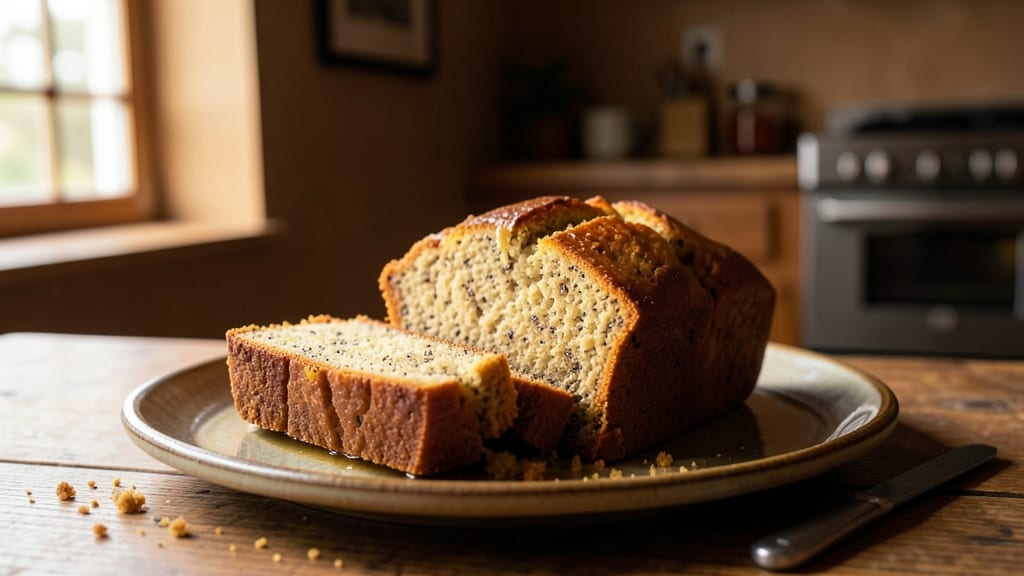
This Ayurvedic banana bread recipe transforms overripe bananas into a moist, spiced loaf that nourishes body and soul—no artificial ingredients, just whole-spice warmth and ghee-rich depth.
The secret lies in balancing sweetness with cardamom, cinnamon, and a pinch of turmeric, creating a loaf that’s both comforting and energetically harmonizing for Vata dosha. I’ve baked this version dozens of times, adjusting spices to perfection for that signature moist crumb and subtle golden crust.
The foundation starts with ripe bananas mashed into the batter, their natural sweetness reduced by warm spices that gently caramelize in the oven. Ghee replaces butter for its Ayurvedic benefits—easier digestion and a richer, nutty flavor that keeps the bread tender for days.
Unlike conventional recipes, this version skips refined sugar, relying instead on the bananas’ natural sweetness and a touch of maple syrup for depth without heaviness.
What you’ll end up with is a loaf that’s impossibly moist yet lightly crumbly, with a fragrant aroma of cardamom and cinnamon that fills your kitchen. The crust stays soft longer than store-bought bread, and each slice delivers balanced energy—ideal for breakfast or a mindful afternoon treat.
Perfect for those following Ayurvedic principles or simply craving a dessert that’s as nourishing as it is delicious.
For an extra layer of warmth, fold in chopped walnuts or almonds, or top with a sprinkle of flaxseeds before baking. The recipe scales easily, so double the batch for sharing—just be prepared for requests to bring it back. Let’s bake this Ayurvedic classic together.
Ingredients for ayurvedic banana bread
Eight whole-food ingredients transform overripe bananas into Ayurvedic harmony with ghee and warming spices.
| Ingredient | Amount | Notes |
|---|---|---|
| Ripe Bananas 🍌 | 3 medium | Mashed until smooth |
| Ghee 🧈 | ½ cup | Clarified butter for Ayurvedic benefits |
| Maple Syrup 🍯 | ½ cup | Pure, unfiltered grade B |
| All-Purpose Flour 🌾 | 2 cups | Organic preferred for purity |
| Ground Flaxseeds 🌿 | ¼ cup | For omega-3 richness |
| Baking Soda 🧂 | 1 tsp | Aluminum-free preferred |
| Ground Cinnamon 🌶️ | 1 ½ tsp | Ceylon cinnamon ideal |
| Ground Cardamom 🌿 | ½ tsp | Freshly ground for potency |
| Turmeric Powder 🧡 | ¼ tsp | Freshly ground preferred |
| Vanilla Extract 🍃 | 1 tsp | Pure alcohol-free preferred |
| Walnuts 🥜 | ½ cup | Chopped, for texture |
| Almond Flour 🌰 | ¼ cup | For added protein |
| Sea Salt 🧂 | ½ tsp | Fine grain preferred |
The bananas are the heart of this recipe—choose ones with brown speckles for natural sweetness. Whole Foods or local farmers markets often have perfect overripe ones. Ghee is non-negotiable here; Ghee Heaven brand delivers that rich, nutty depth without dairy heaviness. Cardamom and cinnamon should be freshly ground if possible—Penzeys Spices carries premium whole pods. The turmeric adds that golden hue and anti-inflammatory benefits, so don't skimp on quality. For walnuts, Trader Joe's bulk section offers the best price and freshness—just toast them lightly before chopping to enhance their flavor.
No cardamom pods? Ground cardamom works at the same amount, though fresh is ideal. Substituting maple syrup? Date syrup or agave maintains the Ayurvedic principles, though maple's deeper flavor is preferred. Running low on ghee? Coconut oil works in a pinch, though it lacks the same digestive benefits. The almond flour can be swapped for more all-purpose flour if needed, but it adds that lovely nutty depth. For extra moisture, add 1 tablespoon of coconut milk to the batter—just don't tell anyone it's a secret ingredient. The flaxseeds are crucial for that omega-3 boost, but if unavailable, chia seeds work equally well.
This loaf stays moist for 5-6 days when wrapped in parchment and stored at room temperature. For longer storage, slice and freeze portions—3 months is typical. The walnuts toast beautifully when reheated, so store them separately if you prefer them crisp. Double the recipe for sharing—just be prepared for requests. The crust remains soft for days, making it perfect for quick breakfast toast or mindful afternoon snacks. For an extra layer of warmth, brush the top with a thin layer of maple syrup before baking—worth the extra minute for that caramelized finish.
Why You'll Love This Recipe
- No-Fuss Mix-In: I swear by this recipe when my bananas turn brown—I just mash them, stir in the ghee and maple syrup, then fold in the flour and flax. No eggs, no fuss, and the dough comes together faster than I can say "overripe fruit."
- Warm Spice Hug: That ghee gives it a rich, velvety depth, while the maple syrup keeps it from being too heavy. Honestly, the first bite feels like a cozy blanket—sweet but balanced, with just enough earthiness from the flaxseeds to make it feel intentional.
- Breakfast or Snack Hero: Between us, this bread is my go-to for quick energy—whether I’m slicing it for a post-yoga snack or packing it in my lunchbox. (Yes, even on a Tuesday night.) The flaxseeds add a subtle nuttiness that keeps it interesting, so it never feels like just dessert.
- Budget-Friendly Staple: I make a loaf every other week, and it disappears fast—great for using up ripe bananas before they spoil. Plus, ghee and maple syrup stretch further than honey or butter, so I’m not breaking the bank for something that tastes like a treat.
Step-by-step instructions for Ayurvedic banana bread
Transform ripe bananas into a moist, aromatic loaf with Ayurvedic spices and nutty richness.
Prepare the Banana and Wet Ingredients
Preheat your oven to 350°F and line a 9x5-inch loaf pan with parchment paper, allowing it to overhang the sides for easy removal. In a large mixing bowl, mash the 3 medium ripe bananas until completely smooth—no lumps should remain. This ensures an even texture throughout the bread.
Add the 0.5 cup ghee and 0.5 cup maple syrup to the mashed bananas, stirring vigorously until fully combined. The ghee contributes Ayurvedic benefits while adding depth of flavor, and the maple syrup enhances natural sweetness without refined sugar. The mixture should be thick but pourable, with a velvety consistency.
Combine Dry Ingredients and Fold Wet Mixture
In a separate medium bowl, whisk together the 2 cups all-purpose flour, 0.25 cup ground flaxseeds, 1 tsp baking soda, 1.5 tsp ground cinnamon, 0.5 tsp ground cardamom, 0.25 tsp turmeric powder, 0.25 cup almond flour, and 0.5 tsp sea salt. The cinnamon and cardamom provide warming Ayurvedic properties, while the turmeric adds subtle earthiness and natural color.
Gradually pour the dry ingredients into the wet mixture, folding gently with a spatula until just combined. Avoid overmixing—small streaks of flour are acceptable. Add the 1 tsp vanilla extract and 0.5 cup chopped walnuts, stirring until evenly distributed. The walnuts contribute texture and omega-3 richness, balancing the bread's moistness.
Bake to Golden Perfection
Pour the batter into the prepared loaf pan and smooth the top with a spatula. Bake for 50-55 minutes, or until a toothpick inserted into the center emerges clean and the top springs back when pressed gently. The bread should develop a golden-brown hue with a slightly cracked surface—a sign of proper baking.
Here's the thing—your oven might run hot, so start checking for doneness at the 45-minute mark. If the top browns too quickly, tent the pan with foil to prevent over-browning while ensuring the center cooks through. The internal temperature should reach 205°F for a perfectly moist crumb.
Rest and Serve
Remove the bread from the oven and let it cool in the pan for 10 minutes. This resting period allows the loaf to set slightly, preventing it from falling apart when removed. Use the parchment overhang to lift the bread out of the pan and transfer it to a wire rack to cool completely.
Slice the bread when fully cooled for clean cuts and maximum moisture retention. Each slice should reveal a tender, slightly dense crumb with flecks of walnuts and a subtle spiced aroma. Serve warm with a dollop of ghee or as a snack with herbal tea for an Ayurvedic-inspired treat that balances sweetness with warming spices.
Pro Tips For Making Ayurvedic Banana Bread
- Mash Bananas Like Pulp: I learned this the hard way—smooth bananas turn into a gluey mess. Use a fork to break them down first, then a potato masher for texture. You want small chunks, not a puree, or the bread gets dense and gummy.
- Preheat Pan to 325°F: No, 350°F isn’t the same. Ghee burns faster than butter, and maple syrup caramelizes quicker than sugar. A slightly lower temp keeps the crust golden without burning the edges—especially important in this recipe’s moist, sweet batter.
- Mix Flax Eggs Last: Add the ground flaxseed + water mixture right before folding in the dry ingredients. It thickens fast—waiting until the end keeps the batter light and prevents a heavy, cakey texture.
- Use Cold Ghee for Crust: Scoop the ghee straight from the fridge and rub it into the pan. Cold fat creates a crisp, flavorful crust that holds up better than melted ghee, which just makes the bread soggy. (Yes, even if you’re impatient like me.)
Perfect pairings for these flavors
Herbal Tea Pairings
Warm, spiced Ayurvedic banana bread pairs beautifully with chai tea—specifically a cardamom-ginger blend that mirrors the bread’s warming spices. I love Tazo’s Organic Chai or Davidson’s Tea for that perfect balance of cinnamon and black tea.
For a caffeine-free option, try hibiscus tea with a pinch of Ceylon cinnamon—the tartness cuts through the bread’s natural sweetness. 🍵
Ghee Drizzle Finish
Serve slices with a drizzle of warm ghee (about 1 teaspoon per slice) to enhance the bread’s Ayurvedic benefits and add a luxurious richness. I recommend Ghee Heaven brand for its pure, nutty flavor.
For a lighter touch, mix ghee with a pinch of turmeric and honey—this golden elixir elevates every bite. 🧈
Creamy Nut Butter Spreads
Pair with almond or cashew butter (about 1 tablespoon per slice) for added protein and a creamy contrast. Justin’s Organic Almond Butter is my go-to—its smooth texture complements the bread’s moist crumb. For extra warmth, sprinkle with toasted coconut flakes before serving. 🥜
Seasonal Fruit Complements
In summer, serve with sliced peaches or berries to balance the bread’s spiced sweetness. In winter, warm apple slices with a sprinkle of cinnamon create a cozy contrast. The fruit’s acidity refreshes the palate after each bite. 🍎
Ayurvedic Warm Milk
For a mindful pairing, serve with golden milk—warm unsweetened almond milk with ½ tsp turmeric, ¼ tsp cinnamon, and a pinch of black pepper. This Ayurvedic-inspired drink enhances the bread’s digestive benefits while adding a soothing warmth. 🥛
Spiced Yogurt Dip
Mix plain Greek yogurt with ½ tsp cardamom, ¼ tsp cinnamon, and 1 tsp maple syrup for a tangy-sweet dip. This Vata-balancing pairing adds protein and a cooling contrast to the bread’s warmth. 🥄
Nutrition facts
Frequently asked questions
Why use ghee instead of butter in this Ayurvedic banana bread?
Ghee is the Ayurvedic gold standard for baking because it's lactose-free, has a higher smoke point than butter, and contains butyrate—a fatty acid that supports gut health. It also adds a rich, nutty flavor that enhances the warm spices while keeping the bread moist for days. Plus, it's easier to digest than regular butter, aligning perfectly with Ayurvedic principles.
Can I make this recipe vegan?
Yes! Replace the ghee with coconut oil or vegan butter, and swap the maple syrup for agave nectar. Use flax eggs (1 tbsp ground flax + 3 tbsp water per egg) to bind the batter. The walnuts and almond flour remain vegan-friendly, so you'll still get that satisfying texture and protein boost.
How do I know when my banana bread is done?
Look for three key signs: a toothpick inserted in the center should come out clean (or with just a few moist crumbs), the top should spring back when gently pressed, and the edges should pull away slightly from the pan. Baking times vary by oven—start checking at 45 minutes if your oven runs hot, and tent with foil if the top browns too quickly while the center stays moist.
Can I substitute the walnuts?
Try pecans, almonds, or even sunflower seeds for a different texture. For a seed-only version, use 1 cup pumpkin seeds (pepitas) or chia seeds for an omega-3 boost. If you prefer no nuts/seeds, simply omit them—the bread will still be delicious, just slightly less hearty.
Why does my Ayurvedic banana bread taste bland?
Most likely, your spices weren't fresh enough. Always use Ceylon cinnamon and freshly ground cardamom—pre-ground spices lose potency quickly. Try adding an extra ¼ tsp cinnamon or a pinch of nutmeg to deepen the flavor. Also check your bananas—underripe ones lack sweetness, while overripe ones (with brown spots) provide the best natural sugar for flavor development.