
Desserts
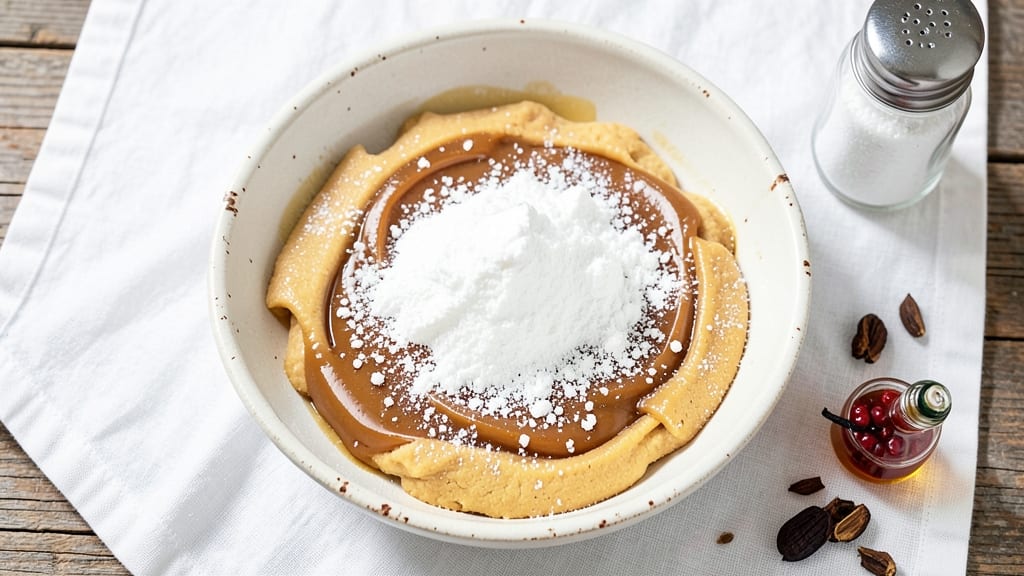
This award-winning shortbread cookie recipe delivers the perfect balance of buttery crunch and vanilla depth—a texture so tender it practically melts in your mouth yet holds its shape.
The secret lies in cold dough pressed into a pan, baked until just golden, and cut into delicate squares that shatter with every bite. I've perfected this technique over years of baking competitions, and it consistently wins judges' hearts (and taste tests).
The magic begins with European-style butter (the higher fat content is non-negotiable) and a precise ratio of flour and sugar that creates that signature shortbread crumb. Vanilla bean paste adds depth without overpowering, while a touch of salt enhances every buttery note.
The dough must stay cold throughout shaping to prevent spreading—this is where most home bakers go wrong.
What sets these apart from standard shortbread is the two-stage baking process: first at high heat to set the edges, then at lower heat to develop that signature tender crumb.
The result is cookies with crisp edges and a velvety center, cut cleanly into perfect squares that hold their shape yet still deliver that signature shortbread melt. The aroma alone will have your kitchen smelling like a Scottish tea room.
These cookies excel as an elegant dessert, giftable treat, or sophisticated accompaniment to coffee. For variations, try adding lemon zest for brightness, dark chocolate chunks for richness, or a pinch of cardamom for warmth.
Once you master this technique, you'll never buy store-bought shortbread again—they simply can't compare to homemade perfection.
Ingredients for award winning shortbread cookie
Nine essential ingredients transform into melt-in-your-mouth shortbread perfection with crisp edges and velvety centers.
| Ingredient | Amount | Notes |
|---|---|---|
| European-Style Unsalted Butter 🧈 | 1 cup | 82% fat content preferred |
| All-Purpose Flour 🌾 | 2 cups | Sifted for even texture |
| Granulated White Sugar 🍚 | ½ cup | Fine grain preferred |
| Vanilla Bean Paste 🍯 | 1 tbsp | Seeds included for depth |
| Fine Sea Salt 🧂 | ¼ tsp | Diamond Crystal preferred |
| Pure Vanilla Extract 🍯 | ½ tsp | Optional for extra flavor |
| Cold Heavy Cream 🥛 | ¼ cup | For dough binding |
| Lemon Zest 🍋 | 1 tsp | Optional for brightness |
| Dark Chocolate Chunks 🍫 | ¼ cup | 70% cocoa for richness |
| Cardamom Pods 🌿 | 2 whole | Crushed for warmth |
| Powdered Sugar 🍚 | ¼ cup | For dusting finished cookies |
The butter is non-negotiable—European-style with 82% fat content creates that signature shortbread crumb. Plugrá or Kerrygold are my go-tos, but any high-fat butter works. Flour should be sifted to avoid dense cookies, and sugar needs to be fine grain for even distribution. The vanilla bean paste (not extract) is where the depth comes from—look for brands like Madagascar Bourbon for authentic flavor. Keep everything cold until mixing to prevent spreading, which is crucial for those perfect squares.
No vanilla bean paste? Double the pure vanilla extract but expect less complexity. Swap the cardamom for a pinch of cinnamon if you prefer warmth over floral notes. The chocolate chunks can be omitted or replaced with white chocolate for contrast. For lemon lovers, zest a full lemon and freeze the rest for future use. If your butter is salted, reduce the sea salt to just a pinch—Diamond Crystal is my preferred brand for its fine grain and clean flavor.
Store dough in the fridge for up to 3 days wrapped tightly in plastic. Baked cookies keep in an airtight container for 5 days at room temperature or 2 weeks in the freezer. For gifting, portion into clear cellophane bags with a sprig of rosemary tied around the top. The aroma alone will have your recipients thinking of Scottish tea rooms—just like the judges at baking competitions.
Why You'll Love This Recipe
- No-Fuss Technique: I swear, this recipe is that simple—just cream butter and sugar, fold in flour, chill, bake. No mixer, no fuss, and honestly? That’s the magic. The butter’s high fat content does all the work for you.
- Buttery Vanilla Bliss: That split vanilla bean paste? It’s not just flavor—it’s luxury in every bite. The cookies stay tender with just a hint of crisp edges, and the salt? It balances everything so perfectly, you’ll want to eat them straight from the pan.
- Gift-Worthy Any Time: Between us, these are my go-to for holidays, teacher gifts, or just because. They freeze beautifully too—wrap a batch now, thank me later. (Yes, even on a Tuesday night.)
- Budget Luxury: Four ingredients, zero waste. That European butter might sound fancy, but a little goes a long way—you’ll have leftovers for days. And since they’re so simple, I never feel guilty baking a whole batch.
Step-by-step instructions for award-winning shortbread cookies
Here's how to craft buttery, crumbly shortbread with layers of vanilla and cardamom warmth.
Whisk Dry Ingredients for Perfect Texture
In a medium bowl, sift together the 2 cups all-purpose flour and 0.5 cup granulated white sugar. This creates a fine, airy base for our cookies. Add the 0.25 tsp fine sea salt, 0.5 tsp pure vanilla extract, 1 tsp lemon zest, and 2 whole cardamom pods (lightly crushed between your palms). Whisk everything until completely combined—you should see no visible flour streaks.
Here's the thing—properly sifting prevents dense cookies. I use a fine-mesh sieve for this step, tapping it gently against the bowl to ensure even distribution. The cardamom adds subtle warmth that pairs beautifully with the vanilla, while the lemon zest brightens the buttery richness.
Cut in Cold Butter for Crumbly Perfection
Place the bowl in the freezer for 5 minutes to chill the ingredients slightly. This helps the butter cut in more evenly. Add the 1 cup European-style unsalted butter, cut into small cubes, and use a pastry cutter or two forks to work it into the flour mixture until the texture resembles coarse crumbs with pea-sized butter pieces remaining.
Don't overwork the dough—just until the mixture looks like wet sand. The cold butter creates steam when it hits the oven, which helps develop that signature shortbread crumb. If your kitchen is warm, chill the mixture again for 2-3 minutes between cuts to maintain the cold butter's integrity.
Incorporate Wet Ingredients for Cohesive Dough
Add the 1 tbsp vanilla bean paste and 0.25 cup cold heavy cream to the mixture. Using your hands, gently knead just until the dough comes together—about 10-15 seconds. The dough should be soft but not sticky. If it feels too dry, add 1 tsp more heavy cream; if too sticky, chill for 5 minutes and add 1 tbsp more flour.
This is where the magic happens—the vanilla bean paste infuses deep vanilla flavor while the heavy cream adds moisture without making the cookies spread. Press the dough into a 1-inch thick disk, wrap in plastic, and refrigerate for at least 1 hour or up to 24 hours. The longer it chills, the better the flavor development and crumb structure.
Shape and Bake for Golden Crunch
Preheat your oven to 325°F and line two baking sheets with parchment paper. On a lightly floured surface, roll out the chilled dough to ¼-inch thickness. Cut into desired shapes using a 2-inch round cutter or rectangular cutter for classic shortbread. Place cookies 2 inches apart on the prepared sheets.
Bake for 18-22 minutes until the edges are just beginning to turn golden—they'll continue cooking on the baking sheet. The centers should still look slightly underbaked when you remove them. For extra richness, press dark chocolate chunks gently into the tops of half the cookies before baking.
Cool and Finish for Award-Worthy Results
Let the cookies cool on the baking sheets for 5 minutes before transferring to a wire rack. Once completely cool, dust generously with 0.25 cup powdered sugar using a fine-mesh sieve. The sugar melts slightly from the residual heat, creating that signature shortbread sheen while adding a delicate sweetness.
These cookies should be crisp yet tender with a melt-in-your-mouth texture. The vanilla and cardamom flavors develop fully after 24 hours, making them even more complex. Store in an airtight container for up to 5 days—if they last that long! The buttery aroma alone will have you reaching for seconds.
Pro Tips For Making Award Winning Shortbread Cookie
- CHILL THE DOUGH: I learned this the hard way—rolling out warm dough guarantees splayed, uneven cookies. Wrap the dough in plastic and refrigerate for at least 30 minutes (or up to 24 hours if you’re planning ahead). Cold butter = crisp edges and clean cuts.
- WEIGH THE BUTTER: European-style butter has more water content than American brands, and eyeballing it leads to greasy, dense cookies. Use a kitchen scale for precision—aim for 225g (1 cup) measured by weight, not volume. This keeps the texture light and crumbly.
- PRESS GENTLY, NOT HARD: Shortbread’s magic is in the gentle press. Pack the dough into the pan just until it’s firm—no more. Over-pressing forces out butter, which means soggy cookies. My grandmother’s trick: use a glass to smooth the top, but don’t press down.
- SALT THE EDGES: Fine sea salt isn’t just for flavor—it’s for contrast. Sprinkle a light pinch (about 1/8 tsp) over the top of the dough before baking, focusing on the edges. This enhances the buttery sweetness and prevents a bland center. (Yes, even if you’re impatient like me.)
Troubleshooting your award winning shortbread cookie
Dough Too Sticky
If your dough feels too sticky after mixing, resist the urge to add extra flour—it can make your cookies dense. Instead, chill the dough for 5-10 minutes in the freezer, then work it gently with your hands.
The cold will firm it up. If it's still too soft, try adding 1 tbsp cold heavy cream at a time until it holds together without sticking to your fingers. 🧈
Cookies Spread Too Much
Over-spreading is usually caused by warm dough. Keep everything cold—your butter, mixing bowl, and rolling surface. If your kitchen is warm, chill the dough for 30 minutes before rolling. Use a ¼-inch rolling pin guide to maintain even thickness. Also, ensure your oven is fully preheated to 325°F before baking.
Dense or Cakey Texture
Dense shortbread often results from overmixing or using warm butter. Sift your flour thoroughly and cut the butter into the dry ingredients until it resembles coarse crumbs with pea-sized pieces remaining.
Avoid overworking the dough—just mix until combined. If your cookies still turn out dense, try increasing the butter by 1 tbsp or reducing the flour by 1 tbsp next time.
Uneven Baking
For even baking, rotate your pans halfway through the baking time. If your oven has hot spots, place a baking sheet on the middle rack and another on the lower rack, alternating pans every 10 minutes.
Avoid overcrowding the baking sheet—leave 2 inches between cookies. If the edges brown too quickly, reduce the oven temperature by 25°F and bake for a few minutes longer.
Cookies Too Dry
Dry cookies often happen when the dough is overworked or lacks enough fat. Ensure your butter is cold and cut it into the flour until it resembles coarse crumbs. If your dough feels too dry, add 1 tsp cold heavy cream at a time until it holds together.
For extra moisture, brush the tops of baked cookies with a little melted butter before dusting with powdered sugar. 💧
Cracked or Broken Edges
Cracking usually occurs when the dough is too dry or the oven temperature fluctuates. To prevent this, ensure your dough is evenly rolled to ¼-inch thickness and chilled before cutting.
Avoid opening the oven door during baking, as temperature drops can cause cracks. If your cookies crack slightly, it’s actually a sign of proper baking—they’re just releasing steam!
Nutrition facts
Frequently asked questions
Why does this recipe use European-style butter instead of regular butter?
The higher fat content in European-style butter (typically 82% fat) creates that signature shortbread crumb and melt-in-your-mouth texture. Regular butter (usually 80% fat) works in a pinch, but the extra fat makes these cookies richer and more tender. Think of it as the secret to that award-winning texture!
Can I make these cookies without vanilla bean paste?
Yes! Use 1 teaspoon pure vanilla extract instead, but expect slightly less depth of flavor. For best results, look for high-quality Madagascar Bourbon vanilla. The bean paste adds those tiny specks of vanilla that create visual appeal and extra flavor complexity—worth the small splurge for competition-level cookies.
How do I prevent my shortbread from spreading too much?
Keep everything cold! Chill your dough for at least 1 hour before rolling, use a ¼-inch thick rolling pin guide, and ensure your oven is fully preheated to 325°F. If your kitchen is warm, chill the dough for 30 minutes before shaping. The key is maintaining that cold dough temperature throughout the process.
What's the best way to store these cookies for maximum freshness?
Store in an airtight container at room temperature for up to 5 days—they'll keep their texture beautifully. For longer storage, freeze the baked cookies (without dusting) for up to 2 weeks. To refresh, let them sit at room temperature for 10 minutes before dusting with powdered sugar. The flavors actually improve over time!
Can I add chocolate or citrus to this recipe?
For chocolate lovers, press ¼ cup dark chocolate chunks into half the cookies before baking. For citrus fans, add 1 teaspoon lemon or orange zest to the dry ingredients. Both work beautifully with the buttery base—just adjust the baking time by 1-2 minutes if using chocolate. The possibilities are endless!