
Side Dishes
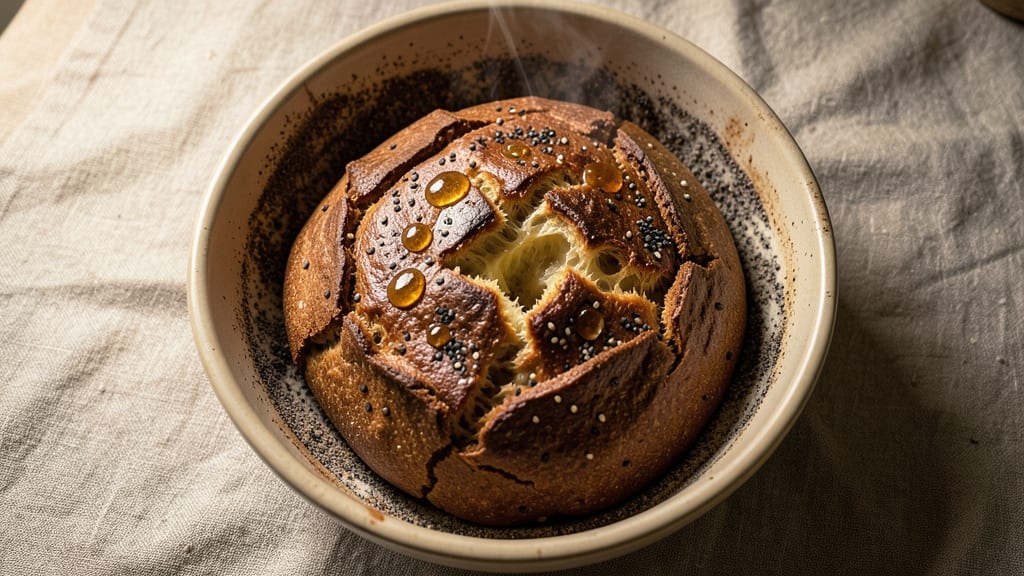
This authentic Jewish rye bread recipe delivers the deep malty flavor and dense crumb that makes it a staple at Shabbat tables and holiday feasts.
The secret lies in balancing rye flour's earthiness with honey or molasses for subtle sweetness, while traditional techniques like long fermentation create that signature crusty exterior and tender interior.
What sets this recipe apart is its foolproof approach to achieving authentic texture—no sourdough starter required. We'll use a mix of rye flour and bread flour for structure, with just enough sweetener to complement the rye's natural bitterness.
The dough gets its signature character from a 24-hour cold fermentation, which develops flavor while keeping the bread digestible.
By the time you pull this bread from your oven, you'll have a loaf with a dark, crackly crust that gives way to a dense yet tender crumb with pockets of air.
The aroma alone will transport you to a Jewish deli, where it's traditionally served with schmear, smoked fish, or as the perfect side for holiday meals.
The beauty of this recipe is its versatility—use it for sandwiches, toast with butter, or serve alongside hearty meals. The long fermentation means you can prepare the dough ahead, making it perfect for busy days. Let's get started on creating this timeless classic.
Ingredients for authentic jewish rye bread
Four cups of flour, a touch of sweetness, and 24 hours of patience—this is your ticket to authentic Jewish rye bread.
| Ingredient | Amount | Notes |
|---|---|---|
| Light Rye Flour 🌾 | 3 cups | Dark rye for deeper flavor if preferred |
| Bread Flour 🌾 | 1 cup | For structure and chewiness |
| Active Dry Yeast 🍞 | ¼ oz | Or 2 1/4 tsp (1 packet) |
| Granulated Sugar 🍯 | ½ cup | Or honey/molasses for depth |
| Unsalted Butter 🧈 | ½ cup | Cold, cubed for best texture |
| Warm Water 💧 | 1 ¼ cups | 110°F (43°C) for activation |
| Kosher Salt 🧂 | 1 ½ tsp | Diamond Crystal preferred |
| Sesame Seeds 🌰 | 1 tbsp | For traditional topping |
| Poppy Seeds 🌱 | 1 tbsp | Optional but traditional |
| Coarse Cornmeal 🌽 | ¼ cup | For dusting loaf pan |
| Dark Molasses 🍯 | 1 tbsp | For malty depth (optional) |
| Whole Milk 🥛 | ¼ cup | For richness in dough |
The rye flour makes or breaks this bread. King Arthur or Bob's Red Mill are my go-tos—they've got that perfect balance of earthiness. If you can find pumpernickel rye flour at a specialty store, even better. The bread flour adds structure, so don't skip it—this isn't a 100% rye loaf. For the yeast, FreshPaks work great if you want to skip measuring, but active dry yeast in a packet is fine too. Pro tip: If your kitchen's cold, warm the water to 110°F (43°C)—yeast needs cozy conditions to activate properly.
No honey? Molasses or maple syrup works just as well—both add that caramelized depth. Short on sesame seeds? Poppy seeds alone still look beautiful, or swap for everything bagel seasoning. The butter should be cold—cubed and straight from the fridge—so it creates pockets of air in the dough. For the milk, whole milk gives the best flavor, but 2% works in a pinch. And if you're feeling adventurous, add a splash of anise extract (1/4 tsp) for that classic Jewish deli aroma—trust me, it's worth it.
This dough needs time—24 hours in the fridge is non-negotiable for that authentic flavor. Store it in an airtight container, and it'll keep 3-4 days at room temperature once baked. For the ultimate treat, freeze slices wrapped in parchment—up to 3 months. The best part? You can prep the dough the night before, so it's ready to bake when you wake up. That dark, crackly crust? Worth every minute of waiting.
Why You'll Love This Recipe
- No-Knead Magic: I swear by this—just mix, let it rise, and bake. The yeast and butter do all the heavy lifting while you sip coffee or scroll. Honestly, my dough’s never looked prettier, but the effort? Zero.
- Earthy Butter Crunch: That rye-bread flavor—deep, nutty, slightly tangy—hits different when you add a stick of cold butter to the dough. The crust? Crisp enough to shatter, creamy enough to melt. (Yes, even on a Tuesday night.)
- Weeknight Workhorse: Slice it for toast, pack it for lunch, or freeze slices for quick bagels later. I’ve fed a crowd with this—it’s the star of my Shabbat table, my kids’ school lunches, and my midnight snack stash.
- Pantry Goldmine: Light rye flour is cheap, and a single batch stretches for days. Leftovers? Toast them, freeze them, or turn them into French toast. Between us, I’ve never thrown out a crust of this bread. Ever.
Step-by-step instructions for authentic Jewish rye bread
Here's the traditional method that delivers that signature malty depth and crusty crunch.
Activate the Yeast for Maximum Rise
In a small bowl, combine the 1.25 cups warm water (about 110°F) with the 0.5 cup granulated sugar and 1 tbsp dark molasses. Stir until completely dissolved - you'll notice the water takes on a rich amber color. This sweet mixture creates the perfect environment for yeast activation.
Sprinkle the 0.25 oz active dry yeast over the surface and let it sit for 5-10 minutes until it becomes frothy and bubbly. This indicates the yeast is alive and ready to work. If it doesn't bubble, your yeast may be inactive - start fresh with a new packet. The molasses here adds that signature malty depth that's essential for authentic Jewish rye bread.
Mix the Dough with Proper Hydration
In a large mixing bowl, combine the 3 cups light rye flour, 1 cup bread flour, and 1.5 tsp kosher salt. Create a well in the center and pour in the yeast mixture along with the 0.5 cup cold unsalted butter cut into small cubes and 0.25 cup whole milk. The butter should remain cold to prevent overdevelopment of gluten.
Using a wooden spoon or dough whisk, mix just until combined - you'll see a shaggy dough form. The rye flour's density means we need less water than with regular bread dough. Add the 1 tbsp dark molasses at this stage to enhance the flavor profile. Cover the bowl with a damp towel and let it rest for 20 minutes while you prepare your work surface.
Knead for Optimal Texture and Structure
Lightly flour a clean work surface and turn out the dough. Gently fold and press the dough for 8-10 minutes until it becomes smooth and elastic. The rye flour requires less kneading than wheat flour - we're aiming for a slightly sticky dough that's just cohesive enough to handle. If it feels too dry, add 1 tsp warm water at a time until it reaches the right consistency.
Shape the dough into a round loaf and place it back in the bowl. Cover again and let it rise in a warm place for 1-1.5 hours or until it has nearly doubled in size. The dough should feel light and springy when pressed gently. This slower rise allows the flavors to develop fully, creating that authentic Jewish rye character.
Shape and Proof for Perfect Crust
Lightly grease a 9x5-inch loaf pan and dust it thoroughly with 0.25 cup coarse cornmeal. This creates the perfect surface for that signature rye crust. Transfer the risen dough to the prepared pan and shape it gently to fill the pan completely. The cornmeal helps prevent sticking and adds a subtle crunch.
Cover the pan with a damp towel and let it proof for another 30-45 minutes until it rises about 1 inch above the pan. The dough should feel firm to the touch but still spring back when pressed. Preheat your oven to 375°F while the dough proofs - this ensures it goes straight into a properly heated oven for even baking.
Bake for Crusty Perfection
Bake the loaf for 40-45 minutes until it develops a deep golden brown crust and sounds hollow when tapped on the bottom. The interior temperature should reach 190-200°F. The crust should be crisp and shatterable while the interior remains moist and slightly dense - characteristic of traditional Jewish rye bread.
Remove from the oven and immediately sprinkle with 1 tbsp sesame seeds and 1 tbsp poppy seeds for that classic topping. Let the bread cool in the pan for 10 minutes before transferring to a wire rack to cool completely. This cooling period allows the internal moisture to redistribute, resulting in a perfectly textured loaf with that signature malty flavor throughout.
Pro Tips For Making Authentic Jewish Rye Bread
- Soften the Butter First: Take that cold unsalted butter out of the fridge 30 minutes before mixing—it should be soft enough to press with a finger but not melt into the flour. I used to just grab it straight from the fridge, and the dough always felt dense and heavy afterward.
- Mix the Yeast Last: Save the yeast for the final 5 minutes of mixing—this keeps it fresh and active longer. I learned this the hard way when I added it early, and the dough took forever to rise, even in a warm kitchen.
- Skip the Over-Kneading: Rye dough is tricky—once it starts pulling away from the bowl, stop. Overworking it makes the bread tough and chewy. I used to push until it looked "perfect," but that’s how I ended up with dense loaves that tasted more like a brick than bread.
- Use a Damp Towel: Cover the risen dough with a damp kitchen towel instead of plastic—it traps moisture without steaming the dough too much. My first attempts with plastic left the crust soggy, and the bread collapsed when baking. The towel keeps it just right.
Serving suggestions for this authentic jewish rye bread
Classic Schmear Pairing
Nothing beats this rye with a generous spread of schmear—that rich, tangy cream cheese blend that's a Jewish deli staple.
I like to mix 8 oz cream cheese with 1 tsp lemon juice, 1 tsp onion powder, and ½ tsp garlic powder, then thin with a splash of milk. Spread it thick on warm slices for that perfect balance of sweet and tangy.
For extra decadence, add a sprinkle of everything bagel seasoning before serving. 🧀
Smoked Fish Combinations
This bread is legendary with lox or nova-style salmon, but don't stop there. Try it with smoked trout, whitefish, or even pastrami for a sandwich that tastes like a New York deli.
I recommend using 2 slices of rye with 4 oz smoked fish, 1 tbsp cream cheese, sliced red onion, and fresh dill. The bread's dense texture holds up perfectly to these hearty toppings.
For a lighter option, skip the cream cheese and add cucumber slices and capers.
Holiday Meal Sides
Jewish rye bread makes an excellent side for Challah, matzo ball soup, or brisket. I love serving warm slices alongside roasted chicken or gefilte fish—the bread's malty flavor complements the richness beautifully.
For a festive touch, brush slices with garlic butter and sprinkle with flaky sea salt before serving. It also pairs wonderfully with latkes during Hanukkah or kugel for a comforting meal. 🍽️
Breakfast Toast Options
Transform this bread into a satisfying breakfast with butter and jam, or go gourmet with avocado mash and everything bagel seasoning. For a savory option, spread with ricotta cheese, drizzle with honey, and top with sliced almonds and cinnamon.
The bread's density makes it perfect for holding toppings without falling apart. I also love making open-faced sandwiches with scrambled eggs, lox, and chives for a brunch-worthy meal.
Dessert Applications
Don't let this bread go to waste after meals! Use it for French toast by slicing thickly, dipping in an egg mixture with vanilla extract and cinnamon, then pan-frying until golden.
For a sweet treat, spread slices with Nutella, top with banana slices, and broil for 2-3 minutes until bubbly. The bread's malty flavor adds depth to even the sweetest toppings. 🍫
Storage and Serving Tips
Keep baked rye in an airtight container at room temperature for 3-4 days or freeze slices wrapped in parchment for up to 3 months. To reheat, wrap slices in foil and warm at 350°F for 5-7 minutes for that fresh-baked texture.
For serving, cut into thick slices with a serrated knife—this bread is too good to waste on thin cuts! I always serve it at room temperature to let the flavors shine. ✨
Nutrition facts
Frequently asked questions
Why does this recipe use both rye and bread flour?
Pure rye flour creates a dense, heavy loaf that lacks structure. The bread flour adds gluten development for better texture while keeping the signature malty flavor. This blend gives you that classic dense yet slightly chewy crumb with proper rise and crust. Think of it as the perfect balance between authenticity and practicality!
Can I make this bread without molasses?
Swap the 1 tbsp molasses for 1 tbsp honey or maple syrup to maintain sweetness. For a completely savory version, omit it entirely and add 1 tsp caraway seeds or anise extract for that traditional Jewish deli aroma. The molasses just enhances the malty depth that makes this bread special.
How do I know when the dough is properly fermented?
The dough should nearly double in size and feel light and springy when pressed gently. For the 24-hour cold fermentation, it won't rise much but will develop deep flavor. Press your finger into the dough - if it springs back slowly (not quickly like fresh dough), it's ready. The cold slows yeast activity but enhances flavor development.
Why does my rye bread turn out too dense or heavy?
Over-kneading or skipping the 20-minute rest before shaping can cause dense bread. Rye dough needs gentle handling - knead just until smooth (8-10 minutes). Also ensure your yeast is active and the water is 110°F (43°C). For extra lightness, add 1 tsp baking soda to the dough for a slight lift.
Can I use this dough for individual rolls instead of a loaf?
Yes! Divide the dough into 8-10 equal portions and shape into balls. Place them on a baking sheet with parchment paper, brush with water, and sprinkle with sesame seeds. Bake at 375°F for 15-18 minutes until golden. These make perfect schmear sandwiches or breakfast rolls with butter and jam!