
Side Dishes
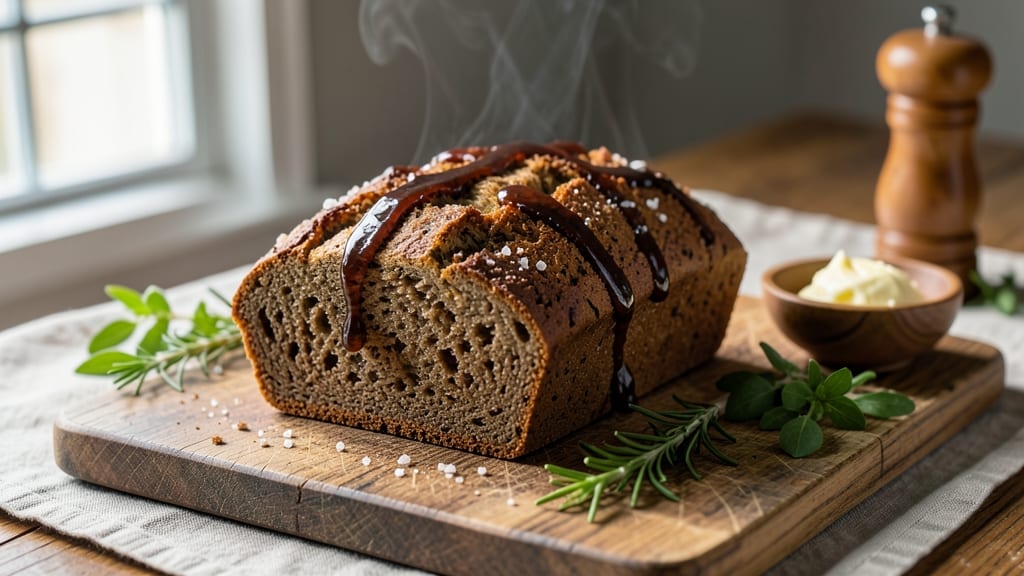
This American rye bread recipe delivers that signature dark malty crust and chewy, hearty interior that makes every slice worth savoring. 🌟 What sets this version apart is the balance of traditional rye flavor with modern baking techniques that ensure consistent results—no more dense, brick-like loaves or overly sour tangs.
The secret lies in the precise hydration ratio and fermentation time, which develop that signature depth without sacrificing texture.
Unlike lighter breads, rye demands patience and attention to detail, but the payoff is a loaf with a crisp, caramelized crust and a moist, slightly sweet crumb that holds up to sandwiches or toast.
The recipe includes a simple starter method (no sourdough experience required) and a straightforward shaping technique that yields professional-looking boules or batards. Perfect for beginners and experienced bakers alike, this version adapts to whole-grain rye, pumpernickel, or even a quick-rise option for busy schedules.
The baking process is where the magic happens—steam creates that iconic dark crust, while scoring ensures even oven spring. You’ll end up with a loaf that’s dense yet tender, with a malty aroma that fills your kitchen and a flavor profile that’s both rustic and refined.
Whether you’re making it for breakfast toast or hearty sandwiches, this rye bread will become a staple in your rotation.
For those who love tradition, we’ll explore variations like adding caraway seeds or molasses, while modern twists include gluten-free rye blends or adding seeds for extra crunch.
The key is controlling fermentation time and oven temperature to achieve that perfect balance of tang and sweetness. Let’s get started on creating your ideal loaf.
Ingredients for american rye bread
These twelve ingredients transform into a loaf with signature dark malty crust and chewy interior.
| Ingredient | Amount | Notes |
|---|---|---|
| Dark Rye Flour 🌾 | 3 cups | Whole-grain preferred for authentic flavor |
| All-Purpose Flour 🌾 | 1 cup | For structural balance |
| Active Dry Yeast 🍞 | ¼ oz | Or 2.25 tsp, fresh preferred |
| Granulated Sugar 🍚 | ½ cup | Feeds yeast for fermentation |
| Warm Water 💧 | 1 ½ cups | 110°F for optimal yeast activation |
| Molasses 🍯 | ¼ cup | Unsulfured for authentic rye flavor |
| Salt 🧂 | 1 ½ tsp | Diamond Crystal preferred |
| Honey 🍯 | 1 tbsp | Balances molasses sweetness |
| Milk 🥛 | ½ cup | Warm for tender crumb |
| Caraway Seeds 🌿 | 1 tsp | Optional for traditional flavor |
| Cornmeal 🌽 | ¼ cup | For dusting baking sheet |
| Ice Water ❄️ | ½ cup | For final dough shaping |
| Egg Wash 🥚 | 1 whole | For golden crust finish |
The rye flour is non-negotiable here—King Arthur Dark Rye or Bob's Red Mill are my go-tos, but any whole-grain blend works. The molasses adds that signature depth, so unsulfured is key—sulfured molasses tastes bitter. For the yeast, fresh is ideal if you can find it, but active dry works fine. The honey balances the molasses sweetness perfectly, so don't skip it. If you're feeling adventurous, King Arthur's rye flour has built-in enzymes that simplify fermentation—great for beginners. For the milk, warm it to about 110°F to help activate the yeast without cooking it.
No molasses? Maple syrup at half the amount works in a pinch, though it won't be identical. Short on caraway seeds? Skip them entirely—this isn't a traditional rye unless you're going full German-style. The cornmeal is just for dusting, so any fine grain will do. For the egg wash, beaten egg plus 1 tsp water is a vegan-friendly swap. The ice water is crucial for the final shaping—it helps control the gluten and gives that professional-looking finish. If your dough feels too sticky, add 1 tbsp extra flour, but don't overdo it or you'll lose that signature chew.
This dough needs time—at least 2 hours of bulk fermentation at room temp, then another hour after shaping. Store leftovers wrapped in a paper bag at room temperature for 2 days, or freeze slices for up to 3 months. The crust gets crunchier as it sits, so toast it lightly to revive. For extra crunch, brush the baked loaf with melted butter while still warm—trust me on this. The aroma alone is worth the wait.
Why You'll Love This Recipe
- No-Fuss Mix-In: I swear by this combo—just toss the dark rye flour with all-purpose, a pinch of sugar, and warm water. The yeast does all the heavy lifting while I scrub the counter. Five minutes of hands-off waiting, and you’ve got dough that’s ready to shape.
- Deep, Earthy Crunch: That dark rye flour? It’s the star. The crust gets this satisfyingly dense bite, while the inside stays soft—like a hug for your sandwich. Honestly, it’s the kind of flavor that makes plain toast feel like a celebration.
- Weeknight Workhorse: I bake a loaf every Sunday, and it lasts me all week for toast, grilled cheese, or even French toast. Freeze half if you’re not using it—just thaw and toast. It’s my lazy afternoon’s best friend.
- Pocketbook Pleaser: Rye flour might sound fancy, but this recipe uses just enough to make it special without breaking the bank. A single batch costs less than takeout, and the leftovers? They’re the reason I never order sandwiches again.
Step-by-step instructions for American rye bread
Here's how to craft that signature dark malty crust and chewy interior—every time.
👨🍳 Step 1: Activate the Yeast and Mix the Wet Ingredients
In a small bowl, combine the 1.5 cups warm water (around 110°F), 0.5 cup granulated sugar, 1 tbsp honey, and 0.25 cup molasses. Stir until the sugar and honey dissolve completely. This sweet mixture creates the perfect environment for yeast activation—you'll see tiny bubbles forming within 5-10 minutes. If it doesn't bubble, your yeast may be inactive or the water too hot.
In a separate large bowl, whisk together the 3 cups dark rye flour, 1 cup all-purpose flour, 1.5 tsp salt, and 1 tsp caraway seeds (if using). The all-purpose flour helps balance the dense rye flour for a lighter texture. Once the yeast mixture bubbles vigorously, sprinkle the 0.25 oz active dry yeast over the wet ingredients and let it sit for another 5 minutes until foamy. This ensures your yeast is ready to work its magic.
🍳 Step 2: Combine Wet and Dry Ingredients
Pour the activated yeast mixture into the dry ingredients and stir with a wooden spoon or dough whisk until a shaggy dough forms. The rye flour will make this dough stickier than traditional bread dough, so don't be surprised if it feels more like wet sand than smooth dough at this stage. Add the 0.5 cup warm milk and mix until fully incorporated. The milk adds tenderness and helps create that signature chewy texture.
Turn the dough out onto a lightly floured surface and knead gently for about 5 minutes. You're not looking for smooth, elastic dough here—rye bread develops its structure differently. The dough should be cohesive but still slightly tacky. If it feels too dry, add 1-2 tablespoons of ice water at a time until it reaches the right consistency.
🥘 Step 3: First Rise and Prepare the Dough
Lightly grease a large bowl with oil or nonstick spray, place the dough inside, and cover it with a damp kitchen towel or plastic wrap. Let it rise in a warm place (like your oven with the light on) for 1-2 hours, or until it has roughly doubled in size. The dough will be less voluminous than wheat bread dough, but you should see it puff up noticeably and feel slightly springy when pressed gently.
After the first rise, punch down the dough to release any air bubbles. This step helps develop gluten and ensures even baking. Divide the dough into 4 equal portions (about 12 oz each) and shape each into a smooth, round loaf. For a rustic look, you can keep them round, or shape them into ovals for a more traditional bread form. Place the shaped loaves on a baking sheet dusted with 0.25 cup cornmeal—this prevents sticking and adds a beautiful golden crust.
🔥 Step 4: Second Rise and Pre-Bake
Cover the shaped loaves with the damp towel or plastic wrap and let them rise for another 30-45 minutes. They should plump up noticeably but not double in size like the first rise. Preheat your oven to 375°F while the dough rises. This temperature is key—too hot, and the crust will burn before the interior cooks through.
Once the oven is preheated, brush the loaves with the 1 whole egg wash for a golden finish. Bake for 25-30 minutes until the crust is deep mahogany brown and sounds hollow when tapped on the bottom. The interior should register 190-200°F on an instant-read thermometer. If the crust browns too quickly, tent the loaves with foil to prevent over-browning while they finish baking.
⏰ Step 5: Cool and Enjoy
Remove the loaves from the oven and let them cool on a wire rack for at least 30 minutes before slicing. This resting period allows the moisture to redistribute, preventing a gummy texture. The crust should be dark, almost black in places, with a satisfying crackly texture. Cut into thick slices to reveal the dense, moist crumb and those beautiful caramelized pockets of molasses flavor.
For the best experience, serve this bread warm with butter or your favorite jam. The combination of dark rye flour, molasses, and honey creates a complex, malty flavor that pairs perfectly with hearty soups, smoked meats, or even as a standalone snack. Store any leftovers in an airtight container at room temperature for up to 3 days, or freeze for longer storage.
Pro Tips For Making American Rye Bread
- Mix the Yeast First: I learned this the hard way—activating the yeast in warm water with sugar before adding dry ingredients prevents clumps in your dark rye flour. Let it sit for 5-10 minutes until frothy; if it’s sluggish, your bread will rise slowly (or not at all).
- Use Lukewarm Water: Too hot? You’ll kill the yeast. Too cold? It’ll take forever to wake up. Test your water with your pinky finger—it should feel like bathwater (around 105°F/40°C). No thermometer? Sprinkle a pinch of sugar in, wait 10 seconds, then stir. If it bubbles, you’re good.
- Knead Just Enough: Rye dough is dense and sticky, so don’t overwork it. After 5-6 minutes of mixing, stop when the dough pulls away cleanly from the bowl—no need for a windowpane test. Over-kneading makes it tough, and this bread’s charm is its chewy, hearty texture.
- Shape Tightly, Score Deep: Pack the dough into a tight loaf shape before scoring—press the edges firmly to seal in gas. Then, slash a ½-inch cross with a sharp razor (not a dull knife). A shallow cut won’t steam properly, and a deep one keeps the loaf from cracking unpredictably.
Troubleshooting perfect results
Dense Instead of Chewy
If your rye bread turns out dense and heavy rather than chewy, the issue is likely over-kneading or insufficient yeast activation. Rye dough needs minimal handling—just until cohesive. For better texture, ensure your yeast is fresh and the water is 110°F (not hotter).
Also, don’t skip the milk—it adds tenderness. If the dough feels too stiff after mixing, add 1 tbsp ice water at a time until it’s tacky but manageable. 💡
Pale or Light Crust
A pale crust usually means the oven wasn’t hot enough or the bread lacked steam. Preheat your oven to 375°F for at least 30 minutes before baking.
For extra steam, place a baking sheet on the lower rack while preheating, then add ½ cup boiling water to it just before baking. Brush the loaves with egg wash right before baking for that signature dark color.
If using a Dutch oven, bake covered for the first 20 minutes to trap steam.
Overly Sour or Bitter Flavor
Excessive fermentation time can make your rye bread taste overly sour. Monitor the dough closely—it should rise 50-75% during bulk fermentation (not double like wheat bread). If the flavor is bitter, check your molasses—unsulfured is key.
Also, avoid overproofing after shaping; 30-45 minutes is ideal for the final rise. For a milder taste, reduce molasses to ¼ cup and add 1 tbsp maple syrup instead.
Dough Sticks Too Much
Rye dough is naturally sticky, but if it’s unmanageable, you’re likely using too much flour. Wet your hands slightly before handling and avoid excessive flour dusting. For extra control, chill the dough for 20 minutes before shaping—this firms it up.
If the dough cracks while shaping, gently press it together without overworking. A bench scraper helps divide sticky dough cleanly. 🥖
Uneven Baking or Raw Centers
Rye bread’s dense texture can trap moisture, leading to raw centers. Ensure your oven is fully preheated and the loaves are spaced 1 inch apart on the baking sheet. Rotate the pan halfway through baking for even heat distribution.
If the crust browns too fast, tent with foil. For extra insurance, bake until the internal temperature reaches 190-200°F. A thermometer is your best friend here—don’t rely on visual cues alone.
Dry or Crumbly Texture
Overbaking or insufficient fat (like milk or butter) causes dryness. Pull the bread from the oven when the crust is deep mahogany and the internal temp is 190-200°F. If the dough feels too dry during mixing, add 1 tbsp ice water or a splash of milk.
For a richer crumb, brush the baked loaf with melted butter while still warm. Store leftovers in a paper bag to retain moisture—plastic containers dry out rye bread faster.
Nutrition facts
Frequently asked questions
Why does American rye bread need two rises?
The first rise activates the yeast and develops flavor, while the second rise after shaping ensures proper oven spring. Rye dough rises more slowly than wheat dough, so these two stages create that signature dense yet chewy texture. Think of it as giving the dough time to relax and develop its complex flavor profile.
Can I substitute pumpernickel flour for dark rye flour?
Yes, you can use pumpernickel flour as a 1:1 substitute, but expect a slightly sweeter, darker flavor. Pumpernickel is essentially a molasses-enhanced rye flour, so you may want to reduce the molasses in the recipe by 1-2 tablespoons to balance the sweetness. The texture will be very similar.
How do I store American rye bread to keep it fresh?
Store your rye bread in a paper bag at room temperature for up to 3 days—this prevents drying out better than plastic. For longer storage, wrap slices individually in plastic wrap and freeze for up to 3 months. To revive stale bread, wrap it in foil and warm in a 350°F oven for 5-10 minutes.
What's the best way to slice rye bread for sandwiches?
Use a sharp serrated knife and cut the bread into ½-inch thick slices for perfect sandwiches. For extra crispiness, lightly toast the slices before assembling. The dense texture holds up better to thick cuts, preventing soggy sandwiches. A bench scraper works great for clean cuts through the crust.
Can I make this rye bread without molasses?
Yes, but the flavor will be less authentic. Replace the ¼ cup molasses with 2 tablespoons maple syrup plus 1 tablespoon honey for a similar sweetness level. For a completely molasses-free version, increase the honey to 2 tablespoons and add ½ teaspoon cinnamon for depth.