
Side Dishes
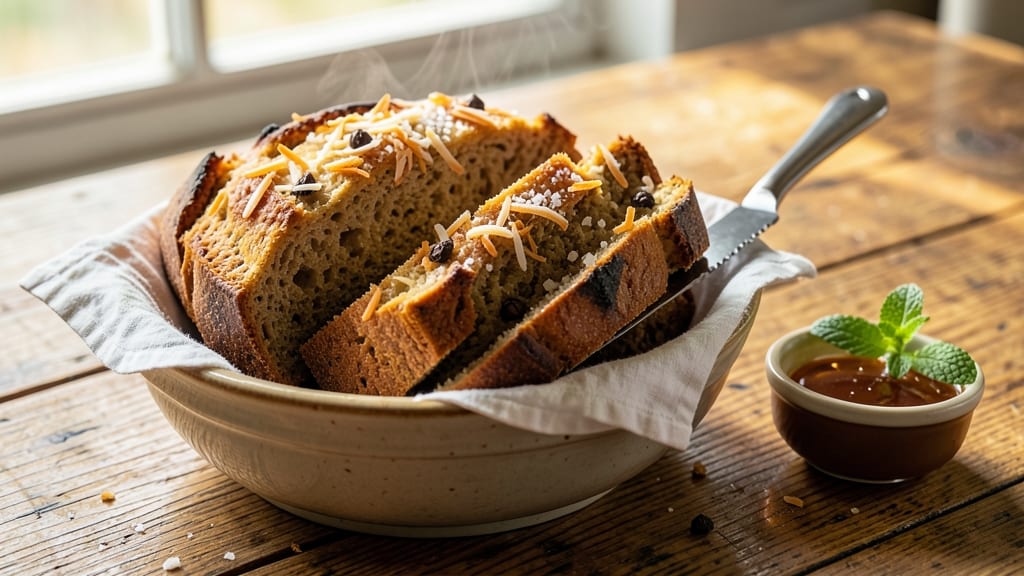
This authentic Jamaican coco bread recipe brings the warm, spiced flavors of Jamaica straight to your kitchen—soft, moist, and infused with coconut, cinnamon, and a touch of rum for that signature depth. 🌟 The secret lies in the slow fermentation and precise spice balance, creating a loaf that’s light yet rich, with a golden crust that’s impossible to resist.
Unlike store-bought versions, this recipe stays true to tradition using shredded coconut, nutmeg, and allspice, baked in a round loaf pan for that classic shape. The dough rises slowly, developing a tender crumb and subtle sweetness that pairs perfectly with curries, stews, or even on its own with butter.
Every bite delivers that comforting, tropical warmth Jamaican cuisine is famous for.
What sets this apart is the rum infusion—just a splash—adding complexity without overpowering. The crust turns beautifully golden while the interior stays moist, thanks to a foolproof mixing technique that ensures perfect texture.
Whether you’re serving it at a Caribbean feast or enjoying it with morning coffee, this bread is a celebration of Jamaican baking at its finest.
Ready in just 2 hours (including proofing), this recipe delivers restaurant-quality results with minimal effort. The key is patience—letting the dough rise and the flavors meld creates that unmistakable coco bread magic. Let’s get baking!
Ingredients for authentic jamaican coco bread
Authentic Jamaican coco bread needs just these 13 ingredients to deliver that signature rum-infused, coconut-kissed flavor.
| Ingredient | Amount | Notes |
|---|---|---|
| All-Purpose Flour 🌾 | 4 cups | Unbleached preferred for authentic texture |
| Unsweetened Shredded Coconut 🥥 | 1 ½ cups | Firm, unsweetened for proper flavor |
| Granulated Sugar 🍚 | ½ cup | Light brown preferred for depth |
| Active Dry Yeast 🍞 | 2 ¼ tsp | Fresh yeast for optimal rise |
| Warm Water 💧 | 1 ¼ cups | 110°F for yeast activation |
| Light Rum 🍹 | 2 tbsp | Jamaican rum preferred for authenticity |
| Unsalted Butter 🧈 | ½ cup | Cold, cubed for proper mixing |
| Large Eggs 🥚 | 2 whole | Room temperature for even texture |
| Ground Cinnamon 🌿 | 1 ½ tsp | Ceylon cinnamon for authentic taste |
| Ground Nutmeg 🌿 | 1 tsp | Freshly grated preferred |
| Ground Allspice 🌶️ | 1 ½ tsp | Jamaican allspice for proper flavor |
| Salt 🧂 | 1 ½ tsp | Diamond Crystal preferred |
| Milk 🥛 | ½ cup | Whole milk for richness |
The shredded coconut makes or breaks this bread—unsweetened, firm variety from Trader Joe's or Whole Foods delivers the best texture and flavor. Jamaican allspice is non-negotiable for authenticity, though Penzeys or spice market bins are your best bets for quality. The yeast should be fresh; if using a packet, check the expiration date. Ceylon cinnamon adds a more delicate flavor than regular ground cinnamon, but don't stress if you only have what's in your pantry. The rum is where the magic happens—Appleton Estate or Hampden Estate are ideal, but any light rum works in a pinch. Diamond Crystal salt dissolves more easily than table salt, which is crucial for even flavor distribution throughout the dough.
No rum? A splash of orange juice or vanilla extract adds subtle depth without overpowering. Substitute milk with coconut milk for a more pronounced tropical flavor, though the texture will differ slightly. Allspice shortage? A blend of cinnamon, nutmeg, and cloves (½ tsp each) mimics its warmth. No Ceylon cinnamon? Regular ground cinnamon works, but reduce to 1 tsp to avoid bitterness. Shredded coconut too expensive? Toast unsweetened coconut flakes for 5 minutes to puff them up before using. The butter must be cold—soft butter will make the dough too sticky to handle. For a gluten-free version, swap the flour for a 1:1 gluten-free baking blend (add ½ tsp xanthan gum if not included).
This dough needs patience—proof it in a warm place for 1.5 hours until doubled. Store leftovers in an airtight container for 3-4 days at room temperature, or freeze for up to 3 months by wrapping tightly in plastic. Reheat slices in a 350°F oven for 5-7 minutes to restore freshness. Double the batch for a 9x13-inch pan if serving a crowd—just adjust baking time to 35-40 minutes. The bread freezes beautifully, making it perfect for meal prep. For extra richness, brush the crust with melted butter after baking.
Why You'll Love This Recipe
- Here’s what sold me: this dough doesn’t demand your time or energy. Mix the flour, yeast, and warm water, let it rise once, then fold in that shredded coconut—done. No rolling, no shaping, no waiting around. My lazy Sunday mornings thank me every time.
- Coconut in Every Bite: Honestly, the moment you pull that golden crust from the oven and see those flakes of coconut peeking through—that’s the magic. That sweet, toasty coconut flavor isn’t just sprinkled on top; it’s baked right into the bread, so every tear-off piece tastes like a little vacation.
- No-Knead, No-Stress: Here’s what sold me: this dough doesn’t demand your time or energy. Mix the flour, yeast, and warm water, let it rise once, then fold in that shredded coconut—done. No rolling, no shaping, no waiting around. My lazy Sunday mornings thank me every time.
- Breakfast to Dessert: Between us, this bread is my secret weapon for lazy breakfasts and impromptu desserts. Toast it with jam for a quick morning fix, or serve it warm with a sprinkle of cinnamon for a no-fuss treat. (Yes, even on a Tuesday night.)
Step-by-step instructions for authentic Jamaican coco bread
Master the art of Jamaican baking with this precise method for rich, spiced bread.
👨🍳 Step 1: Activate the Yeast and Mix Wet Ingredients
In a small bowl, combine the 1.25 cups warm water (about 110°F) with the 2.25 tsp active dry yeast and let sit for 5-10 minutes until frothy. This activation step ensures your bread rises properly—you'll see small bubbles forming on the surface when ready.
In a separate large bowl, whisk together the 0.5 cup milk, 2 tbsp light rum, 0.5 cup granulated sugar, and the 2 whole large eggs until fully combined. The rum adds authentic Jamaican flavor while helping tenderize the gluten structure. Keep this mixture aside until the yeast is activated.
👨🍳 Step 2: Combine Dry Ingredients and Form the Dough
In the bowl with the yeast mixture, gradually add the 4 cups all-purpose flour, 1.5 tsp ground cinnamon, 1 tsp ground nutmeg, 1.5 tsp ground allspice, and 1.5 tsp salt. Mix with a wooden spoon until a shaggy dough forms—don't overmix or you'll develop too much gluten.
Add the 0.5 cup unsalted butter (cold, cubed) and the 1.5 cups unsweetened shredded coconut to the dough. Using your hands, knead gently for 3-5 minutes until just combined. The dough should be soft but slightly sticky—this is normal for coco bread. If it's too dry, add 1 tsp warm water at a time until it comes together.
🥘 Step 3: First Rise and Shaping
Cover the dough with a clean kitchen towel and let rise in a warm place for 1-1.5 hours, or until doubled in size. The kitchen should feel warm to the touch—place the bowl near a slightly warm oven if needed. You'll know it's ready when you poke the dough and it springs back slowly rather than immediately.
Once risen, gently deflate the dough and shape it into a round loaf. Place it in a greased 9x5-inch loaf pan (or similar size) and cover again. Let rise for another 30-45 minutes until the dough just reaches the top of the pan. The rum aroma will intensify as it rises—this is your cue that the yeast is working properly.
🔥 Step 4: Bake to Golden Perfection
Preheat your oven to 350°F while the dough rises. When ready, bake the coco bread for 45-50 minutes, or until the top is deep golden brown and a toothpick inserted in the center comes out clean. The edges should pull away slightly from the pan, and you should smell that signature spiced rum aroma.
For extra crispiness, brush the top with 2 tbsp warm water after 20 minutes of baking. This creates a beautiful crackly crust while keeping the interior moist. If the top browns too quickly, loosely cover with aluminum foil after 25 minutes to prevent over-browning.
⏰ Step 5: Cool and Serve
Remove the bread from the oven and let it cool in the pan for 10 minutes before transferring to a wire rack. The residual heat will finish cooking the center while allowing the crumb to set properly. Jamaican coco bread is best served warm—cut into thick slices and enjoy with butter or jam.
For maximum flavor development, serve within 2 hours of baking. The rum infusion becomes more pronounced as the bread cools slightly, creating that authentic Jamaican taste. Store leftovers wrapped in plastic at room temperature for up to 3 days, or freeze for longer storage.
Pro Tips For Making Authentic Jamaican Coco Bread
- TOAST THE COCONUT: I learned this the hard way—raw coconut tastes bland and clumps into a sad, wet mess. Toss the shredded coconut in a dry skillet over medium heat for 3-4 minutes until it’s lightly golden and smells nutty. This step makes the flavor pop and prevents that gummy texture in your bread.
- WEIGH THE FLOUR: Scooping flour from the bag is a recipe for disaster. Use a kitchen scale for the all-purpose flour—250 grams is your target. Packed cups vary wildly, and this bread relies on precise ratios to rise properly. (Yes, even if you’re impatient like me.)
- DO NOT OVERMIX THE DOUGH: Once you add the yeast and water, mix just until combined—about 2 minutes by hand. Overworking the dough kills the yeast and makes the bread dense. Stop when it’s shaggy, not smooth. The coconut will add texture, so let it hold its shape.
- BAKE WITH A TRAP PAN: Sounds weird, but it works: Place a shallow pan of boiling water on the lower oven rack while preheating to 350°F (175°C). The steam keeps the crust from drying out too fast, giving you that soft, slightly chewy texture Jamaican coco bread is known for. (Your future self will thank you.)
Storing and reheating your leftovers
Room Temperature Storage
Jamaican coco bread stays fresh for 3-4 days at room temperature when wrapped tightly in plastic wrap or stored in an airtight container. I recommend using clear plastic wrap to see the golden crust while keeping it protected from drying out.
Place it in a cool, dark pantry away from heat sources—this preserves moisture and prevents the coconut flavor from becoming stale. 🌟
Refrigerator Refresh
If you need to extend freshness beyond 4 days, refrigerate the bread in an airtight container for up to 1 week. Before serving, reheat slices in a 350°F oven for 5-7 minutes to restore that warm, spiced aroma.
For a quicker option, use the microwave on 50% power for 20-30 seconds—just watch closely to avoid over-drying the coconut bits.
Freezer Magic
This bread freezes beautifully for up to 3 months! Wrap individual slices in plastic wrap, then place them in a freezer bag with all the air squeezed out.
Label with the date—when ready to eat, thaw at room temperature for 1 hour or reheat directly from frozen in a 375°F oven for 8-10 minutes until golden and warm. The texture remains moist when reheated properly, making it perfect for meal prep.
Reviving Stale Bread
Even if your coco bread dries out slightly, don’t toss it! Slice the bread and toast it in a buttered skillet over medium heat for 2-3 minutes per side until crispy. The butter adds richness and revives the texture.
Alternatively, sprinkle slices with water and bake at 350°F for 5 minutes—this steams the bread back to softness while enhancing the coconut flavor. 💫
Crust Perfection
For that restaurant-quality crust, brush the top of warm bread with melted butter and a pinch of cinnamon sugar. Use a pastry brush for even coverage, then broil for 1-2 minutes until lightly golden.
This technique adds a crispy texture that pairs perfectly with jam or butter. Store treated bread in an airtight container to maintain freshness.
Nutrition facts
Frequently asked questions
Why does Jamaican coco bread have rum in it?
The rum isn't just for flavor—it's a traditional ingredient that adds depth and helps tenderize the gluten structure. Just 2 tablespoons of light rum per loaf creates that signature warm, aromatic profile without making the bread taste alcoholic. Jamaican cooks use it to balance the sweetness and enhance the coconut flavor, creating that familiar tropical taste.
Can I make this bread without shredded coconut?
While shredded coconut is essential for authentic texture, you can substitute with 1 cup unsweetened coconut flakes toasted for 5 minutes to puff them up. For a completely different flavor, try 1 cup chopped dried apricots or ½ cup raisins, but the bread won't taste exactly the same. The coconut's moisture and flavor are key to that signature Jamaican profile.
What's the secret to getting a soft, moist interior?
The secret lies in proper proofing and moisture balance. Let the dough rise in a warm place for 1.5 hours until doubled, then brush the crust with 2 tbsp warm water during baking. The rum and milk also contribute to moisture retention. Never overbake—remove when the internal temperature reaches 190°F (a toothpick should come out clean).
How do I know when the bread is fully baked?
Look for three key signs: deep golden brown crust, edges pulling away slightly from the pan, and a toothpick inserted in the center coming out clean. The bread should also smell rich and spiced with rum aromas. If unsure, check after 40 minutes—overbaking makes it dry. For extra insurance, tap the bottom: it should sound hollow.
Can I make this bread in a different shaped pan?
Yes! While a 9x5-inch loaf pan gives the classic shape, you can use a 9x13-inch pan (bake 35-40 minutes) or even a round cake pan (bake 30-35 minutes). For best results, reduce baking time by 5-10 minutes when using darker pans that conduct heat differently. The dough should just reach the top of the pan when risen.