
Side Dishes
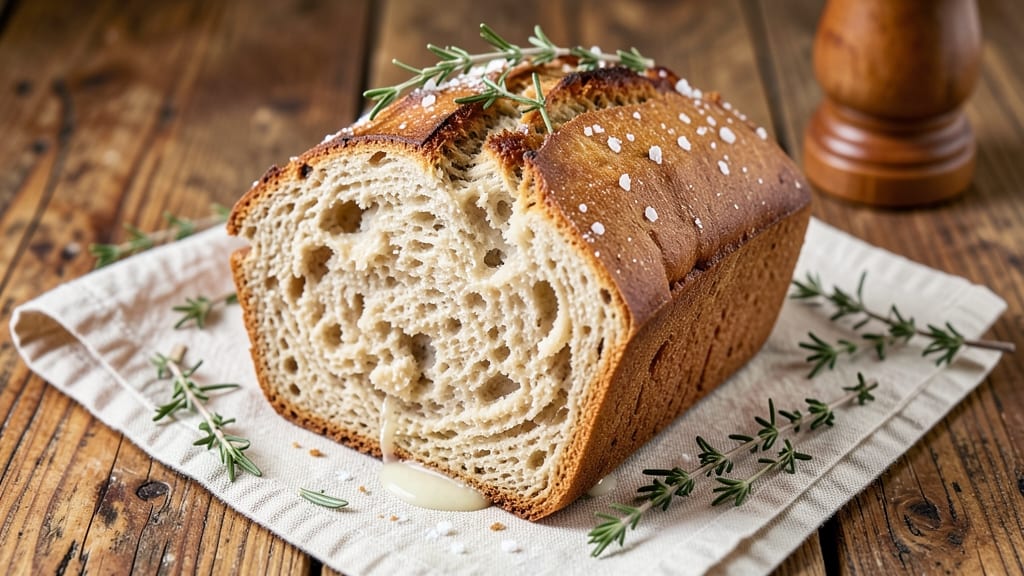
This Australian soda bread recipe delivers a rustic, no-yeast loaf with a crispy crust and tender crumb—perfect for pairing with soups, butter, or jam. 🌟 The secret lies in buttermilk's tangy magic, which activates baking soda for a light, airy texture without any kneading.
I've perfected this traditional recipe over years of baking, ensuring every slice stays moist and flavorful.
The beauty of this bread lies in its simplicity: just five ingredients come together for a foolproof method that works every time. No yeast means no waiting for dough to rise, and the no-knead approach makes it beginner-friendly.
The crust develops a golden, slightly irregular texture that's characteristic of authentic Australian soda bread, while the interior remains soft and slightly dense.
What makes this recipe special is its versatility—whether you're serving it warm with Irish butter, slathered with strawberry jam, or alongside hearty stews, it's a crowd-pleaser. The buttermilk can be swapped for vegan alternatives, making it adaptable to dietary needs without sacrificing flavor.
Ready in under an hour, it's the perfect side dish for any meal.
Once baked, the aroma fills your kitchen with a comforting, homestyle scent that's impossible to resist. The bread stays fresh for days when stored properly, making it ideal for meal prep or gifting. Let's get started on this classic Australian staple that's as easy as it is delicious.
Ingredients for australian soda bread
Five simple ingredients transform into Australia's iconic rustic loaf with crisp crust and tender crumb.
| Ingredient | Amount | Notes |
|---|---|---|
| All-Purpose Flour 🌾 | 4 cups | Unbleached preferred for texture |
| Buttermilk 🥛 | 1 ½ cups | Full-fat for best flavor |
| Baking Soda 🧂 | 1 tbsp | Pure, not baking powder |
| Salt 🧂 | 1 tsp | Fine sea salt preferred |
| Irish Butter 🧈 | ½ cup | Cold, cubed for texture |
| Milk 🥛 | ¼ cup | For crust brushing |
| Poppy Seeds 🌱 | 2 tbsp | Optional, for traditional finish |
The flour is the foundation—King Arthur or White Lily deliver consistent results, but any all-purpose works. For that authentic Australian touch, Irish butter adds richness, though European-style butter is a fine substitute. Buttermilk is non-negotiable; its acidity activates the baking soda perfectly. Store-bought buttermilk works, but for deeper flavor, mix 1.5 tablespoons white vinegar with 1.25 cups milk and let sit 5 minutes. The poppy seeds? Purely decorative but traditional—skip if you prefer simplicity.
No buttermilk? Plain yogurt thinned with milk (1:1 ratio) works in a pinch, though flavor differs slightly. Substituting baking powder for soda? Not recommended—it creates a cake-like texture rather than rustic density. For a vegan version, use unsweetened almond milk with 1.5 tbsp vinegar instead of buttermilk. The butter can be swapped for vegan butter, though texture may differ slightly. And if you're short on time, pre-shredded cheese sprinkled on top adds a savory twist.
This bread stays fresh for 3-4 days at room temperature wrapped in a clean kitchen towel, or up to 1 week in an airtight container. For longer storage, freeze slices wrapped in parchment—reheat in a 350°F oven for 5-7 minutes. The crust crisps beautifully when toasted, making it perfect for French toast or croutons. I double the recipe and freeze half—nothing beats pulling a loaf straight from the freezer for a comforting meal.
Why You'll Love This Recipe
- No-Fuss Mix-In: I swear by the 5-minute stir. Just dump flour, buttermilk, baking soda, and a pinch of salt—no kneading, no waiting for dough to rise. The buttermilk’s tang cuts through the richness of Irish butter, making it taste like a hug from a baker who knows what they’re doing.
- Crispy-Creamy Magic: That golden crust? Chef’s kiss. The baking soda works fast, giving you a crackly exterior that shatters just enough to reveal a soft, buttery interior. Slather it with more Irish butter while it’s warm, and you’ll understand why I keep a loaf in the freezer at all times.
- Breakfast to Picnic: Honestly, this bread is my secret weapon. Toast it for breakfast, tear it into chunks for a hearty lunch with soup, or pack slices for a picnic—it holds up like a champ. (Yes, even on a Tuesday night when you’re too tired to think.)
- Leftovers That Don’t Suck: Between us, most bread goes stale or gets tossed. Not this. Slice it, freeze it, and toast straight from frozen—still tastes fresh. And because it’s just flour, buttermilk, and butter, it’s the kind of cheap-eats win that makes grocery day feel like a victory.
Step-by-step instructions for Australian soda bread
Here's the no-fuss method for achieving that signature rustic crust and tender crumb.
👨🍳 Step 1: Combine Dry Ingredients for Optimal Texture
In a large mixing bowl, whisk together the 4 cups all-purpose flour with the 1 tablespoon baking soda and 1 teaspoon salt. This dry combination creates the perfect foundation for soda bread's signature texture. I like to use unbleached flour here—it yields a slightly more tender crumb without compromising the bread's rustic appeal.
Use a whisk to break up any flour lumps completely. The baking soda will react with the buttermilk later, creating lift, so we want it evenly distributed. Set this mixture aside while you prepare the wet ingredients—this is where the magic begins.
🥘 Step 2: Mix Wet Ingredients for Perfect Rise
In a separate medium bowl, combine the 1.5 cups buttermilk with the 0.5 cup cold Irish butter, cut into small cubes. The butter should remain cold to create those signature pockets of flavor and texture in the finished bread. Use your hands or a fork to work the butter into the buttermilk until it resembles coarse crumbs—this is crucial for achieving that tender yet rustic crumb structure.
Here's the thing—don't overmix. You're looking for a shaggy dough that comes together when you add it to the dry ingredients. The butter should be mostly incorporated but still visible in small chunks. This ensures both flavor and texture without making the bread dense.
🥘 Step 3: Form the Dough and Shape for Rustic Crust
Pour the wet mixture into the bowl with the dry ingredients and gently stir with a wooden spoon until just combined. The dough will be sticky—this is normal and actually desirable for that moist crumb. Add the 2 tablespoons poppy seeds (if using) and stir them in evenly. Transfer the dough to a lightly floured surface and gently shape it into a round loaf about 1 inch thick.
Don't worry about perfect symmetry—this bread thrives on its rustic character. Press the poppy seeds lightly into the top surface, creating a decorative pattern. The seeds add a subtle crunch and visual appeal that's become synonymous with Australian soda bread.
🔥 Step 4: Bake for Crisp Exterior and Moist Interior
Preheat your oven to 425°F. Place the shaped loaf on a parchment-lined baking sheet and brush the top generously with the 0.25 cup milk. This creates that signature crisp crust while keeping the interior tender. Bake for 35-40 minutes until the bread is deep golden brown and sounds hollow when tapped on the bottom.
I know it seems like a long time, but patience is key here. The bread needs time to develop that perfect crust while maintaining a moist interior. Don't open the oven door during baking—this causes the bread to sink. The milk brushing should create a beautiful, crackly crust that's slightly crisp on the outside and soft within.
⏰ Step 5: Cool and Serve for Maximum Flavor
Remove the bread from the oven and let it cool on a wire rack for at least 15 minutes before slicing. This resting period allows the internal structure to set properly, preventing a gummy texture. The bread will continue to steam internally, creating that perfect balance of crisp and soft.
Serve warm with plenty of butter or jam—this is where the bread truly shines. The crust should be crisp enough to hold its shape but still tender enough to break easily, while the interior remains moist and slightly dense. Store any leftovers wrapped in a bread bag at room temperature for up to 3 days—it reheats beautifully in a warm oven.
Pro Tips For Making Australian Soda Bread
- STOP MEASURING BY VOLUME: Mix the buttermilk and baking soda first—let it fizz for 5 minutes before adding flour. The bubbles do half the work, and you’ll need less flour to get the right texture. (I learned this after three dense loaves where I rushed the reaction.)
- USE COLD BUTTERMILK: Pull the buttermilk from the fridge right before mixing—it’s less likely to curdle when combined with baking soda. Warm buttermilk reacts too fast, and your dough can turn gummy. (Yes, even if you’re impatient like me.)
- DON’T OVERHANDLE THE DOUGH: Stir the flour in just until combined—lumps are fine. Overmixing develops gluten, and soda bread should stay tender. Two minutes max with a wooden spoon, then let it rest. (I used to knead it like bread dough and wondered why it was dense.)
- SKIP THE SHAPE, SCOOP THE DOUGH: No need to shape it neatly—just scoop the dough into a buttered loaf pan and press it down. The bread rises unevenly, but that’s the charm. (Does it look weird? Yes. Does it work? Every single time.)
Serving suggestions for this dish
Classic Pairings
Serve your warm soda bread with Irish butter freshly churned from grass-fed cows—it melts into the crust beautifully. I always keep a wedge on the table for guests to spread generously.
For a sweet touch, pair with strawberry jam or raspberry preserves; the tartness cuts through the bread's richness perfectly. 🥛
Soup Companions
This bread is legendary with creamy potato leek soup or hearty beef stew. The crust soaks up the broth while the interior stays soft. I like to tear pieces directly into the soup bowl for an immersive experience.
For lighter options, try it with tomato basil soup or lentil stew—the rustic texture contrasts wonderfully with smooth soups.
Breakfast Magic
Transform slices into French toast by dipping in an egg-milk mixture and pan-frying until golden. Top with maple syrup and whipped cream for a decadent brunch.
Alternatively, toast slices and serve with avocado mash and smoked salmon for a savory morning. The bread's crisp edges hold up perfectly to these treatments.
Cheese Board Star
Add your soda bread to a cheese board alongside aged cheddar, brie, and blue cheese. The bread's mild flavor lets the cheeses shine while providing a sturdy base.
I sprinkle flaky sea salt and black pepper on the board for extra contrast. For a sweet-savory combo, pair with fig jam and proscuitto.
Meal Prep Hack
Make a batch and freeze slices wrapped in parchment—perfect for quick lunches. Reheat in a toaster oven at 350°F for 5 minutes to restore crispness. I pack these with hummus and cucumber slices for a no-cook lunch.
The bread stays fresh-tasting even after freezing, making it ideal for busy weeks. 💡
Dessert Twist
Drizzle warm slices with honey and cinnamon, then top with vanilla ice cream for a simple dessert. The crisp crust adds texture that balances the creamy ice cream beautifully.
For a boozy version, brush slices with rum before baking, then serve with whipped cream. This unexpected dessert version always gets rave reviews.
Nutrition facts
Frequently asked questions
Why does Australian soda bread need buttermilk?
The buttermilk's acidity activates the baking soda, creating lift and that signature tender crumb. Without it, the bread would be dense and cake-like. For a quick substitute, mix 1.5 tablespoons vinegar with 1.25 cups milk and let sit for 5 minutes.
Can I make this bread without butter?
Yes! For a vegan version, replace the butter with vegan butter or omit it entirely. The bread will still bake up well, though the texture will be slightly less rich. Brush the crust with oil instead of milk for extra crispiness.
Why does my soda bread taste bland?
Bland flavor usually means underproofed dough or insufficient salt. Double-check your salt measurement (1 tsp) and ensure you're using full-fat buttermilk. For extra flavor, add 1 tsp dried herbs or a pinch of garlic powder to the dough.
How do I store leftovers?
Wrap cooled bread in a clean kitchen towel or airtight container to keep it fresh for 3-4 days. For longer storage, freeze slices wrapped in parchment. To revive, warm in a 350°F oven for 5 minutes until crispy again.
What's the best way to reheat soda bread?
For crispy crust, reheat slices in a 375°F oven for 3-5 minutes on parchment paper. For quick toasting, use a toaster set to medium heat. Avoid microwaving—it makes the bread gummy. The oven method restores that perfect crust-to-crumb ratio.