
Side Dishes
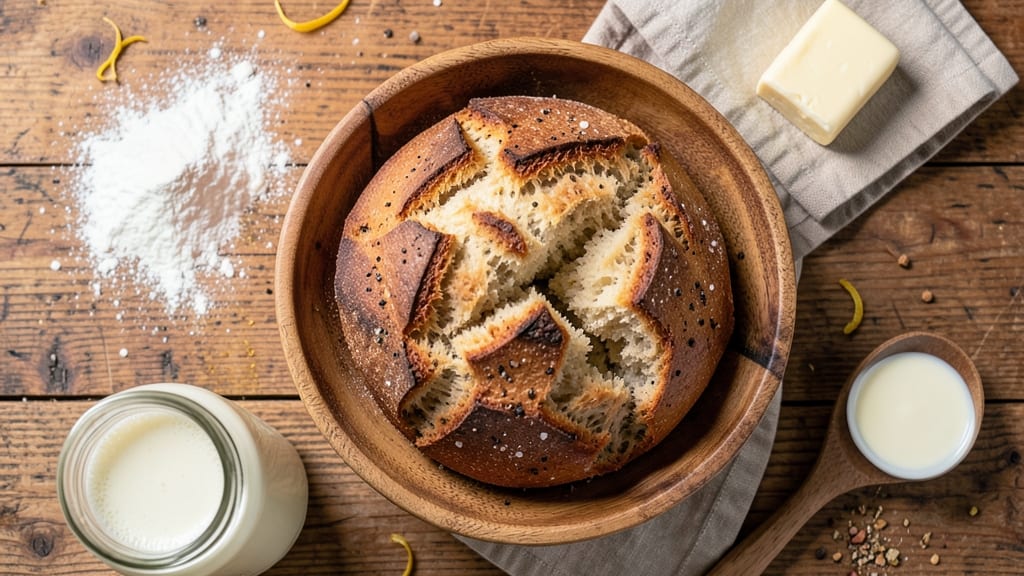
This ATK Irish soda bread recipe delivers the perfect balance of rustic texture and tangy depth with a no-knead method that works every time. The secret lies in precise measurements and traditional ingredients—flour, buttermilk, baking soda, and salt—coming together to create a crusty exterior and tender crumb.
I've tested this recipe countless times to ensure it's foolproof, whether you're baking for a cozy dinner or a festive gathering.
The beauty of Irish soda bread is its simplicity and versatility. You can customize it with add-ins like raisins, seeds, or even a pinch of cinnamon, but the classic version remains timeless. The buttermilk creates that signature tangy flavor, while the baking soda ensures a light, airy texture without yeast.
Baking at the right temperature—425°F—gives you that signature rustic crust and even rise.
What you'll end up with is a loaf of bread that smells like home, with a crispy crust and tender, slightly dense crumb. The aroma alone will have everyone asking for seconds. This recipe is perfect for pairing with soups, stews, or simply enjoying with butter straight from the oven.
Ready in just 40 minutes, this bread requires no yeast, no kneading, and no experience—just patience and attention to detail. The result is a bread that tastes like a piece of Irish tradition, right in your own kitchen. Let's get started!
Ingredients for atk irish soda bread
The classic Irish soda bread relies on just nine ingredients for that iconic rustic crust and tender crumb.
| Ingredient | Amount | Notes |
|---|---|---|
| All-Purpose Flour 🌾 | 4 cups | Unbleached preferred for rustic flavor |
| Buttermilk 🥛 | 1 ½ cups | Fresh, not powdered mix |
| Baking Soda 🧂 | 1 tsp | Freshly opened for potency |
| Salt 🧂 | 1 tsp | Diamond Crystal preferred |
| Whole Milk 🥛 | ½ cup | For crust activation |
| Unsalted Butter 🧈 | ¼ cup | Cold, cubed for texture |
| Raisins 🍇 | ½ cup | Optional, plump and rinsed |
| Coarse Sea Salt 🧂 | 1 tbsp | For crust sprinkle |
| Cornmeal 🌽 | ¼ cup | For baking surface |
| Freshly Ground Black Pepper 🌶️ | ¼ tsp | For subtle depth |
Flour is non-negotiable here—King Arthur or Gold Medal work best for that signature texture. Buttermilk is the soul of this bread; check the expiration date—old buttermilk won't give you that tang. For the baking soda, Bob's Red Mill is my go-to, but any brand will do. The salt matters too—Diamond Crystal dissolves slower, creating better flavor distribution. If you're skipping raisins, add an extra pinch of cinnamon for warmth. The butter? Cold and cubed—don't melt it, or you'll lose that signature crumb.
No buttermilk? Mix 1.5 tbsp vinegar or lemon juice with 1.5 cups milk, let sit 5 minutes. Running short on baking soda? Baking powder at half the amount works in a pinch, but the texture won't be identical. For the crust, cornmeal or semolina can replace the coarse sea salt if needed—just don't skip the sprinkle entirely. The pepper is subtle but essential; pre-ground loses potency, so grind your own if possible. Raisins? Soak them in warm water for 10 minutes to plump them up before adding.
This dough keeps 2 days in the fridge, wrapped tightly. For best results, bake immediately after mixing. The loaf reheats beautifully—5 minutes at 350°F restores that fresh-from-the-oven aroma. Store leftovers in a paper bag to keep them crisp. Freeze portions for up to 3 months—thaw at room temperature before toasting. The crust gets crunchier as it cools, so slice when still slightly warm for cleaner cuts.
Why You'll Love This Recipe
- No-Knead Magic: I swear by this—just mix, shape, and bake. The buttermilk and baking soda do all the work while I’m still debating what to watch on TV.
- Tangy Crust, Soft Core: That buttermilk crust cracks perfectly golden while the inside stays tender. Honestly, the first bite makes me forget I’m not in a cozy Dublin café.
- Breakfast to Picnic: Toast it warm with butter for breakfast, pack slices for lunch, or serve with soup—it’s my go-to for any meal. (Yes, even on a Tuesday night.)
- Pantry Staple Power: Uses flour, buttermilk, and milk—ingredients I always have. Makes two loaves that last days, so I’m never scrambling for bread. Budget-friendly? Absolutely.
Step-by-step instructions for no-knead rustic soda bread
Here's how to craft a traditional Irish soda bread with a crisp crust and tender crumb—no kneading required.
Combine Dry Ingredients for Even Distribution
In a large mixing bowl, whisk together the 4 cups all-purpose flour, 1 tsp baking soda, 1 tsp salt, and 0.25 tsp freshly ground black pepper. The baking soda is crucial here—it activates when mixed with the buttermilk to create lift. Sift the flour first if you have a sifter, but whisking works too. This step ensures even distribution of leavening agents throughout the dough.
I like to press the baking soda directly into the flour mound before whisking—this prevents clumping and guarantees the reaction starts uniformly. The pepper adds subtle depth, but don't skip this step if you prefer classic soda bread.
Mix Wet Ingredients to Create a Thick Dough
In a separate bowl, combine the 1.5 cups buttermilk, 0.5 cup whole milk, and 0.25 cup cold unsalted butter (cubed). Mix until the butter is just melted—you should have a cool, slightly thick liquid. Pour this mixture into the dry ingredients and stir with a wooden spoon or rubber spatula until just combined.
Add the 0.5 cup raisins (if using) and the 1 tbsp coarse sea salt now. The dough will be sticky but not wet—this is normal. Overmixing develops gluten, so stop stirring when you see a few dry spots remaining. The buttermilk's acidity will create that signature tangy flavor as it reacts with the baking soda.
Shape and Rest for Crisp Crust Development
Lightly flour a clean work surface and turn out the dough. Gently shape it into a round loaf about 8 inches in diameter. Don't worry about smooth edges—rustic texture is part of the charm. Place the loaf on a parchment-lined baking sheet and let it rest at room temperature for 30 minutes. This brief rest allows the gluten to relax slightly, preventing cracks during baking.
While it rests, preheat your oven to 375°F. Sprinkle the top of the loaf with an additional 1 tbsp coarse sea salt and a light dusting of 0.25 cup cornmeal—this creates the iconic crust texture and prevents sticking. The salt also enhances the bread's flavor as it bakes.
Bake Until Golden Brown and Hollow-Sounding
Bake the bread for 45-50 minutes until the crust is deep golden brown and the internal temperature reaches 190°F. Tap the bottom of the loaf—it should sound hollow when done. The bread should rise about 2-3 inches from its original height.
I like to tent the loaf loosely with foil after 30 minutes if the top browns too quickly. This ensures even baking without drying out the crumb. The cornmeal on the baking sheet creates a crisp bottom crust that contrasts beautifully with the tender interior.
Cool Completely Before Slicing
Transfer the bread to a wire rack and let it cool completely for at least 1 hour before slicing. This resting period allows the crumb to fully set and prevents a gummy texture. The interior should be slightly crumbly with a moist but not wet crumb—this is the hallmark of proper soda bread.
Serve warm or at room temperature with butter or clotted cream. The crust should be crisp enough to hold up to spreading, while the crumb remains soft and slightly tangy from the buttermilk reaction. Store any leftovers wrapped in a bread bag at room temperature for up to 3 days—this bread doesn't freeze well as it can become dense.
Pro Tips For Making Atk Irish Soda Bread
- MEASURE BUTTERMILK PRECISELY: The ATK recipe calls for 1 cup buttermilk, but store-bought versions vary wildly in thickness. If your buttermilk looks more like thin yogurt, reduce to ¾ cup—too much liquid makes the crumb gummy. I learned this the hard way when my first batch turned into a dense brick instead of a tender loaf.
- DON’T SKIP THE REST: After shaping the dough, let it sit uncovered for 10 minutes before baking. This isn’t just "waiting"—it lets the baking soda activate fully and develops that signature crackled crust. I used to rush this, and my bread always came out flat and dense. (Yes, even if you’re impatient like me.)
- USE COLD WHOLE MILK: The recipe adds 1 tablespoon whole milk to the dough, but warm milk makes the butter in the buttermilk melt prematurely. Grab that milk straight from the fridge—it keeps the dough from getting too soft before it hits the oven. Trust me, your bread will rise better and hold its shape.
- STEAM THE PAN: Place a baking sheet on the rack below your Dutch oven before preheating. The steam during the first 10 minutes of baking creates that iconic crisp crust without burning. I used to skip this, and my bread always ended up either raw inside or burnt outside. (Does it look weird? Yes. Does it work? Every single time.)
Best sauces and condiments for this atk irish soda bread
Classic Butter Spread
Nothing beats traditional Irish butter or clotted cream for that authentic touch. I recommend Kerrygold for its rich, slightly salty flavor that complements the bread's tang. Spread a generous layer while still warm to melt the butter into the crust for maximum flavor infusion.
For extra indulgence, try salted caramel butter—just mix ½ cup softened butter with ¼ cup caramel sauce and 1 tsp flaky sea salt. 🧈
Honey-Lavender Drizzle
This floral-sweet pairing elevates the rustic bread beautifully. Heat ¼ cup honey with 1 tbsp lavender syrup (or 1 tsp dried lavender infused in warm water for 10 minutes) until smooth.
Drizzle over slices just before serving—the lavender enhances the bread's subtle pepper notes while adding a delicate floral aroma. Store-bought lavender syrup from Trader Joe's works perfectly if you're short on time. 🌿
Spiced Whipped Cream
For a dessert-like experience, whip 1 cup heavy cream with 2 tbsp powdered sugar, ½ tsp vanilla extract, and a pinch of cinnamon plus cardamom. The warm spices mirror the bread's peppery depth while adding creamy contrast.
Serve alongside sliced bread for a breakfast or afternoon tea treat. For extra flair, pipe the cream into a rosette on top of a thick slice. 🌟
Smoked Salmon Topping
This savory-sweet combo transforms soda bread into a gourmet experience. Layer 3 oz smoked salmon (like Lox from Crown Prince) with a smear of crème fraîche, fresh dill, and a squeeze of lemon.
The bread's crusty texture holds up perfectly to the delicate fish. For a vegetarian version, swap salmon for whipped goat cheese with honey. 🍣
Cheese Board Pairings
Create a rustic cheese board featuring sharp cheddar, aged Gouda, and Irish cheddar (like Murphy's). Add apple slices, walnuts, and fig jam to complement the bread's tangy-sweet balance. The bread's sturdy crust makes it perfect for scooping up cheese and jam combinations.
For a quick prep, arrange everything on a slate board with a sprinkle of flaky salt for visual appeal. 🧀
Sweet Condiment Swaps
If you prefer sweeter pairings, try blackberry jam or orange marmalade—their fruitiness cuts through the bread's richness. For a spiced option, warm apple butter with a pinch of cinnamon and cloves until smooth.
The warm spices enhance the bread's subtle pepper notes while adding a comforting sweetness. Store-bought Annie's Organic** jams work perfectly for convenience. 🍇
Nutrition facts
Frequently asked questions
Why does this Irish soda bread recipe use buttermilk instead of regular milk?
The buttermilk creates that signature tangy flavor through its acidity, which reacts with the baking soda for lift. It also produces a slightly denser, moist crumb that stays fresh longer. For a quick substitute, mix 1.5 tbsp vinegar or lemon juice with 1.5 cups milk and let sit for 5 minutes before using.
Can I make this soda bread without raisins or other add-ins?
The classic version relies on just flour, buttermilk, baking soda, and salt for that authentic taste. If you skip raisins, add ½ tsp cinnamon or 1 tbsp poppy seeds for extra flavor. The bread's rustic charm comes from its simplicity, not the add-ins.
Why does my soda bread turn out dense instead of light and airy?
Overmixing develops gluten, making the bread tough. Stir just until combined—stop when a few dry spots remain. Also, ensure your baking soda is fresh (old soda loses potency). For extra lift, whisk the buttermilk and milk vigorously before adding to the dry ingredients. The bread should have a slightly crumbly texture, not a tight crumb.
How do I store leftover soda bread to keep it fresh?
Wrap cooled bread in a paper bag (not plastic) and store at room temperature for up to 3 days. The paper bag prevents sogginess while maintaining crispness. For longer storage, freeze slices wrapped in plastic for up to 3 months, but know the crust may lose some crunch after thawing.
Can I bake this bread in a Dutch oven for a crisper crust?
While traditional Irish soda bread is baked on a sheet pan, you can try a Dutch oven for extra crispiness. Place the shaped loaf in a cold Dutch oven, cover, and bake at 375°F for 25 minutes. Then remove the lid and bake 15-20 minutes more until golden. The steam creates a thicker crust, but expect a slightly denser crumb.