
Side Dishes
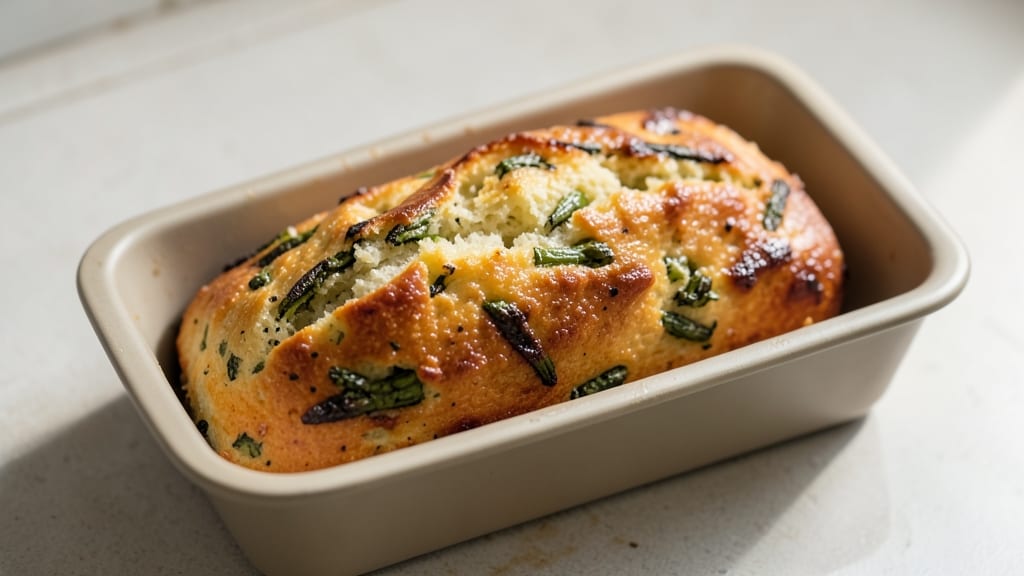
This asparagus bread recipe transforms spring's most beloved vegetable into a fragrant, herb-infused loaf that's perfect for sandwiches or serving alongside soups. The secret lies in finely chopping tender asparagus spears and folding them into a rich dough, creating subtle green flecks throughout without overpowering the bread's natural flavor.
After years of perfecting this technique, I've developed a method that ensures tender crumb and crisp edges every time.
The beauty of this recipe is its versatility—whether you prefer a classic sandwich loaf, a rustic focaccia, or a quick bread variation, the asparagus adds a subtle earthy sweetness that pairs beautifully with herbs like dill and chives.
The dough comes together in just 15 minutes, with a total baking time of 35-40 minutes, making it ideal for weeknight meals or meal prep. No special equipment is needed beyond a standard loaf pan and mixing bowl.
What makes this bread truly special is how the asparagus transforms from a simple vegetable into a flavor enhancer, creating a loaf that's both nutritious and delicious. The result is a golden-brown crust with a soft, slightly tangy interior, where each bite reveals delicate asparagus strands.
This bread holds up beautifully for 3-4 days when stored properly, making it perfect for feeding a family or freezing for later.
Serve your asparagus-infused loaf with butter, cheese, or as the base for gourmet sandwiches. The subtle asparagus flavor adds depth to any meal, proving that vegetables can elevate bread without sacrificing taste. Ready to try this recipe? Let's get started with the ingredients and step-by-step instructions.
Ingredients for asparagus bread
Eight ingredients transform humble vegetables into a fragrant, herb-infused loaf perfect for sandwiches or soups.
| Ingredient | Amount | Notes |
|---|---|---|
| Fresh Asparagus Spears 🥬 | 1 ½ lb | Tender stalks, trimmed and finely chopped |
| All-Purpose Flour 🌾 | 4 cups | King Arthur or similar bread flour preferred |
| Whole Wheat Flour 🌾 | 1 cup | For added fiber and subtle nuttiness |
| Active Dry Yeast 🍞 | 2 ¼ tsps | One packet, dissolved in warm water |
| Granulated Sugar 🍚 | ¼ cup | For yeast activation and slight sweetness |
| Unsalted Butter 🧈 | ½ cup | Cold, cubed for dough enrichment |
| Large Eggs 🥚 | 2 whole | Room temperature for even distribution |
| Fresh Dill 🌿 | ¼ cup | Finely chopped, stems removed |
| Fresh Chives 🌿 | ¼ cup | Thinly sliced for delicate flavor |
| Garlic Cloves 🧄 | 4 cloves | Minced for aromatic depth |
| Diamond Crystal Kosher Salt 🧂 | 1 ½ tsps | Adjust for taste preference |
| Extra-Virgin Olive Oil 🫒 | ¼ cup | For dough enrichment and crisp crust |
| Milk 🥛 | ½ cup | Warm, to enhance gluten development |
| Cornmeal 🌽 | ¼ cup | For dusting loaf pan |
The asparagus is the star here—tender spears from the market's early spring harvest work best, with vibrant green tips and crisp stalks. Whole Foods or local farmers markets often carry the freshest cuts, and you'll want about 1.5 pounds for optimal flavor without bitterness. Trim the woody ends carefully, then pulse in a food processor until you have finely chopped spears that will distribute evenly through the dough. The herbs—dill and chives—should be bright and fresh, with no wilting or yellowing. For the flour, King Arthur brand is my go-to for bread baking, as it develops gluten beautifully, but any high-quality all-purpose flour will work. The yeast is critical: use active dry yeast and ensure it's fresh, as old yeast loses potency and can lead to flat bread.
No fresh dill? Dried dill at one-third the amount works, though the flavor will be less vibrant. Substitute chives with green onions or scallions for a milder onion note. For a gluten-free variation, replace the all-purpose flour with a 1:1 gluten-free baking blend, though texture may differ slightly. The butter should be cold when mixed into the dough to prevent overdevelopment of gluten, but it will soften as the dough comes together. If you're short on time, vegetable shortening can be substituted at the same quantity, though butter yields superior flavor. The milk can be swapped for plant-based milk if needed, though dairy milk enhances the bread's richness. For a sweeter loaf, increase the granulated sugar to 0.375 cups, though the original amount provides just enough carbs for yeast activation.
This loaf keeps beautifully for 3-4 days when stored in an airtight container at room temperature, though it's best enjoyed fresh. For longer storage, freeze the cooled loaf wrapped tightly in plastic for up to 3 months. To reheat, wrap in foil and warm in a 350°F oven for 10 minutes to restore crispness. The bread pairs exceptionally well with sharp cheddar or brie for sandwiches, or alongside creamy soups like potato leek or butternut squash. For optimal flavor, bake the loaf in a preheated Dutch oven if available—it creates a crispier crust and more even heat distribution. Portion the dough into individual loaves if making multiple batches, as the asparagus flavor intensifies with time.
Why You'll Love This Recipe
- No Waste, All Flavor: I chop asparagus spears into the dough—no fancy prep, just trim the tough ends and toss them in raw. That bright, grassy bite stays fresh, not lost to boiling or roasting.
- One-Bowl Wonder: Honestly, this is my lazy-day hero. Mix the yeast with warm water, fold in the flour blend (half all-purpose, half whole wheat for texture), then just stir in the chopped asparagus. No kneading, no mess—just dump and prove.
- Brunch Star or Snack Savior: Between us, this bread is ridiculously good toasted with butter for weekend brunch, but it’s also my go-to for packing lunches. Slice it, wrap it—it keeps for days without getting soggy.
- Budget Crunch Fix: I use whatever asparagus is on sale, even the thicker stalks (they’re sweeter!). The whole wheat flour stretches the dough, and a single yeast packet makes a whole loaf. Leftovers? Toast them or freeze them—no guilt, all satisfaction.
Step-by-step instructions for herb-infused asparagus bread
This method transforms fresh asparagus into a flavorful, nutritious loaf with perfect texture and aromatic herbs.
Prepare the Asparagus and Yeast Mixture
Trim the tough ends from the 1.5 lb fresh asparagus spears and chop the tender stalks into small pieces. You'll need about 2 cups finely chopped asparagus. Steam the chopped asparagus for 3 minutes until just tender but still vibrant green. Drain and let cool completely before using.
In a small bowl, combine the 2.25 tsps active dry yeast with the 0.25 cup granulated sugar and 0.5 cup warm milk (around 110°F). Let this mixture sit for 5-10 minutes until it becomes foamy. This activates the yeast and ensures proper rise in your dough.
Mix the Dough Ingredients
In a large mixing bowl, combine the 4 cups all-purpose flour, 1 cup whole wheat flour, and 1.5 tsps diamond crystal kosher salt. Create a well in the center and pour in the yeast mixture, 0.5 cup cold cubed unsalted butter, 2 whole large eggs, 0.25 cup extra-virgin olive oil, and the cooled chopped asparagus.
Using a dough hook attachment on a stand mixer, combine everything on low speed until a rough dough forms. Gradually increase to medium speed and mix for 3-4 minutes until the dough comes together and pulls away from the sides of the bowl. The dough should be soft but not sticky.
Knead and Develop Gluten
Transfer the dough to a lightly floured surface and knead for 8-10 minutes until smooth and elastic. You're looking for a dough that springs back slowly when poked. If it feels too sticky, add flour 1 tablespoon at a time; if too dry, add water sparingly.
Shape the dough into a ball and place it in a lightly oiled bowl. Cover with a damp kitchen towel and let rise in a warm place for 1-1.5 hours or until doubled in size. The dough should feel light and airy when pressed gently.
Incorporate Herbs and Shape the Loaf
Punch down the risen dough and transfer it back to your mixing bowl. Add the 0.25 cup finely chopped fresh dill, 0.25 cup thinly sliced fresh chives, and 4 cloves minced garlic. Using clean hands or a wooden spoon, gently fold these ingredients into the dough until evenly distributed.
Shape the dough into a 9x5-inch loaf pan, seam side up. Brush the top with a little extra olive oil or melted butter for a crisp crust. Cover again and let rise for another 30-45 minutes until the dough has expanded and feels firm to the touch.
Bake to Golden Perfection
Preheat your oven to 375°F. Dust a 9x5-inch loaf pan generously with 0.25 cup cornmeal. Transfer the risen dough to the prepared pan, gently pressing down to ensure it fills the pan completely. Bake for 30-35 minutes until the top is golden brown and the internal temperature reaches 190°F.
Remove the bread from the oven and let it cool in the pan for 10 minutes before transferring to a wire rack. The loaf should have a crisp crust with a tender interior, and you should be able to smell the aromatic herbs and subtle asparagus flavor throughout. Slice when completely cool for best results.
Pro Tips For Making Asparagus Bread
- Trim Asparagus Properly: Cut off the tough, woody ends at an angle—about 1.5 inches from the base—so they don’t peek out when folded into the dough. I used to just snap them, but that leaves uneven bits that make the bread look messy.
- Blend Flours First: Mix the all-purpose and whole wheat flours together before adding yeast and sugar. This keeps the whole wheat from absorbing too much moisture early, which can kill your yeast faster than you’d like.
- Proof at Room Temp: Let the dough rise in a spot that’s 75°F (24°C) or warmer—near an oven with the light on works. Cold kitchens slow yeast down, and you’ll end up waiting twice as long for that first rise.
- Fold Asparagus Tight: Press the blanched asparagus spears into the dough firmly so they stay put during shaping. If they’re loose, they’ll float to the top when baking, leaving half your loaf asparagus-free.
Make-ahead tips for this dish
Dough Prep Ahead
Mix your dough the night before and let it rise overnight in the refrigerator for enhanced flavor development. Place the shaped dough in an airtight container and refrigerate for 12-16 hours. The cold slows fermentation, intensifying the asparagus and herb flavors.
When ready to bake, let the dough sit at room temperature for 1 hour before the second rise and baking. This method saves time and improves texture. 🌱
Herb Infusion Shortcut
Pre-chop your fresh dill and chives and store them in a small airtight container in the fridge for up to 3 days. This saves you from chopping fresh herbs right before shaping the loaf.
For even more convenience, blend the herbs with a little water to create a herb paste, which you can store in an ice cube tray and freeze. Add a cube directly to the dough when ready to shape. ✨
Baked Storage Secrets
Let your asparagus bread cool completely before storing. Wrap it tightly in plastic wrap or place it in an airtight container with a slice of bread or a damp paper towel to prevent drying.
Store at room temperature for 3-4 days or freeze for up to 3 months. For best results, reheat slices in a toaster oven at 350°F for 5 minutes to restore crispness. 🔥
Freezing Dough
You can freeze the dough after the first rise for up to 2 weeks. Shape the dough into a loaf, place it in an airtight container, and freeze.
When ready to bake, thaw the dough in the refrigerator overnight, then proceed with the second rise and baking as directed. This is perfect for busy days or when you want to prepare ahead for weekend baking. ❄️
Batch Baking Tips
Double or triple the recipe and freeze individual loaves for easy meal prep. Use quart-sized freezer bags for efficient storage, squeezing out excess air to prevent freezer burn.
When ready to use, thaw overnight in the refrigerator and bake as usual. This ensures you always have fresh, homemade bread on hand for sandwiches or toast. 💡
Reviving Stale Bread
If your asparagus bread starts to dry out, revive it by wrapping it in a damp paper towel and placing it in a baking dish. Cover with foil and heat in a 350°F oven for 10 minutes.
The steam will restore moisture, making it soft and fresh again. This trick works especially well for toast or sandwiches. 🌟
Nutrition facts
Frequently asked questions
Can I use frozen asparagus instead of fresh?
Yes, but with a few adjustments! Thaw the frozen asparagus first, then steam it for 4-5 minutes (longer than fresh) to soften fully. Drain well and chop finely—frozen asparagus tends to be more watery, so pat it dry with a paper towel before mixing into the dough. The flavor will be slightly less vibrant, but still delicious.
Why does my dough smell strong like asparagus?
The strong asparagus aroma comes from the raw vegetable's natural compounds. To mellow it, steam the asparagus until just tender (not mushy) and let it cool completely before adding to the dough. Also, the yeast and herbs help balance the flavor during baking. If it's still too overpowering, reduce the asparagus to 1 cup instead of 2 cups.
Can I make this bread without a stand mixer?
Mix the dough by hand in a large bowl using a wooden spoon or your hands. After combining all ingredients, turn it out onto a lightly floured surface and knead for 10-12 minutes until smooth and elastic. The extra effort develops the gluten just as well—your arms will thank you for the workout!
How do I know when the bread is fully baked?
Look for a deep golden-brown crust and listen for a hollow sound when you tap the bottom—it should echo like wood. The internal temperature should reach 190°F when measured with an instant-read thermometer. If unsure, bake for 5 more minutes to ensure doneness. Underbaked bread will feel gummy inside.
What's the best way to add extra flavor?
Try adding 1 teaspoon of lemon zest to the dough for brightness or 1/4 cup grated Parmesan for umami depth. For a smoky twist, brush the baked loaf with olive oil mixed with smoked paprika while still warm. The herbs and asparagus already provide great flavor, so add just one extra element to avoid overpowering the bread.