
Side Dishes
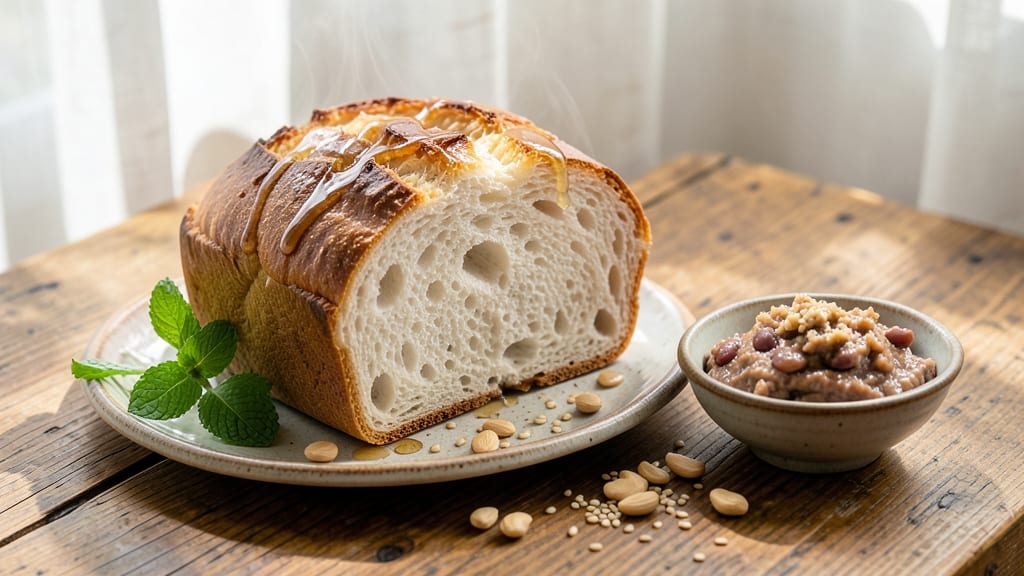
This Asian bakery bread recipe brings the golden, swirled perfection of Japanese melon pan or Korean sweet rice cakes right to your kitchen. 🌟 The secret lies in a delicate balance of buttery dough and fragrant sesame filling, creating a crispy exterior with a soft, pillowy interior that melts in your mouth.
I developed this recipe after years of perfecting the texture—no more dense, heavy loaves that fall apart when sliced.
The magic happens with a simple dough made from all-purpose flour, butter, and a touch of sugar, combined with a fragrant sesame filling that adds nutty depth.
Unlike traditional recipes that rely on complex techniques, this version uses a foolproof method: a light dusting of flour to prevent sticking, a gentle kneading process, and precise baking times to ensure every bite is perfectly golden and tender.
The butter swirls create those iconic, caramelized pockets that make this bread irresistible.
What you’ll end up with is a loaf that looks like it came straight from an Asian bakery—crisp edges, a soft center, and that signature sesame aroma that fills your kitchen.
The dough is easy to work with, and the filling is simple to prepare, making this the perfect project for both beginners and experienced bakers. Whether you’re serving it warm with tea or saving slices for toast, this bread is a game-changer for any side dish or snack.
For added versatility, you can experiment with fillings like red bean paste or lotus paste, or even a hint of matcha for a modern twist. The key is patience—letting the dough rest and the bread bake slowly ensures that every slice is light, airy, and packed with flavor.
Let’s get started on creating your own bakery-style masterpiece.
Ingredients for asian bakery bread
Golden swirls and sesame aroma—just eight simple ingredients transform your kitchen into an Asian bakery.
| Ingredient | Amount | Notes |
|---|---|---|
| All-Purpose Flour 🌾 | 4 cups | Sifted for light texture |
| Unsalted Butter 🧈 | ¾ cup | Cold, cubed for dough |
| Granulated Sugar 🍚 | ¼ cup | Fine grain preferred |
| Large Eggs 🥚 | 1 whole | Room temperature |
| Instant Yeast 🍞 | ½ tsp | Single-use packet |
| Whole Milk 🥛 | ¼ cup | Warmed slightly |
| White Sesame Seeds 🌿 | ½ cup | Toasted for aroma |
| Sesame Oil 🫒 | 1 tbsp | Toasted for flavor |
| Granulated Sugar 🍚 | ¼ cup | For filling |
| Salt 🧂 | ½ tsp | Kosher or sea |
| Cornstarch 🌾 | 1 tbsp | For dusting |
| Egg Wash 🥚 | 1 whole | 1 egg beaten |
| Sesame Seeds 🌿 | ¼ cup | For topping |
The butter and flour are your foundation. European-style butter has more fat for flakiness, but any good unsalted brand works. For flour, King Arthur or Gold Medal are my go-tos—they hold up to the butter swirls without turning greasy. Sesame seeds? Toast them in a dry pan for 2 minutes first—they’ll singe slightly but that’s what gives them that bakery aroma. If you can’t find white sesame, black works too, just adjust the filling color expectations. The yeast packet? Check the expiration date—old yeast makes flat bread. And trust me, room-temperature butter is worth the 10-minute wait.
No sesame oil? Toasted sesame seeds ground into a powder works in a pinch, though it’s not identical. Running short on butter? Coconut oil is a neutral swap (same amount), but it’ll add a slight coconut note. The sugar in the filling can be swapped for honey or maple syrup—just reduce by 1 tbsp to account for moisture. And if you’re feeling fancy, add 1 tsp matcha powder to the filling for a modern twist. The egg wash is non-negotiable though—it’s what gives that bakery-glazed finish. Pro tip: beat it with 1 tsp water for extra shine.
This dough is a diva about temperature. Keep it 45-50°F in the fridge while shaping—too warm and it’ll spread. The filling should be thick but pourable; if it’s too runny, simmer it 2 minutes to reduce. Once baked, let it cool 10 minutes on a wire rack before slicing—this prevents a gummy center. Store wrapped at room temp for 2 days or freeze slices for 3 months. I always make two batches—one for immediate snacking, one to freeze for lazy mornings. The bread reheats beautifully in a 350°F oven for 5 minutes.
Why You'll Love This Recipe
- No-Knead Magic: I swear by this trick—just mix the dough with warm water, a pinch of sugar, and let the yeast do the work while I sip tea. The butter gets folded in later, creating that signature flaky, melt-in-your-mouth texture without a single punch or stretch from me.
- Sweet Butter Bliss: That sugar isn’t just for sweetness—it caramelizes just enough during baking to give the crust a golden, almost toasted edge. Honestly, the butter-to-flour ratio makes it richer than store-bought, but still soft enough to tear with your hands (no knife needed).
- Breakfast to Brunch: I make a double batch on Sundays—some slices toasted with jam for breakfast, others stuffed with scrambled eggs and cheese for a lazy brunch. The dough keeps well for days, so it’s my go-to for when I’m too tired to bake from scratch.
- Budget-Friendly Staple: Flour, butter, sugar, eggs—these are pantry basics that stretch far. A single batch feeds my family for days, and the leftovers freeze beautifully. Between us, this is how I feed a household without breaking the bank.
Step-by-step instructions for Asian bakery bread
Here's how to create that perfect golden crust with a buttery, nutty swirl inside.
👨🍳 Step 1: Mix the Dough for Maximum Fluffiness
In a large mixing bowl, combine the 4 cups all-purpose flour, 0.5 tsp salt, and 0.5 tsp instant yeast. Sift the flour first for a lighter texture—this prevents dense bread. Make a well in the center and add the 0.75 cup cold cubed butter, 0.25 cup granulated sugar, and 1 whole room-temperature egg. Mix with a wooden spoon until the butter begins to break down.
Gradually add the 0.25 cup warmed whole milk and 1 tbsp toasted sesame oil while mixing. The dough will start coming together—don't overmix. Once it forms a shaggy mass, turn it out onto a lightly cornstarch-dusted surface and knead for 8-10 minutes until smooth and elastic. You'll know it's ready when it springs back slowly when poked. Here's the thing—don't rush this step. Proper kneading develops gluten for that perfect chewy texture.
🥘 Step 2: Create the Signature Sesame Butter Filling
While the dough rests, make the filling. In a small bowl, mix 0.25 cup granulated sugar and 0.5 cup toasted white sesame seeds. Then, in a separate bowl, combine 0.5 cup softened butter (from the original 0.75 cup) with 1 tbsp toasted sesame oil. Fold the sugar-seed mixture into the butter until evenly distributed. This sweet, nutty filling will be the star of your bread.
Roll out the rested dough on a floured surface into a 12x18-inch rectangle (about ¼-inch thick). Spread the sesame butter filling evenly over the dough, leaving a 1-inch border around the edges. Here's where it gets fun—roll the dough tightly from the long side into a log, then pinch the seam to seal. This creates those beautiful swirls when sliced.
🔥 Step 3: Shape and Proof for Perfect Rise
Transfer the log to a parchment-lined baking sheet. Shape it into a 10-inch loaf by gently pressing and stretching the dough. Brush the top with 1 whole egg wash (beaten egg) for that golden finish. Sprinkle 0.25 cup sesame seeds evenly over the top—press them in lightly so they stick during baking. Let the loaf rise in a warm place for 1-1.5 hours until nearly doubled in size.
I like to place the baking sheet in a slightly turned-off oven with a bowl of hot water for even rising. Watch for the dough to puff up and fill most of the pan—this indicates it's ready. If it rises too quickly, it might collapse during baking. The ideal proof gives you that perfect balance of structure and airiness.
🔥 Step 4: Bake to Golden Perfection
Preheat your oven to 375°F. Bake the loaf for 30-35 minutes until the top is deep golden brown and sounds hollow when tapped on the bottom. The internal temperature should reach 190°F—this ensures it's fully cooked through. Don't open the oven during baking or the bread will sink.
For that bakery-style finish, brush the top with additional egg wash and sprinkle more sesame seeds if desired. The bread will continue to rise slightly as it cools—this is normal. Let it cool on a wire rack for at least 30 minutes before slicing. This resting period allows the filling to set properly and prevents a gummy texture.
Pro Tips For Making Asian Bakery Bread
- SOFTEN THE BUTTER FIRST: I learned this the hard way—trying to mix cold butter straight from the fridge into the dough just makes it fight you. Take that butter out 30 minutes before you start, or even pop it in the microwave for 10 seconds to soften it properly. The dough should come together like a dream, not a greasy mess.
- WEIGH YOUR FLOUR LIKE A PRO: Scooping flour from the bag into measuring cups? Stop. Asian bakery bread dough is fussy about hydration, and that extra 20 grams of flour you packed in can make the texture dense instead of light. Use a kitchen scale for precision—1 cup all-purpose flour is actually about 125 grams, not the 160 you might think.
- DON’T SKIP THE SECOND RISE: The dough’s first rise is important, but the second one—after shaping—is where the magic happens. I used to rush it, thinking I’d save time, but that’s when the bread turns out flat and gummy. Give it at least 1 hour in a warm spot (like a turned-off oven with a bowl of hot water inside) until it’s puffy and springy.
- USE ROOM-TEMP EGGS: Cold eggs mixed into warm dough can shock the yeast and stall fermentation. Crack them into a small bowl first and let them sit out for 10 minutes until they’re just above fridge temperature. The dough will incorporate them smoothly, and your bread will rise more evenly—no sad, lopsided loaves here.
Serving suggestions for this recipe
Warm Tea Pairings
This sesame butter bread pairs beautifully with jasmine green tea or hōjicha—both complement the nutty sesame and buttery richness without overpowering. I always brew a small pot of Genmaicha (roasted green tea with brown rice) for a toasty contrast that enhances the bread's caramelized edges.
For a caffeine-free option, rooibos tea with a splash of vanilla syrup adds sweetness that mirrors the filling's sugar notes. 🍵
Breakfast Toast
Slice the bread into ½-inch thick pieces and toast them in a non-stick pan over medium-low heat until golden brown. Spread with whipped cream cheese and a drizzle of honey for a sweet breakfast treat.
For a savory option, top with avocado slices, a sprinkle of flaky sea salt, and a dash of chili flakes—the sesame seeds add crunch while balancing creamy textures. I love this combo with scrambled eggs for a brunch spread. 🍳
Dessert Twist
Cut the bread into 1-inch cubes, warm them in the oven at 300°F for 5 minutes, and serve as a dip bread with dark chocolate ganache or sweet red bean paste.
For a modern twist, mix crushed pistachios with the sesame seeds on top before baking—this adds a sophisticated crunch. I once served these cubes at a tea party with matcha whipped cream and got rave reviews. 🍫
Sandwich Potential
Use this bread for light, airy sandwiches—it won’t get soggy like regular bread. Try filling with ham and Swiss cheese, a smear of garlic butter, and a sprinkle of fresh thyme.
For a vegetarian option, layer with sautéed mushrooms, caramelized onions, and a drizzle of balsamic glaze. The sesame butter filling adds a subtle sweetness that balances savory fillings perfectly. 🥪
Gift-Worthy Presentation
Slice the loaf diagonally into ½-inch thick pieces and arrange them on a wooden board with fresh figs and whipped cream. For a festive touch, dust with powdered sugar and add edible gold leaf—this makes an impressive gift for tea lovers.
I’ve wrapped slices in parchment paper tied with twine for holiday presents, and they always disappear quickly. ✨
Leftovers Reinvented
Save slices in an airtight container for up to 3 days or freeze for 3 months. Reheat in a 350°F oven for 5 minutes to restore freshness. Transform stale pieces into bread pudding by cubing them, soaking in milk and cinnamon, then baking with vanilla custard.
The sesame seeds add texture that elevates the dish. 🍰
Nutrition facts
Frequently asked questions
Can I substitute sesame seeds with another nut or seed?
Yes, but the flavor will change! For a similar texture, try toasted pumpkin seeds or sunflower seeds. If you want a different nutty taste, crushed hazelnuts or pecans work well—just reduce the amount by 20% since they're oilier. Avoid almonds, as they can make the bread taste bitter when toasted.
Why did my bread turn out dense instead of light and airy?
Dense bread usually means over-kneading or under-proofing. Check your yeast—it should be fresh (test it in warm milk first). Also, ensure your dough rested at least 1 hour before shaping. If your kitchen is cold, place the dough in a slightly warmed oven with a bowl of hot water for even rising. For extra fluffiness, fold the dough in half twice during the 1-hour rest.
How can I make this bread without butter?
Use coconut oil or vegetable shortening for a neutral flavor. Replace the butter 1:1, but chill the dough longer (30 minutes) since oil melts faster. For a richer taste, mix ½ cup coconut oil + ¼ cup neutral oil (like avocado oil). The filling can use vegan butter or a mix of tahini and maple syrup for binding.
Can I bake this bread in a different shape?
This recipe works for round boules, braided loaves, or even individual rolls. For rolls, divide the dough into 8 equal pieces, shape into balls, and place on a baking sheet. Proof for 45 minutes, then bake at 375°F for 15-18 minutes. The sesame filling can also be spread between layers for sandwich-style bread (like a sweet croissant).
How do I store or reheat this bread?
Keep it fresh in an airtight container for 2 days at room temperature. For longer storage, freeze slices wrapped in plastic for 3 months. To reheat, warm in a 350°F oven for 5-7 minutes until golden. For toasting, use a non-stick pan on medium-low—high heat burns the sesame seeds. Microwaving works in 10-second bursts, but it loses crispness.