
Side Dishes
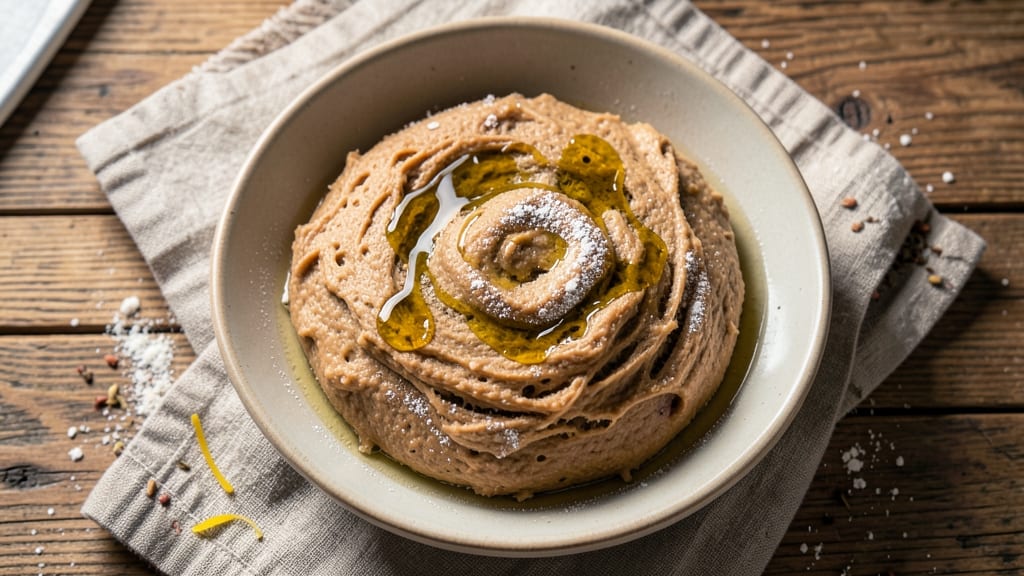
Mastering artisan-style bread means achieving that perfect crusty bite with a pillowy crumb—something that transforms ordinary loaves into showstopping centerpieces. This recipe combines traditional techniques with modern precision, using simple ingredients like high-quality flour, yeast, and salt to create bread that rivals bakery favorites.
The key lies in proper kneading, proofing, and baking at high temperatures to develop that signature golden crust and airy interior.
What sets this recipe apart is the attention to detail: a steam bath for crispiness, strategic scoring for even expansion, and the option to incorporate olive oil or honey for added depth.
Whether you're using a Dutch oven or baking sheet, the results are consistently impressive, with a flavor profile that's both rustic and refined. The dough develops naturally, allowing the gluten to strengthen without overworking it—critical for that ideal texture.
By the time you pull it from the oven, you'll have a loaf with a shatteringly crisp crust and a soft, open crumb that's perfect for sandwiches or simply enjoying with butter.
The aroma alone will have everyone gathering around your table, and the satisfaction of creating something so beautiful and delicious from scratch is unmatched. This is bread that feels like a labor of love—and every bite proves it.
Ready to elevate your baking game? The process is straightforward but requires patience, particularly during the proofing stages where timing is everything. With practice, you'll achieve consistent results that make this artisan-style bread a staple in your kitchen. Let's get started on creating something truly memorable.
Ingredients for artisan style bread
High-quality flour, yeast, and salt form the foundation of this bakery-style loaf—simple ingredients for extraordinary results.
| Ingredient | Amount | Notes |
|---|---|---|
| Bread Flour 🌾 | 4 cups | High-protein for structure (12-14%) |
| Instant Yeast 🍞 | 2 ½ tsp | Active dry works too (use 1 tsp more) |
| Granulated Sugar 🍬 | ½ tsp | Feeds yeast for faster rise |
| Salt 🧂 | 2 tsp | Diamond Crystal preferred (kosher) |
| Extra-Virgin Olive Oil 🫒 | ½ cup | For enriched dough (optional) |
| Warm Water 💧 | 1 ½ cups | 105-110°F for yeast activation |
| Honey 🍯 | 1 tbsp | For sweetness and browning (optional) |
| Cornmeal 🌽 | ¼ cup | For dusting parchment paper |
| Ice Cubes ❄️ | ½ cup | For chilling dough (optional) |
The flour is non-negotiable here. King Arthur or Caputo bread flour (12-14% protein) gives that perfect open crumb, but King Arthur all-purpose works in a pinch. I always buy my yeast from Penzeys—it stays fresh longer and activates reliably. The salt matters too: Diamond Crystal dissolves better than table salt, and you can't taste the difference. For the olive oil, California Avocado Ranch or Colavita brands have that fruity punch that translates to flavor. Warm water should be just shy of boiling—dip your finger in to test (should feel like bath water).
No bread flour? All-purpose plus 1 tbsp vital wheat gluten gets you close. Running late? Skip the honey—the sugar is optional but adds browning. The cornmeal is just for dusting, but if you're feeling fancy, try semolina flour instead. For the yeast, if it's over 6 months old, toast it in the oven for 5 minutes to reactivate. The ice cubes are a pro trick—sprinkle them on the dough before shaping to chill it instantly without a fridge. And if you're using a Dutch oven, preheat it with the bread for that perfect steam bath.
This dough keeps in the fridge for 24 hours wrapped tightly in plastic, or 3 months frozen. For storage, I like to slice the loaf and freeze individual portions—just reheat in a toaster or oven. The crust stays crisp for 2 days if stored in a paper bag, but honestly, it's best eaten fresh. Pro tip: Score the dough with a razor blade before baking for that bakery-worthy look. And save those scraps—they make perfect croutons.
Why You'll Love This Recipe
- No-Knead Magic: I swear by this dough—just mix, let it rise, and bake. The bread flour gives that perfect chew, while the olive oil keeps it tender without overworking me.
- Golden Crust Promise: That crispy, caramelized top? Pure reward. A sprinkle of sugar before baking turns into a sweet, crackly shell you’ll fight over—no fancy tools, just patience.
- Weeknight & Holiday: Same dough, endless uses. Toast it for breakfast, tear it for sandwiches, or freeze slices for toast later. Even my picky teen grabs it straight from the bag.
- Budget Baking Wins: Five ingredients, endless loaves. No yeast packets to waste, no specialty flours—just reliable, crusty bread that costs pennies per slice. Leftovers? Toast them into existence.
Step-by-step instructions for artisan style bread
Here's how to craft bread with a crisp crust and airy interior—every detail matters.
Activate the Yeast and Mix the Dough
In a large mixing bowl, combine the 1.5 cups warm water (between 105-110°F—too hot kills yeast), 0.5 tsp granulated sugar, and 2.5 tsp instant yeast. Let sit for 5-10 minutes until frothy. This step ensures your yeast is active and ready to work.
Add the 4 cups bread flour, 2 tsp salt, and 0.5 cup extra-virgin olive oil to the bowl. Mix with a wooden spoon until a shaggy dough forms. The dough will feel sticky—this is normal with high-protein flour. Use your hands to knead for 8-10 minutes until smooth and elastic. You'll know it's ready when it springs back slowly when poked.
Bulk Ferment for Maximum Flavor
Lightly oil a large bowl, place the dough inside, and cover with a damp kitchen towel. Let it rise at room temperature for 1-2 hours, or until it has nearly doubled in size. You'll see bubbles forming on the surface and the dough will feel light and airy when pressed gently.
This bulk fermentation develops gluten strands and deepens flavor. If your kitchen is cold, extend the time to 3 hours—patience here makes all the difference. Avoid overproofing; the dough should still feel slightly firm to the touch.
Shape and Chill the Dough
Turn the dough onto a lightly floured surface and shape it into a tight round loaf. For a rustic look, gently press dimples into the top with your fingertips. Place the dough on a parchment-lined baking sheet and dust the top with 0.25 cup cornmeal to prevent sticking.
Cover the dough and refrigerate for at least 12 hours (overnight works best). This cold fermentation enhances flavor and improves texture. The dough will rise slightly in the fridge—this is normal. If you're short on time, chill for 4 hours minimum.
Bake for Crusty Perfection
Preheat your oven to 450°F with a Dutch oven inside for 30 minutes. Remove the Dutch oven and place the dough inside (with parchment). Add 0.5 cup ice cubes to the bottom of the oven to create steam. Bake covered for 20 minutes, then uncover and bake for another 15-20 minutes until the crust is deep golden brown.
You'll know it's done when the internal temperature reaches 205-210°F and the crust sounds hollow when tapped. The bread should have a crackly exterior and a soft, open crumb inside. Let it cool on a wire rack for at least 1 hour before slicing—this prevents a gummy texture.
Pro Tips For Making Artisan Style Bread
- WEIGH YOUR FLOUR: I learned this the hard way—measuring bread flour by scooping from the bag adds way too much air, which throws off hydration. Use a kitchen scale and hit 500g exactly for a 1000g dough; the difference in texture is night and day.
- DISOLVE YEAST IN WARM WATER: Instant yeast is forgiving, but it still needs a little help. Mix it with the sugar in warm (not hot) water (about 105°F/40°C)—let it sit for 5 minutes until frothy before adding to the flour. This guarantees it’s active and cuts down on proofing time.
- STRETCH, DON’T PUNCH: When shaping your dough, resist the urge to slap or punch it into submission. Instead, gently stretch the surface while rotating the boule—this builds tension and gives you that perfect oven spring. (Yes, it looks messy at first.)
- USE OLIVE OIL FOR SCORE: Skip the water spray for scoring—dip your lame in extra-virgin olive oil instead. It crisps the cut edges beautifully and adds a subtle richness. Just don’t overdo it; a light coat is enough.
Wine and beer pairings for artisan style bread
Crisp White Wine
Artisan bread’s bright, airy crumb pairs beautifully with Sauvignon Blanc from New Zealand or Loire Valley, France. Look for wines with citrus notes like Cloudy Bay or Sancerre—their acidity cuts through the richness of the crust while complementing the dough’s subtle sweetness.
Serve slightly chilled to enhance the bread’s crisp texture. 🍷
Malty Amber Ale
For beer lovers, a Belgian-style amber ale like Allagash White or Leffe Blonde bridges the gap between rustic and refined. The caramel and spice notes mirror the bread’s toasted crust, while the effervescence cleanses your palate between bites. Avoid heavy stouts—they’ll overpower the delicate crumb.
Dry Rosé Pairing
A Provence-style rosé (try Whispering Angel) adds a refreshing contrast with its strawberry and floral undertones. The wine’s crisp acidity balances the bread’s buttery crust, making it ideal for warm-weather gatherings. Opt for unoaked rosé to preserve the bread’s clean, artisanal profile.
Honey-Infused Options
If your bread includes honey, pair it with Gewürztraminer or Moscato d’Asti to amplify the sweetness. The wine’s lychee and honeyed notes create a harmonious match, especially for breakfast or brunch. For a non-alcoholic twist, try sparkling apple cider with a dash of cinnamon.
Red Wine for Bold Bakers
Dark, rustic breads with olive oil or whole grain pair well with Pinot Noir from Oregon or Chianti Classico. The wine’s earthy tannins and cherry notes echo the bread’s depth, while its acidity prevents heaviness. Decant for 30 minutes to soften tannins and enhance aroma.
Nutrition facts
Frequently asked questions
Can I substitute bread flour with all-purpose flour?
Yes, but your bread won't be quite as open or chewy. Use 4 cups all-purpose flour plus 1 tablespoon vital wheat gluten to mimic the protein content of bread flour. The gluten helps develop that signature artisan texture, though the results will be slightly less airy. For best results, stick with bread flour if possible.
Why does my dough feel too sticky?
High-protein bread flour absorbs more water, creating a stickier dough—this is normal! Dust your work surface with semolina or rice flour instead of regular flour, as they have larger particles that prevent sticking. Wet your hands slightly when handling the dough to avoid absorbing too much flour, which can weaken gluten development.
How do I know when the dough is fully proofed?
Look for 2 key signs: the dough should have visibly doubled in size and leave a gentle "dimple" when pressed with a fingertip that slowly springs back. If it springs back immediately, it needs more time. If it doesn't spring back at all, it's overproofed. Room temperature rises typically take 1-2 hours, while cold fermentation in the fridge takes 8-12 hours.
Can I bake this bread without a Dutch oven?
For a crispy crust without a Dutch oven, bake the bread on a preheated baking sheet at 475°F for 25-30 minutes. Create steam by placing a metal bowl of water on the oven rack. The crust won't be as thick, but you'll still get excellent results. For extra crunch, brush the baked loaf with melted butter while hot.
What's the best way to store leftover artisan bread?
Wrap the cooled loaf tightly in plastic wrap or place it in an airtight container to maintain freshness. Store at room temperature for 2-3 days, or freeze sliced portions for up to 3 months. To revive frozen bread, warm slices in a toaster or oven for 5-10 minutes at 350°F until crispy again.