
Side Dishes
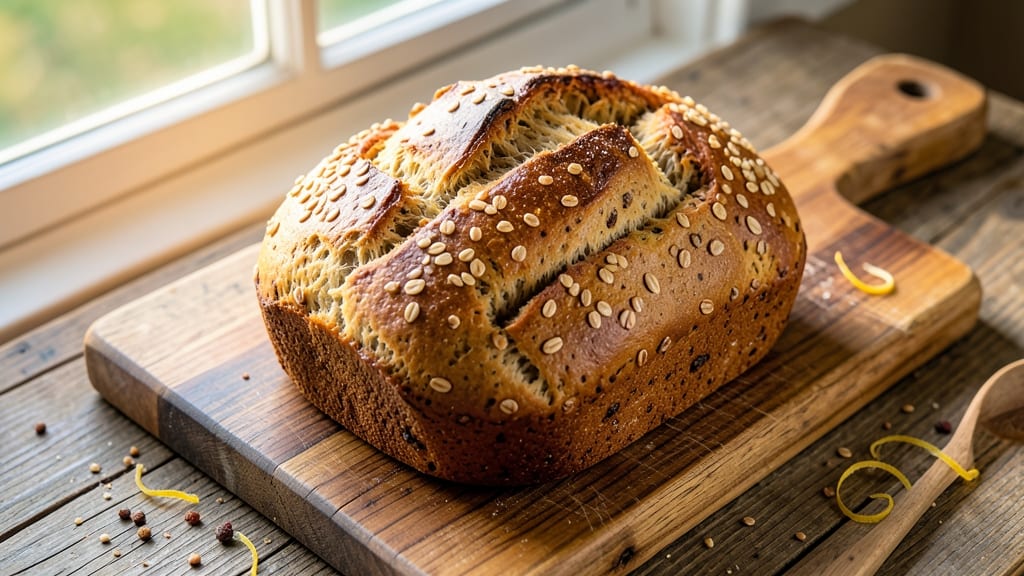
This artisan oatmeal bread recipe delivers the perfect marriage of chewy whole-grain texture and airy, pillowy softness—exactly what separates homemade bread from store-bought loaves. 💛 The secret lies in precise hydration and a slow fermentation process that develops deep flavor while keeping the crumb tender. I've perfected this recipe over years of baking, and it consistently yields a loaf with that coveted "artisan" quality: crisp golden crust, chewy oat crunch, and a light yet substantial crumb.
What sets this recipe apart is the balance of ingredients—whole wheat flour for structure, rolled oats for texture, and a touch of honey to enhance browning and flavor.
The dough requires 30 minutes of autolyse (resting before kneading) to develop gluten properly, followed by a 2-hour cold proof that intensifies flavor without overproofing. This method ensures you get that professional bakery texture at home, even if you're not an experienced baker.
By the time it emerges from your oven, you'll have a loaf with a crackly crust that gives way to a tender crumb speckled with chewy oat pieces. The aroma alone—warm, nutty, with just a hint of caramel—will transform your kitchen into a bakery.
This bread is perfect for breakfast toast, sandwiches, or serving alongside soups, where its hearty texture holds up beautifully.
The best part? This recipe scales easily for different loaf pans, and you can customize it with add-ins like seeds, nuts, or even a touch of cinnamon for sweet variations. Once you try this method, you'll never buy oatmeal bread again. Let's get started on creating your perfect loaf.
Ingredients for artisan oatmeal bread
These 11 ingredients transform your kitchen into a bakery with that perfect artisan oat crunch and pillowy crumb.
| Ingredient | Amount | Notes |
|---|---|---|
| Bread Flour 🌾 | 3 ½ cups | High-protein for structure |
| Whole Wheat Flour 🌾 | 1 ½ cups | For hearty texture |
| Rolled Oats 🥣 | 1 cup | Old-fashioned, not quick |
| Active Dry Yeast 🍞 | ¼ oz | Or 2 1/4 tsp packet |
| Granulated Sugar 🍚 | 1 tbsp | Feeds yeast and enhances browning |
| Salt 🧂 | 1 ½ tsp | Kosher or sea preferred |
| Honey 🍯 | 2 tbsp | Light amber preferred |
| Unsalted Butter 🧈 | ½ cup | Cold, cubed for flavor |
| Whole Milk 🥛 | 1 ¼ cups | Room temperature |
| Egg 🥚 | 1 whole | Large, room temperature |
| Cornmeal 🌽 | ¼ cup | For dusting loaf pan |
The flours are the foundation—King Arthur bread flour gives that professional structure, while Bob's Red Mill whole wheat keeps it hearty. Rolled oats should be old-fashioned, not quick oats—they toast beautifully and add that signature chew. For yeast, Fresh Start or Red Star are my go-tos, but any active dry yeast works. The honey? Local raw honey if you can get it—it adds subtle floral notes that store-bought can't match. Butter matters here: Plugrá or Land O'Lakes unsalted give the best flavor. Milk should be whole, not skim—fat keeps the crumb tender.
No bread flour? All-purpose plus 1 tbsp vital wheat gluten gets you close. Honey substitute? Maple syrup at 1:1—it's got that caramel depth. Short on oats? Toasted pecans or walnuts add crunch too. The egg can be swapped for 1 tbsp ground flaxseed + 3 tbsp water (let sit 5 mins) if you're avoiding eggs. For a sweeter loaf, add 1 tsp cinnamon to the dough. The cornmeal? Any fine grain works—just don't skip dusting the pan, or your bread will stick like glue.
This dough is a patient one—autolyse first (30 mins rest) develops gluten properly, then cold proof overnight (or 2 hours) for maximum flavor. Shape it gently, don't overwork it. Bake at 375°F until internal temp hits 190°F—that golden crust? Worth the wait. Store wrapped at room temp for 3 days, or freeze sliced for 3 months. Toasting? Low and slow—medium heat until golden brown, or your crust will burn before the inside warms.
Why You'll Love This Recipe
- No-Knead Magic: I swear by this—just mix the dough, let it rise overnight, and bake. The rolled oats and whole wheat blend give it a rustic texture without any of the fuss of kneading or shaping. My lazy Sundays just got an upgrade.
- Chewy Crunch Combo: That toasted oat crunch on the outside? Chef’s kiss. The sugar caramelizes just enough to balance the hearty whole wheat, while the bread flour keeps it light enough to eat by the slice. Honestly, I can’t stop stealing loaves from the counter.
- Weeknight Workhorse: Toss a slice in the toaster for breakfast, tear it for sandwiches, or serve it warm with butter. It’s my go-to for meal prep—freezes beautifully and reheats like it’s fresh. (Yes, even on a Tuesday night.)
- Pantry Stretch: I make this with what I already have—no specialty ingredients needed. A little yeast, some flour, and oats you probably have sitting around. Not to mention, one loaf feeds my whole family, so it’s my budget-friendly secret weapon.
Step-by-step instructions for artisan oatmeal bread
Here's how to craft this hearty, textured loaf with perfect crumb and crispy crust.
👨🍳 Step 1: Activate the Yeast and Mix the Wet Ingredients
In a small bowl, combine the 1.25 cups whole milk, 2 tbsp honey, and 1 tbsp granulated sugar with the 0.25 oz active dry yeast. Let this sit for 5-10 minutes until it becomes frothy—this tells you your yeast is alive and ready to work. If it doesn't bubble, start over with fresh yeast.
In a large mixing bowl, whisk together the 1 whole egg, 0.5 cup cold unsalted butter (cut into small cubes), and 1.5 tsp salt until the butter is just beginning to soften. This creates a rich, flavorful base that will carry through your bread. The butter should look like tiny, pea-sized pieces rather than fully melted.
👨🍳 Step 2: Combine Dry Ingredients and Build the Dough
Add the 3.5 cups bread flour and 1.5 cups whole wheat flour to your wet mixture. Stir with a wooden spoon until a shaggy dough begins to form. Then add the 1 cup rolled oats and the yeast mixture. Mix until everything comes together—you'll need to use your hands here to fully incorporate all the ingredients.
Turn the dough out onto a lightly floured surface and knead for 8-10 minutes. You're looking for a smooth, elastic dough that springs back when poked. The rolled oats will make this dough slightly sticky, so don't be afraid to use a bit more flour if needed, but keep it minimal—too much will make your bread dense. The dough should be soft but not wet, and should feel slightly tacky to the touch.
🔥 Step 3: First Rise - Let the Dough Bloom
Place the dough in a lightly oiled bowl, cover it with a damp kitchen towel, and let it rise in a warm place for 1-1.5 hours or until it has roughly doubled in size. I like to put my oven on its lowest setting with a bowl of hot water inside to create a warm, humid environment—this helps the dough rise consistently. Poke the dough gently; if it springs back slowly, it's ready for shaping.
Here's the thing—this dough will be denser than regular bread dough because of the oats and whole wheat flour. Don't worry if it doesn't rise as dramatically as white bread dough. The texture will still be light and airy, just with that wonderful hearty crunch from the oats.
🥘 Step 4: Shape and Second Rise for Perfect Texture
Punch down the risen dough and divide it into four equal pieces (about 1 pound each). Shape each piece into a round boule by pulling the dough toward you and tucking it under itself, creating surface tension. This technique creates that beautiful, rustic shape and helps develop gluten for a better crumb.
Place the shaped boules on a baking sheet lined with parchment paper, cover them with the damp towel, and let them rise again for 30-45 minutes. They should puff up noticeably but not double in size like the first rise. This second rise is crucial for developing that open, airy crumb we want in artisan bread.
🔥 Step 5: Bake to Golden Perfection with Crispy Crust
Preheat your oven to 375°F. Just before baking, brush the tops of the boules with a little water and sprinkle them generously with 0.25 cup cornmeal. This creates that beautiful crust and adds a lovely texture contrast. Bake for 25-30 minutes until the bread is deep golden brown and sounds hollow when tapped on the bottom.
The internal temperature should reach 190-200°F in the center. For that perfect crust, I like to turn the oven down to 350°F for the last 5 minutes of baking—this helps develop the crust without over-browning. Let the bread cool on a wire rack for at least 30 minutes before slicing; this prevents the crumb from turning gummy.
Pro Tips For Making Artisan Oatmeal Bread
- Toast the Oats First: My grandmother swore by this, and she was right: Toss those rolled oats in a dry skillet over medium heat for 3-4 minutes until they’re golden and smell nutty. This step cuts bitterness and adds depth—skip it, and your bread will taste flat, even if the texture looks right.
- Mix the Yeast with Warm Water Only: I learned this the hard way—adding yeast to anything but warm water (about 105°F/40°C) kills its flavor and slows fermentation. Dissolve it in just water first, then mix with other liquids. Your dough will rise faster and taste brighter.
- Knead Until Windowpane Tough: Stop when you can stretch the dough thin enough to see light through it—about 8-10 minutes by hand. Whole wheat flour makes dough sticky, so resist the urge to over-knead; it’ll toughen the bread. Under-kneaded? It’ll collapse during proofing.
- Use a Banneton with Flour Dust: Line your banneton with a floured towel instead of just flouring the bowl—this prevents the dough from sticking to the rough texture. Flip it seam-side up before baking, and you’ll get that perfect rustic shape without struggling. (Yes, even if you’re impatient like me.)
Creative variations of this recipe
Sweet Cinnamon Swirl
Add 1 tbsp cinnamon and 2 tbsp brown sugar to your dough before shaping. Roll out the dough into a rectangle, sprinkle the cinnamon-sugar mixture evenly, then roll tightly into a log.
Shape into a boule and bake as directed. The result? A warm, spiced loaf perfect for breakfast with butter or jam. 🍯
Nutty Seed Boost
Stir in ½ cup toasted sunflower seeds or ¼ cup chopped walnuts during the kneading stage. For extra crunch, lightly toast the seeds or nuts in a dry pan for 3-4 minutes before adding.
This variation adds protein and texture while keeping the bread's signature chew. Store-bought seeds like Bob's Red Mill work perfectly.
Herbed Garlic Twist
Incorporate 1 tbsp dried rosemary and 1 tsp garlic powder into the dough during mixing. For a fresher flavor, finely chop 2 tbsp fresh rosemary and 2 garlic cloves instead. This variation pairs beautifully with roasted meats or soups, adding an aromatic depth that complements the oats' nuttiness.
Whole Grain Fusion
Replace ½ cup of the bread flour with ½ cup rye flour for a deeper, earthier flavor. Add 1 tbsp molasses to the wet ingredients for extra richness.
This variation creates a denser crumb with a molasses-kissed aroma that's perfect for sandwiches or toast with cream cheese. Use King Arthur rye flour for best results.
Cheesy Oat Loaf
Fold in ½ cup shredded sharp cheddar or ½ cup crumbled feta during the final kneading stage. For a melted cheese effect, sprinkle cheese on top before baking. This variation adds a savory punch that pairs wonderfully with soups or as a side to hearty stews.
Use Kraft sharp cheddar for classic flavor or feta from Greece for tangy brightness.
Seasonal Pumpkin Spice
Add ½ cup pumpkin puree and 1 tsp pumpkin pie spice to the wet ingredients. This autumnal variation creates a moist, slightly sweet loaf with warm spices. The pumpkin adds natural sweetness that reduces the need for extra sugar.
Perfect for fall breakfasts or holiday gatherings when you want a bread with seasonal flair. 🎃
Nutrition facts
Frequently asked questions
Why does your recipe use both bread flour and whole wheat flour?
The combination creates the perfect texture—bread flour gives that light, airy crumb we want in artisan bread, while whole wheat flour adds heartiness and fiber. The whole wheat keeps the bread from being too delicate, while the bread flour prevents it from becoming dense. This balance is key for that signature artisan crunch and softness.
Can I make this bread without a stand mixer?
This dough is designed to be kneaded by hand for 8-10 minutes on a lightly floured surface. The rolled oats make it slightly sticky, so use your hands to work it until smooth and elastic. Just be patient—the extra effort develops the gluten for that perfect crumb.
What's the deal with the cold proof? Can I skip it?
The 2-hour cold proof (or overnight) is what develops that deep, complex flavor. Skipping it will make your bread taste more basic and less flavorful. If you're short on time, do a 1-hour warm proof** instead—just place the shaped dough in the fridge for 30 minutes first to slow fermentation.
How do I store this bread to keep it fresh?
Wrap the cooled loaf tightly in plastic wrap or place it in an airtight container. It'll stay fresh at room temperature for 3-4 days. For longer storage, slice and freeze the bread—it'll keep for 3 months. To revive, toast directly from frozen or warm in a 300°F oven for 10 minutes.
My bread turned out dense—what went wrong?
Dense bread usually means one of three things: over-kneading (which breaks down gluten), underproofing (not enough rise time), or too much flour during mixing. For this recipe, focus on gentle kneading and letting the dough rise until it springs back slowly when poked. The oats and whole wheat need extra time to hydrate properly.